Fibre reinforcement for concrete is gaining ground
Using synthetic macrofibres and microfibres as an alternative to steel reinforcement in concrete is becoming increasingly popular. Rising prices and steel shortages on the market are boosting that popularity even further. “Concrete plants, contractors and architects are increasingly turning to us,” says Wim Ronsse, technical sales manager at East Flanders-based Adfil, which develops and manufactures high-performance fibres for reinforcing ready-mixed concrete, sprayed concrete and precast elements.
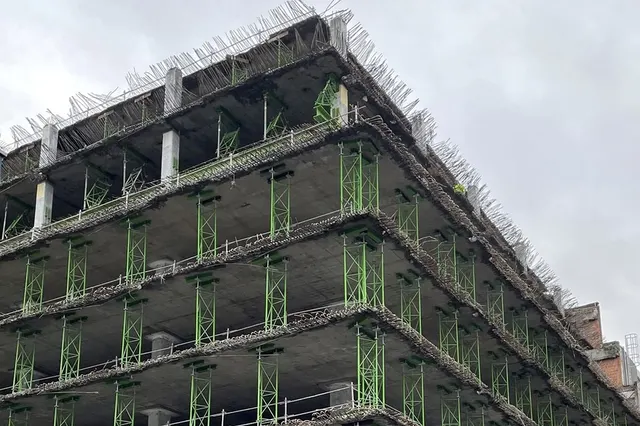
The current steel crisis is forcing contractors and clients to actively consider alternatives to reinforced concrete. For many builders, reinforcing concrete with synthetic fibres instead of steel is an increasingly obvious solution. Wim Ronsse says: “In the past, people often viewed our business with scepticism. Today, many companies and players in the construction sector are very interested. And things are moving fast. The shortage of steel is so severe that you can count yourself lucky if you receive even one quotation.”
More sustainable, safer, more efficient
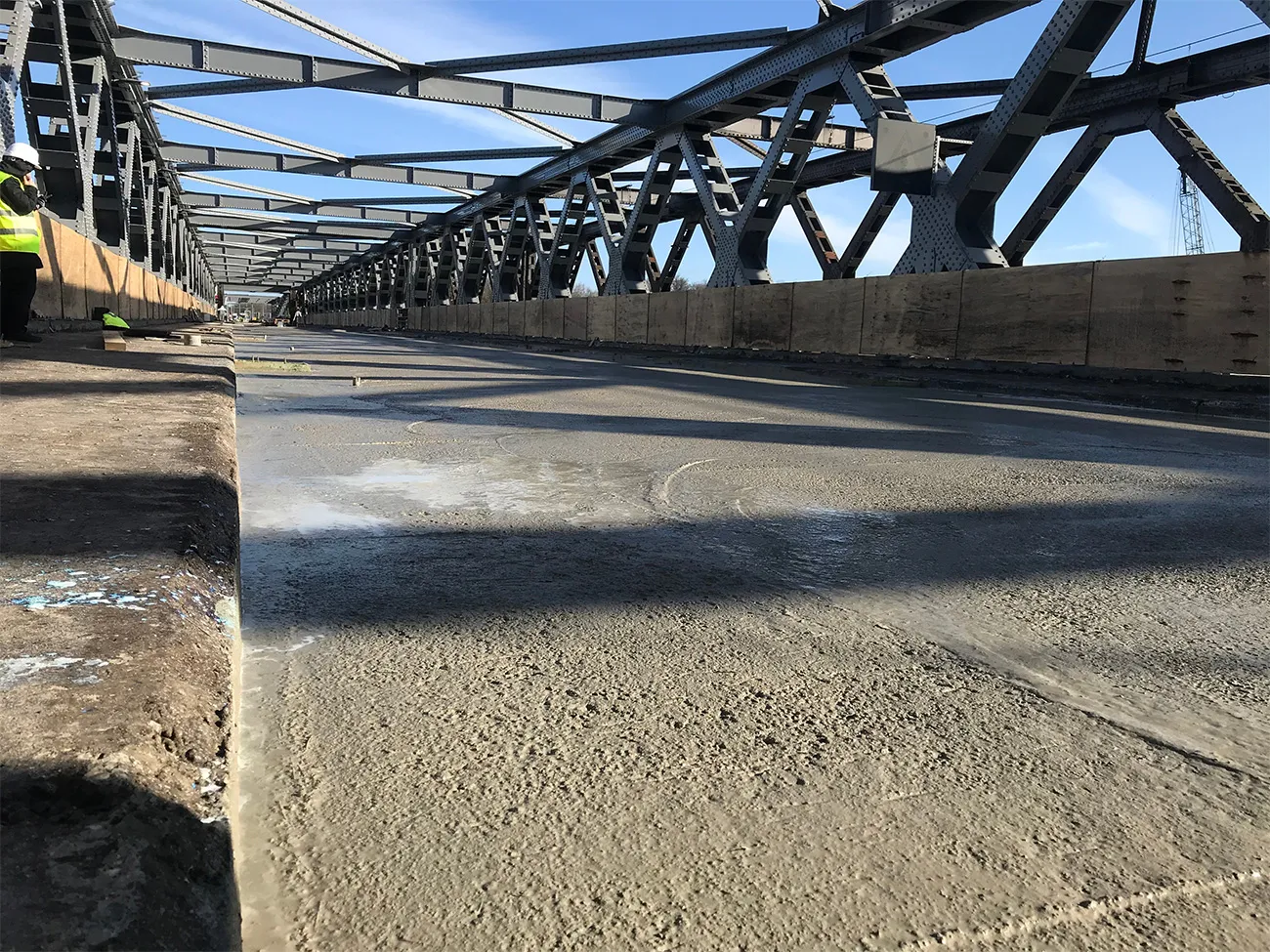
It is now widely recognised that the construction sector is responsible for almost 40% of global CO2 emissions. This is also an important factor in the search for alternative materials, particularly as cement and steel production are among the biggest polluters. In this respect, Adfil fibres offer a fully fledged sustainable alternative. “The fibres can be mixed into the concrete at the concrete plant,” explains Jeroen Smet, technical sales director at Adfil. “This saves a lot of time, as there is no need to install steel reinforcement beforehand. It is also much safer than handling steel on site. What’s more, our fibres are lighter and fire-resistant, and CO2 emissions are reduced by almost 90%. The price difference is also considerable, at up to 30%. And perhaps most importantly, the service life is extended because the fibres are resistant to corrosion.”
Innovation as a guiding principle
Adfil fibres, which are only a few centimetres long, are made from polypropylene. The production process is continually scrutinised, and innovation is a guiding principle in Adfil’s work. This constant drive to develop means that fewer and fewer fibres are needed to reinforce concrete. Jeroen Smet says: “We are constantly looking to improve the composition and shape of the fibres. To do this, we use our own concrete laboratory. Whereas 15 years ago, you would easily need 10 kg/m³ of concrete, today you need ‘only’ 2.5 to 3 kg. We closely monitor exactly how the fibres perform in the concrete. We use the results of our concrete tests in the calculations we also provide to our partners free of charge. This gives them a substantiated quotation that can offer a fully fledged alternative solution for a project.”
A wide range of applications
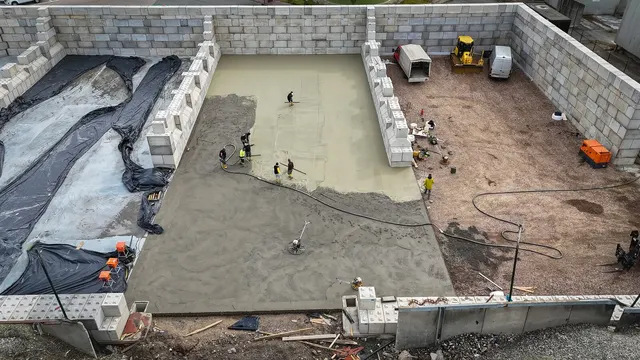
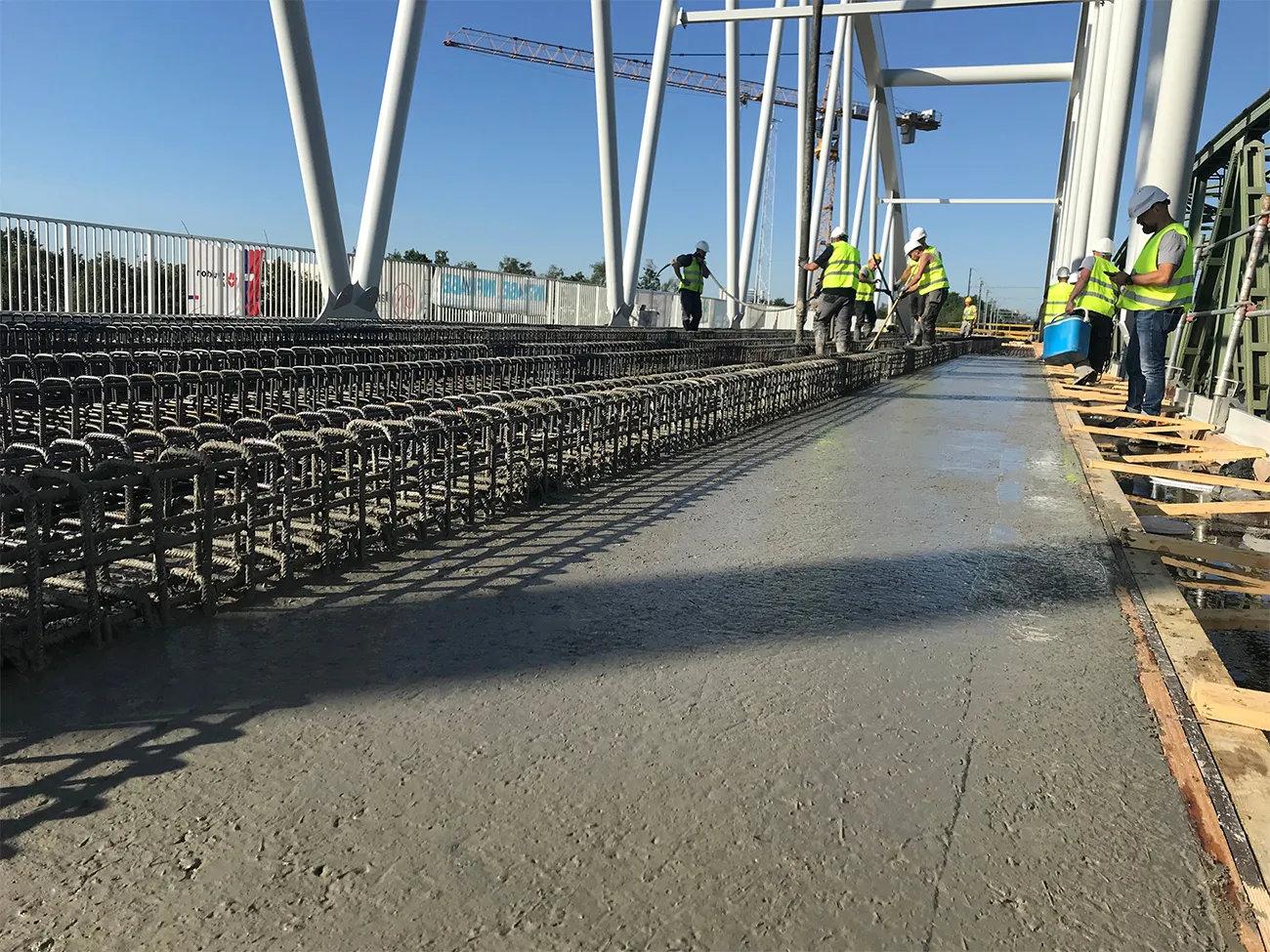
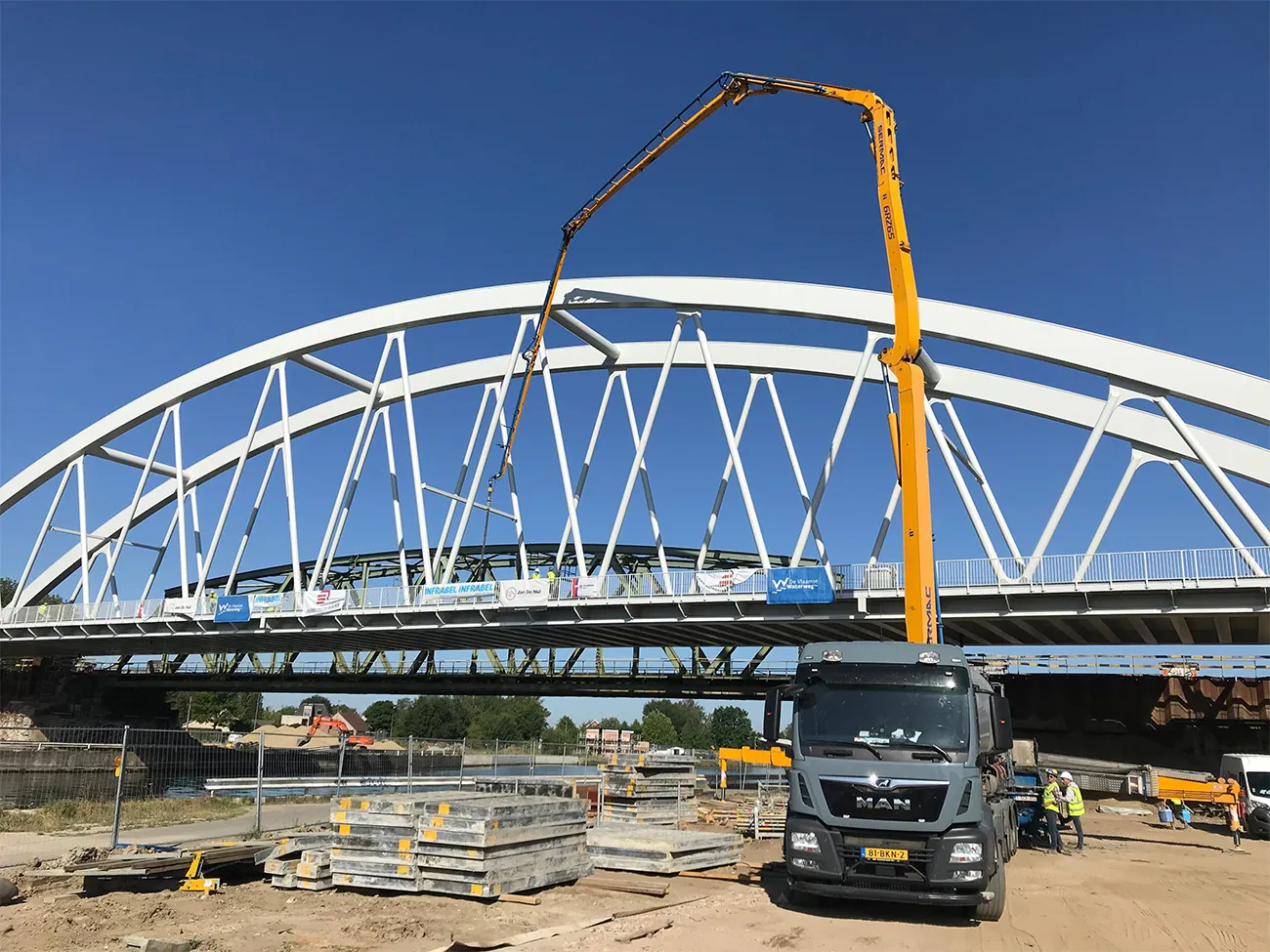
Adfil fibres have already been used in Belgium, including on projects for Infrabel and Vlaamse Waterweg: the bridges in Kuringen and Genk, and along the road to Zele. Fibre reinforcement is proving a highly effective alternative not only for ready-mixed concrete, but also for sprayed concrete, for example in tunnel construction. Adfil fibres were used to build the Brenner tunnel, which connects Austria and Italy. The range of applications is therefore particularly broad. “We are also becoming increasingly active in port areas. The fact that our fibres are inert and therefore do not corrode is a major factor. This is also why they are so widely used in basements, underground car parks and foundations. We also supply large quantities for multi-storey car parks and floors in logistics centres. Another growing sector is tunnel construction, for metros and new mountain roads. Their ease of handling adds significant value compared with steel. Finally, hybrid structures are increasingly being chosen for wind turbine foundations, with synthetic fibres replacing some of the steel,” concludes Wim Ronsse.
Question about this story? Ask your question
Keep following this
Get an email when a new story is published. No account needed.
- SubjectConcrete