











Concrete will never cease to surprise us
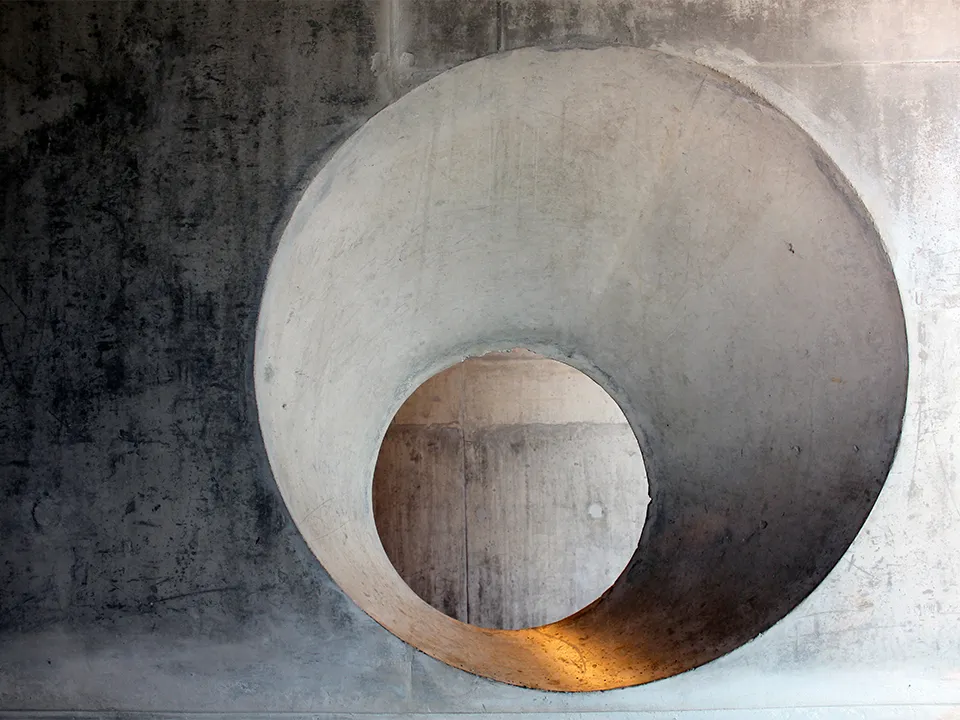
Is concrete past its prime? Fit only to be broken up to make room for nature? Not so fast!
We certainly need to curb the excesses of urban sprawl and the soil sealing it causes, but concrete is not the thing to attack: we should be tackling the root of the problem. This article, however, is about something else entirely: showing that concrete has what it takes to remain an essential material for the future. It is constantly reinventing itself and keeping up with the times. Here are some recent examples.
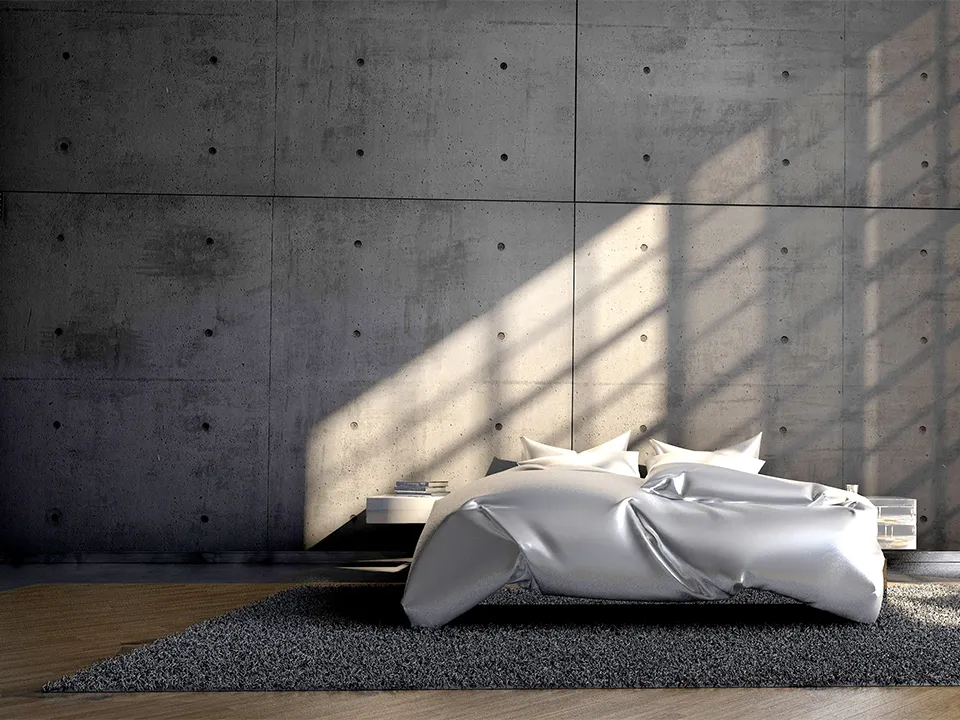
Concrete brings a chill
A recent Belga news report announced that scientists at several European research centres are working on a type of concrete that can cool a building spontaneously. This “miracle concrete”, as the scientific journal Eos calls it, could offer a sustainable alternative to air conditioning.
By modifying the composition and structure of concrete, the material can efficiently emit infrared radiation and become cooler than its surroundings, even on sunny days. Another advantage of this “air conditioning of the future” is that it is cheap to produce, making large-scale applications possible, unlike other, more expensive systems containing materials such as silver or silicon.
Researchers now want to investigate how “cooling concrete” affects the amount of energy needed to cool a building, by testing it on the roof of a house in Spain. The project has received €3 million in funding from the European Commission through its “Future and Emerging Technologies Open” programme. We look forward to seeing this concrete put to use in tackling the effects of climate change.
Concrete makes its mark
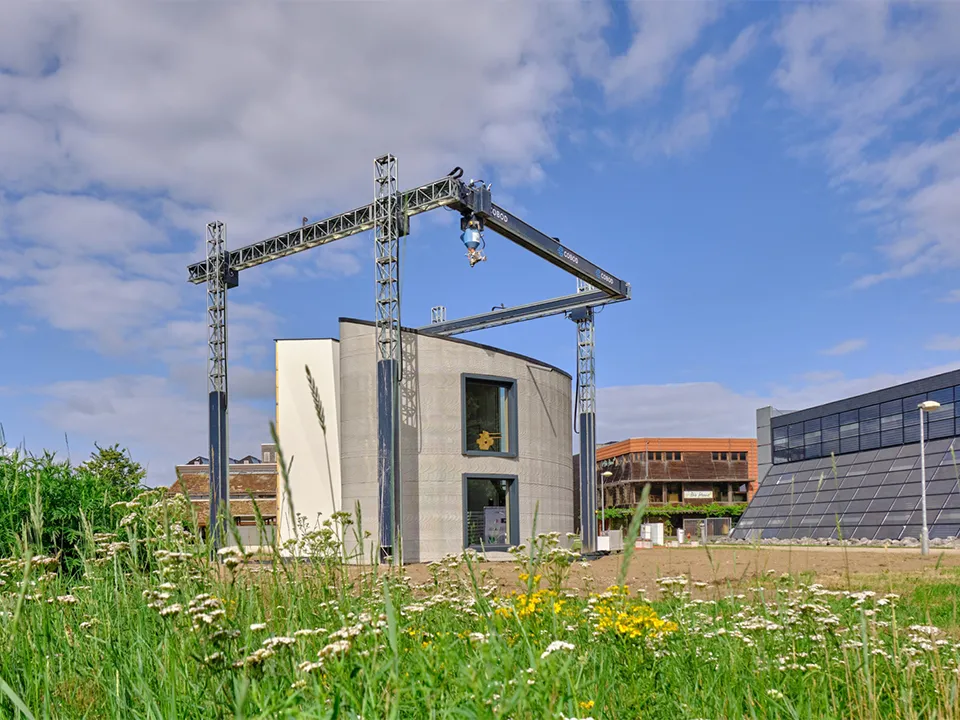
In Westerlo, a 90 m2 show house was built in a single operation using Europe’s largest 3D concrete printer. This is a world first. The house has 2 storeys and is the average size of a terraced house in the Campine region.
“What makes this unique is that the house was printed in one piece using a 3D concrete printer,” says Emiel Ascione, project manager at Kamp C, with pride. “Printed houses already exist, but they have only one storey and are usually printed in several parts in a factory, then assembled on site. We are the first to print the building envelope in one continuous operation, directly on site.”
This show house is part of the C3PO project (Co-creation, 3D printing for businesses), supported by the European Regional Development Fund (ERDF). Through this achievement, the project partners wanted to show the construction industry that 3D concrete printing could now be incorporated into the techniques it uses.
Another benefit is that the printed house is three times stronger and more pressure-resistant than a house built with quick-build bricks. What is more, the printing technique eliminates the need for concrete formwork. This saves around 60% in materials, time and money. The show house took 3 weeks to print, but in future a house of this type could be printed in two days.
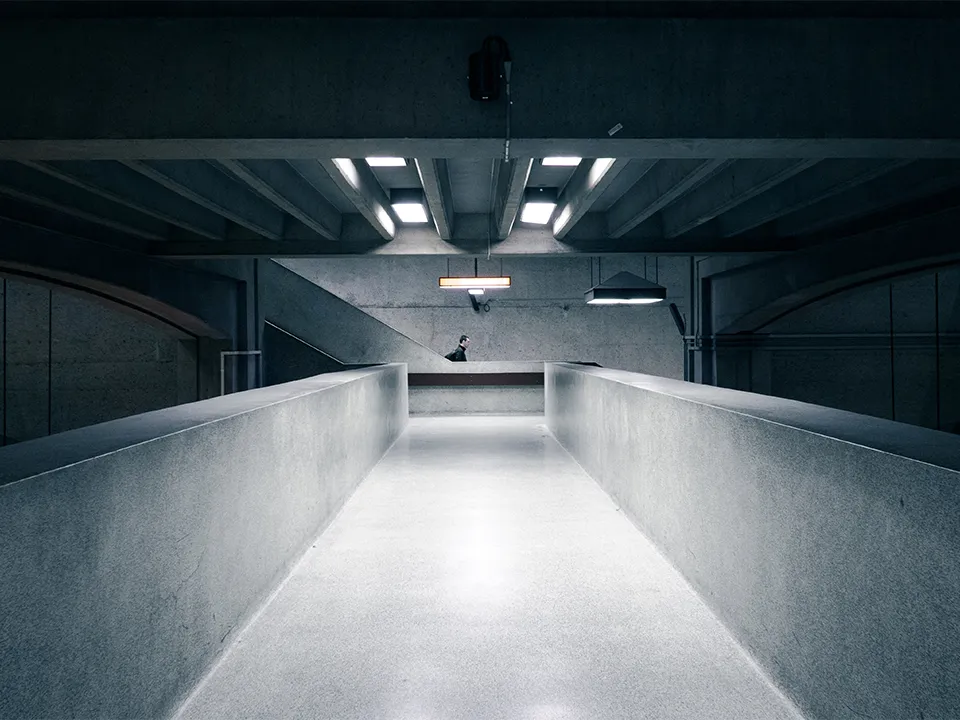
Endless possibilities
Only time will tell which innovations ultimately take off: connected concrete (street furniture with NFC technology embedded in the concrete), electrically conductive concrete that eliminates the need for cables, sparkling concrete for safer roads, bio-based structural concrete, translucent concrete for greater architectural creativity, and more. One thing is certain: we haven’t heard the last of concrete!
Question about this story? Ask your question
Keep following this
Get an email when a new story is published. No account needed.
- SubjectConcrete







