











Concrete roads: greater resilience to climate change and extreme weather events
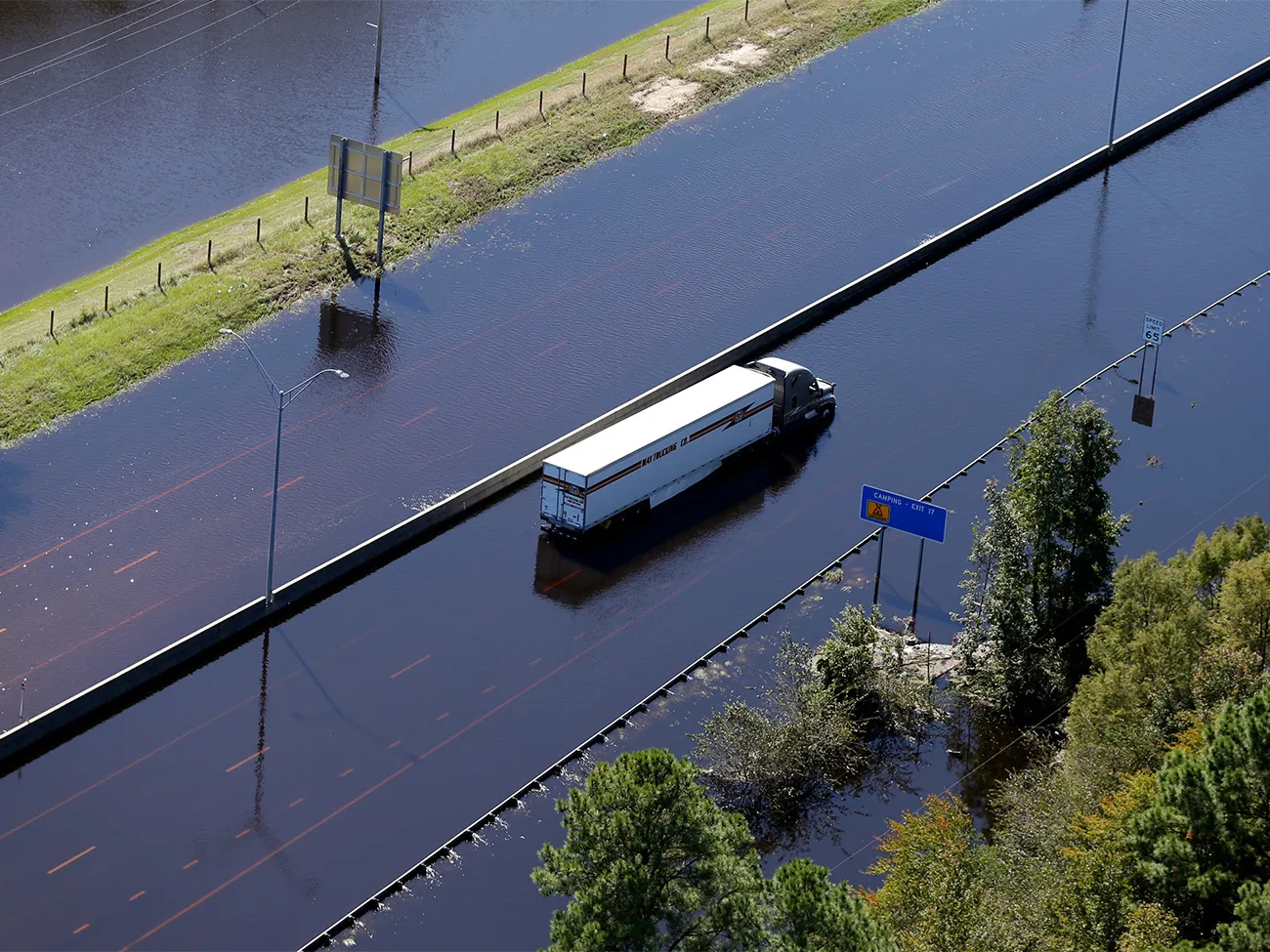
The two main effects of climate change on roads and road surfaces are rising temperatures and increasingly intense rainfall. It is therefore essential to adopt an appropriate adaptation strategy and take a long-term approach in order to deliver robust, future-proof solutions.
The effects of climate change on roads and road surfaces
In addition to the observed rise in average temperatures, models predict that extreme temperatures will become more frequent and last longer, and not only in southern Europe. More hot days in summer will lead to increased rutting on asphalt roads. In winter, freeze-thaw cycles will become more intense, which could accelerate the deterioration of road structures.
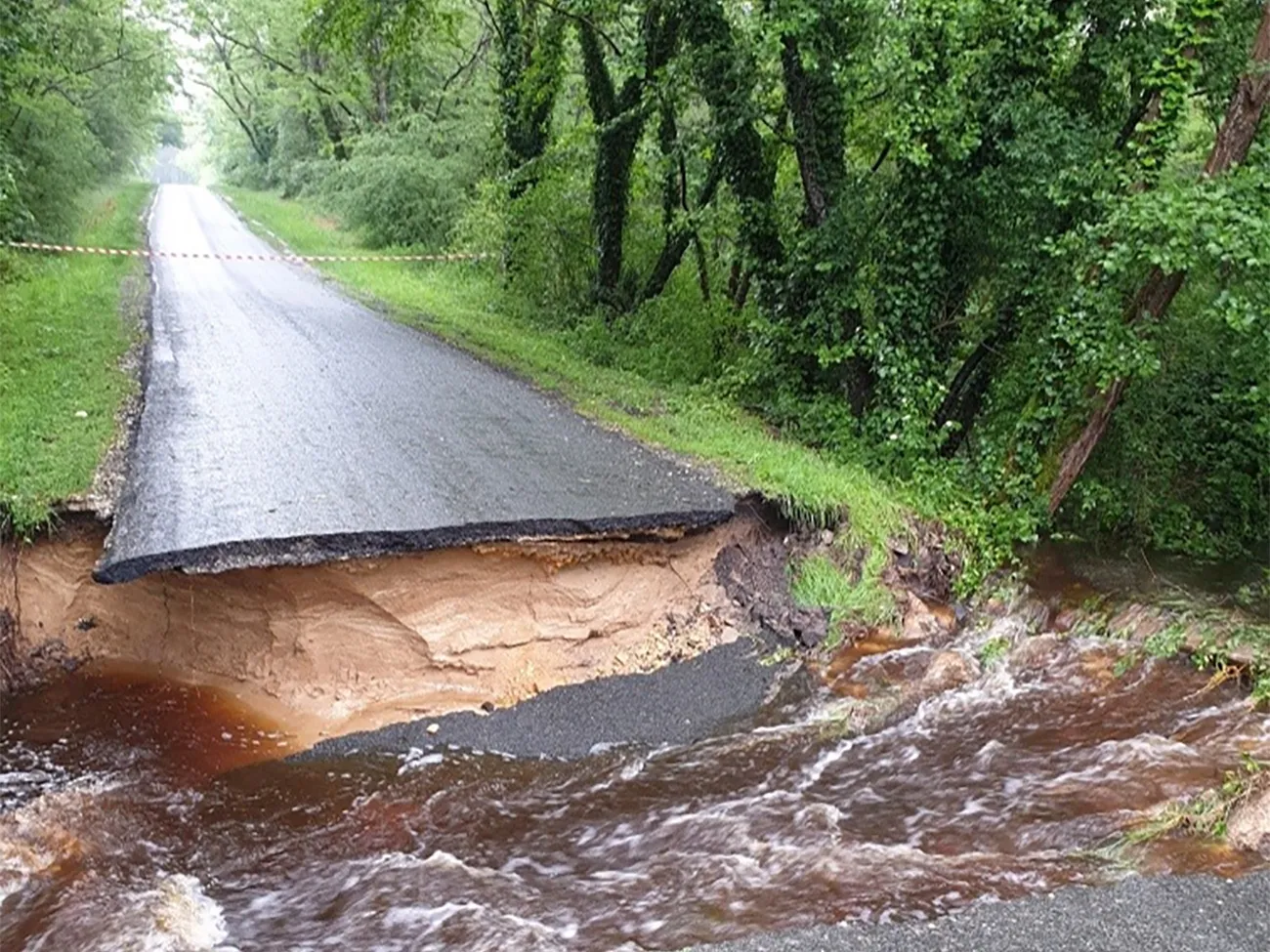
As was painfully evident last July, climate change is causing a significant increase in rainfall. More frequent storms and floods will affect road surfaces, unbound aggregate bases and sub-bases if drainage systems are not designed to cope with them.
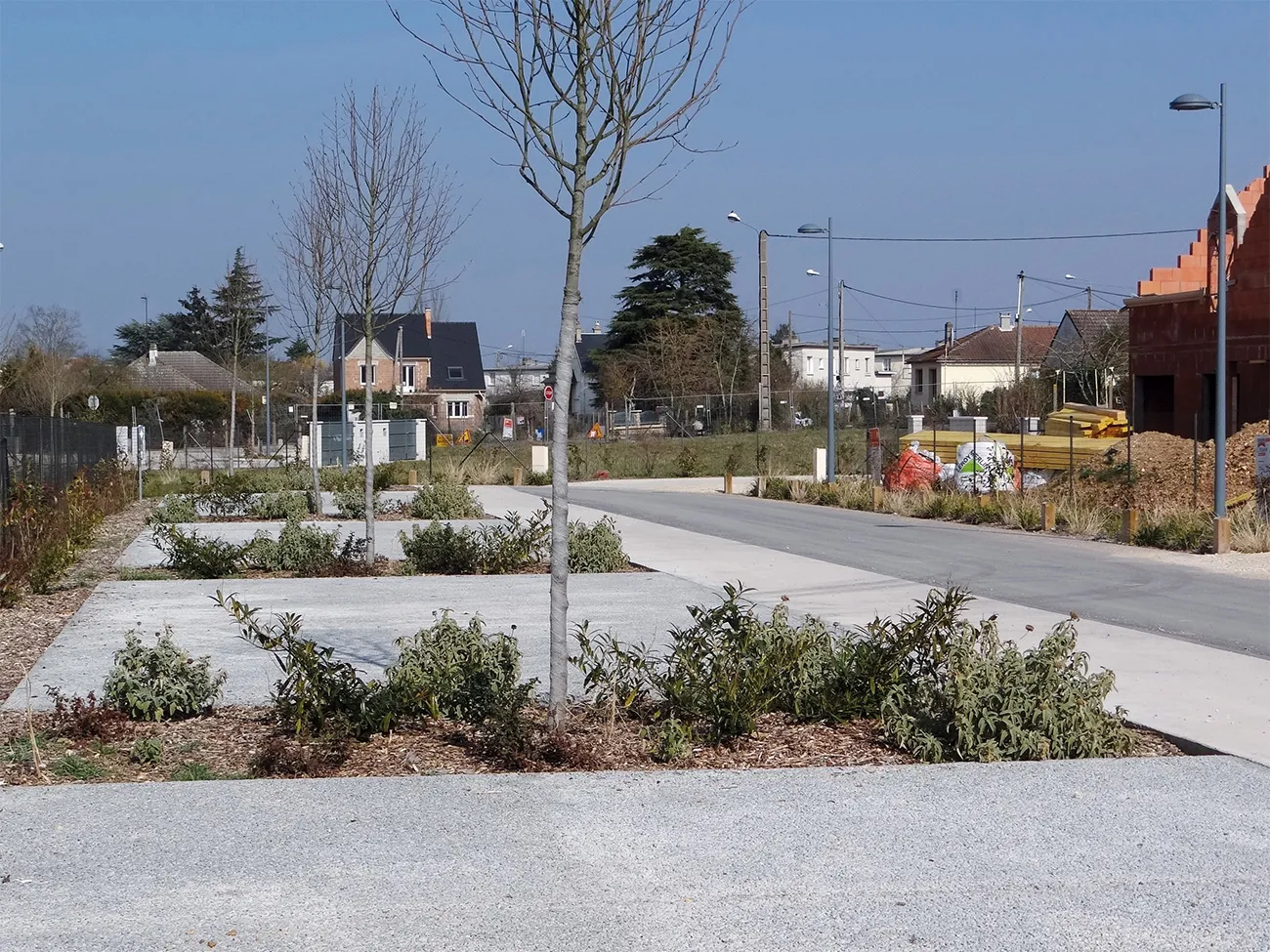
Concrete roads are more resilient to extreme conditions
In the event of flooding, concrete roads are less susceptible to swelling or shrinkage of the subgrade than asphalt roads. They are therefore the best option for cohesive soils such as clay. Delamination is not an issue either, as they are built as a monolithic slab. The same applies to two-layer concrete roads.
Of the different types of concrete road, continuously reinforced concrete pavements (CRCP) are particularly robust: the continuous reinforcement creates a bridging effect by distributing the load, enabling the pavement to withstand localised subsidence. Hydraulically bound bases have also been shown to be robust solutions that withstand the effects of flooding better than unbound aggregate bases.
Concrete roads are built to withstand changes in temperature and humidity, and have proved durable and long-lasting in a wide range of climates around the world. Concrete remains rigid across the range of ambient temperatures, with no softening or rutting. In addition, careful joint and reinforcement design makes it possible to accommodate significant
temperature variations.
Mitigating the impact of climate change
As well as being resilient, concrete roads and their surfaces also have several positive effects in relation to climate change: slowing global warming thanks to their high albedo, reducing heavy goods vehicle fuel consumption thanks to their rigidity, recarbonating recycled aggregates, reducing flood risk through permeable concrete pavements, and more. For further information on all these benefits, visit the publications/factsheets/ section at www.febelcem.be/fr/
What policy approach?
A robust, resilient road network delivers numerous societal benefits. First, during extreme events, keeping emergency services (ambulances, fire services, etc.) moving safely saves lives. Keeping infrastructure operational also reduces the impact on the economy during and after extreme events. In addition, repair costs are significantly lower.
Choosing resilience means taking a long-term approach to procuring and building transport infrastructure. Concrete pavements are the solution, whether as new surfaces where needed or as overlays on existing roads. They offer not only greater robustness and better performance, but also a long service life with minimal maintenance, a lower life-cycle cost and a safe, durable, light-coloured surface.
Question about this story? Ask your question
Keep following this
Get an email when a new story is published. No account needed.
- ThemeTransforming infrastructure and territories
- SubjectConcrete







