











Certification in the service of sustainability
Texte Joaquim Dupont | Photos COPRO & FEREDECO
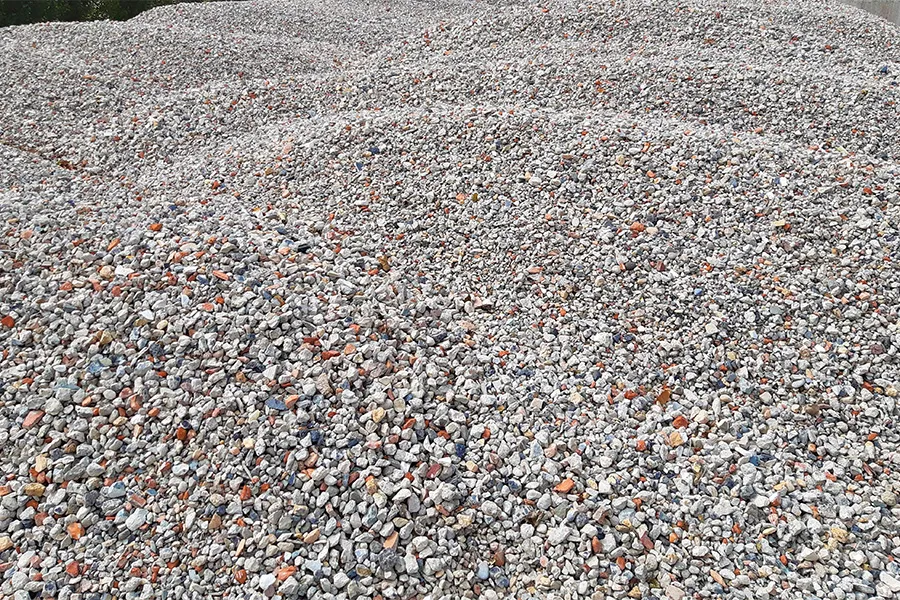
In 2008, the European Union highlighted the importance of appropriate waste management, as well as recovery and recycling techniques, in easing pressure on resources and improving their use. In line with EU directives, the Walloon Government adopted an order implementing the procedure for end-of-waste status (AGW), including for inert waste recovered as recycled aggregates. Since these aggregates are intended for reuse as construction products, they must meet a number of specified criteria. The AGW provides for certification of an environmental quality system. To establish the certification procedure, the Walloon Government set up a working group that included independent construction product inspection and certification bodies COPRO and BE-CERT.
A status to accelerate the sustainability transition
End-of-waste (EoW) status is a powerful driver of the construction sector’s sustainability transition: under certain conditions, “waste” can now become a product and therefore a new resource, encouraging sustainable practices and reuse. This new life for a product requires 4 elements: use for specific purposes, an existing market or demand, compliance with technical requirements, and no overall adverse effects.
“For recycled aggregates, which have had an established market for many years, operators must assess their aggregates against 2 main criteria, namely technical and environmental compliance, before they can confirm that the recycled aggregates have ceased to be waste,” explains Stéphane Baguet, Certification Manager at COPRO.
What are the specific requirements?
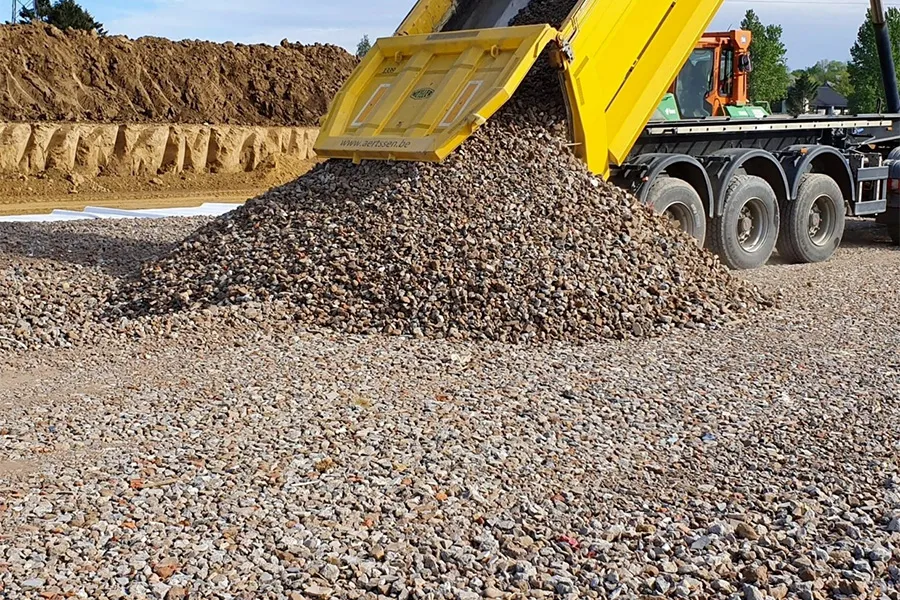
The technical requirement chosen by the Walloon Government is that recycled aggregates must be placed on the market under system 2+, “assessment and verification of constancy of performance”. This means that the aggregate manufacturer declares performance in accordance with the harmonised product standards for aggregates, and that a certification body certifies the factory production control (FPC) system. The environmental requirement is set out in the AGW and consists of an environmental quality system to be established by the operator, including sampling carried out by approved samplers. An impartial assessment body checks annually that the management system complies with the AGW requirements. Philippe du Bus, Certification Expert at BE-CERT, also reminds operators that “they must, of course, be registered with the Walloon Region’s administration”.
“As certification bodies, it was only logical for the Walloon political authorities to turn to organisations such as COPRO and BE-CERT to certify the environmental quality system established under the AGW, since we have been active in the aggregates sector for many years,” adds Philippe du Bus. CE marking under system 2+ is also an essential prerequisite before proceeding with the rest of the procedure.
In practice, any operator placing recycled aggregates on the market with marking under AVCP system 2+ can apply to a certification body for a contract to obtain certification of its environmental quality system, in compliance with the requirements of Annex II to the AGW. Stéphane Baguet nevertheless highlights an important aspect of the procedure: “the ‘waste’, or rather the former waste, must follow the end-of-waste procedure established by the region where it will be recovered, as regional legislation is unfortunately not equivalent”.
More operators set to gain certification
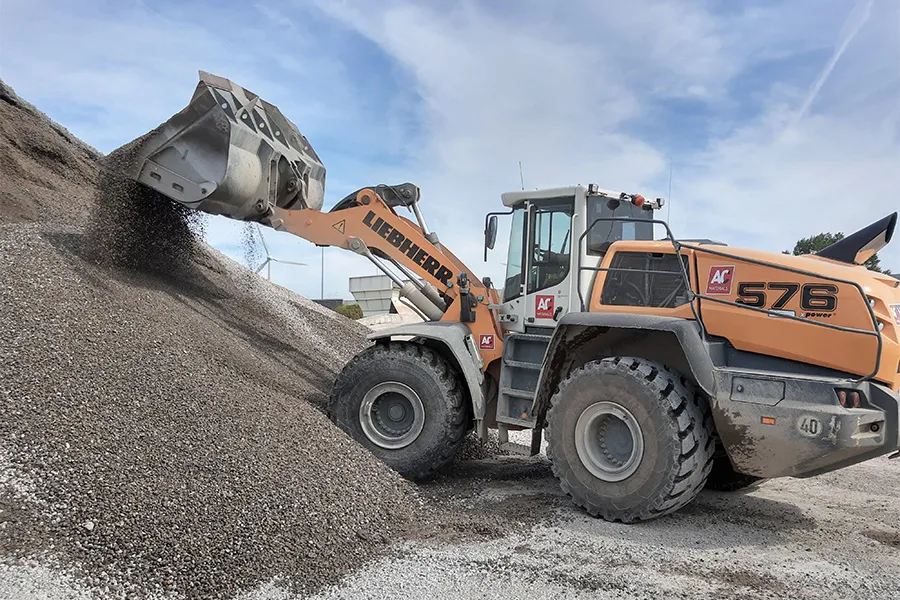
The first certificates were issued in 2022, almost 2 years after the AGW was adopted in July 2019. The long delay was due to certain constraints in the original order. To speed up the process, a Walloon Government order amending the 2019 AGW was published in December 2022, coming into force on 1st February this year. In practical terms, it allows the product to be sold before the environmental results are available, provided that representative sampling has been carried out beforehand and successive purchasers are informed.
Following this amendment, COPRO and BE-CERT expect the number of certified operators to rise rapidly. Many applications are expected to be approved in the coming weeks and months, which is “a real source of satisfaction” for both certification bodies, who highlight the collaboration of all the stakeholders involved. “This amendment to the order is the result of a joint effort by all parties involved in the project, and it will further boost the construction sector’s sustainability transition,” concludes Stéphane Baguet.
Een zakelijke vraag aan COPRO? Get in touch
Companies in this story
Keep following this
Get an email when a new story is published. No account needed.
- ThemeBuilding with less carbon
- SubjectConcrete
- CompanyCOPRO
- CompanyPROCERTUS







