Underground infrastructure and sewerage
PTV 105 covers standard catchpits and infiltrating road gullies
Texte & photos FEBE
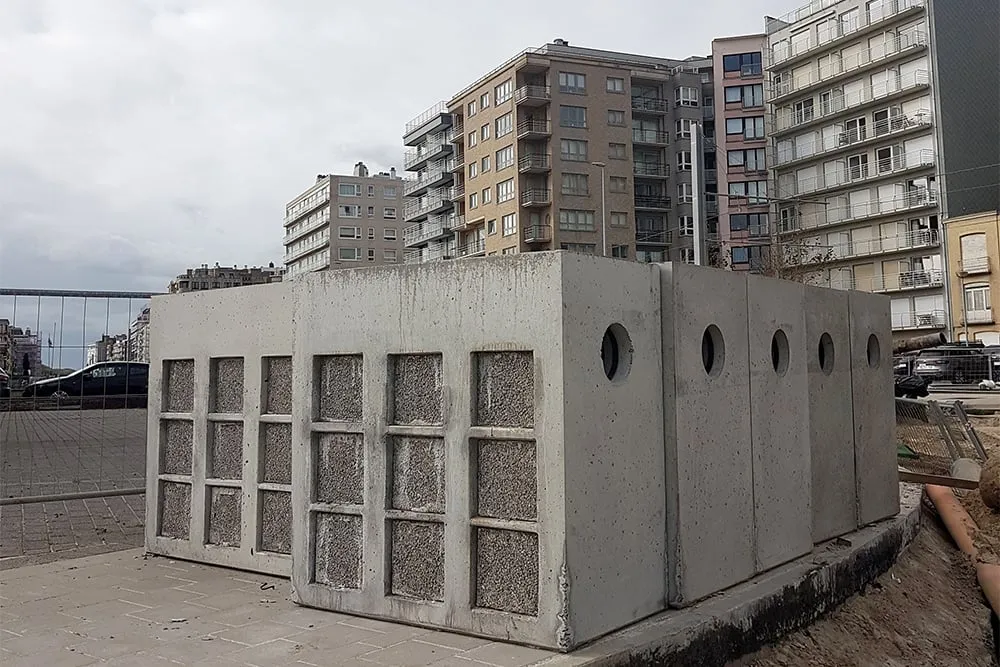
A few years ago, manufacturers of road gullies and catchpits considered how these products could contribute to the sustainable development of our road infrastructure. Following several projects and on-site trials, the sector is now ready for the next step: standardisation and certification.
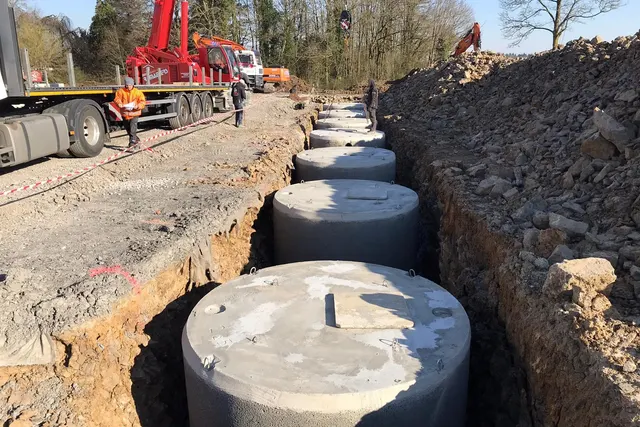
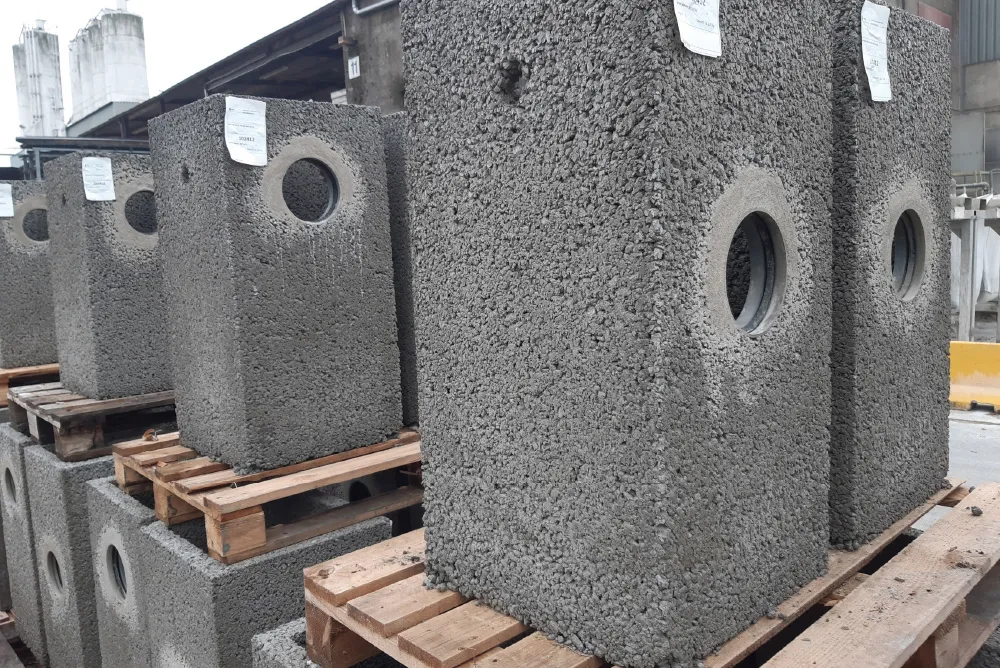
Growing demand in recent years for systems to combat flooding and water shortages has led to the development of an alternative to traditional road gullies. These products prevent rainwater from being discharged directly into sewer systems, allowing it to infiltrate straight into the subsoil instead.
Manufacturers of these precast concrete products are therefore keen to meet the growing demand for “climate-friendly” products. Previous pilot projects have shown that these components can help address flooding and water shortages.
It is therefore time for the sector to move on to the next step: standardisation and the corresponding certification of these new products. At the sector’s request, Probeton has revised PTV 105. Until now, these PTV covered only conventional catchpits and road gullies. They now also include infiltrating variants. As a result, clients can simply refer to these PTV for these products in their specifications.
Parameters to be specified
The current requirements for rainwater management in Wallonia, Brussels and Flanders were also taken into account when drafting the new PTV. More specifically, the texts were drawn up with the information clients need to check, using the necessary calculations, whether a project complies with the regulations.
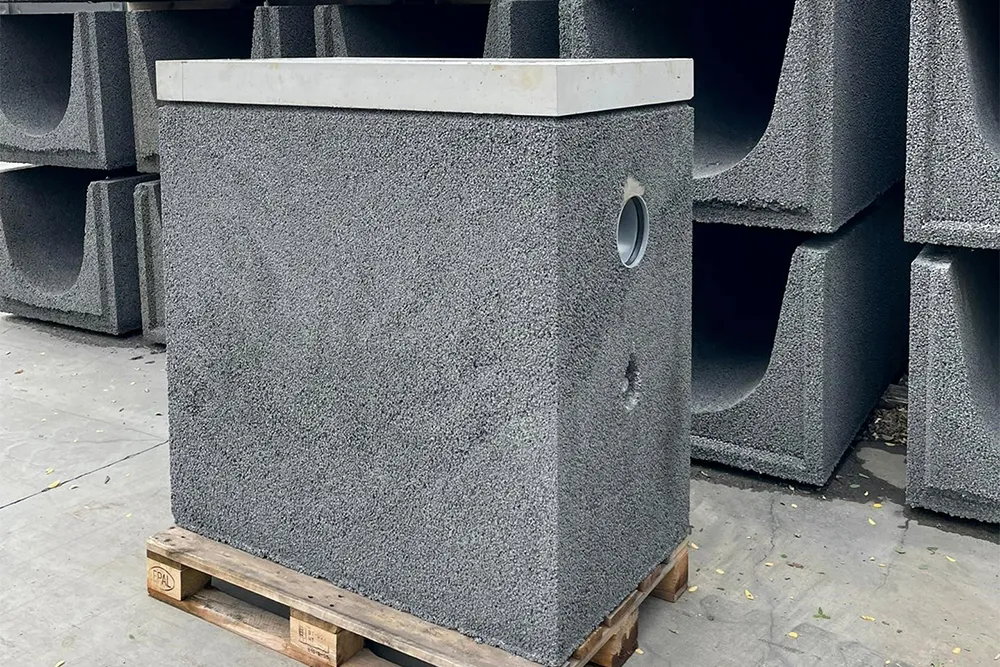
To carry out this check, we need the exact infiltration area and storage volume of the infiltration system. Manufacturers supplying products that comply with PTV 105 must therefore now specify the following parameters: storage capacity, total permeable area, infiltration storage capacity and infiltration area. For the precise definitions of these terms, please consult PTV 105 on the Probeton website.
In addition to defining these concepts, PTV 105 also specify the permeability of the products, which is set at 0.5 l/s. This means you can be certain that, provided the surrounding structure allows it, catchpits and road gullies complying with PTV 105 will allow 0.5 l/s of rainwater to infiltrate fully into the subsoil.
Road gullies used as pre-filters
During discussions on PTV 105, clients also raised the possibility of using road gullies as pre-filters for connected infiltration systems in future, for example when the gully overflow is connected to porous concrete pipes. To this end, it was specified that the internal horizontal area of type A/I road gullies must be at least 0.38 m². If this area requirement is met, the road gully can be considered a pre-filter and will treat the rainwater before it potentially flows through the overflow into a downstream infiltration system. This avoids the need to maintain and clean that downstream system.
If you still have questions after reading this article about rainwater infiltration using precast concrete products, you can contact Raf Pillaert at FEBE by email at [email protected] or by phone on 02 735 80 15.
Question about this story? Ask your question
Keep following this
Get an email when a new story is published. No account needed.
- SubjectUnderground infrastructure and sewerage