Underground infrastructure and sewerage
Filling disused sewers with rigid foam
Texte Niels Rouvrois Photos ALV
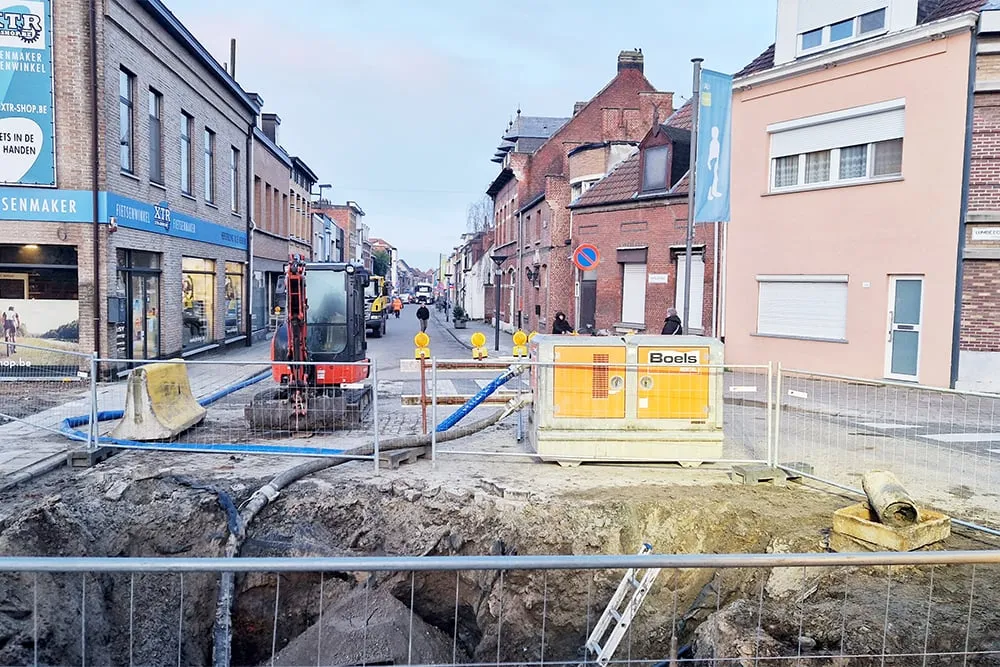
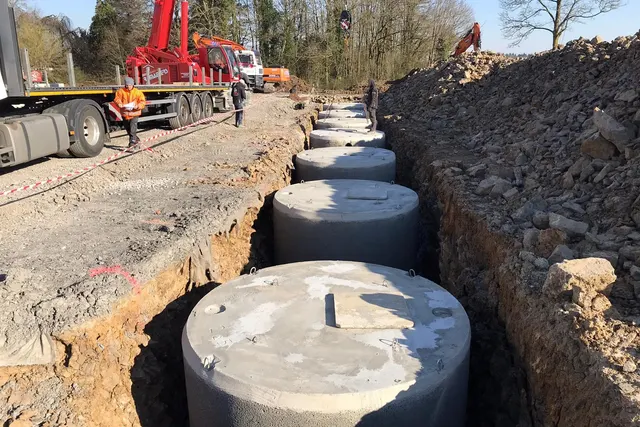
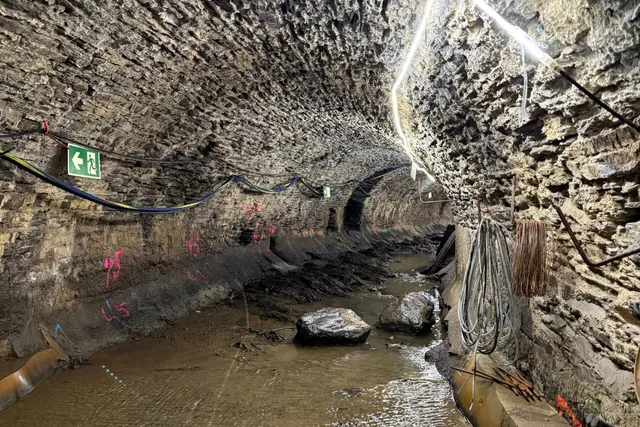
Removing disused sewers during infrastructure works can be difficult because utility services may be nearby or there may be too little space. This was the case on a project in Waasmunster, where main contractor BESIX Infra installed a new separate sewer network over a length of around 500 m. To fill the old pipes, it used Benefil two-component rigid foam. Bruges-based tank specialist ALV has been using it since 2018 and now wants to break into the infrastructure market.
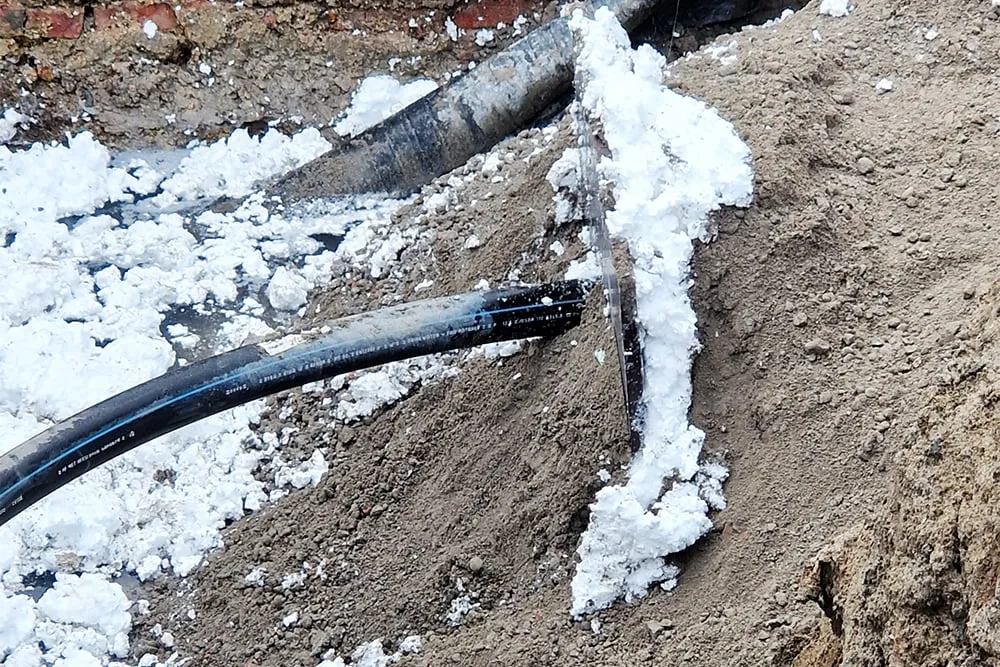
Injecting Benefil into disused sewers using ALV’s method avoids the need to remove them. They are filled with a robust, inert material, preventing settlement over time and minimising the risk of damage to roads or buildings. The product and method can also be used to fill tanks, cellars, wells, … and even lift shafts. Benefil is a Dutch product originally used as a soil improver. The resin is now used to fill voids such as sewers. ALV has been using the method since late 2018. The product is relatively new to the Belgian market.
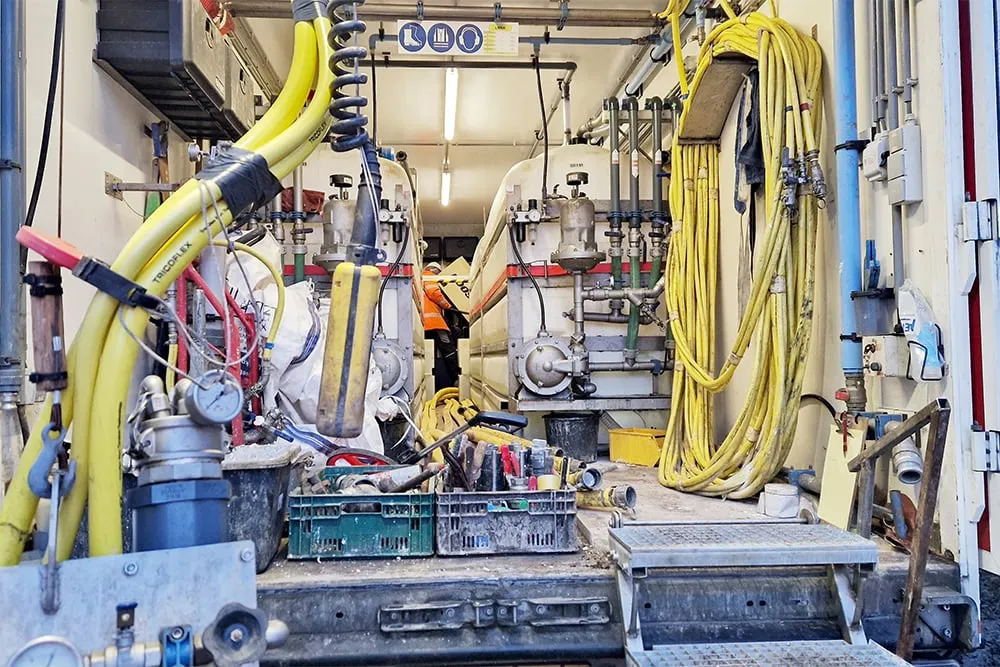
Benefits
A single lorry is enough to fill a space of 160 m³. Filling the same volume would require more than 10 lorry loads of concrete. This significantly reduces the carbon footprint and causes less disruption to local residents. The contractor’s connection instructions are very straightforward, as there is only one filling point and one vent for each length to be filled. These are some of the benefits appreciated by BESIX Infra in Waasmunster. “This was a conventional sewerage project involving the installation of a separate sewer network in a narrow street, where the sewers run beneath utility services for around 500 m,” explains Thierry Fonteyne, Infrastructure Project Manager at BESIX Infra.
“Demolishing the old sewer system was not an option, so traditionally we would have opted to fill it with a cement-based solution. Price is an important consideration for BESIX and, given the sharp rise in the price of cement, we looked for a more cost-effective solution. That is how we contacted ALV. We explored the options and submitted the product for assessment by the client Aquafin and engineering firm Sweco, both of which approved it. ALV’s method adds value in terms of ease of application, as there is only one filling point and one vent.”
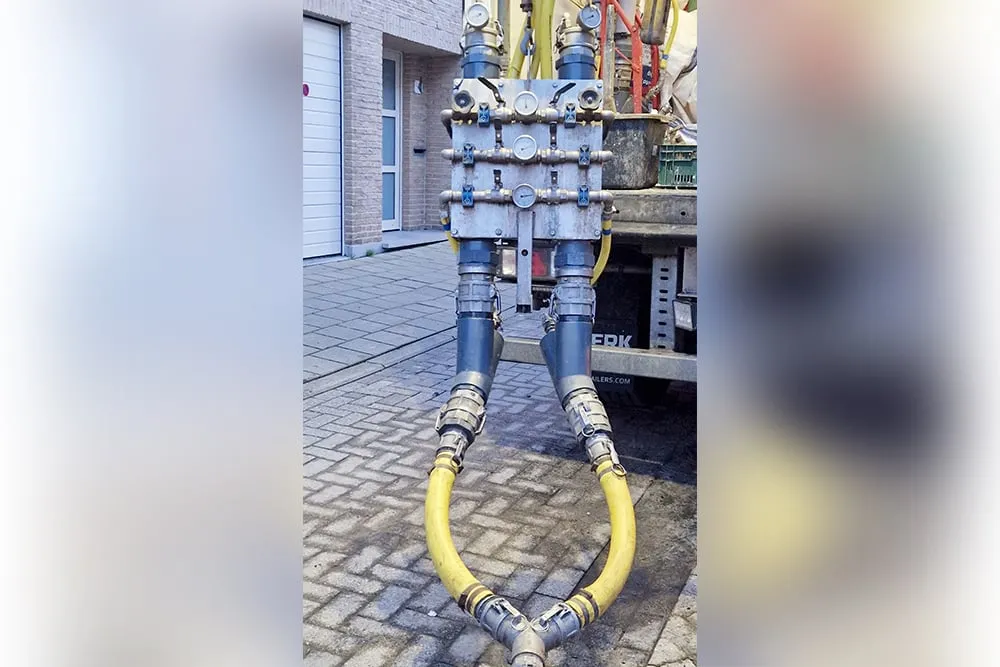
No surplus
The product is prepared on site, keeping surplus to an absolute minimum and avoiding additional costs. Thierry Fonteyne: “When filling with cement, you need a concrete mixer on site and the quantity required is always an estimate. Often, a few cubic metres are either missing or left over, which is not ideal in terms of efficiency or surplus. With ALV’s rigid foam, the quantity can be estimated very accurately. When the foam emerges at the other end, filling stops. The Waasmunster project was BESIX Infra’s first use of Benefil, and it certainly won’t be the last. For the BRAVO4 project and the conversion of the R4 West and East into primary roads in Ghent, we are looking at using Benefil instead of expanded clay aggregate to fill the spaces between the precast concrete panels and the underlying reinforced concrete slab. It is a versatile product.”
ALV recently filled a sewer in Hoboken on behalf of BESIX Unitec. The 400 mm sewer, 148 m long, was filled in a single operation. Preparation, filling and site clean-up took just 90 minutes. For the same client, a 1 km section of DN300 sewer was filled in Kortessem. ALV has the necessary equipment and qualified staff to carry out the work. “We are very flexible with scheduling, do not depend on subcontractors and manage the entire operation in-house.”
Question about this story? Ask your question
Keep following this
Get an email when a new story is published. No account needed.
- ThemeTransforming infrastructure and territories
- SubjectUnderground infrastructure and sewerage