Underground infrastructure and sewerage
Everything you need for rainwater collection and management
Texte Philippe Selke | Photos Superplastic
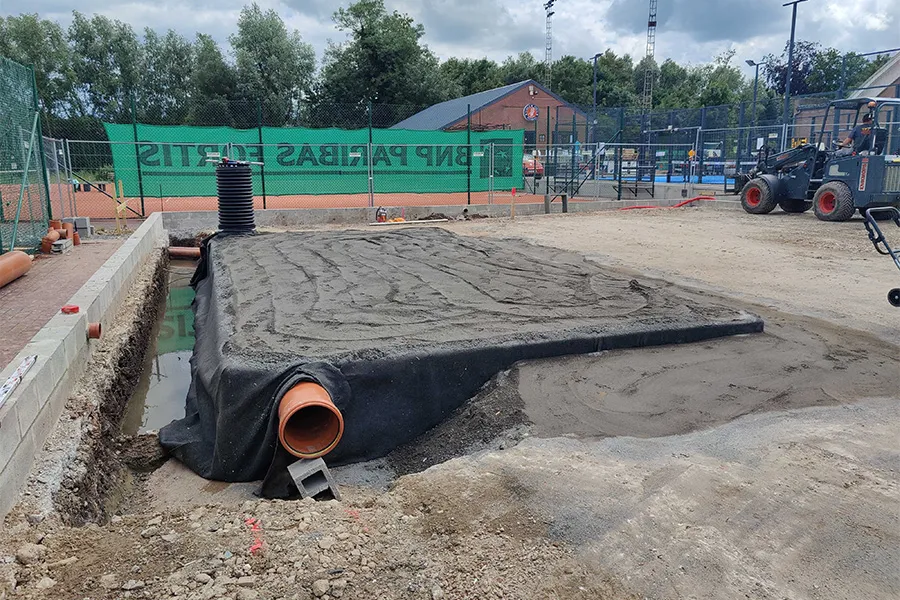
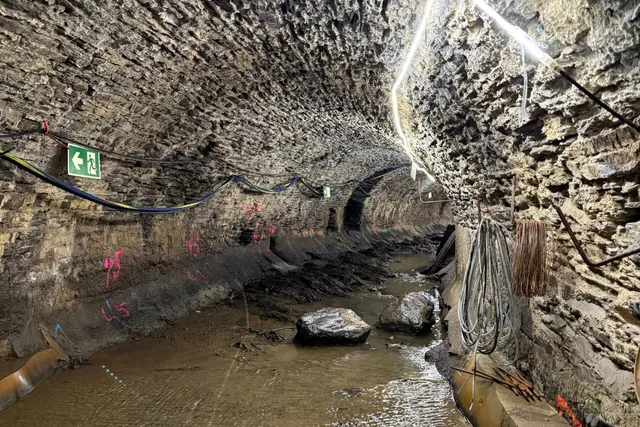
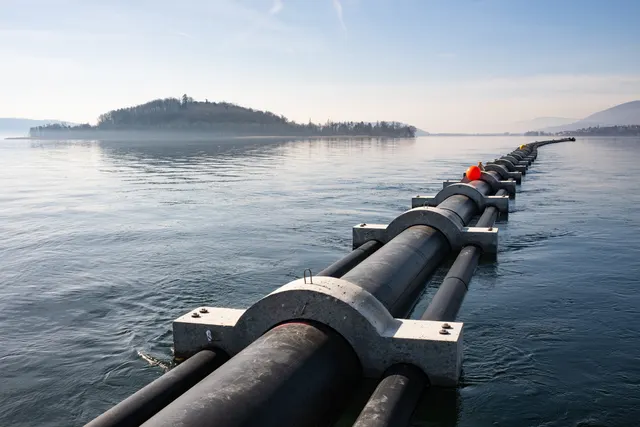
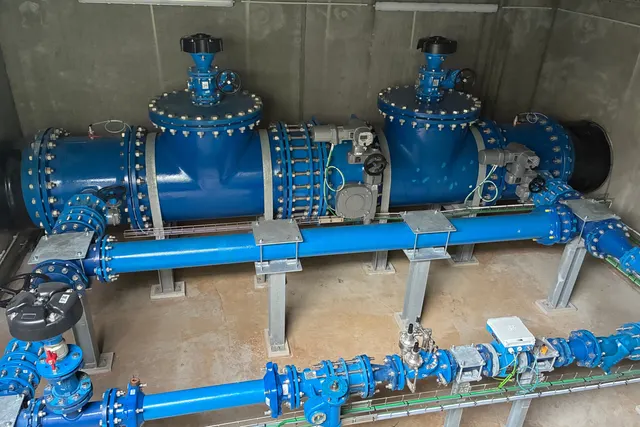
Whether you are a private or public-sector client looking for the expertise and/or equipment to manage rainwater as efficiently as possible, we have just the solution for you: Liège-based company Superplastic offers a wealth of solutions to suit every situation, with excellent service to match! With climate change disrupting weather patterns, it is currently in demand from all quarters to help keep things running smoothly.
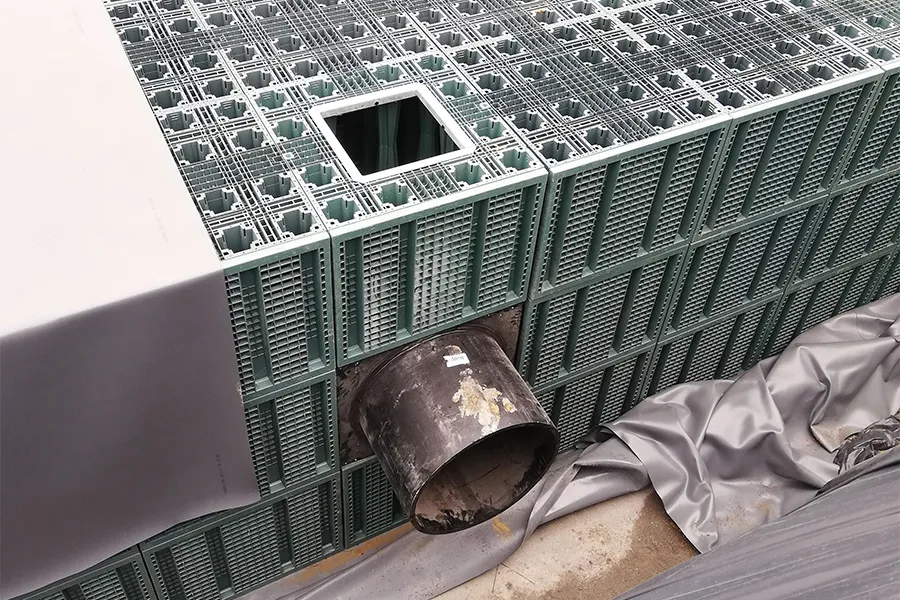
Wastewater management is relatively straightforward, given that volumes are fairly consistent and quantifiable. Rainwater is a different matter. Every major storm reminds us of that, sometimes painfully. We therefore need to plan for the unpredictable, or even prepare for the worst. Above all, we should try to keep as much water as possible on site, using permeable surfaces, for example, to encourage infiltration into the ground. We have already covered some of the solutions developed by Superplastic in this magazine. Jean de Brouwer, Sales Director at Superplastic, explains: «The consultancy we work with assesses risks and flow rates, as well as water management, retention and use. A 5000-litre tank is no longer enough for a single-family home. You need twice that capacity if you really want to use the collected water. With dry spells getting longer, the only option will be to use every drop of what we will increasingly call blue gold.» This calls for proper management of collected rainwater, and Superplastic has both the expertise and the equipment to deliver it. «We are very well placed, with everything needed to meet customers’ needs, including a very broad range of solutions for optimising sewer networks and treating collected water.»
Don’t overlook maintenance
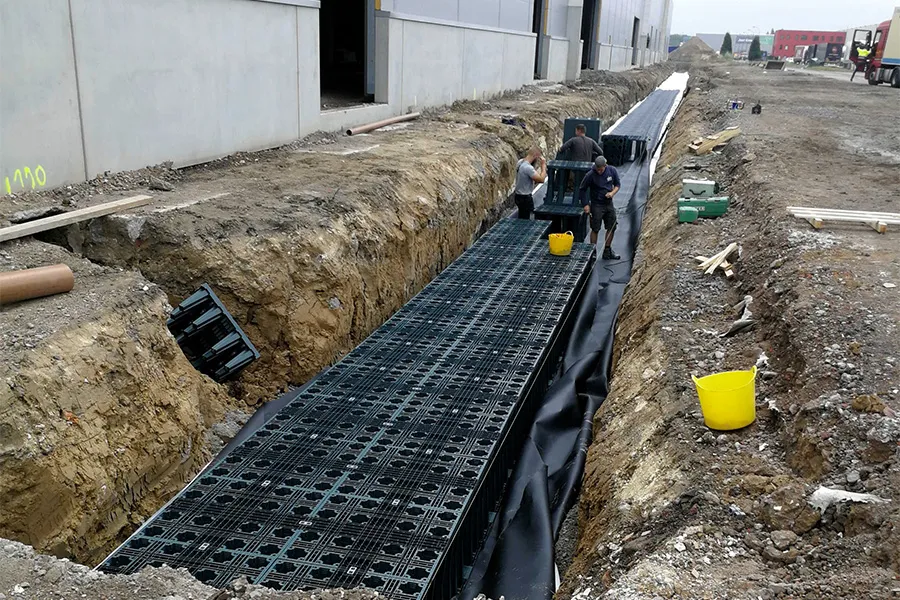
Installing a solution, whether underground or open-air, is one thing. It also needs to be maintained to ensure it continues to work properly over time. Without water treatment, sedimentation will gradually block the stormwater basin. Jean de Brouwer says: «This is clearly where the problem lies: local authorities often lack the resources to carry out maintenance. We offer them low-cost contracts, so they do not have to assign their workers to this laborious but necessary task.»
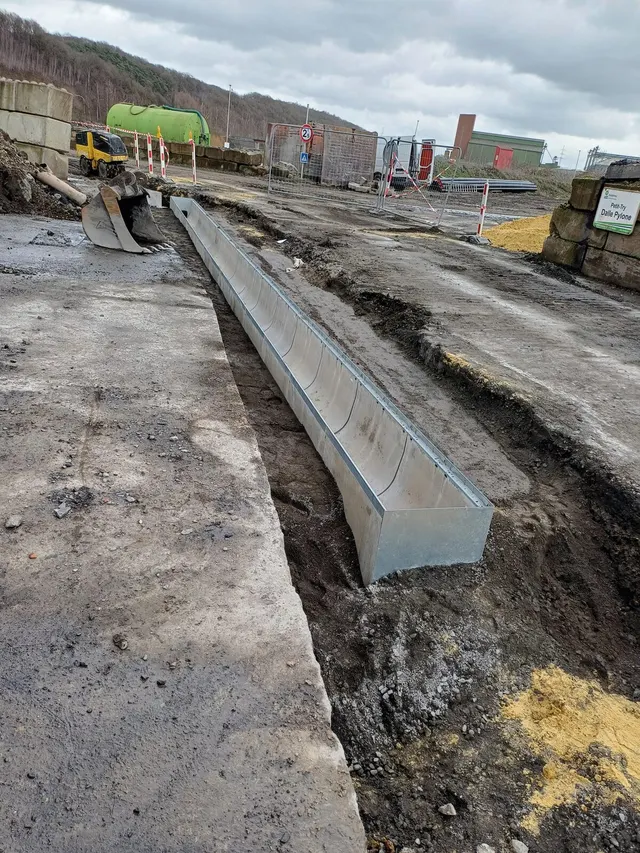
Open-air systems can add real aesthetic value, but they also need maintenance. «In the Grand Duchy, for example, we completed a very attractive project in a housing development, combining aesthetics with functionality. A natural pond was created using a geomembrane, with a constant water level maintained by gullies in the centre that drain excess water into an underground basin below.»
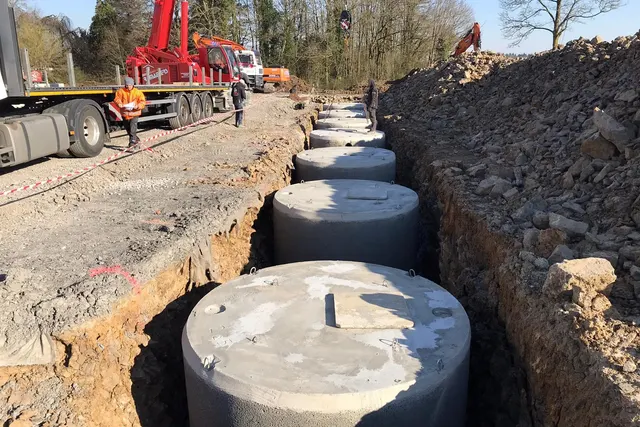
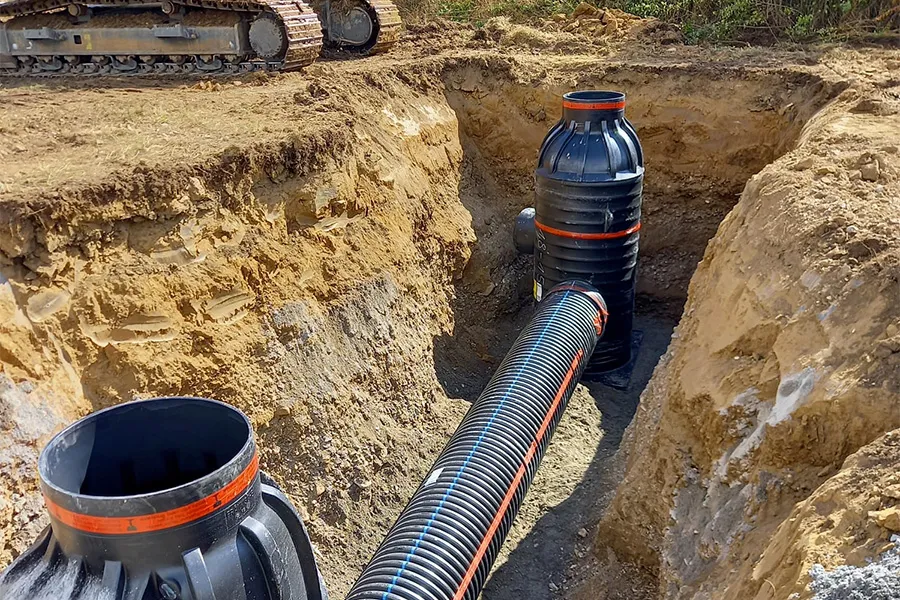
Compared with concrete, choosing a chamber made from synthetic material requires a thorough preliminary study to determine where the pipes will be connected. However, this is more than offset by the product’s light weight, which makes it easier to handle, its exceptional service life and, in many cases, proven recyclability.
Managing the pressure
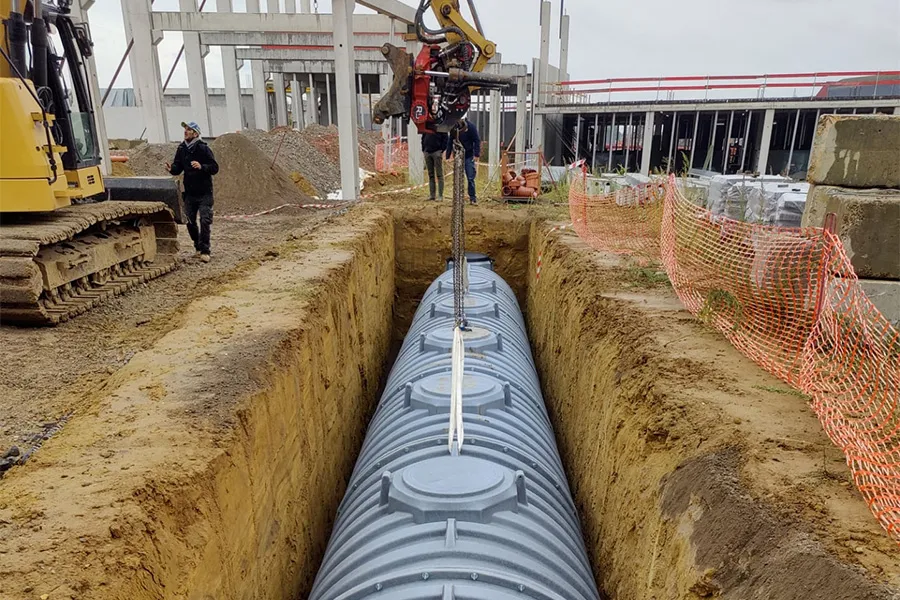
Even with the best equipment, the quality of the solution depends on installation being carried out in accordance with best practice. Contractors responsible for the installation are under considerable pressure. Xavier Cornet, internal sales representative at Superplastic, explains: «All work carried out on public roads is inspected and checked again by endoscopy to ensure everything has been done correctly. Contractors therefore want to be sure of the quality of the product they are installing and how easy it is to install. We are ready to respond at a moment’s notice and provide support where needed, across the full range of products we sell.»
Another kind of pressure is the pressure water exerts on a building’s foundations. Superplastic also supplies all the products needed to address this.
Question about this story? Ask your question
Keep following this
Get an email when a new story is published. No account needed.
- SubjectUnderground infrastructure and sewerage