Underground infrastructure and sewerage
A complete solution for reusing rainwater in urban areas
Texte & photos ACO
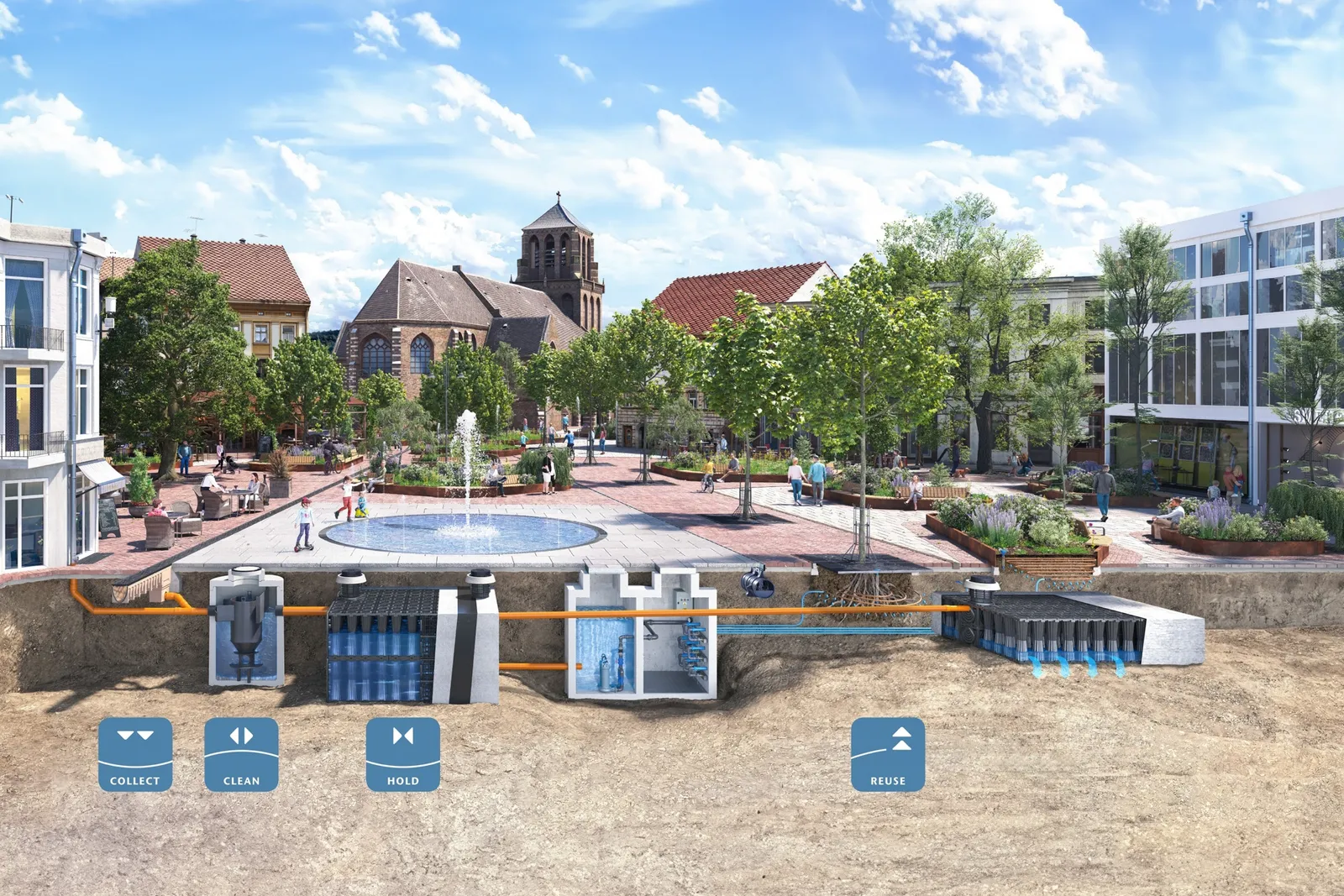
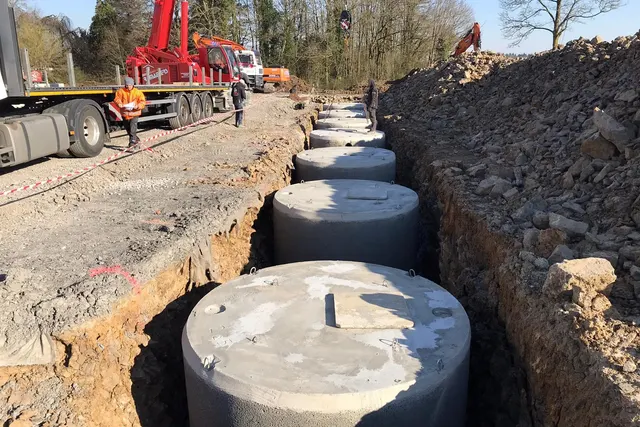
With ACO Green City, ACO has developed a chain for collecting, pre-treating, storing and reusing rainwater, as well as allowing it to infiltrate into the ground. ACO’s smart water management system collects rainwater and treats it for reuse or infiltration. This not only saves water and therefore helps protect the environment, but also cuts costs. These benefits persuaded the Dutch municipality of Raalte, where the town centre was redeveloped and the management of water in public squares was also considered in collaboration with ACO.
In recent decades, planted areas were often edged with concrete and natural stone. Polluted rainwater flowed against these edges and was channelled into the sewer network through gullies or drains, eventually reaching the town’s wastewater treatment plant. The new rainwater regulations of October 2023 require us to retain rainwater, reuse it and allow it to infiltrate on site. To make cities greener, the aim is to direct rainwater straight into green spaces. However, rainwater that falls on a paved surface is still polluted. This polluted rainwater contains heavy metals from brake and tyre wear, as well as hydrocarbons and accumulated exhaust fumes. But even in less busy streets and squares, litter such as cigarette butts, plastics, food scraps and excrement can be found.
ACO Green City offers the ideal solution. “With ACO Green City, we collect rainwater, purify it, retain it and return it to nature,” explains Dries Aerts, Product Manager at ACO. “We do this by watering trees, flower beds and parks and allowing the water to infiltrate on site. This enables vegetation to thrive and fulfil its role in the city.”
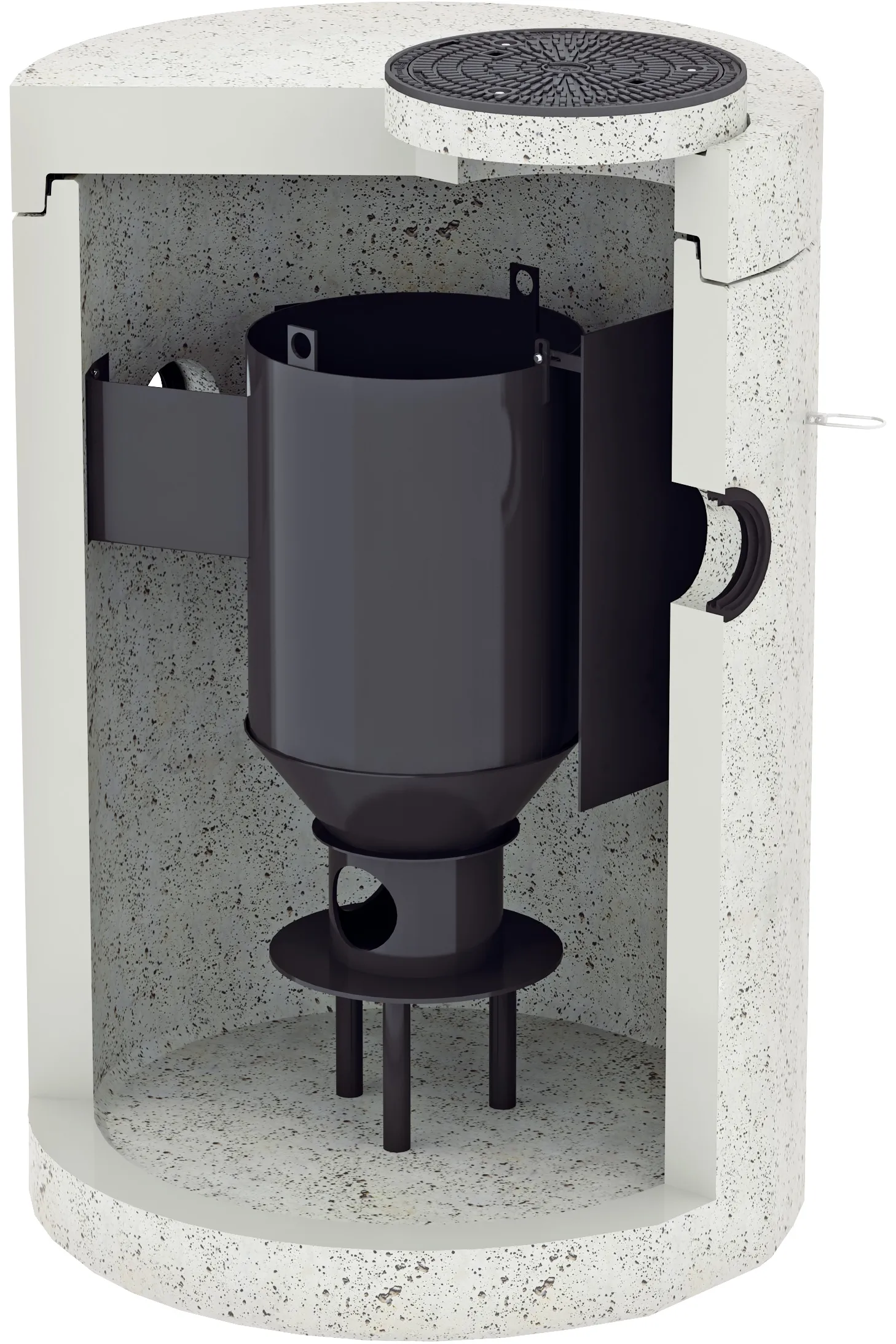
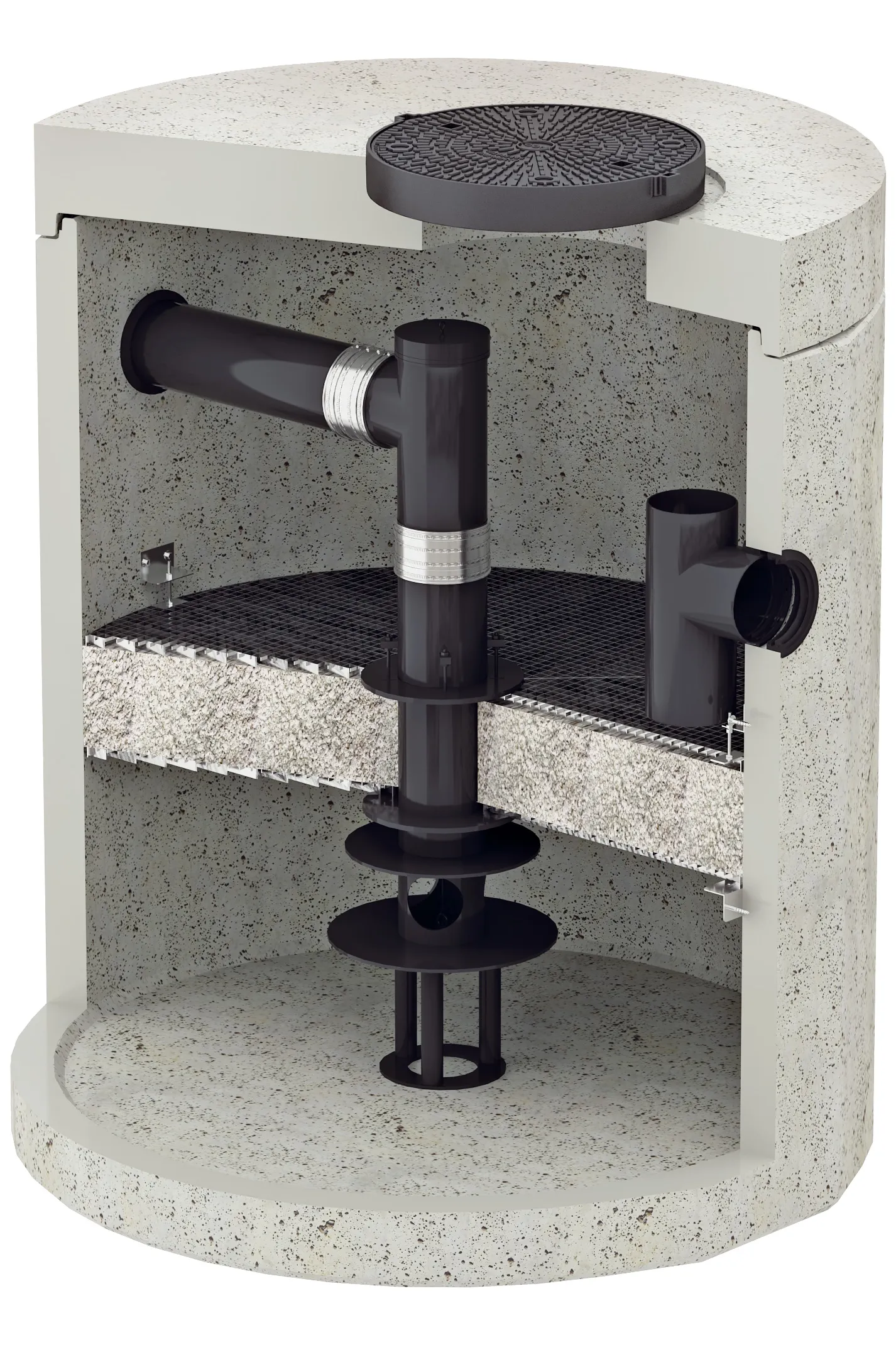
Treating polluted rainwater
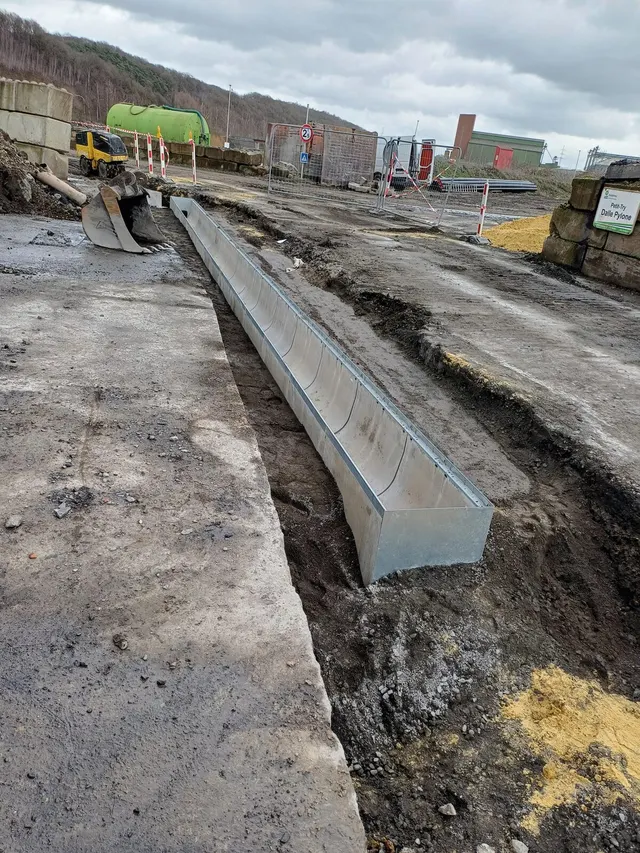
IAA Architecten and ACO joined forces to create a smart water management system for the public square in Raalte. A uniquely designed Corten steel grate, featuring a corn cob motif symbolising Raalte, runs through the centre of the square.
This structure highlights the importance of water in public spaces and provides an original way of defining the different areas of the squares. Its design is based on smart water management. Rainwater is first collected at a higher level and then treated. Smart sensors are installed in the green spaces to ensure plants receive water at the right time during dry periods. When the soil reaches a certain level of dryness and no rain is forecast for the next 24 hours, the rainwater is used to water the plants automatically.
If this polluted rainwater is not treated beforehand, all these substances will spread into the green spaces, preventing trees from growing or making them sick. The soil around the green spaces will become polluted and compacted, causing the death of the micro-organisms in the soil and vegetation. If the rainwater is not treated, the polluted soil will also have to be excavated.
This would be an extremely costly task, as would cleaning up these contaminated soils. Gullies, drains, crates and swales will become silted up and lose their function. What is more, wadis, which often also serve as play and recreation areas, pose a serious danger to children who may come into contact with this pollution.
A solution for every situation
ACO offers the right treatment solution for every situation and can also provide advice. “After it has been collected, treated and stored, rainwater is reused,” explains Chris Beeren, Project Engineer at ACO. “The square or street is divided into different green zones. Each zone is connected to a smart sensor that measures soil moisture. When a sensor indicates that plants or trees need water, an app checks whether rain is forecast within the next 4 hours and whether it will provide enough water. If rain is forecast, nothing happens. Otherwise, the system waters only the zone concerned. This keeps green spaces green, even during long periods of drought (in Belgium, we have an average of 20 consecutive days without rainfall each year).
Return on investment
Cities and municipalities thus save on water consumption and staffing costs, as staff no longer have to go out 25 to 30 times a year to water planted areas. The dashboard developed by ACO provides information on rainwater consumption, the volume of rainwater stored in the retention basin, CO2 savings and costs..
Een zakelijke vraag aan ACO? Get in touch
Companies in this story
Keep following this
Get an email when a new story is published. No account needed.
- SubjectUnderground infrastructure and sewerage
- CompanyACO