“Fire safety is no longer the poor relation”
Texte Tim Janssens et Philippe Selke Photos Pexels
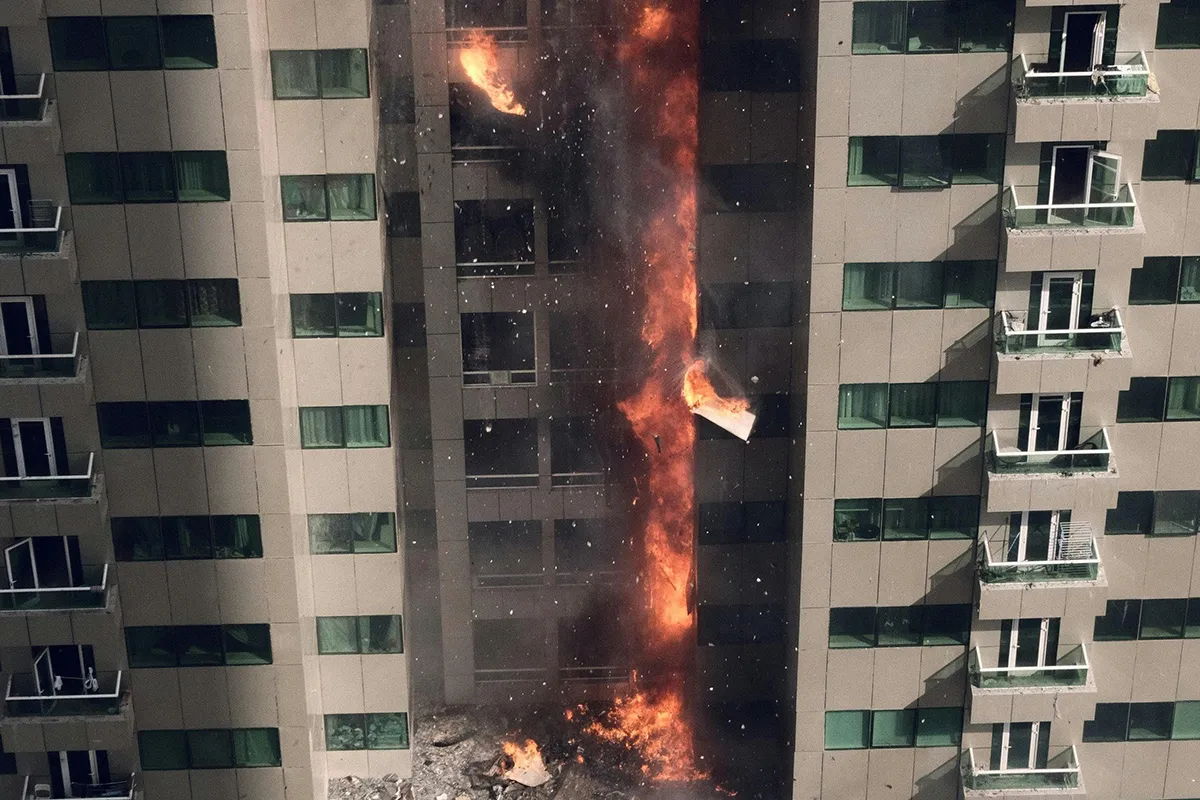
Few areas of expertise in construction are as complex, and for some, downright impenetrable, as fire safety. Our colleagues at Bouwen aan Vlaanderen invited several experts in the field to sum up some burning issues and try to bring order to the chaos. They are Kurt Van Den Bergh, Belux Technical Director at Reynaers Aluminium, Koen Van Gasse, Senior Product Manager at Soudal and Vice-President of the PFPA (Passive Fire Protection Association), Steven Paulussen, Managing Director of Houthandel Paulussen, and Danny Jonckheere, Business Manager at Fire ! doors & projects.
Long seen as a necessary evil, fire safety has become a strategic priority in the construction sector. It is no longer just about complying with standards, but also about enhancing a project, an approach and a reputation. As Steven Paulussen points out, “manufacturers and construction companies now use it as a competitive advantage”. This is all the more remarkable given that, for decades, fire safety was neither highly visible nor well explained.
Regulations are now more demanding, particularly on the reaction to fire of façade materials, with several tragedies prompting tighter requirements. And industry professionals are no longer left to fend for themselves: Buildwise technical sessions, practical guides, design support tools… The range of guidance has expanded, and that is far from a luxury given how complex the subject remains.
Workmanship remains the Achilles’ heel
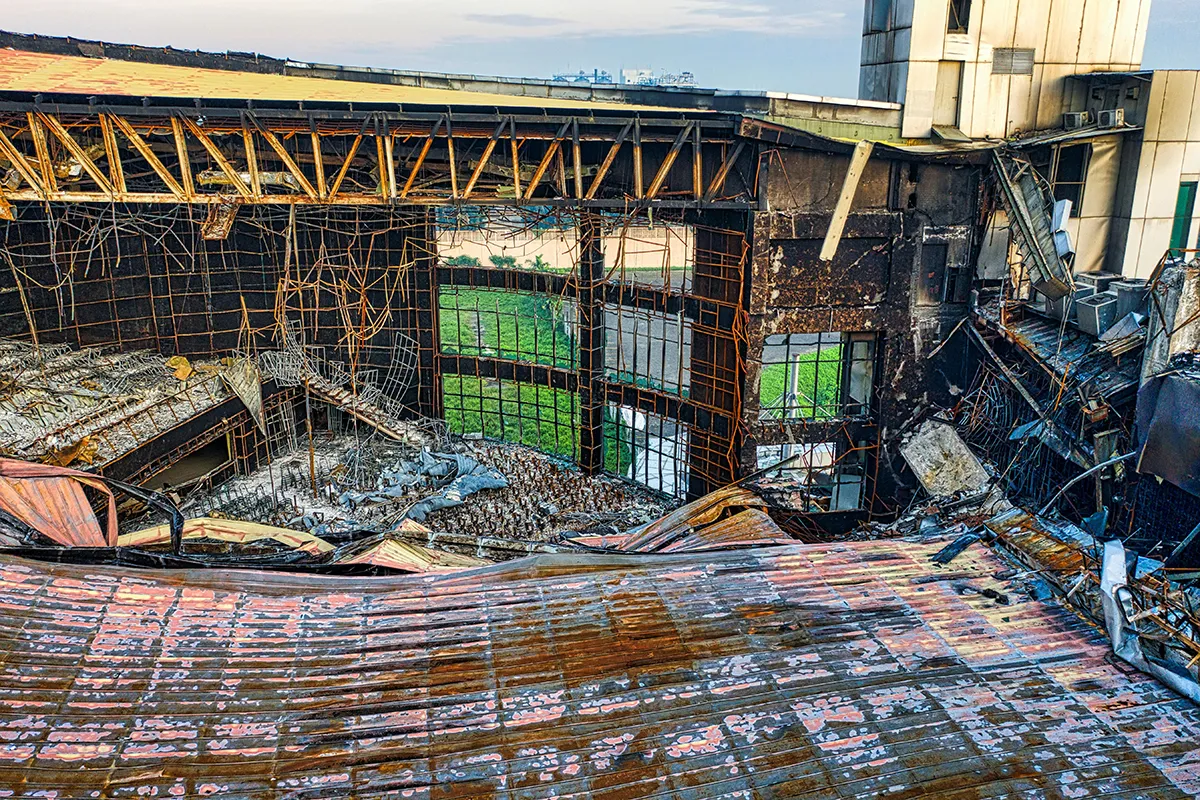
Designing a fire-resistant building on paper is one thing; building it correctly is another. All the experts interviewed identify the quality of workmanship as a recurring weak link. Poorly applied foam, botched sealing, excessive gaps beneath doors… it is often details invisible to the naked eye that undermine the whole system.
Danny Jonckheere speaks of “basic mistakes” that nonetheless continue to crop up on site. Steven Paulussen points to a structural tension: “We design almost perfect systems, but they are often installed in a hurry.” And even when the manufacturer or specifier requires certified installers, that rigour can slip by the end of the chain. Koen Van Gasse is under no illusions: “For practical reasons, these installers sometimes use subcontractors. That is where quality assurance starts to erode.”
The conclusion is clear: without tighter controls, the best intentions come to nothing. Air or water tightness can be measured and checked, but fire safety? Much less so. Hence the call for more systematic, independent inspections.
Better training, more inspections, ongoing maintenance
The future of fire safety is also shaped in the classroom. According to Koen Van Gasse, initial training is woefully inadequate: “In five years of architecture studies, fire safety may get barely an hour… yet the architect remains jointly responsible for that safety for ten years!” The same shortcomings affect carpenters, electricians and façade installers. The whole foundation of basic knowledge needs to be raised.
Another overlooked link is maintenance. What has been well designed and correctly installed can become ineffective over time without proper follow-up. Few clients consider whether fire protection measures will remain effective in five, ten or twenty years. Yet fire-resistant products need periodic inspection, particularly service penetrations and fire doors, as Kurt Van Den Bergh points out.
There is also a serious lack of recognised experts to provide advice. Since the closure of the ISIB, the sector has been waiting for a successor. If there is no alternative, why not take inspiration from the French model, where a control body also takes on the fire safety role?
Collaboration is key to effective fire safety
While the challenges are many, there are also plenty of reasons for optimism. Overall standards have improved significantly, awareness is greater and regulations are moving in the right direction. Above all, roles are becoming better aligned: suppliers are being heard more, involved in working groups, and advice is flowing more freely between manufacturers, designers and installers.
But the key is cross-sector collaboration. As Koen Van Gasse puts it, “everyone has their own area of expertise, but fire safety can only be effective if the whole chain works.” It is this all-encompassing approach, from the product to its installation, and from the design to maintenance, that ensures a construction system genuinely protects. The ambitions are certainly there. Now they need to be translated into consistency, rigour and continuity.
Question about this story? Ask your question
Companies in this story
Keep following this
Get an email when a new story is published. No account needed.
- ThemeBuilding and site safety and security
- SubjectFire safety
- CompanyReynaers Aluminium