Liège Province invests in preserving and showcasing its historic heritage
Texte Province de Liège – Direction générale des Infrastructures et du Développement durable Photos Province de Liège – Dép. Comm.
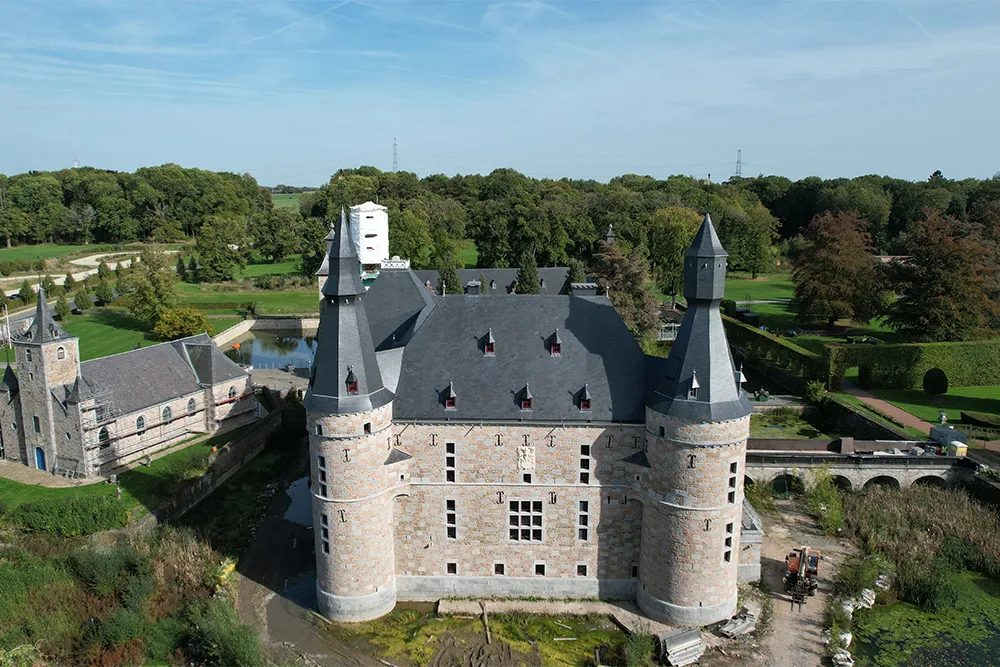
Owned by Liège Province since 2000, the majestic Château de Jehay gradually began to show signs of “structural fatigue”, leading to its closure to the public in 2013. Following several years of preliminary studies, a major restoration project began in November 2017. This first major phase was completed in October 2023, but Liège Province continues to commit financial and human resources to preserving this unique witness to history, while inviting the public to discover it during the restoration.
For several years, Château de Jehay had been in need of a thorough inspection of its ageing fabric: the list of wear and “minor defects” kept growing, with no clear solutions in sight.
Into the unknown
Unlike the construction of a new building, renovating an old one is an exercise fraught with unknowns. An architect drawing up a wall knows exactly what it is made of and therefore what it can support. By contrast, when the wall is already there, the project manager cannot simply certify its quality.
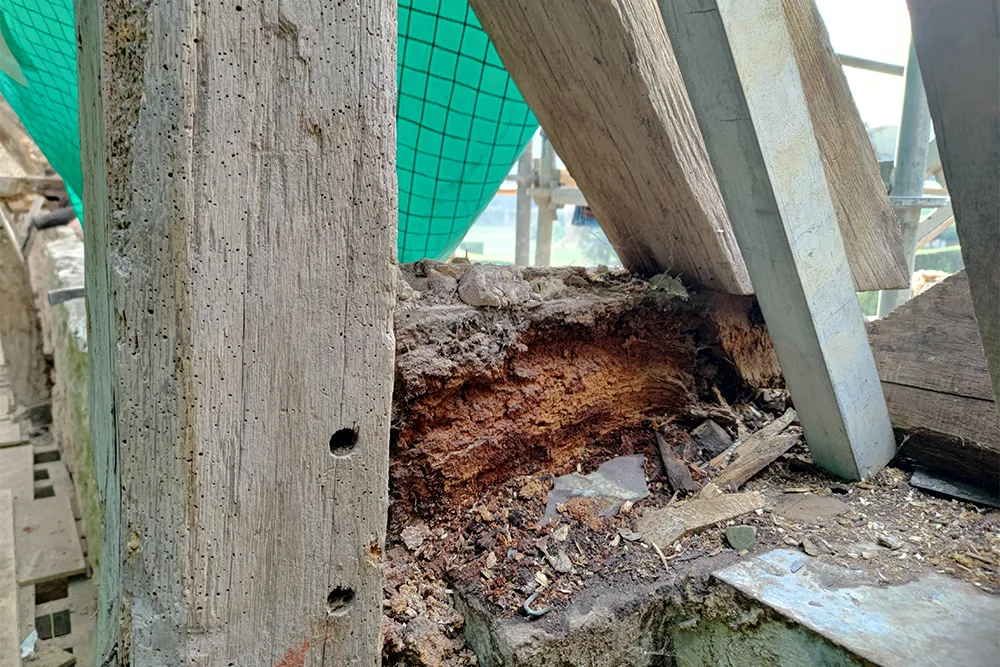
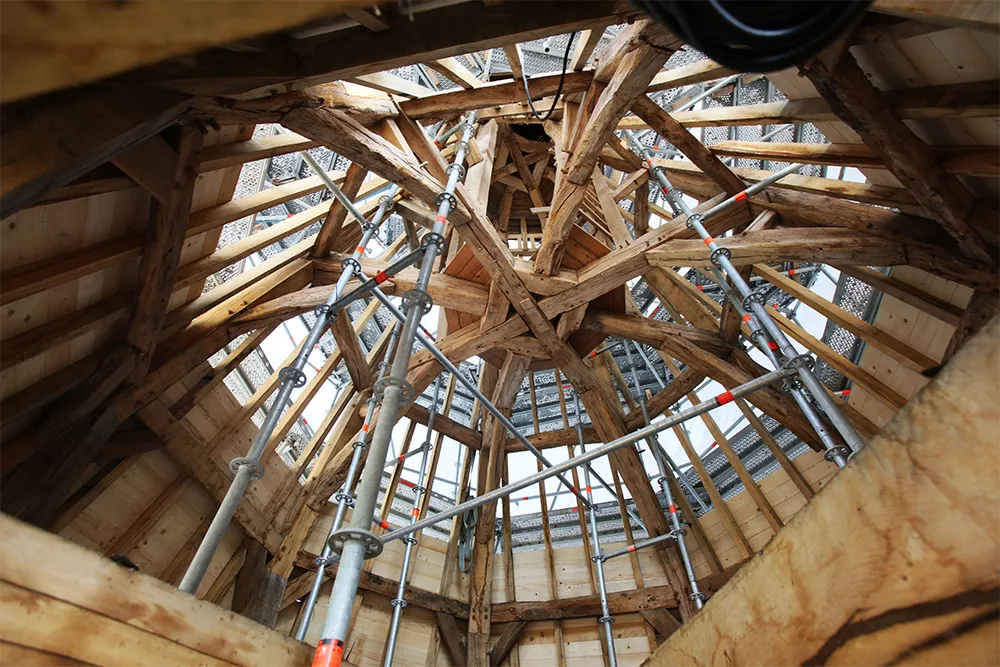
The first step was therefore to establish the building’s history and the history of its defects. To this end, numerous preliminary studies were carried out over several years: the incomplete original plans were updated and supplemented; the timber structures underwent stability assessments, phytosanitary surveys and dendrochronological analysis; a geodetic survey, core sampling and a structural inspection were carried out on the façades and their foundations; and a petrographic study added to our knowledge of the château’s history. The findings from these different approaches gradually confirmed the need for major restoration work.
A legacy for future generations
Liège Province gave careful thought to the future it could offer this unique heritage site in Wallonia. Beyond the financial question, the main issue was to establish why a major investment might be justified. The principles of critical restoration and plain common sense dictate that funds should be invested only where there is a tangible objective that respects the heritage. Liège Province ultimately decided to take on the challenge, tackling the property and its defects on behalf of future generations, with the aim of passing on a sound public asset capable of standing for centuries to come. It was also an opportunity to create a hub of expertise in traditional construction and introduce it to specialists and the general public.
Bringing old and new together
A comprehensive restoration plan was drawn up by Liège Province’s in-house teams in collaboration with the AWaP. Numerous contractors and consultancies helped to build a better understanding of the property by carrying out preliminary studies and preparatory work on site. The aim was not simply to “repair” an old property, but also to bring it into the present day and meet today’s requirements for safety, comfort and the preservation of its exceptional furnishings. The challenge was to create a successful blend of old and new, avoiding the jarring contrast of the new against the centuries-old.
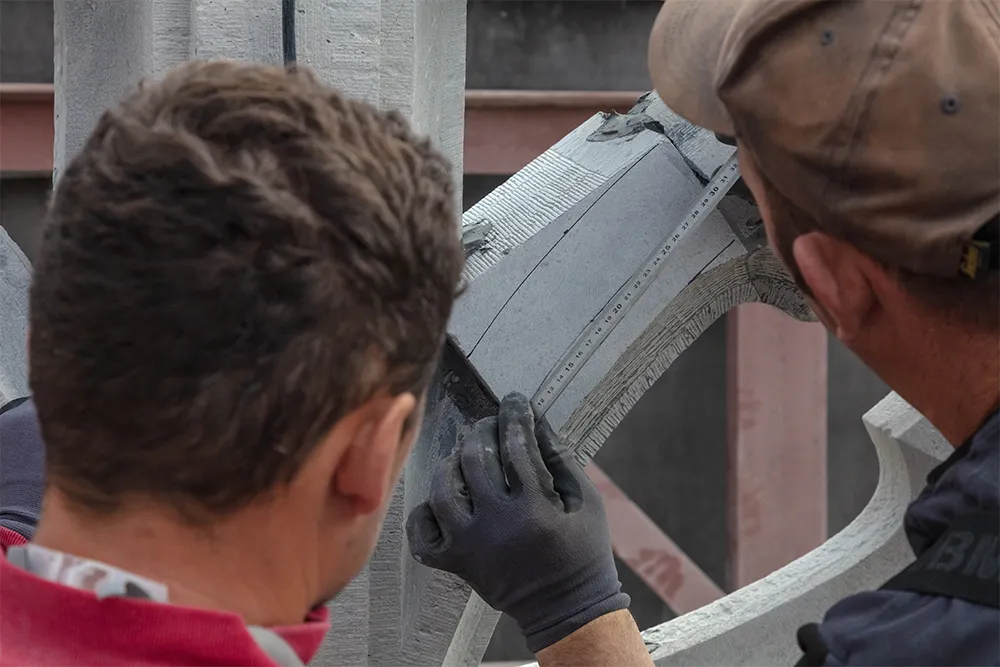
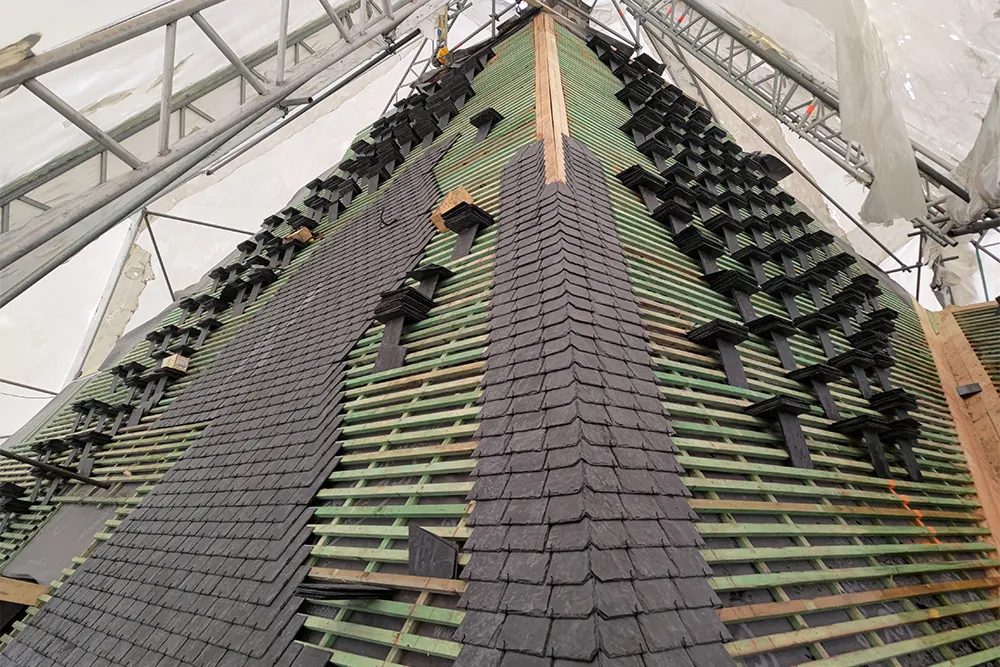
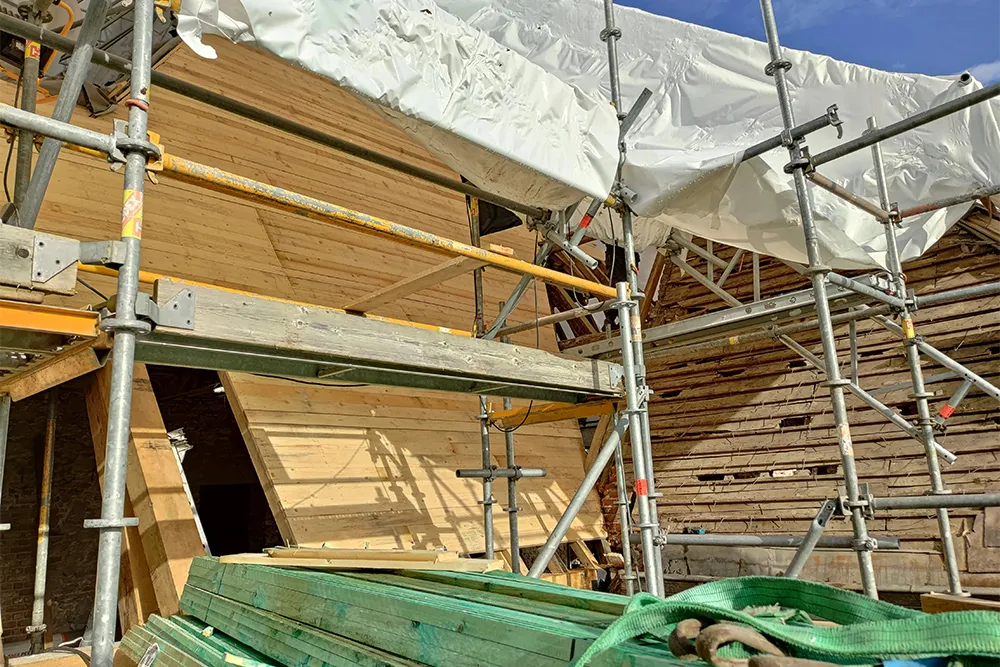
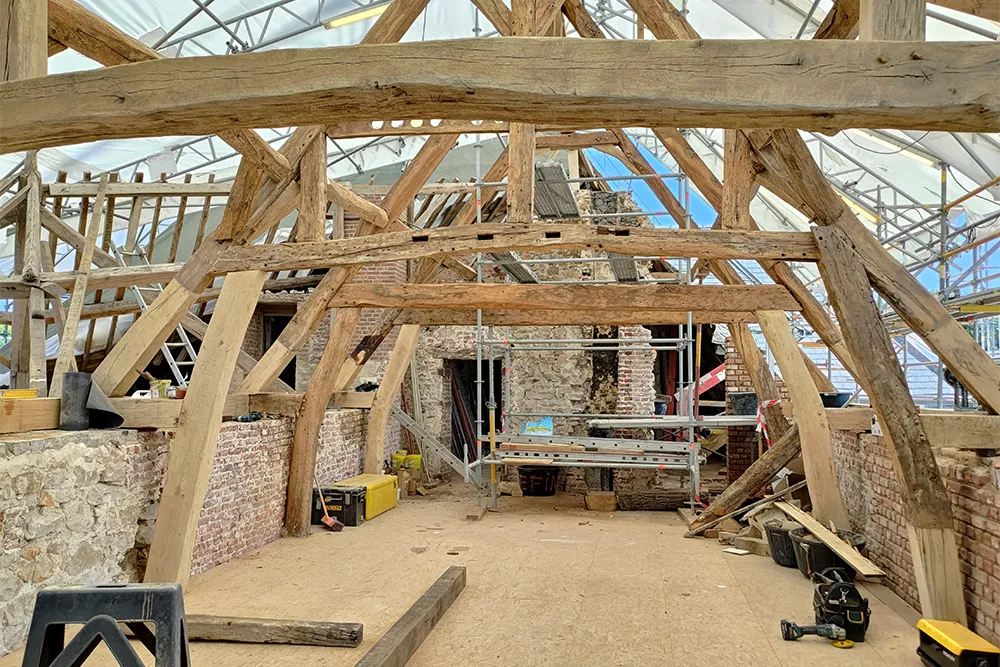
Work to restore the load-bearing structures finally began in November 2017. It progressed at a pace dictated by the constraints of the moats, the use of traditional materials, unexpected discoveries and the adjustments needed along the way. The tender documents required companies to use skilled craft labour, in order to promote and ensure the quality of both traditional and contemporary techniques. “
A range of craftspeople
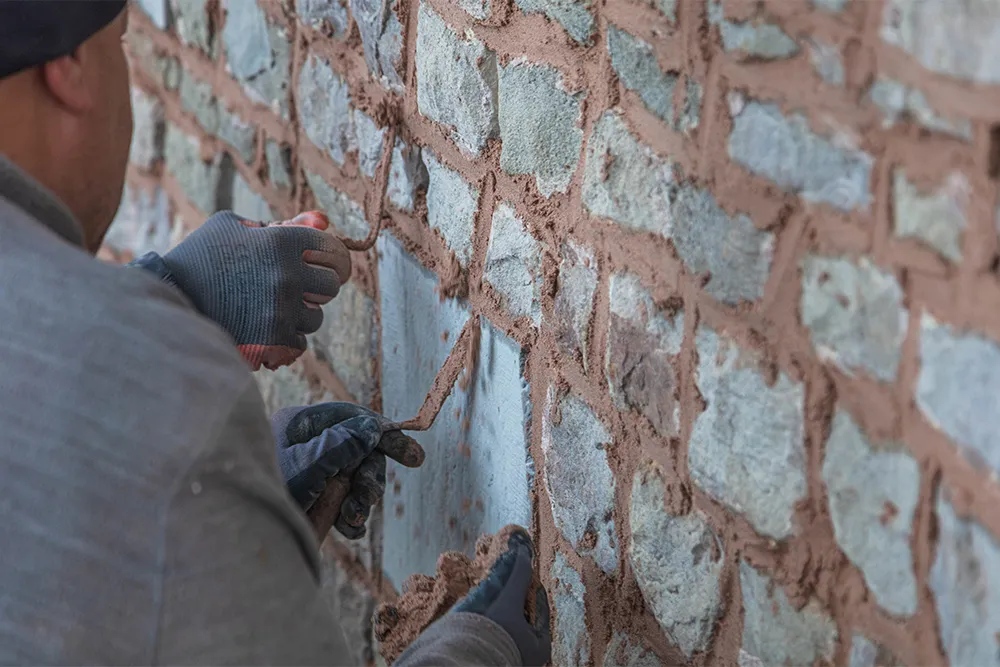
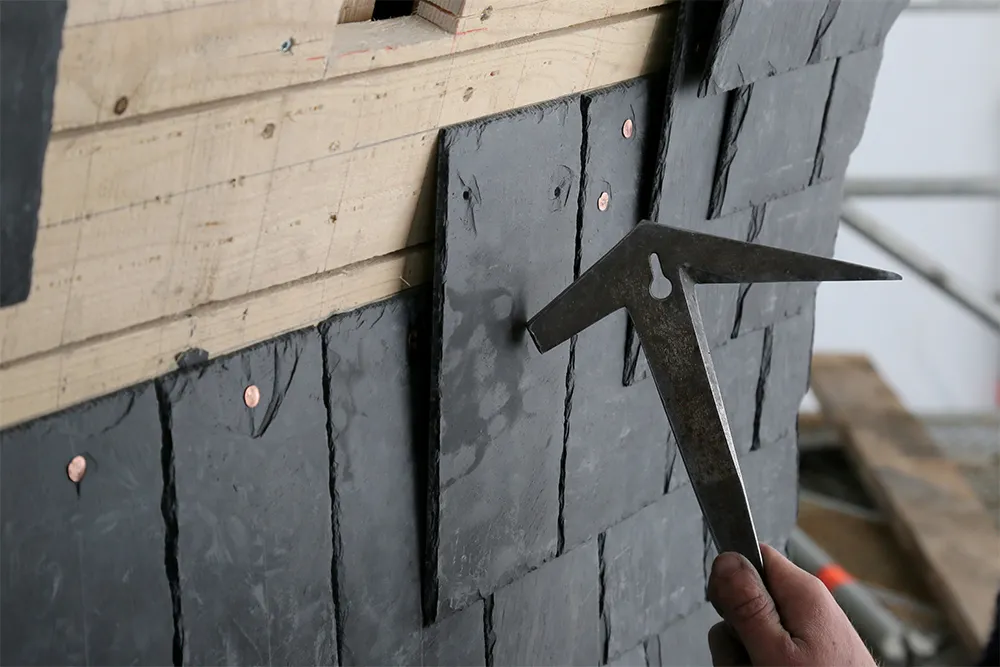
The range of professionals involved brought a wealth of insight to every stage of the project. A multidisciplinary team dedicated entirely to the château was on site, including carpenters, roofers, joiners, masons, stonemasons, metalworkers, historians, architects, surveyors, site managers, engineers, technicians, AWaP staff and representatives of the Commune. The quality of the restoration itself depended on the collaboration and rapport between these skilled professionals. Given the breadth of knowledge and expertise involved, it was important to listen to every point of view. It was a genuine human experience, with each trade learning from the others.
A successful project, with more to come
Although this first major restoration was completed in October 2023, the Province’s commitment to this heritage site remains undiminished: further restoration projects are being prepared or are already under way, while guided tours continue to give the public access to the site. The aim is to present and showcase regional expertise, with respect for and a love of historic buildings.
Château de Jehay therefore continues to evolve, with the general public as witnesses and craftspeople as the driving force. All this is done with the respect and humility befitting this monumental witness to our history, in whose shadow we are merely modest, passing contributors.
Question about this story? Ask your question
Keep following this
Get an email when a new story is published. No account needed.
- ThemeRenovating existing buildings
- SubjectProjects