A champion of local craftsmanship
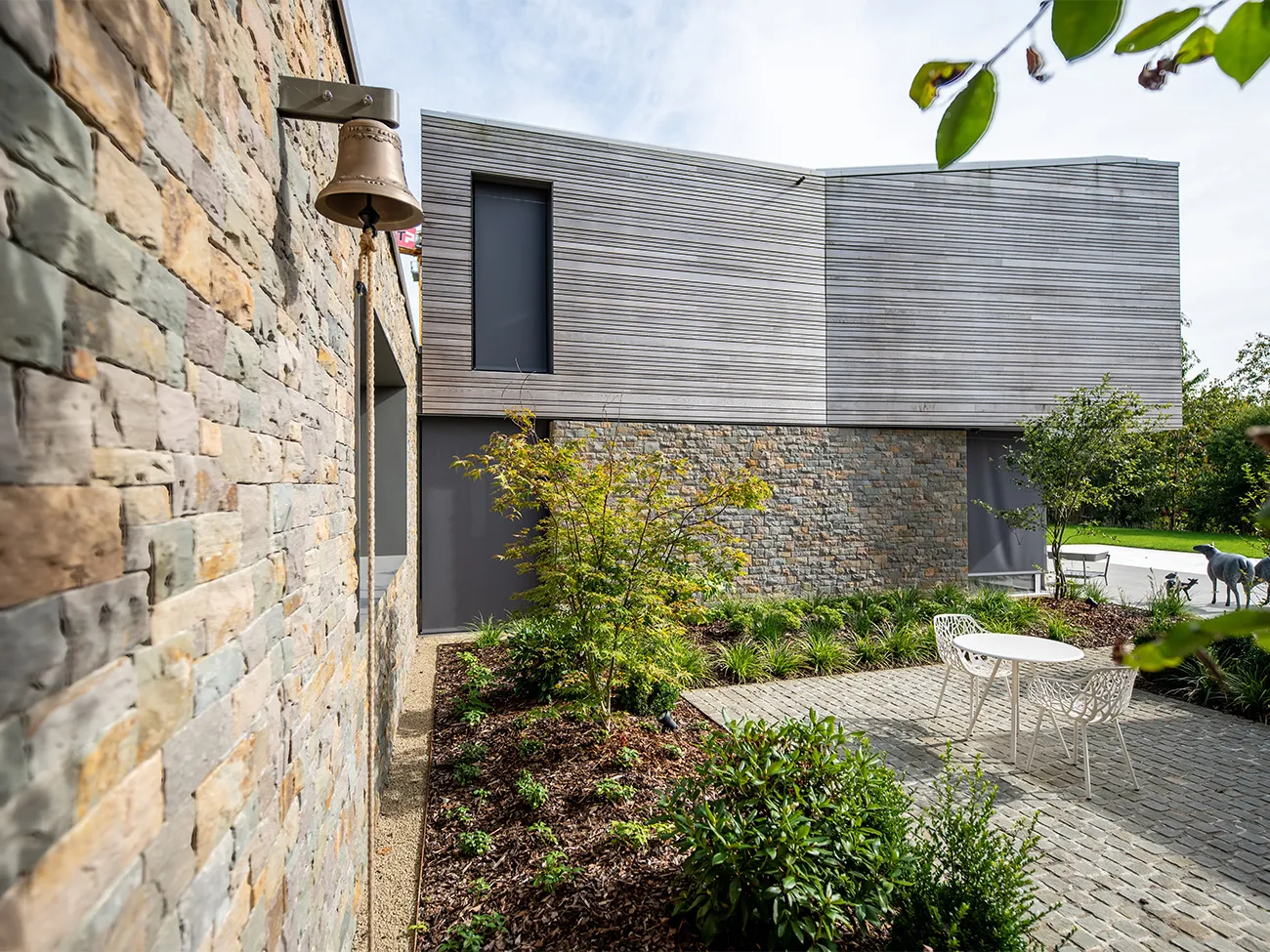
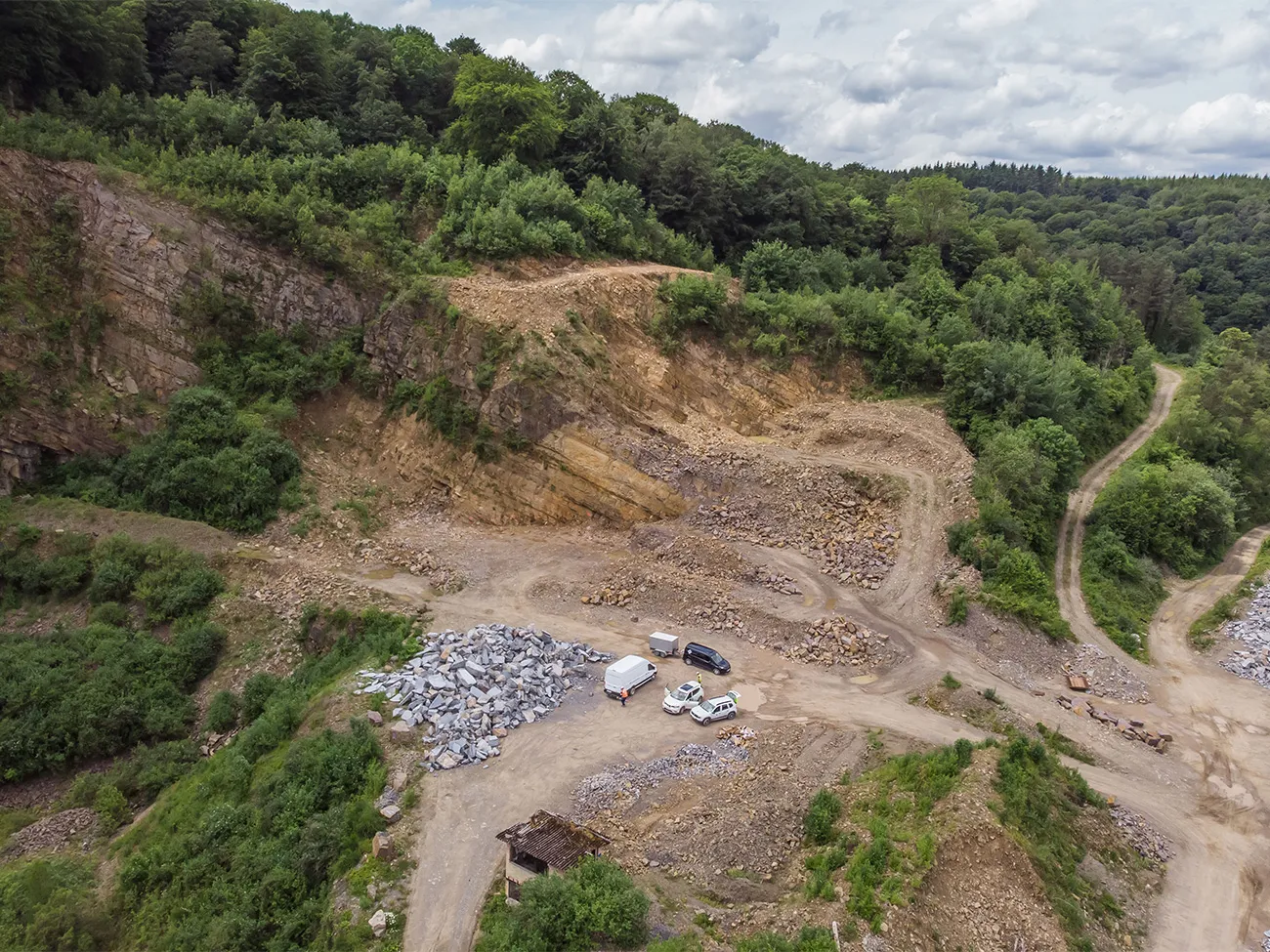
The Carrière de la Heid de Barse, in operation since 1901, lies on a hillside beside the Ourthe, just outside Poulseur and a stone’s throw from Sprimont. Known as « Carrières Thomas », the site has been run by Christian Mancini since the late 1990s and can now count on the support of the Eloy group. A small team of craftspeople extracts local sandstone and works it to supply a wide range of construction professionals.
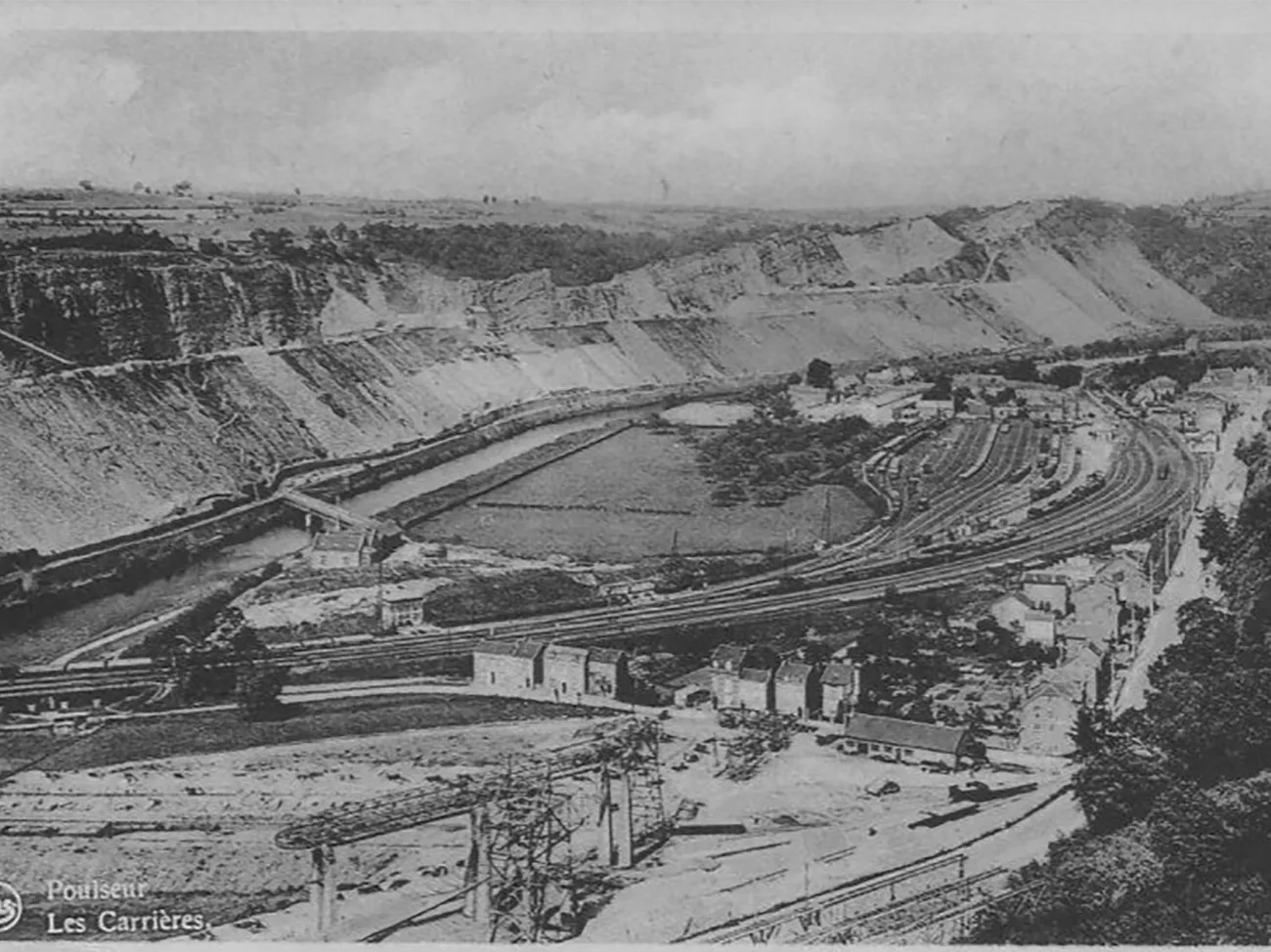
Poulseur is quarrying country par excellence: at the beginning of the last century, its many local quarries employed up to 2000 people. Today, they can be counted on one hand and employ just under 30 people between them. Activity has gradually declined, squeezed by foreign competition and concrete reconstituted products, and has become confined to the production of decorative stone. Yet unique expertise remains, and the products are highly valued by clients, architects and municipal planning officials, among others. Christian Mancini was looking for a solid partner to help him maintain and develop « his » quarry. The Eloy group stepped up, with the shareholders and management of the Sprimont-based company holding local roots and proximity as core values.
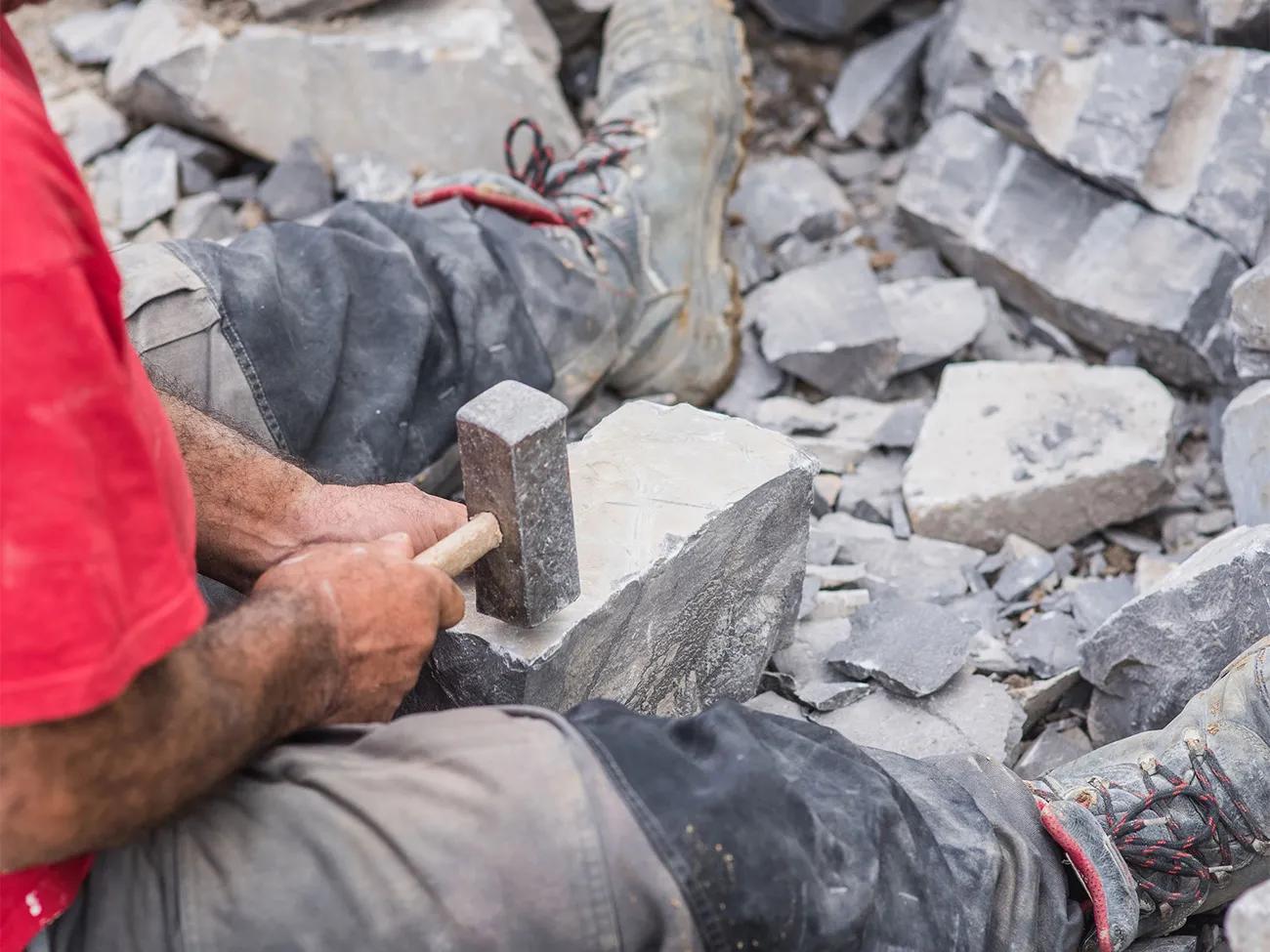
Quarrymen and stonemasons
Eloy clearly took a shine to this local craft business, which was looking for new opportunities to ensure its future. By bringing it the reputation of its brand, some of its expertise, its contacts and work on its own sites, the group saw that it could help develop the quarry in synergy with its own activities.
Christian Mancini: « Until now, our main activity has been producing building rubble stone. We do more than extract stone: we shape it and lay it. All 6 members of the team are trained as stoneworkers, more specifically stone dressers, but one of them had trained as a bricklayer and taught two of his colleagues the craft of stone masonry. So I can call on multi-skilled teams, covering everything from extraction and shaping to laying. »
A wide range of outlets
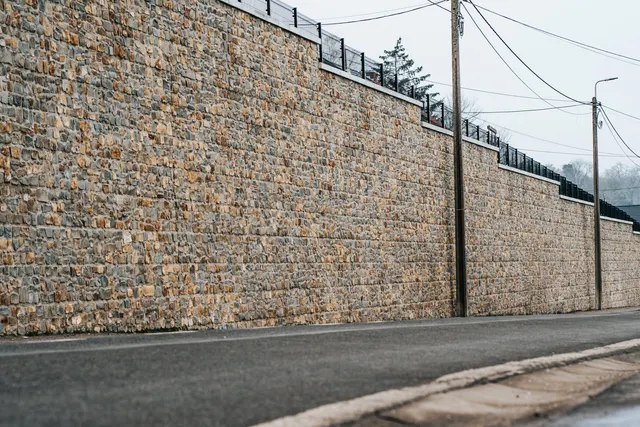
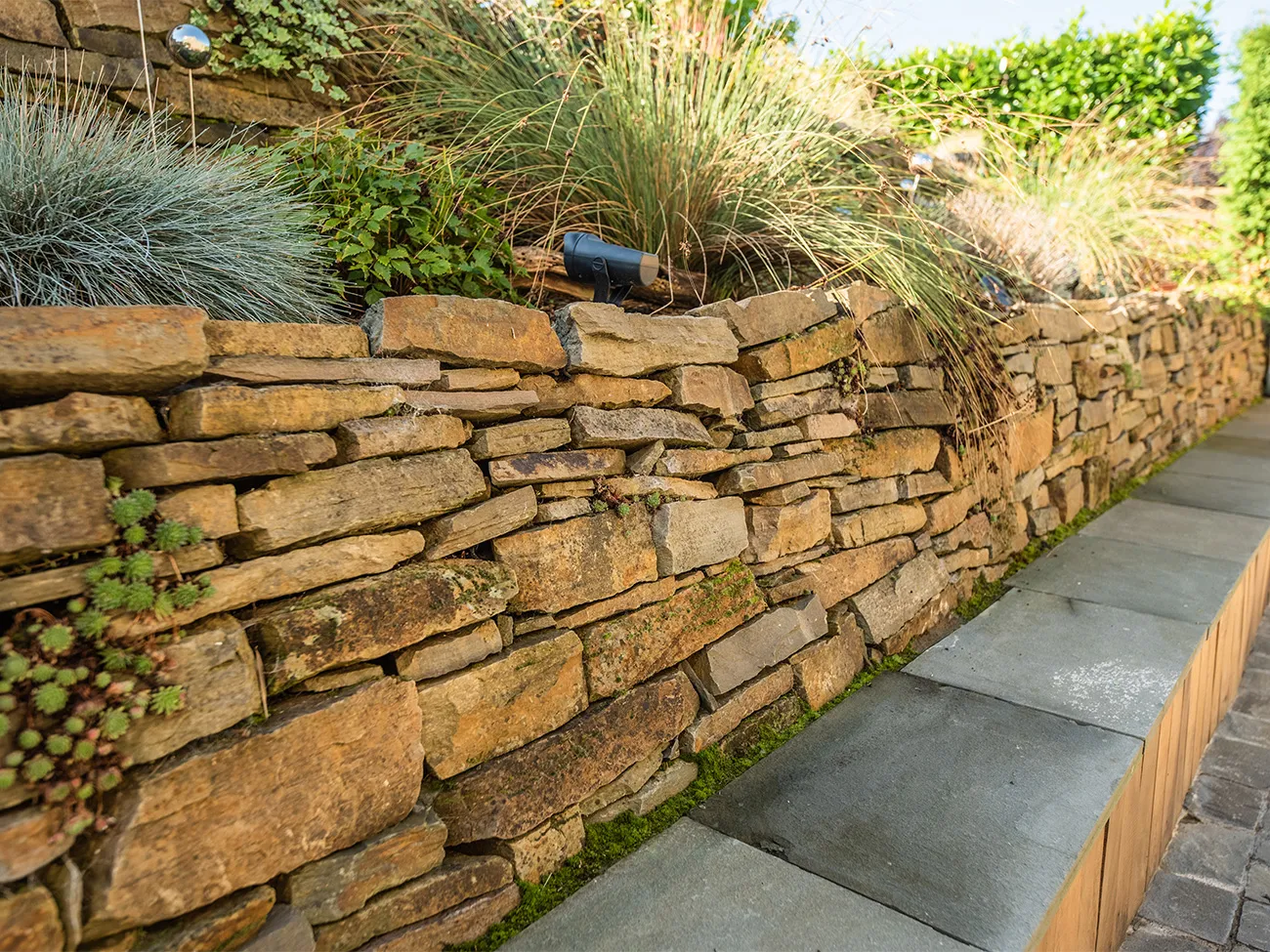
Architects, contractors and private clients, among others, come to the quarry to choose their rubble stone. The quarry also produces decorative garden stone, particularly for dry-stone walls, as well as slabs and paving stones that are popular for paths and patios. Production of rock armour was naturally at full capacity last year, stabilising riverbanks after the floods. There is also strong demand in the Netherlands, for the construction or reinforcement of dykes. Christian Mancini: « Eloy has given me the capacity to serve markets like these, because you need to be able to deliver when you are dealing with such volumes. »
Producing crushed stone for infrastructure projects is not yet a regular activity, but could become one on a small scale, since the future of any quarry depends on making the fullest possible use of its stone resource. Christian Mancini: « At present, I exploit only 60% of the potential. It is not viable in the long term to stick to the romantic image of the artisan stonemason. You need to be able to process the entire product. »
Municipal planning requirements increasingly include a decorative element in a specified type of stone. General contractors faced with these requirements can call on the Carrières Thomas team if they do not have a specialist installation crew of their own.
Careful extraction and reuse
Another way to create synergies with Eloy’s core activities is to recut products recovered from demolition work on the general contractor’s projects, giving them a second life. This is particularly true of bluestone. The recovery of « construction waste » is very much in the spotlight, especially since material prices soared.
Set back from the village, the quarry causes little disturbance. Its carbon footprint is negligible, since almost everything is done by hand. It should therefore have little difficulty meeting the sustainable development targets, covering the 3 dimensions of social responsibility, ecology and long-term viability, that Eloy is drawing up for all the group’s activities. One key target is to reduce the group’s environmental impact by 30% by 2027.
Question about this story? Ask your question
Keep following this
Get an email when a new story is published. No account needed.
- SubjectProjects