











To promote emerging decarbonisation solutions, Batimat creates the Low Carbon Construction area
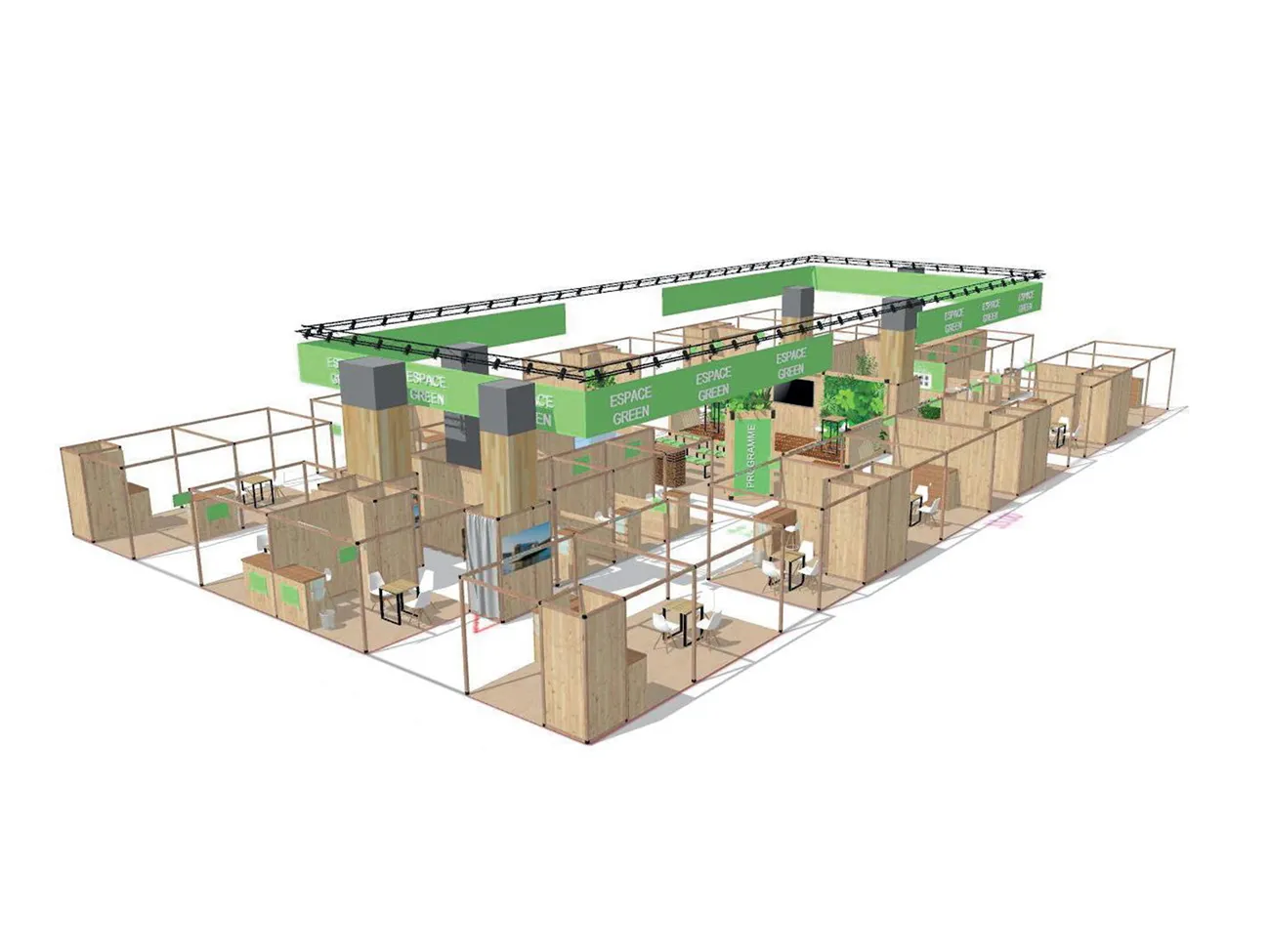
The 2022 edition of BATIMAT, organised by RX France, will for the first time showcase emerging solutions for building decarbonisation in the brand-new Low Carbon Construction area. Designed in partnership with Construction 21, this 600 m2 area will offer visitors the chance to discover the full range of products available in this rapidly expanding market. Dedicated conferences, a themed trail and demonstrations will complement the exhibition. Ahead of the unprecedented inclusion of this topic at the trade fair, which will take place from 3 to 6 October, BATIMAT is launching a series of information resources today, including podcasts and white papers, available on Batiadvisor and Batiradio.
As a showcase for innovation and the issues facing the sector, BATIMAT aims to promote all the solutions and products offered by industry players in the field of building decarbonisation. To this end, a major initiative has been launched in partnership with Construction 21 to jointly develop relevant content, available before and during the trade fair. The aim is to address the real concerns expressed by tradespeople and specifiers visiting the event, who are looking for precise information on environmental issues. Five themes have been selected under the heading “Low Carbon Construction”: bio-based and geosourced construction materials, for both renovation and new build; recycled construction materials; biodiversity, from buildings to urban areas; reuse; and frugal construction.
A low-carbon world at the heart of BATIMAT
Located at the very heart of Hall 1, BATIMAT’s Low Carbon Construction area will showcase solutions and materials for building decarbonisation across more than 600 m2. Fully in keeping with its theme, the area brings together events and sustainable development: a zero-waste policy, the use of wood sourced and processed in France, eco-designed furniture, 100% recycled carpets and LED lighting. BATIMAT will host exhibitors in the area, along with a dedicated hub for partner associations and organisations (ADIVET, BIOBUILD and GRAMITHERM to date), with a packed programme:
- Regular demonstrations to inform professionals about how to use these products;
- A programme of workshops with sector experts in the Low Carbon Construction area;
- A themed trail and daily guided tours to discover exhibitors’ solutions.
Several exhibitors have already signed up for the area:
- BIO-BASED MATERIALS, URBAN BIODIVERSITY AND GREENING SECTOR: ALEGINA; PAREXGROUP; PNR DES MARAIS DU COTENTIN ET DU BESSIN; SIKA FRANCE SAS; VERTIGE INTERNATIONAL
- SUSTAINABLE CONSTRUCTION AND CIRCULAR ECONOMY SECTOR: A.R.Q.E; CARMINE S.A.; CYCLE UP; LEADAX, THE NEW LEAD, LE NOUVEAU PLOMB; PEG SA
Ahead of BATIMAT
From today until the trade fair opens in October 2022, BATIMAT will offer a range of new initiatives and resources to raise awareness of all the solutions available for building decarbonisation. Articles are available on Batiadvisor, along with a study on buildings and carbon and a guide to bio-based materials. Podcasts will also be available on Batiradio.
Regularly updated, these resources will provide information on topics including “Bio-based construction materials for renovation and new build”; “Recycled construction materials”; “Biodiversity, from buildings to urban areas”; and “Frugal construction”.
As part of this initiative to promote the solutions available for building decarbonisation, the first topic to be covered is bio-based materials.
Now accounting for around 10% of the insulation market and recognised for their performance, these materials meet changing expectations among private individuals, evolving standards and the environmental emergency. The market is also highly dynamic, driven by numerous committed but highly diverse players. Bio-based materials are extremely varied and constantly evolving: wood, hemp, straw, cellulose wadding, raw earth, recycled textiles, cereal husks, miscanthus, cork, flax, thatch, meadow grass… the range of products is virtually endless. These materials are clearly a major asset in addressing environmental challenges. However, bio-based material producers face several challenges, including their ability to meet commitments to increase production volumes and to persuade specifiers to use these alternative materials.
Question about this story? Ask your question
Keep following this
Get an email when a new story is published. No account needed.
- ThemeBuilding with less carbon
- SubjectNews







