











Jan De Nul and Willemen named preferred bidders for redevelopment of interchange near Brussels Airport
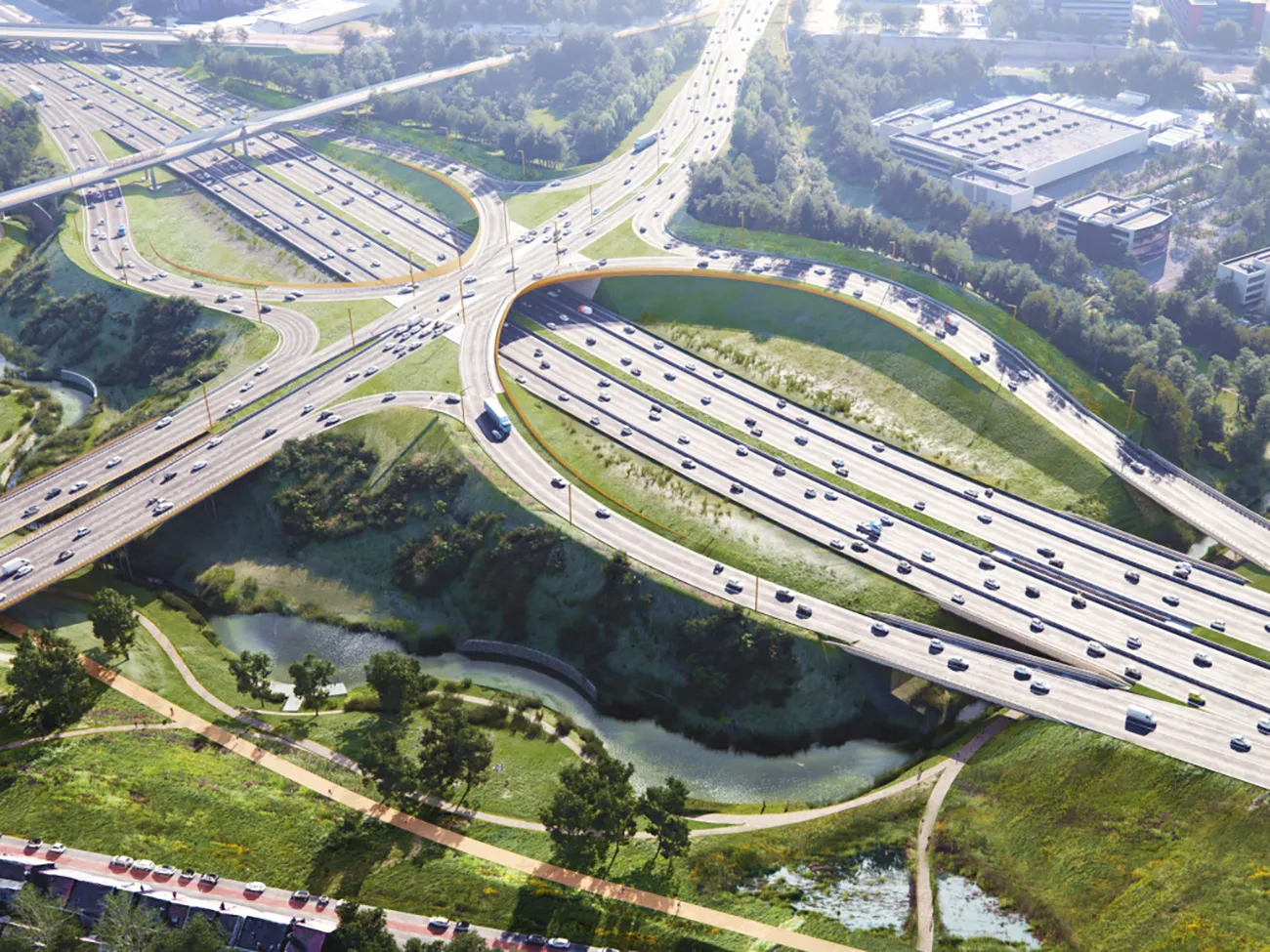
De Werkvennootschap has selected SPI.R0, a consortium comprising Jan De Nul and Be.Sharppp (a subsidiary of the Willemen Group), as preferred bidder for the redevelopment of the interchange on the Brussels Ring near Brussels Airport. Once the upgrade is complete, traffic between the Ring (R0) and Boulevard Léopold III (A201) will cross the Ring using just one bridge.
- De Werkvennootschap has selected a consortium comprising Jan De Nul and Willemen as preferred bidder for the redevelopment of the interchange on the Brussels Ring, near Brussels Airport (R0xA201).
- This public-private partnership is part of the Works on the Ring programme, which aims to improve mobility, quality of life and multimodal accessibility in and around the city and the outskirts of Brussels.
- The redevelopment of the interchange aims to improve road safety, reduce conflict points and improve access to the airport and business parks.
- The project is also fully committed to sustainability and enhancing the open spaces near the Ring, including the restoration of the Woluwe Valley.
Commissioned by the Flemish Government, De Werkvennootschap sought a suitable private partner through a competitive dialogue procedure. The SPI.R0 consortium emerged as the successful bidder.
This public-private partnership is part of the Works on the Ring programme. The project focuses on improving traffic flow and safety on the R0 and A201, enhancing quality of life around the R0 while respecting nature, and improving multimodal access to Brussels Airport and its surroundings.
The existing interchange connecting the A201 and R0 will be replaced by a compact Single Point Interchange. The existing viaducts will be removed and replaced with a new bridge over the Ring, with a single junction managing traffic flows.
Lydia Peeters, Flemish Minister for Mobility and Public Works: «This is another important step forward for mobility and liveability in the outskirts of Brussels. The new infrastructure will provide better multimodal access to the airport region. We will improve road safety and traffic flow, which will also ease traffic on the Ring. With significant investment in public transport and cycling, access to Brussels Airport and the business parks will be greatly improved. At the same time, we will enhance quality of life in the surrounding residential areas and restore the Woluwe Valley, opening up the watercourse and returning it to its natural surroundings.»
Bart Callens, PPP Project Director at Jan De Nul Group: «We are proud of the design developed with our SPI.R0 partners. It aims to improve liveability around the interchange through new connections, striking architecture and landscaping, while also improving traffic flow. We thank De Werkvennootschap for its confidence in our partnership and look forward to presenting the design together to all stakeholders.»
Marc Jonckheere, Managing Director of the Willemen Group: «As Managing Director of the Willemen Group, I am delighted that we can continue our long tradition of working with Jan De Nul on PPP projects. The project’s integrated approach, taking into account the landscape, architecture, drainage, buildability and maintainability, minimising disruption and more, has resulted in a very high-quality design. We look forward to entering the permitting phase with De Werkvennootschap so that work can begin in 2024.»
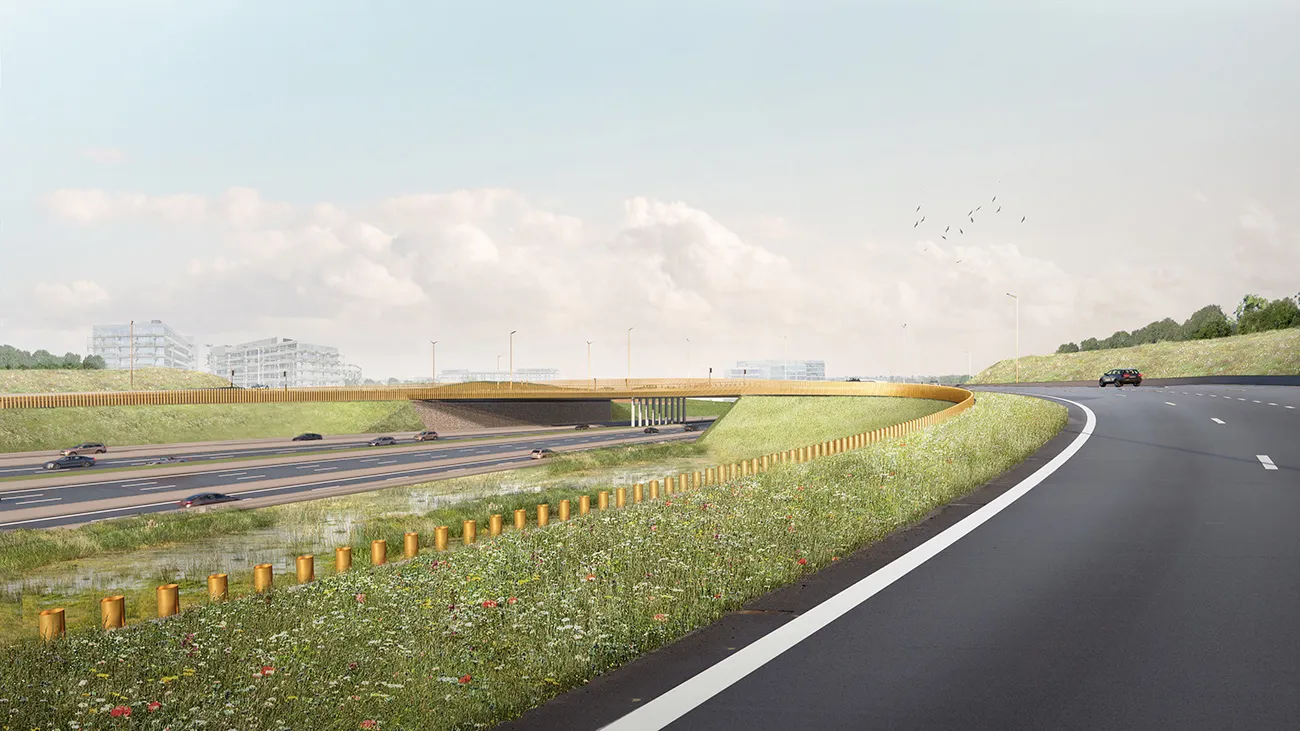
The viaduct redevelopment will take 3.5 years.
The consortium will be responsible for the design, construction and financing of the new infrastructure, as well as its maintenance for 30 years.
In the first phase, SPI.R0 will prepare and submit the environmental permit application. The design will then be refined and discussed in detail with all stakeholders: local authorities, residents, businesses, users and others.
Once the environmental permit has been granted, work can begin, and will continue for 3.5 years.
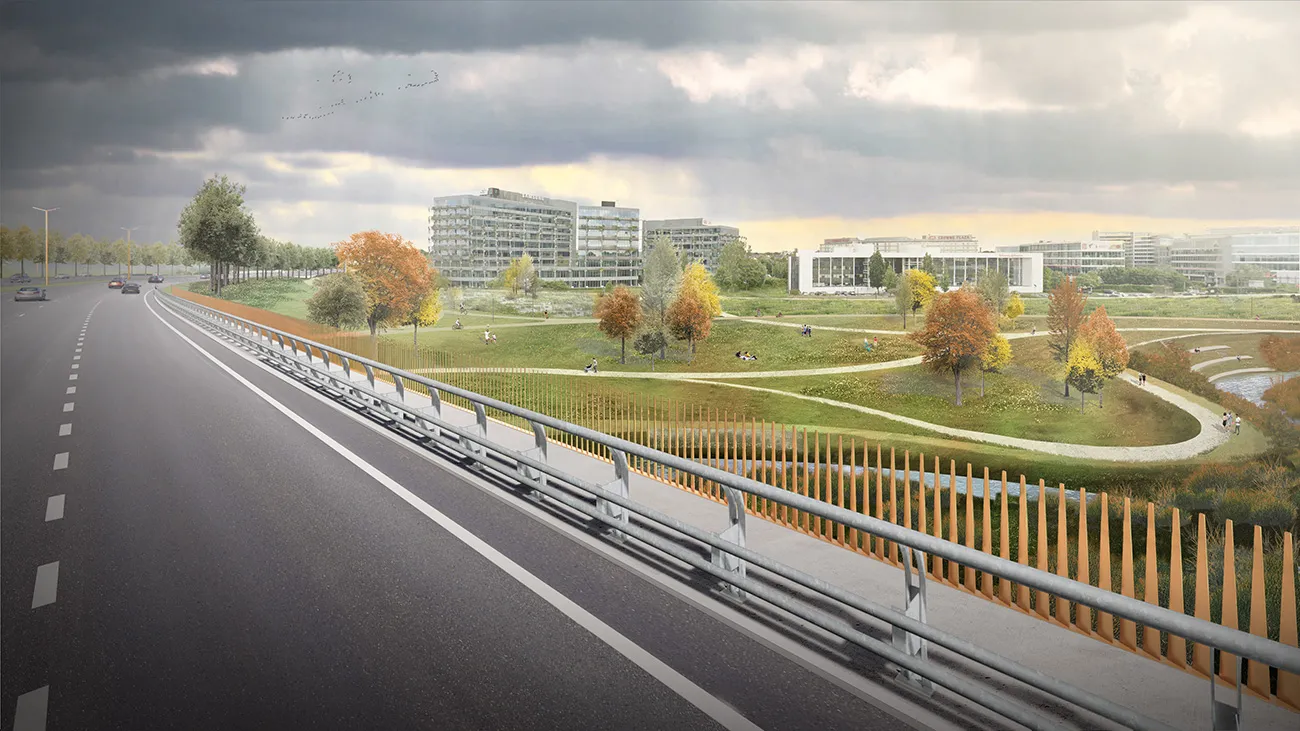
The new layout gives space back to nature and the community.
The new traffic layout will take up less space, freeing up land in the historic Woluwe Valley. A new blue-green park valley will reconnect residential areas with existing nature reserves. Particular attention will also be paid to new cycling infrastructure.
Question about this story? Ask your question
Keep following this
Get an email when a new story is published. No account needed.
- ThemeTransforming infrastructure and territories
- SubjectNews







