











How can energy savings be combined with comfort?
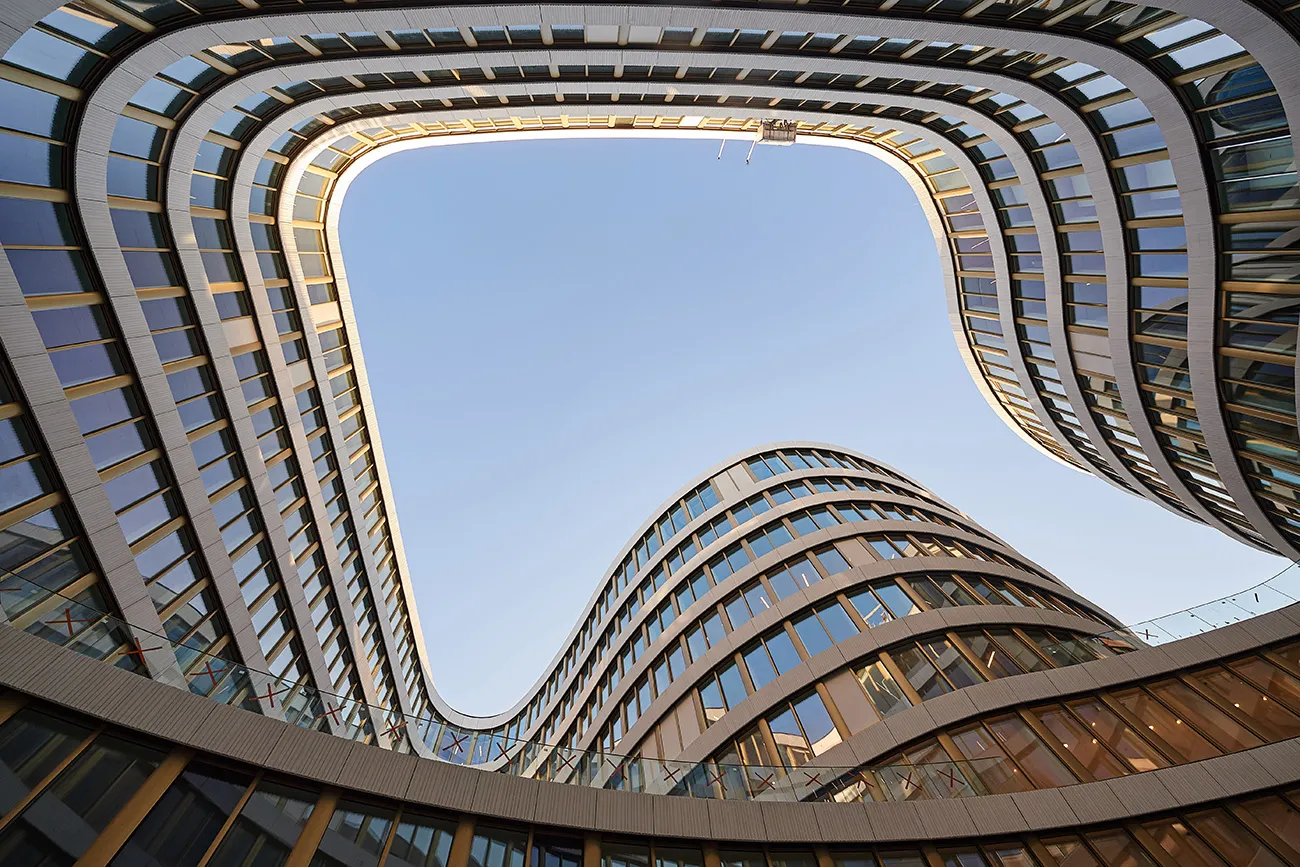
Sky-high energy prices are causing a stir. This winter, indoor temperatures in public buildings will be capped at 19°C, while many workers are tempted to spend more time back at the office to reduce their personal heating bills somewhat. Is turning down the thermostat the way to live together while using less energy? “It’s a simple measure that each of us can take,” says Jonas Segers of EQUANS, “but there are also technological solutions that can save even more energy without affecting comfort!”
Energy prices have been soaring for some time, due to the delicate geopolitical situation in Europe. This is a major economic blow for households, businesses and public authorities alike. Fortunately, specialist service providers such as EQUANS can help. “We have solutions that can significantly reduce buildings’ energy bills,” explains Jonas Segers. “We look at the various options available to property developers, owners and facility managers. Our solutions are not just for new buildings: existing buildings can benefit too, without necessarily requiring major investment.”
Monitor your building’s energy consumption
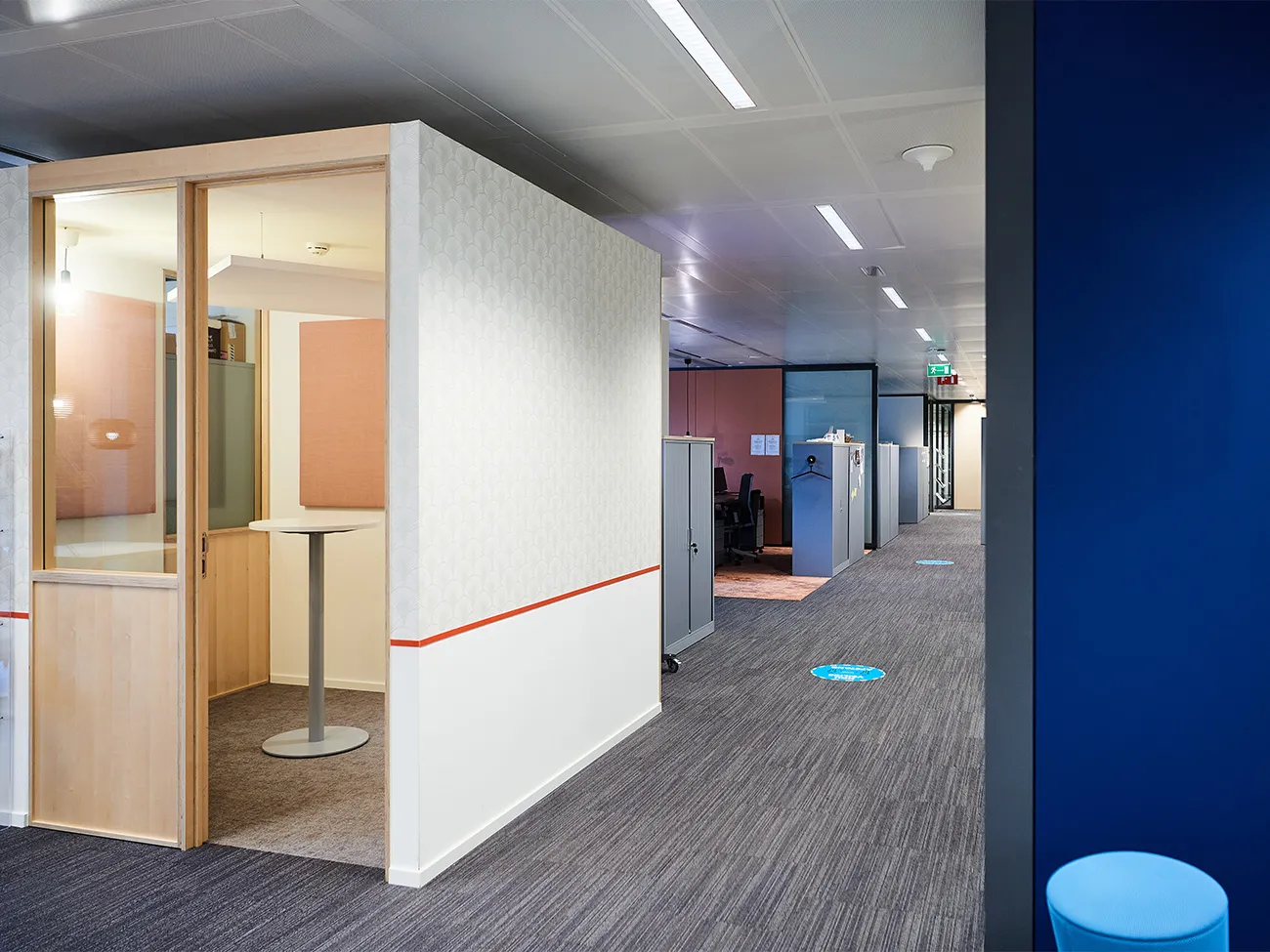
As a multi-service provider, EQUANS focuses, among other things, on building services management. “Our solutions can make a huge difference, particularly in office environments,” says Jonas Segers. “Since the coronavirus crisis, many companies have reassessed their operations and considered how much capacity their office buildings should have. Since occupancy levels can vary considerably, it can be very useful to record how many workstations are occupied and when, so that building owners and users can better estimate how much space they need to provide. This enables them to optimise not only capacity, but also energy consumption. At EQUANS, this is part of our ‘visual management’ specialism. We provide users with tools connected to systems such as air conditioning to prevent unnecessary ventilation, heating and cooling. At Belfius, for example, we have linked CO2 detection to the ventilation system, so that ventilation is genuinely demand-led. But comfort is about more than temperature and CO2 levels. Take energy-efficient LED technology with presence detectors, which provides better, more pleasant lighting without using more energy. This is the case at the Quatuor building in Brussels, for example. Owners benefit as well as users. Low energy consumption, user comfort and smart building applications are crucial assets when it comes to renting out buildings, including offices.”
Predictive maintenance: an absolute necessity
What gets measured gets managed. A second pillar on which EQUANS places considerable emphasis is the monitoring and visualisation of data. “This ranges from energy consumption to technical parameters relevant to maintenance,” explains Jonas Segers. “Detecting anomalies is one of the key elements. For example, we have smart tools that can detect potential water leaks. Predictive maintenance is also more of a priority than ever. By monitoring certain parameters, we can accurately predict when a particular component will need servicing or replacing. Since this maximises the operational reliability, efficiency and lifespan of installations, it is much cheaper in the long run than traditional preventive maintenance. For example, for an industrial client, vibration measurements enabled us to double the time a pump could be used before replacement. In the building sector, we are only at the beginning of this revolution, since this issue has never really arisen in the past. But with sustainability becoming increasingly important and energy prices rising exponentially, monitoring and optimisation are more urgent than ever.”

Save up to 20% with AI
With rational energy management essential in these times of crisis, EQUANS goes beyond monitoring and optimisation where necessary. For example, the company can use artificial intelligence to control buildings automatically. “A lot is still done manually, which means human errors sometimes occur, such as office buildings being left heated overnight,” explains Jonas Segers. “That is why we have partnered with DeltaQ to launch a computer system that uses artificial intelligence to predict and optimise energy consumption (‘predictive regulation’). This can make a substantial difference, not just in the height of summer or the depths of winter, but throughout the year. Think of days when it is quite cold in the morning, but the temperature rises as the day goes on. In a traditional building, the heating comes on in the morning, causing the building to become too warm during the day and creating an unnecessary need for cooling. The solution takes detailed weather forecasts into account and ensures that the heating is switched off in time, so that no cooling is needed. This therefore delivers a double saving: less heating and less cooling! With this software, users can save an average of 20% without compromising comfort. It also requires only a modest investment, with a payback period of just three months, since all the necessary systems are already in place in the building. So, in the literal and figurative sense, it is a ‘quick win’!”
Question about this story? Ask your question
Keep following this
Get an email when a new story is published. No account needed.
- SubjectNews







