











Heat, energy, terraces: solar protection is becoming a smart choice for Belgium’s HoReCa sector
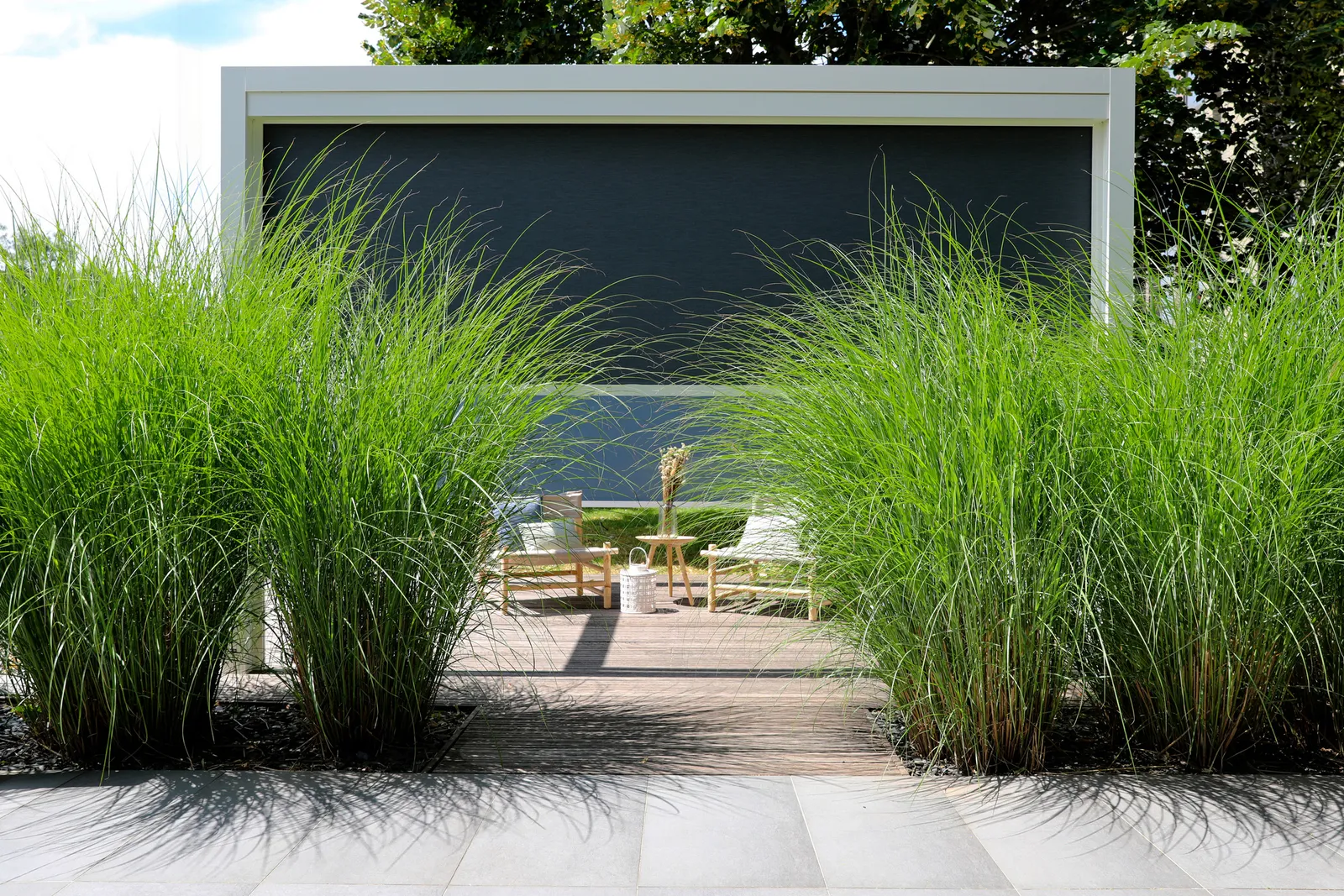
As HoReCa professionals seek to keep costs under control without compromising the customer experience, external solar protection is emerging as a practical way to take action. On a terrace, in front of a glazed façade, above a dining area or around a hotel, it does more than provide shade. It helps create a more comfortable, more usable and more distinctive space.
For cafés, hotels and restaurants, heat is about more than the weather. A terrace exposed to too much sun empties more quickly. A room with extensive glazing soon becomes uncomfortable. Overworked air conditioning pushes up running costs. In this context, shielding spaces from the sun before the heat sets in is a straightforward, visible and immediately effective solution.
Solar protection fabric is the first line of defence. Installed outside, it filters solar radiation before it reaches the glazing or service area. The result: less overheating, less glare, softer light and more consistent comfort for customers and staff alike.
The terrace, the new centrepiece of the customer experience
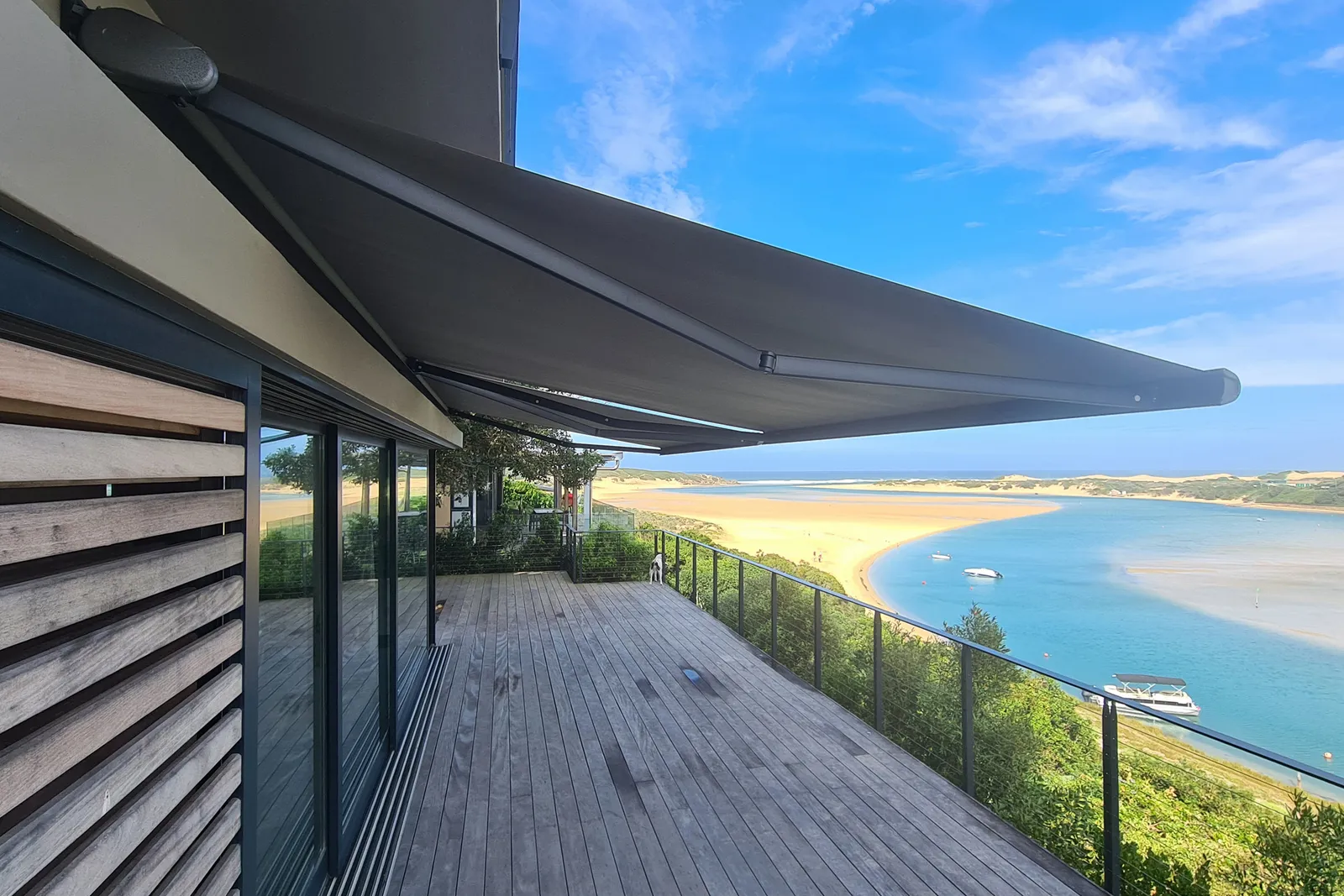
In recent years, outdoor spaces have taken on a new importance in the HoReCa sector. The terrace is no longer just a seasonal bonus. It is becoming an extension of the restaurant, café or hotel reception area. People come to enjoy a drink, have lunch, work, wait, meet up or linger a little longer.
But for the space to work, it needs to remain pleasant. If it is too hot, too bright or too exposed to wind or showers, it quickly loses its appeal. A well-designed solar protection solution extends its use, improves comfort and gives the venue a coherent visual identity.
Awning fabrics, pergolas, parasols, shade sails, façade protection and solutions for hotel balconies: Dickson technical textiles adapt to a wide range of professional settings, from urban cafés and boutique hotels to neighbourhood brasseries and restaurants with large terraces.
Less air conditioning, more common sense
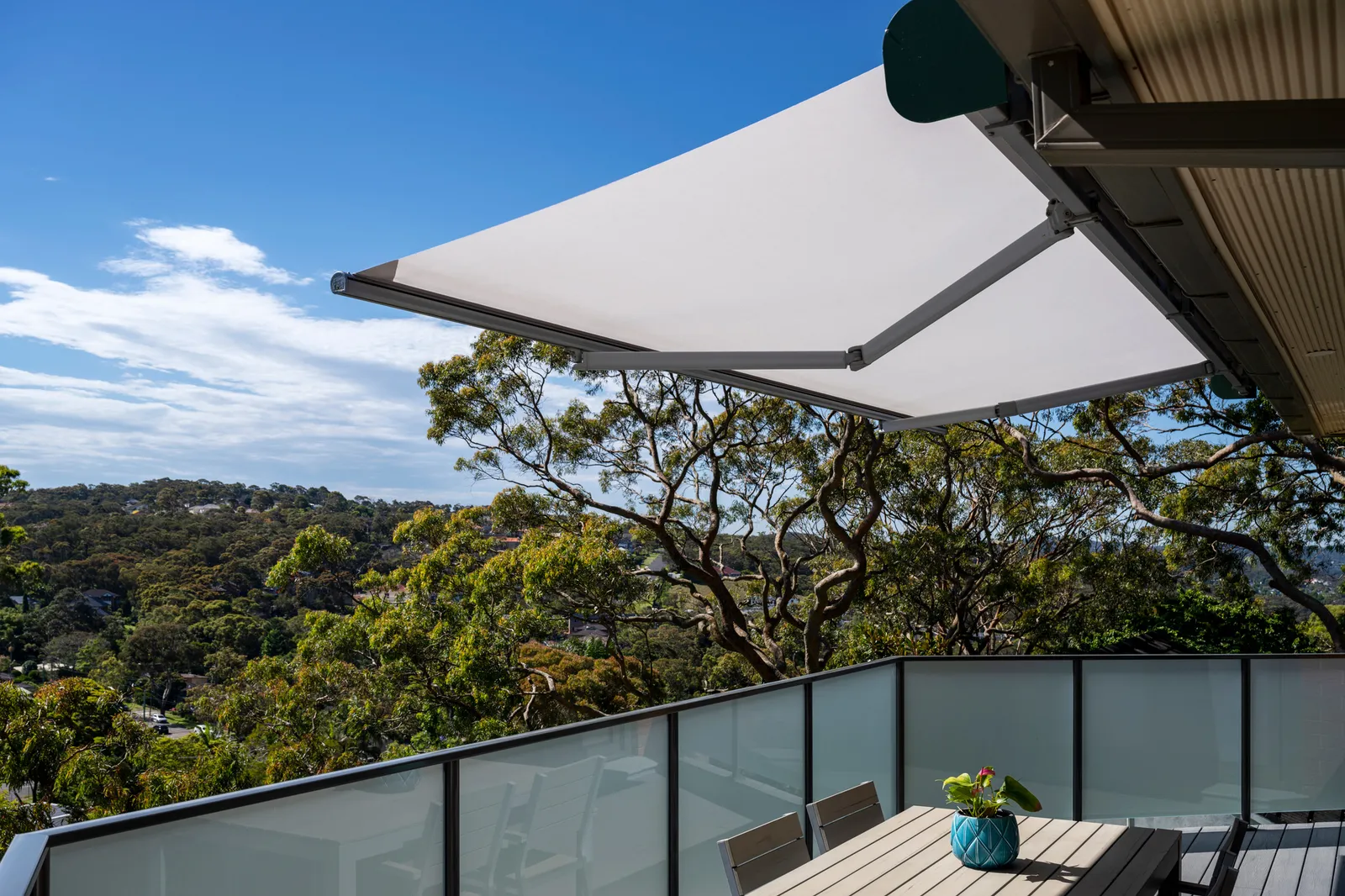
In buildings with extensive glazing, heat gets in quickly and builds up. Once it has accumulated, it is difficult to remove. Air conditioning can compensate, but at the cost of higher energy consumption, which can be hard to reconcile with current efforts to use energy sparingly and control costs.
By blocking some of the solar radiation before it passes through the glazing, external solar protection reduces heat build-up at source. It does not always replace air conditioning, but it can reduce reliance on it and help maintain a better thermal balance in sun-exposed spaces.
For businesses, the benefits are twofold: improving customers’ perceived comfort and reducing the strain on technical systems. This is particularly relevant because the solution does not always require major works. In some cases, simply replacing the fabric on an existing awning is enough to restore its effectiveness, bring freshness and give a façade or terrace a new visual identity.
“In the HoReCa sector, a pleasant terrace is no small detail. It generates revenue, shapes the image of a business and contributes to the customer experience. Solar protection helps businesses make better use of it, while offering a very practical response to comfort and energy challenges,” explains Amaury Flipo, Solar Protection Market Manager at Dickson.
Made to measure, a distinctive signature
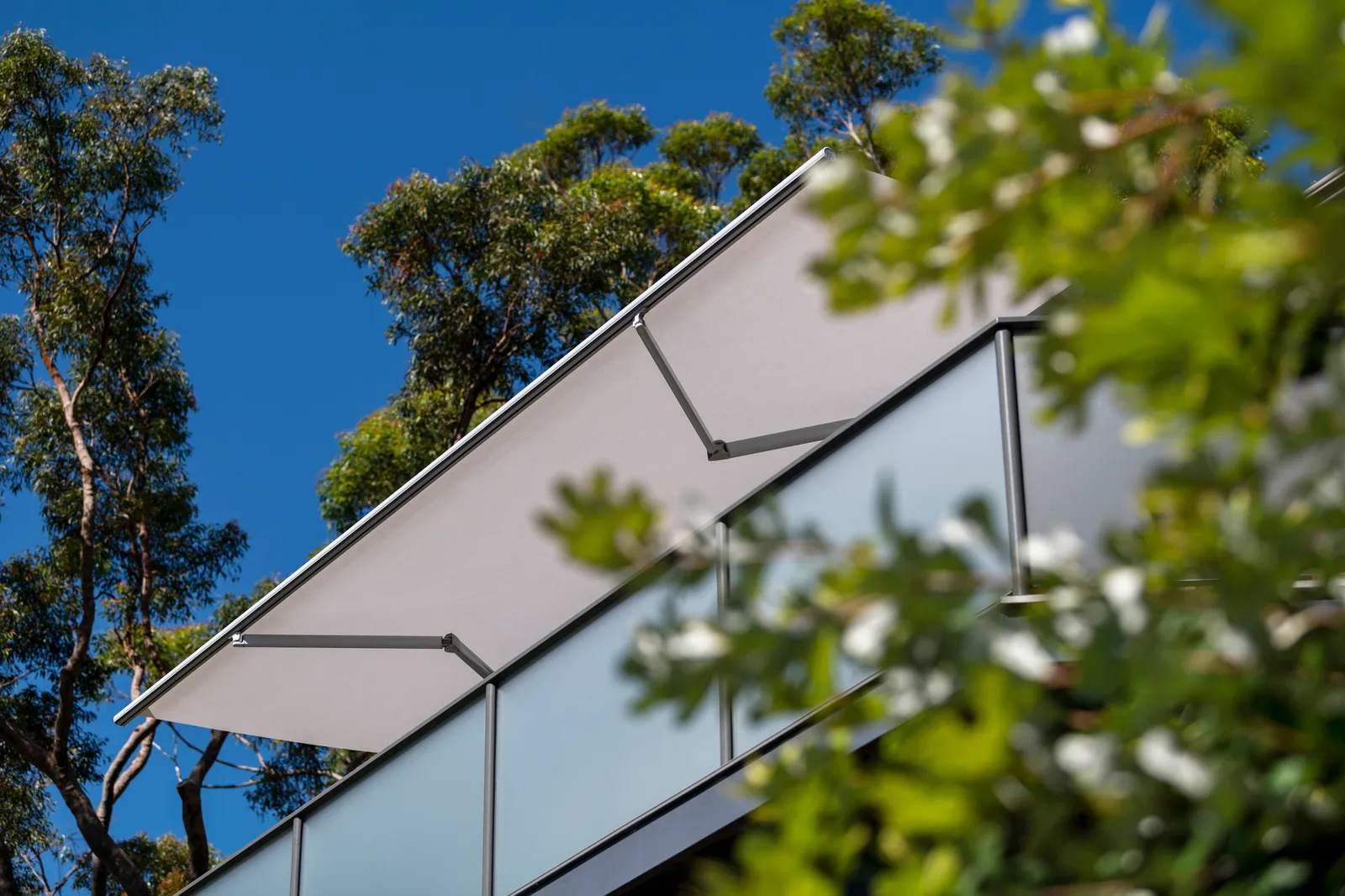
Today, HoReCa businesses give their outdoor spaces the same attention as their interiors. Colours, materials, textures, furniture, lighting and greenery all help create the atmosphere. Solar protection fabric is an integral part of this approach.
With more than 200 plain and textured designs, Dickson enables professionals to choose a solution that reflects their positioning: elegant and understated for a hotel, more graphic for an urban terrace, natural for a venue focused on outdoor living, or warm and welcoming for a brasserie or family restaurant.
Solar protection thus becomes more than a piece of equipment. It becomes part of the décor, a source of comfort and a recognisable feature. A way to make a venue more welcoming, more visible and more memorable.
“Professionals are no longer just looking for fabric that provides protection. They want a solution that says something about their business. A colour, texture or finish can transform the way a terrace or façade is perceived,” adds Amaury Flipo.
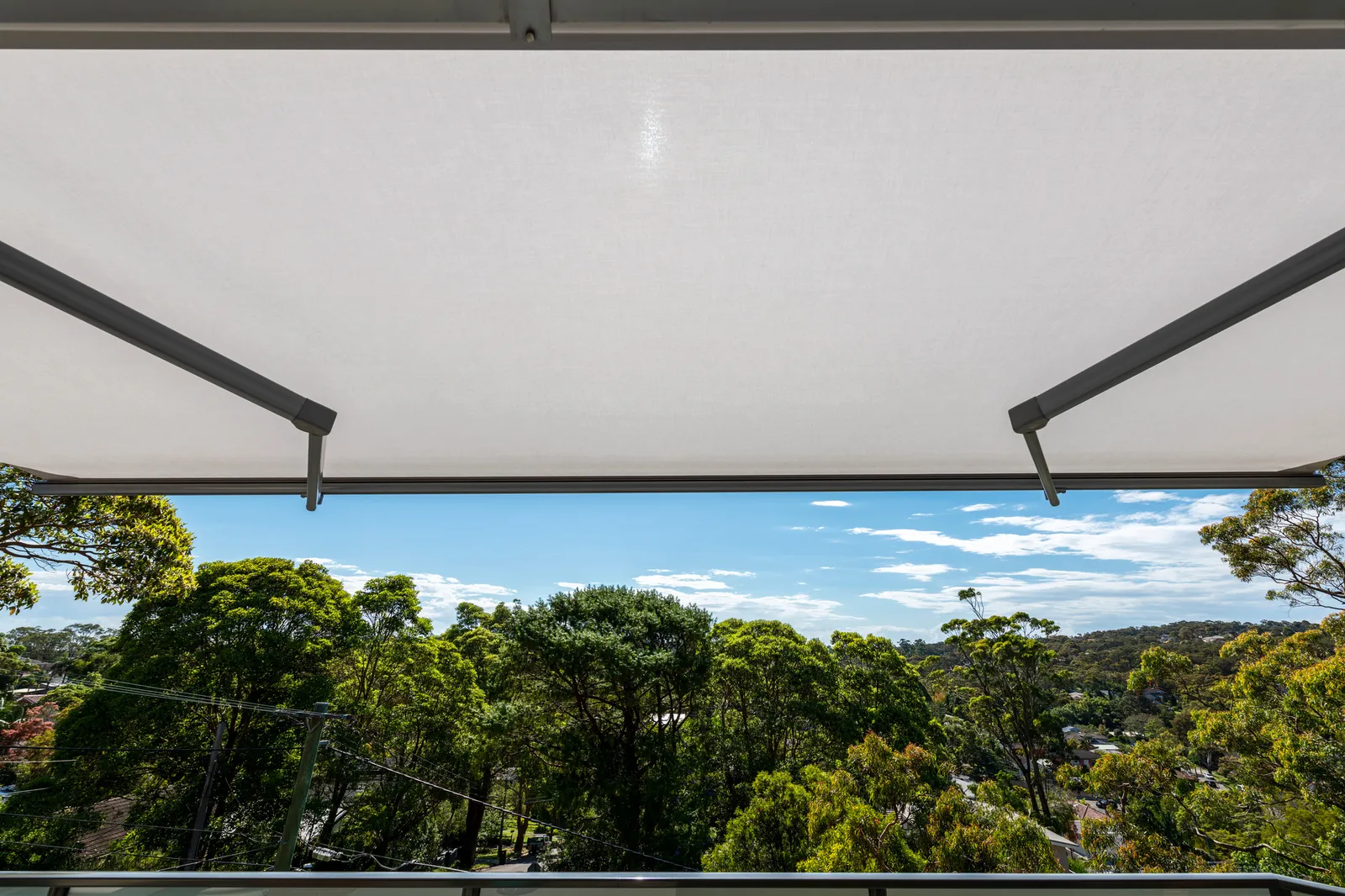
Textiles designed for professional use
Dickson fabrics are designed to withstand the demands of outdoor use: sun, UV rays, bad weather, temperature fluctuations and intensive use. They are used for awnings, pergolas, parasols, shade sails and terrace protection.
Some ranges are particularly well suited to professional needs. One example is MAX, a waterproof fabric designed for exposed outdoor spaces that protects against the sun, UV rays and light weather. For businesses looking to build greater sustainability into their fit-out, Dickson also offers ORIGIN, its first range of recycled awning fabrics, made in northern France from acrylic raw materials sourced in France and Europe.
A way to combine performance, aesthetics and sustainability without losing sight of what matters most to the HoReCa sector: offering a warmer welcome, making smart use of space and, above all, creating places where people want to stay!
Question about this story? Ask your question
Keep following this
Get an email when a new story is published. No account needed.
- ThemeFaçades and building comfort
- SubjectNews







