Zero-emission transport is becoming more accessible and safer
Texte Piet Andries Photos Volvo Trucks
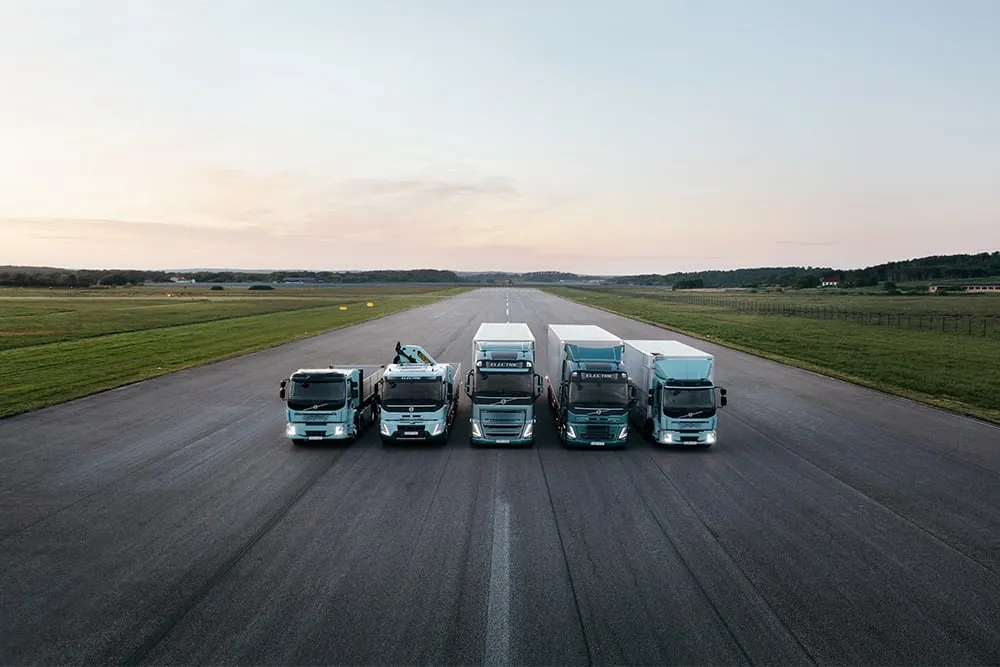
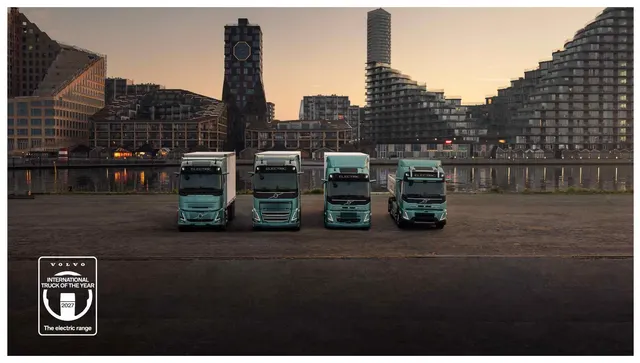
Five years ago, Volvo Trucks launched its first electric truck. Since then, the brand has offered a zero-emission variant of every model in its range and has already delivered 3,800 electric trucks worldwide. With its latest FH Electric, which offers an unprecedented range of 600 kilometres, Volvo is taking another step forward in electric transport. And it is doing so without scaling back its investment in safety.
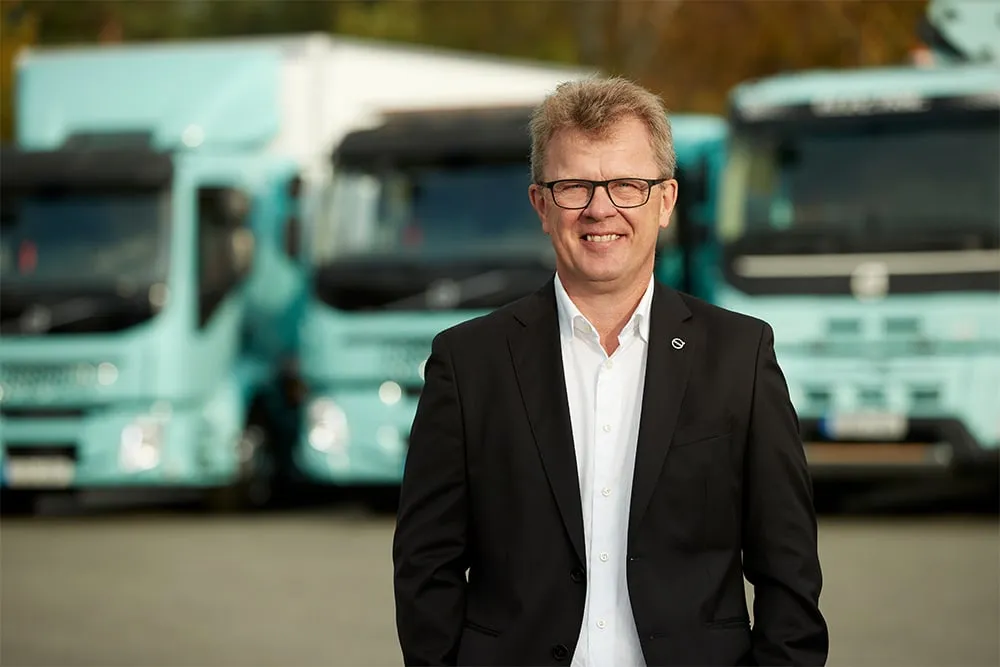
Volvo Trucks’ ambition is unequivocal. The company is targeting net-zero emissions by 2040 and wants electric trucks to account for 35% of sales by the end of the decade. According to CEO Roger Alm, the company is on track: “Not only transport companies, but also customers of transport and logistics services, are joining the Science Based Target initiative (SBTi) and demanding sustainable transport solutions from their suppliers.” This provides further impetus for the transition to electric trucks. In 2023, global deliveries of Volvo electric trucks rose by no less than 256% to 1,977 units, and the company expects demand to continue growing in 2024.
The focus will be on battery-electric powertrains
Volvo Trucks is also continuing to develop powertrains using hydrogen and renewable diesel (HVO) as part of a three-pronged strategy. “We expect battery-electric powertrains to play the leading role, with hydrogen-electric powertrains complementing them. In some regions, we will continue to use internal combustion engines, but with renewable fuels,” said Jessica Sandström, Senior Vice President Global Product Management at Volvo Trucks. The focus on battery-electric power is reflected in its broad range of eight models: Volvo FL Electric, FE Electric, FM Electric, FM Low Entry, FMX Electric, FH Electric, FH Aero Electric and VNR Electric. These models allow Volvo to offer a solution for every logistics requirement, from urban last-mile delivery and waste management to infrastructure work and interregional transport, giving every type of customer an option that suits their needs.
A full working day without recharging en route
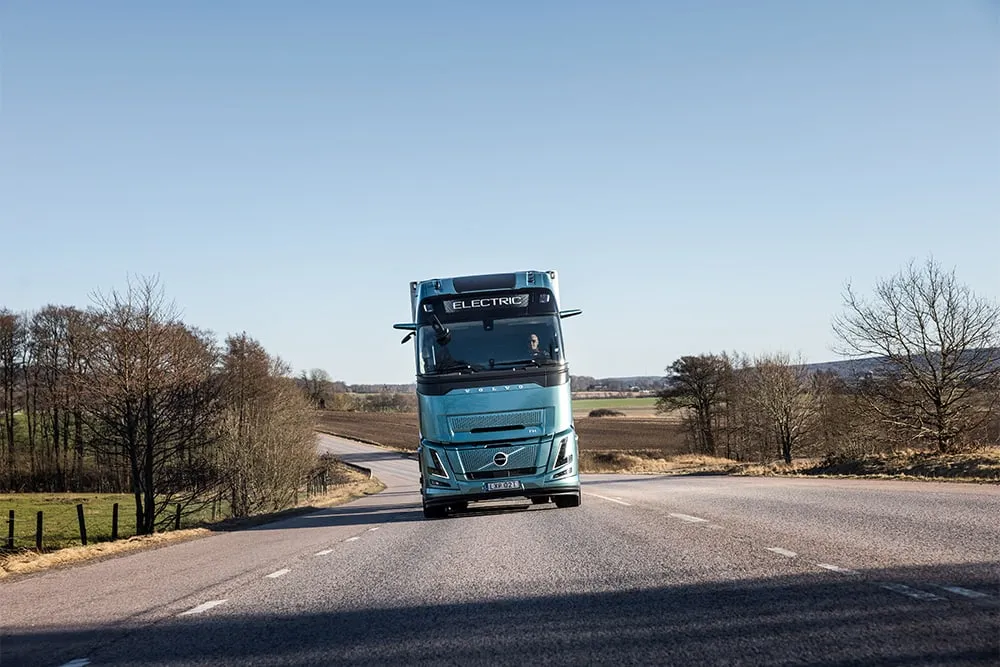
Volvo Trucks has unveiled the latest version of its best-seller, the FH Electric, as its flagship model. This breakthrough in battery-electric propulsion technology doubles the range from 300 to 600 kilometres, thanks to improved energy management, a more compact electric axle (creating space for a larger battery pack) and the streamlined Aero cab. With this major advance, Volvo Trucks is strengthening its position in the competitive electric heavy truck market. Drivers can now complete a full working day without recharging between trips, a significant advantage for transport companies covering long distances and a response to the limitations of the current Megawatt Charging Network. The new FH will go on sale in the second half of 2025.
The excellent range of the all-new FH Electric makes it easier for companies to switch to depot charging and minimise downtime. “It is an ideal solution for transport companies with high annual mileage that want to reduce their CO2 emissions. Alongside the environmental benefits, electric trucks offer drivers a much better working environment, with far less noise and vibration,” concludes Roger Alm.
Greater safety also means greater efficiency
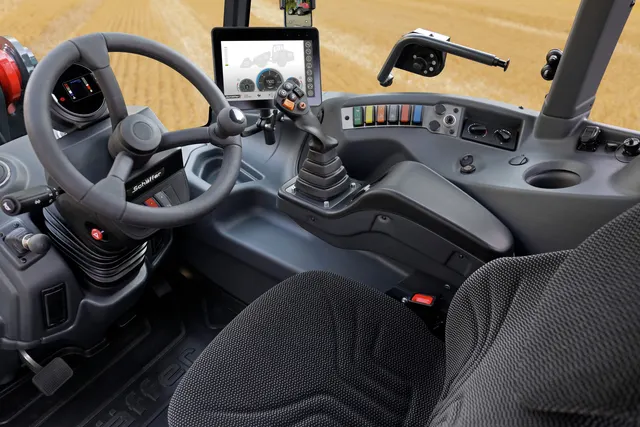
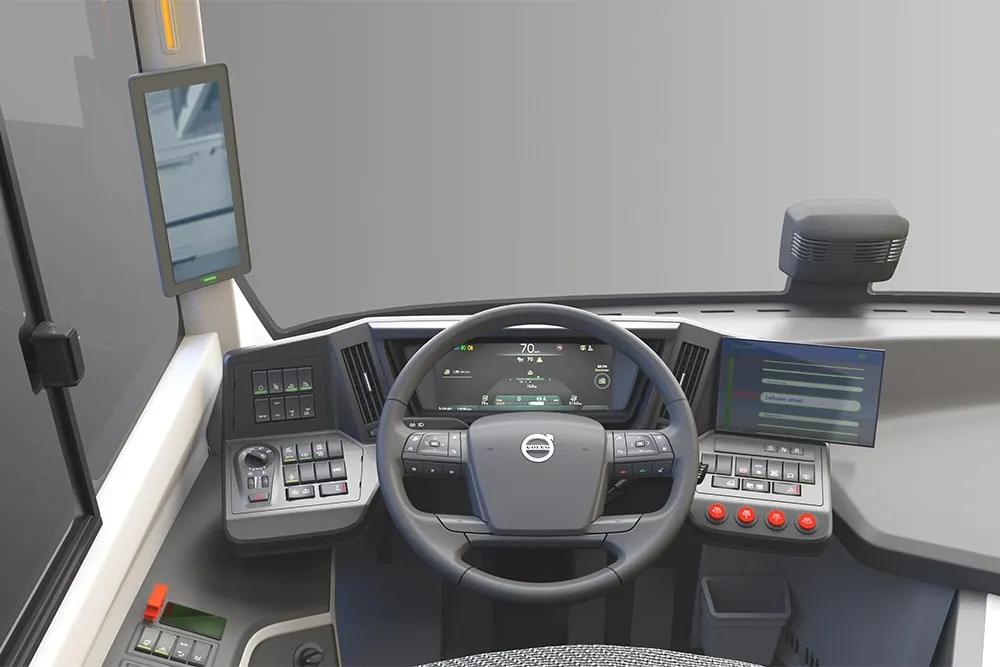
Volvo Trucks combines its focus on zero-emission powertrains with its well-known commitment to safety. The innovative Camera Monitor System (CMS), which replaces traditional side mirrors with cameras, improves visibility and reduces blind spots, a major step towards accident-free and more efficient transport. The cameras also perform better in challenging conditions such as bright sunlight or heavy rain. Another benefit of CMS is the automatic panning function, which allows the cameras to move in response to what is happening behind the truck, a useful feature when turning. Drivers can easily zoom in and out to adjust their view. In addition, camera mirrors help reduce energy consumption thanks to their lower drag, saving up to 1.5% in energy. This shows that safety and sustainability go hand in hand.
Question about this story? Ask your question
Keep following this
Get an email when a new story is published. No account needed.
- ThemeLow-carbon transport and mobility
- SubjectEquipment and machinery