Volvo Trucks launches an all-new generation of fuel-efficient, driver-focused heavy-duty trucks
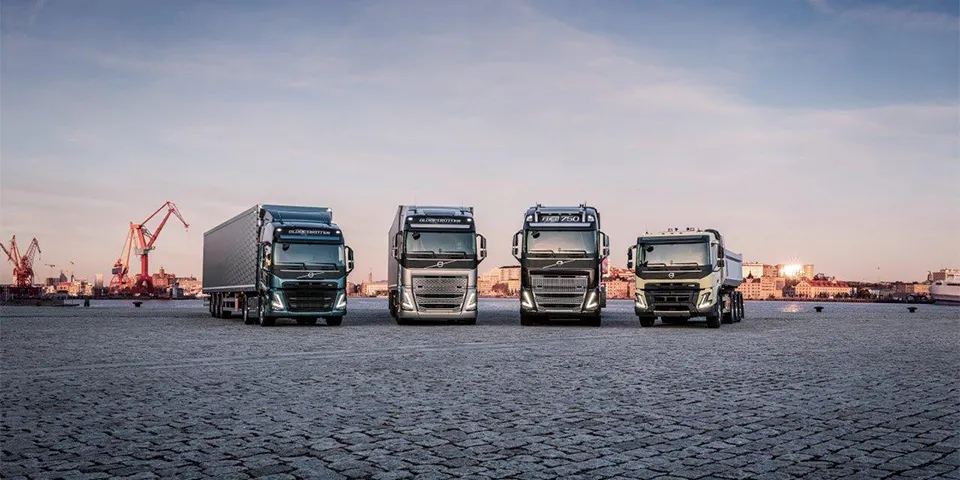
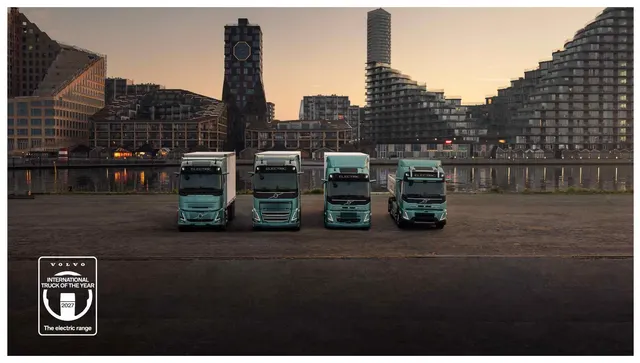
Volvo Trucks unveils four new vehicles focused on the driver environment, safety and productivity. “We are really proud of this major investment, which is firmly geared towards the future. Our aim is to be our customers’ best business partner by making them even more competitive and helping them attract the best drivers in an increasingly challenging market,” said Roger Alm, President of Volvo Trucks. The four models in the heavy-duty range, the Volvo FH, FH16, FM and FMX, account for around two-thirds of Volvo Trucks’ deliveries.
Growing demand for transport is putting pressure on the availability of skilled drivers worldwide. In Europe, for example, estimates suggest that around 20% of driver positions are vacant. To help customers recruit and retain the best drivers, Volvo Trucks has focused on developing new vehicles that are safer, more efficient and more attractive workplaces for skilled drivers.
“Drivers who use their vehicles efficiently and safely are a valuable asset to any transport company. Responsible driving can help reduce CO2 emissions and fuel costs, while also helping to reduce the risk of accidents, injuries and unplanned downtime. Our new vehicles will help drivers work even more safely and productively, giving our customers strong arguments to attract the best drivers,” Roger Alm added.
The new Volvo Trucks models are available with a wide range of cab options and can be tailored to a variety of applications. In long-haul transport, the cab is often a driver’s second home. In regional transport, it often serves as a mobile office, while in construction, vehicles are robust, practical work tools. Visibility, comfort, ergonomics, noise levels, manoeuvrability and safety were therefore central to the development of all the new models. The exterior has also been updated to highlight the vehicles’ new features and give them a striking look.
All-new cab offers more space and better visibility in the Volvo FM and Volvo FMX
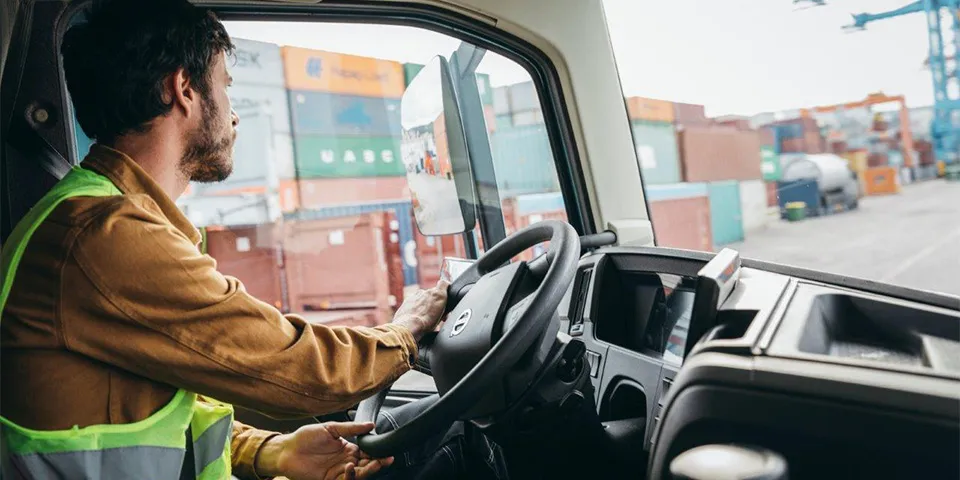
The new Volvo FM and Volvo FMX feature an all-new cab, along with most of the display functions found in their larger Volvo counterparts. The interior volume has increased by one cubic metre, providing greater comfort and more workspace. Larger windows, a lower door line and new mirrors further improve visibility.
The steering wheel features an adjustable steering column, allowing drivers to tailor their driving position. In the sleeper cab, the lower bunk is positioned higher than before, offering greater comfort and creating extra storage space underneath. The day cab has a new 40-litre storage compartment with interior lighting on the rear wall. Cab comfort is further enhanced by improved insulation that helps protect against cold, heat and noise, while a sensor-controlled climate control unit with a charcoal filter ensures good air quality in all conditions.
All models feature an all-new driver interface
The driver’s area now features a completely new interface for information and communications, designed to make it easier to monitor and control various functions, reducing stress and distraction. The instrument display is fully digital, with a 12-inch screen that lets the driver easily select the information needed at any given time. An additional 9-inch secondary display within easy reach is available for infotainment, navigation, transport information and camera monitoring. Functions can be controlled using buttons on the steering wheel, voice commands, the touchscreen or the display control panel.
Enhanced safety systems to help prevent accidents
Safety has been further improved with features such as adaptive high beams for the Volvo FH and Volvo FH16. The system enhances safety for all road users by automatically switching off selected LED high-beam segments when the truck meets another vehicle or approaches one from behind.
Driving is also made easier by an improved adaptive cruise control (ACC) system, which operates at all speeds down to a standstill, and hill descent control, which automatically applies the wheel brakes when additional braking is needed to maintain a steady downhill speed. The electronically controlled braking system (EBS), which is essential for safety features such as the forward collision warning with emergency braking and electronic stability control (ESP), is now standard on the new vehicles. Volvo Dynamic Steering, with the active lane keeping assist and stability assist safety systems, is also available as an option. A traffic sign recognition system detects signs such as overtaking restrictions, road type and speed limits, and displays them on the instrument cluster.
Visibility, already excellent, can be further improved by adding a passenger-side blind spot camera, which provides an additional view of the side of the truck on the secondary display.
Efficient engines and alternative powertrains
Environmental performance and cost savings are important considerations for transport companies. Since no single energy source can address all the challenges of climate change, and different transport sectors and operations require different solutions, several types of powertrain will continue to coexist in the near future.
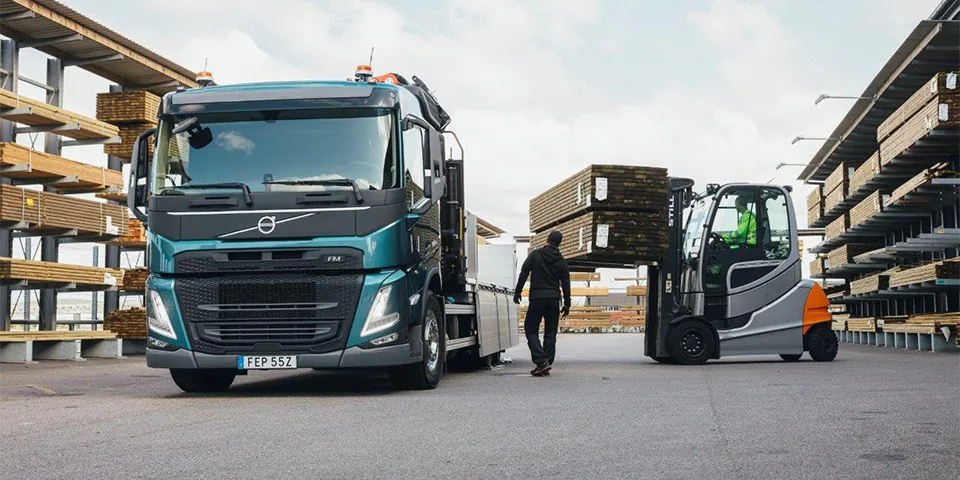
In many countries, the Volvo FH and Volvo FM are available with a Euro 6-compliant LNG engine that delivers fuel efficiency and performance equivalent to Volvo’s diesel vehicles, but with a much lower climate impact. The gas engine can run on biogas, reducing CO2 emissions by up to 100%, or natural gas, which reduces CO2 emissions by up to 20% compared with equivalent Volvo diesel vehicles. These figures refer to the vehicle’s emissions during operation, from tank to wheel.
The new Volvo FH can also be specified with an efficient new Euro 6 diesel engine included in the I-Save package, delivering significant fuel savings and lower CO2 emissions. For example, in long-haul transport, the new Volvo FH with I-Save combines the new D13TC engine with a suite of features and can deliver fuel savings of up to 7%*.
* The stated improvement in fuel consumption is calculated by comparing diesel and AdBlue costs for the Euro 6 Step D D13TC engine with the long-haul fuel package (I-Save) against those for the Euro 6 Step D D13 eSCR engine without the long-haul fuel package. Actual fuel savings may vary depending on many factors, including driver experience, use of cruise control, vehicle specification, payload, actual topography, vehicle maintenance and weather conditions.
Question about this story? Ask your question
Keep following this
Get an email when a new story is published. No account needed.
- ThemeLow-carbon transport and mobility
- SubjectEquipment and machinery