Volvo Trucks’ all-new combustion engine platform: greater fuel efficiency and compatibility with a wide range of alternative fuels
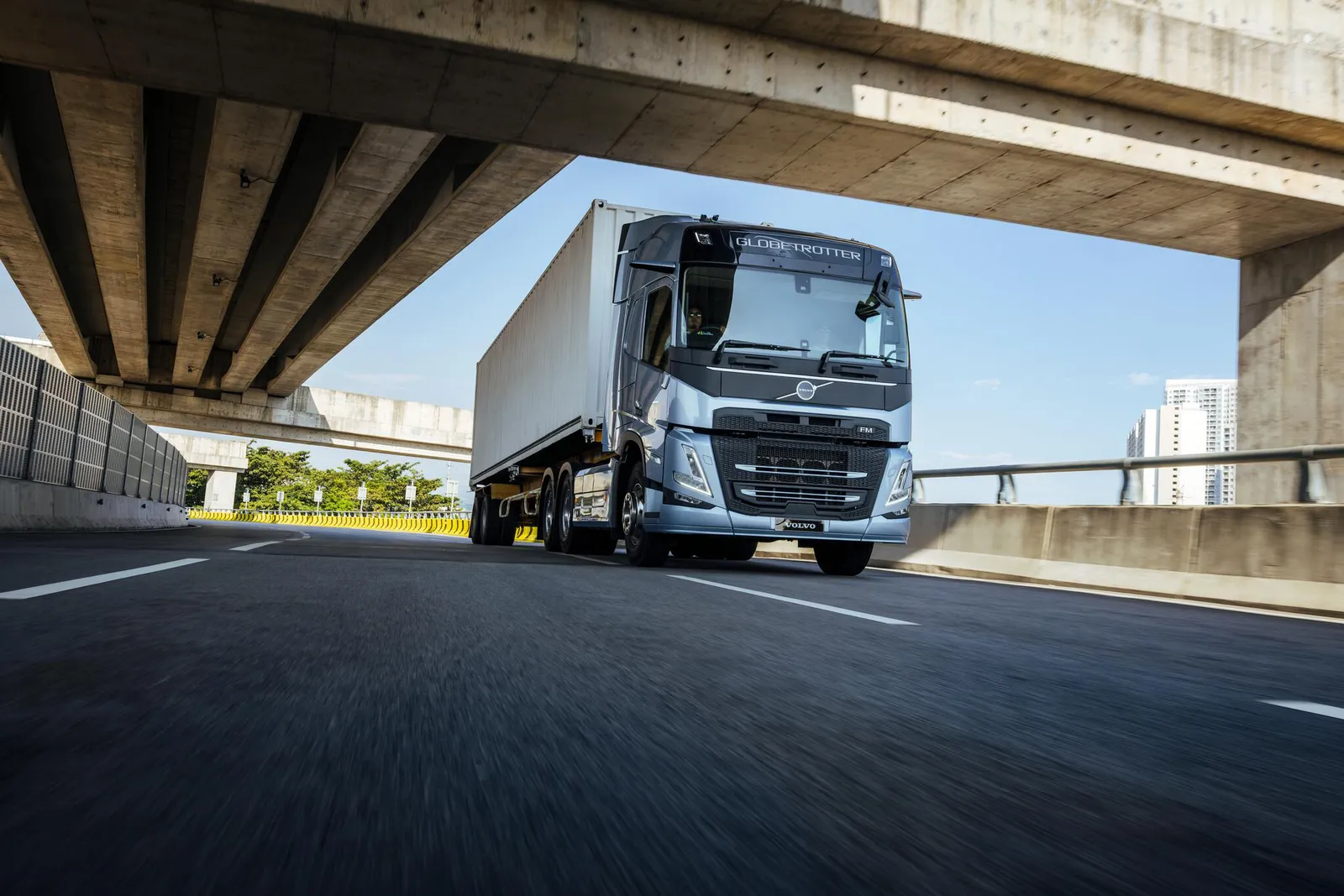
Volvo Trucks’ most fuel-efficient engines ever are here: two all-new 13-litre engines ready to run on diesel and renewable gas fuels, including future hydrogen applications. Both are based on Volvo’s latest in-house-developed engine platform.
The combustion engine continues to play an important role in Volvo Trucks’ powertrain strategy, and its new engines offer an attractive combination of increased power and torque, lower emissions and noise, and improved drivability.
The new engine can deliver fuel savings of up to 4%* compared with the engine it replaces, combining its strengths with Volvo Trucks’ latest fuel-saving innovations, which will now be available to more customers.
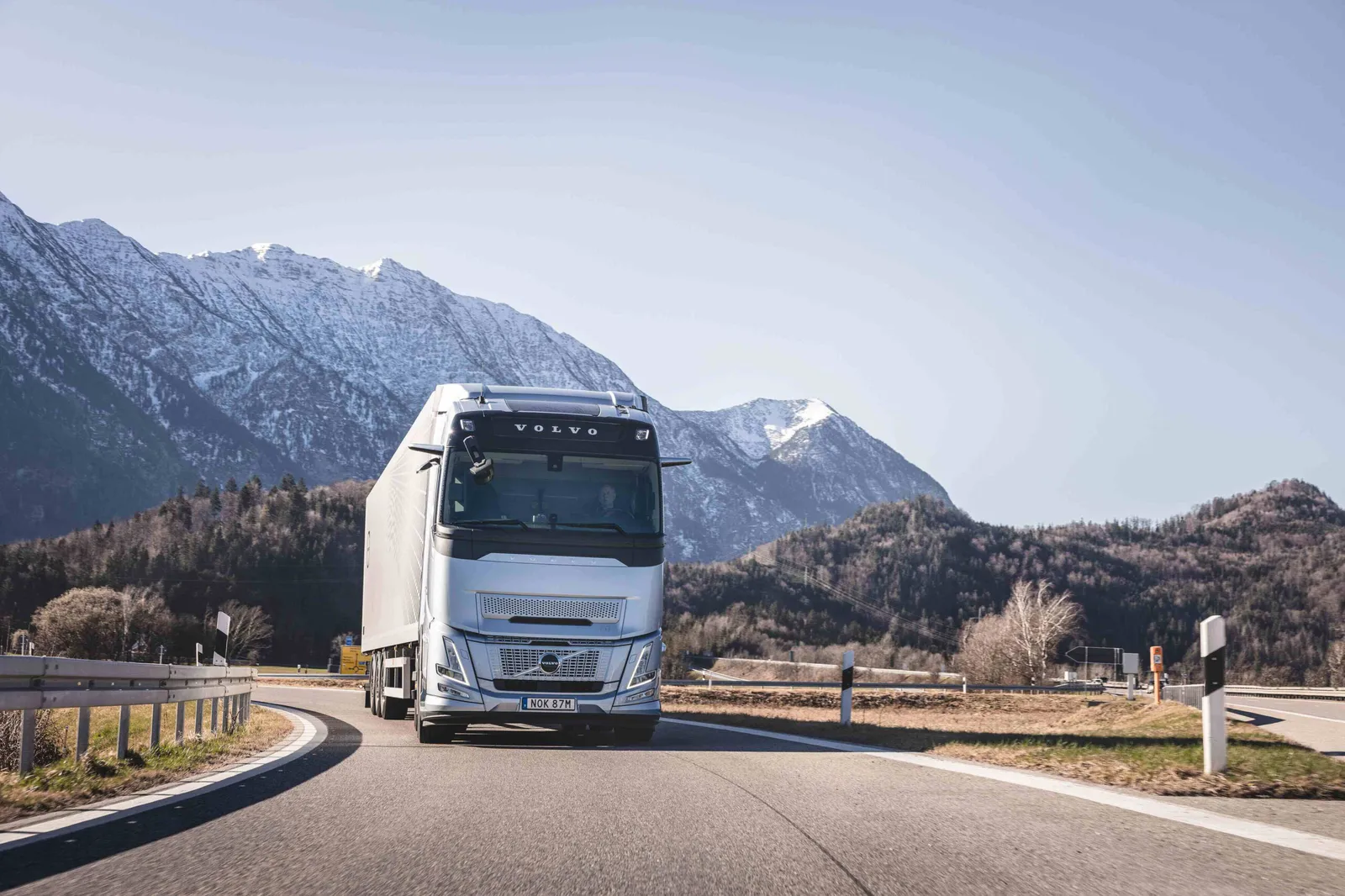
An all-new global internal combustion engine platform
Volvo Trucks has developed new engines to meet a wide variety of needs and operating conditions, while exceeding current and future legislation on emissions and noise levels.
“These new engines are not only our most fuel-efficient powertrains ever, they will also propel our combustion engine into the future,” says Jan Hjelmgren, Head of Product Management at Volvo Trucks. “Their flexibility and compatibility with all existing diesel and gas fuels, as well as future hydrogen applications, enable us to offer all our customers around the world high-performing trucks capable of achieving net-zero emissions.”
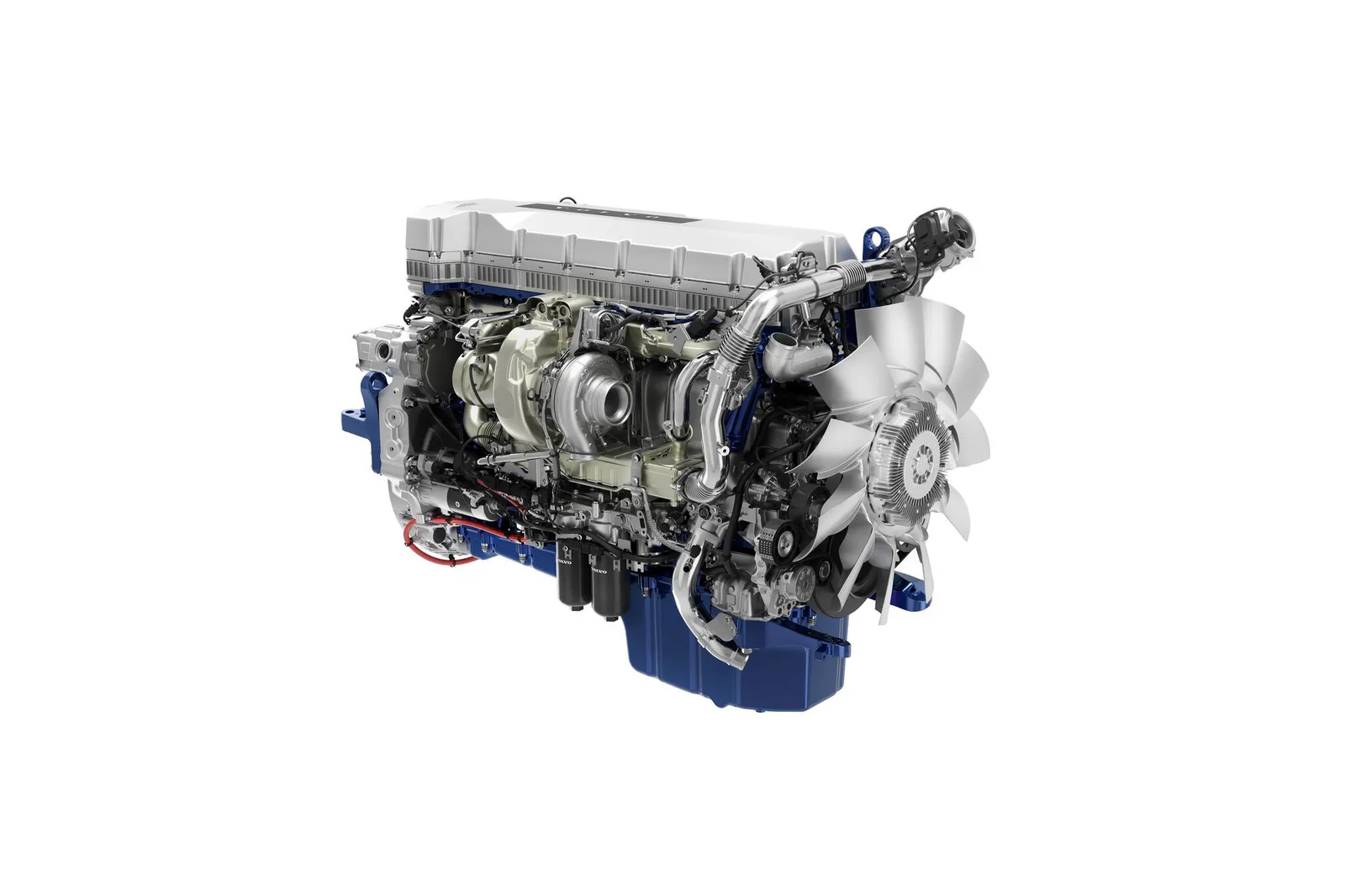
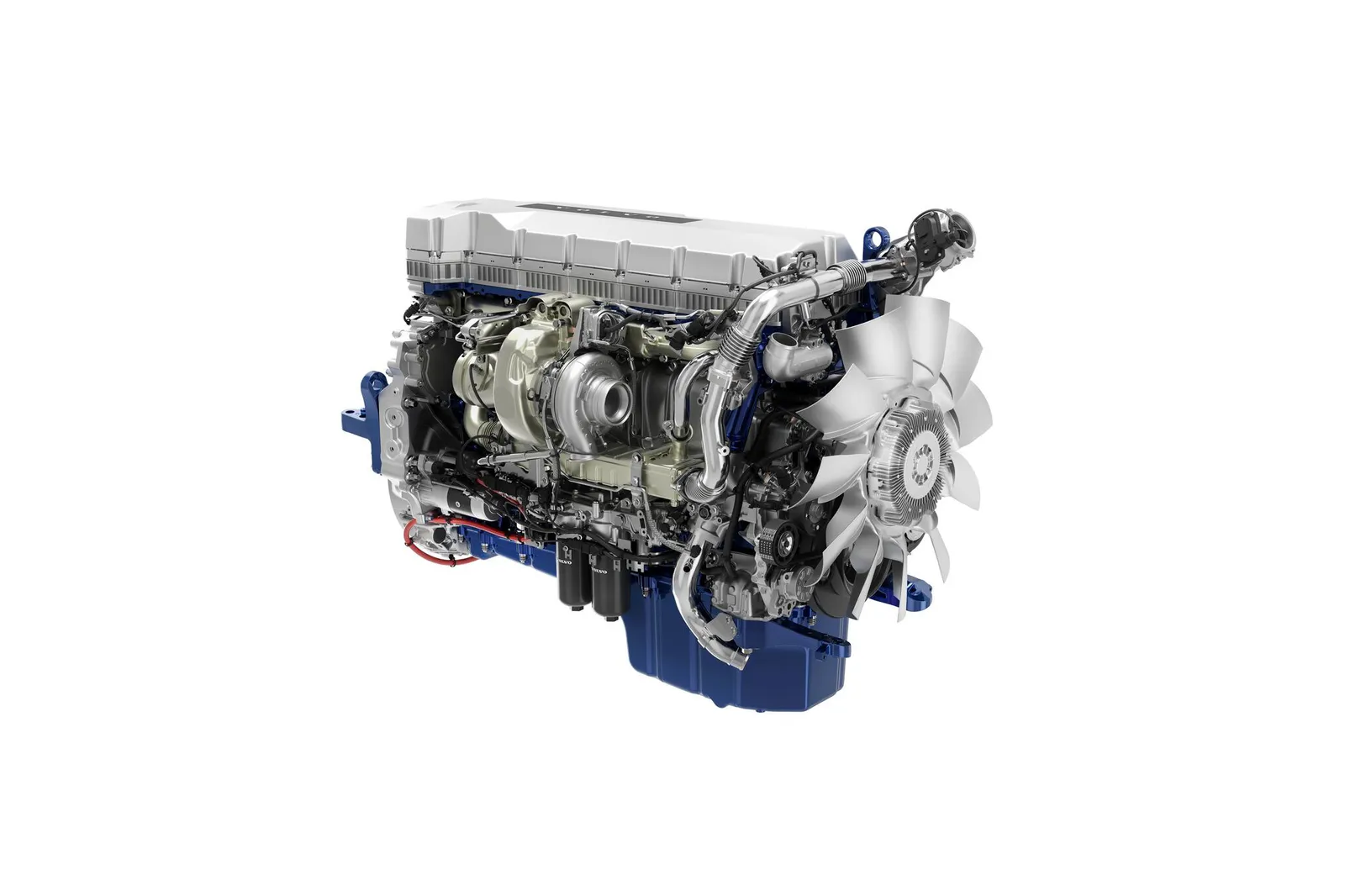
New technologies for greater fuel efficiency and fuel flexibility
With a constant focus on improving fuel efficiency, Volvo Trucks has developed one of the most fuel-efficient engine generations available on the market.
Launched in early 2024, the Volvo Aero range cuts fuel consumption by up to 5% compared with the previous model, while the all-new in-house-developed engines will deliver additional fuel savings of up to 4% across a wide range of applications and segments.
The new platform features a significantly enhanced version of the Volvo Engine Brake for much improved drivability, new piston and turbocharger designs, and a further-developed version of Volvo’s globally popular I-Shift automated gearbox. Both the diesel and gas versions will deliver significantly higher torque.
In addition, many variants of the diesel version of the new engine are compatible with I-Roll with engine shutdown functionality, enabling more customers to save fuel by switching off the engine on downhill stretches.
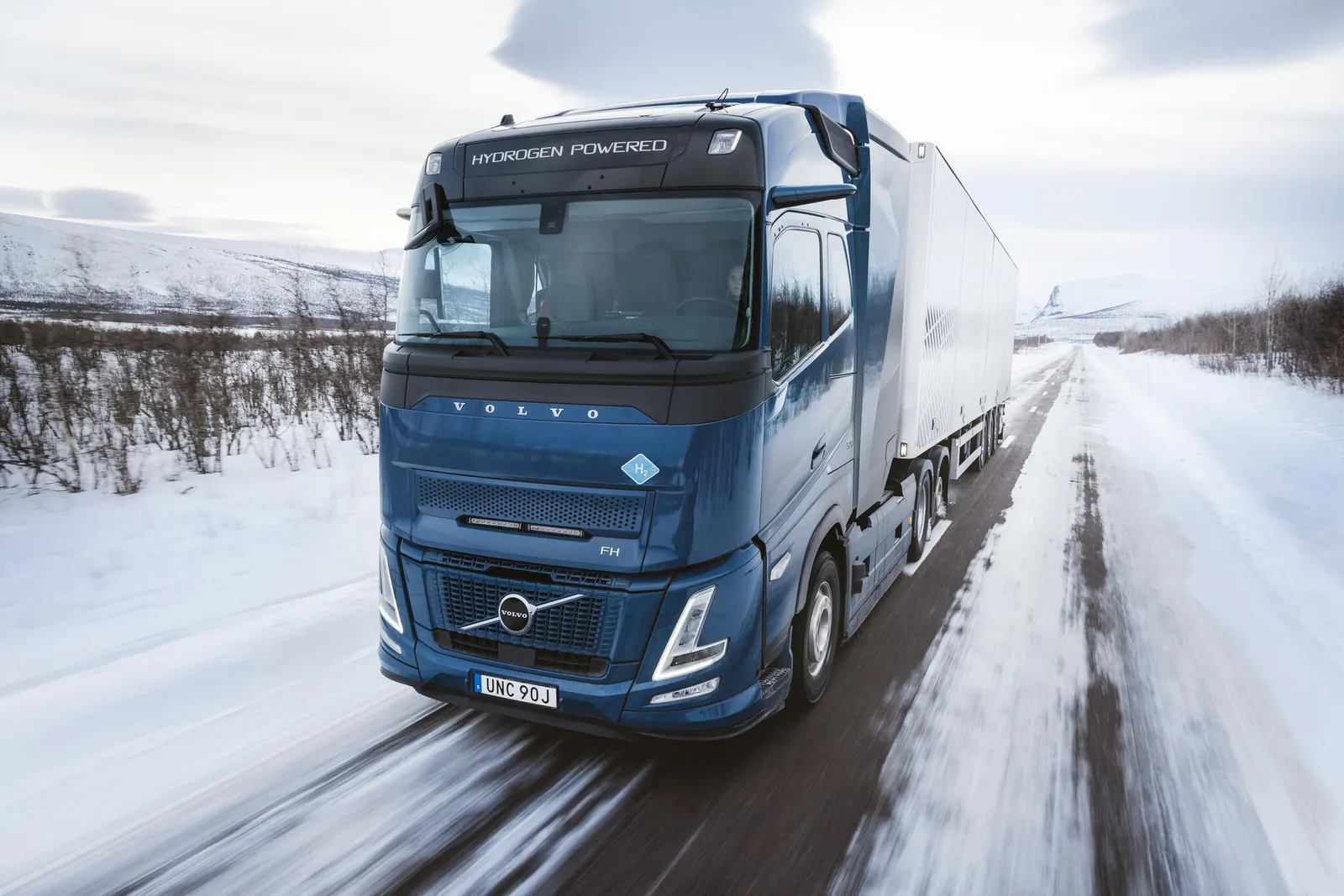
Volvo Trucks is leading the transition to fossil-free transport, aiming to achieve net-zero emissions by 2040 through a three-pronged technology strategy. The approach is based on battery-electric vehicles, fuel-cell electric vehicles and combustion engines running on renewable fuels such as green hydrogen, biogas (bio-LNG), biodiesel and HVO (renewable diesel).
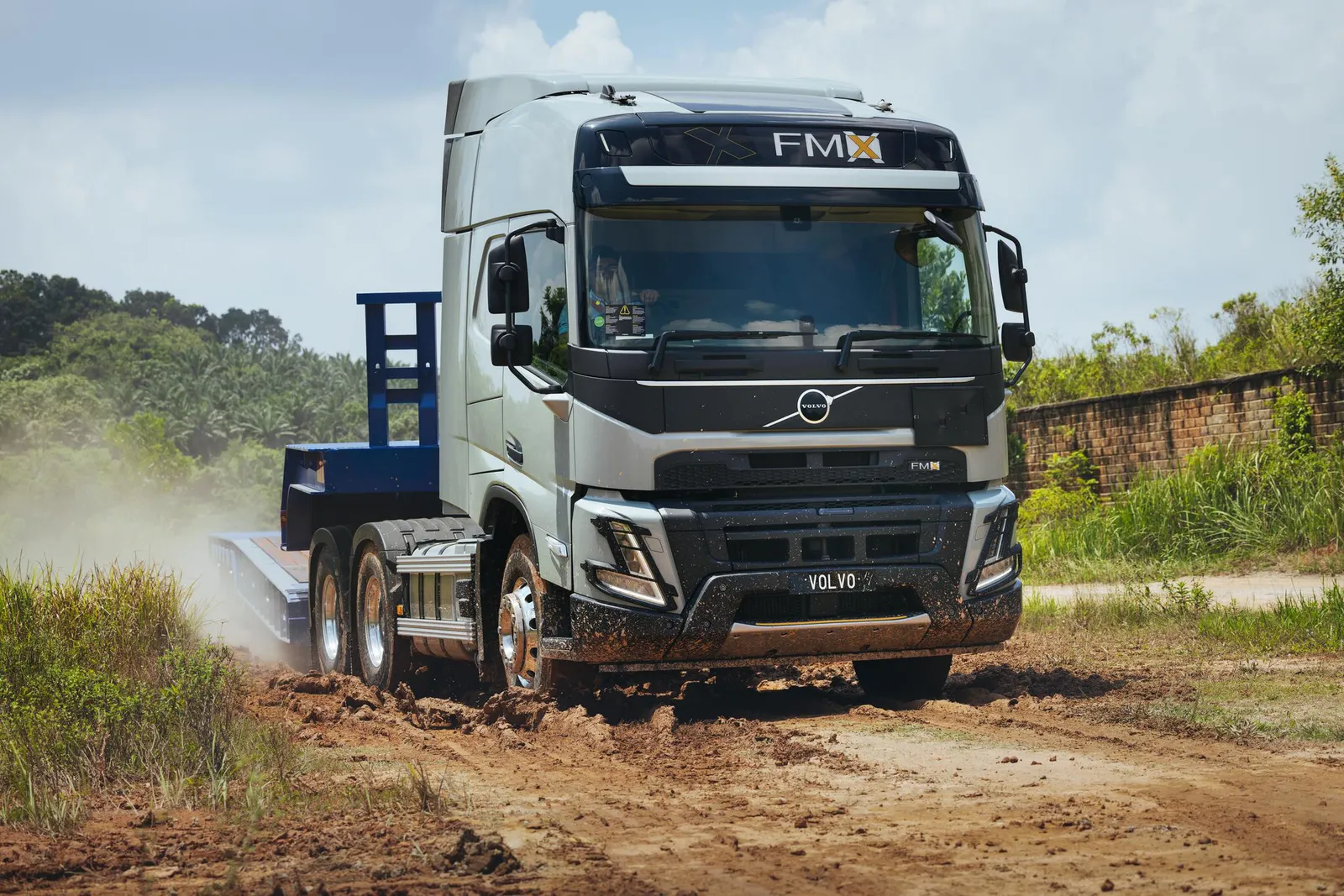
Volvo Trucks’ new combustion engines: facts
- The new engine platform is compatible with alternative fuels such as biodiesel/B100, HVO, biogas/bio-LNG and green hydrogen
- The D13 engine will deliver 380 to 560 hp and 1,800-2,900 Nm of torque.
- The G13 version delivers 420 to 500 hp and 2,400-2,800 Nm of torque.
- The new Euro 6 engines meet the latest legal requirements, including the new noise regulations, Phase 3, and are designed to meet future legislation.
- They will be available in the Volvo FM, FMX, FH and FH Aero models
- Sales will begin in the third quarter of 2026
- The new engines will be rolled out gradually worldwide
- The new engines will initially be produced in Skövde, Sweden, and the trucks assembled in Tuve, Sweden, and Ghent, Belgium
* Example based on simulations of a Volvo FH 42 T 500 hp, 35-tonne GCW, equipped with the new D13 engine and using cruise control, I-See and I-Roll with engine shutdown functionality, compared with the previous standard D13 eSCR engine, under representative European driving conditions.
Actual fuel consumption may vary depending on many factors, such as driving speed, use of cruise control, vehicle specifications, vehicle load, actual topography, the driver’s driving experience, vehicle maintenance and weather conditions.
Question about this story? Ask your question
Keep following this
Get an email when a new story is published. No account needed.
- ThemeLow-carbon transport and mobility
- SubjectEquipment and machinery