Volvo to launch electric truck with a range of 600 km
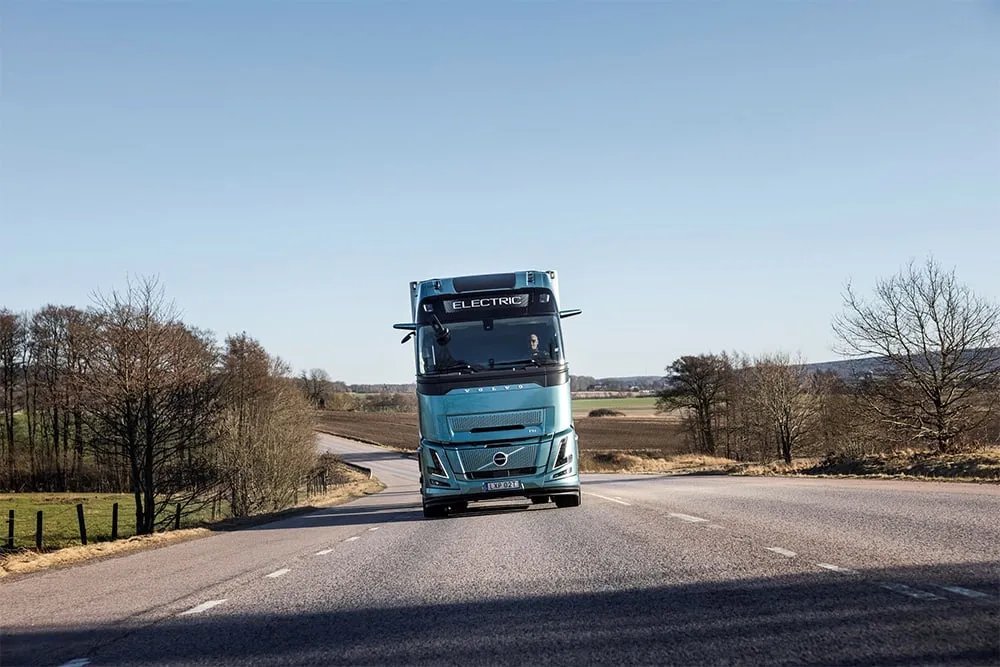
Up to 600 km on a single charge. That is how far Volvo’s next-generation heavy-duty electric truck will be able to travel. This extended range is a breakthrough for long-haul transport with no tailpipe emissions.

The electrification of heavy-duty trucks is continuing worldwide, and long-distance journeys are now becoming possible.
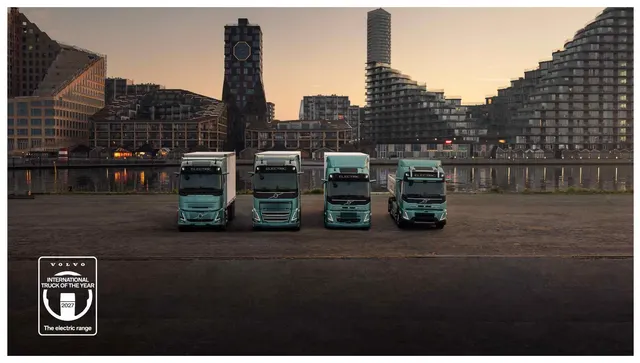
Next year, Volvo will launch a new long-haul version of its FH Electric, capable of travelling up to 600 km on a single charge. This will allow transport companies to operate electric trucks on interregional and long-distance routes, and drive for a full day without having to recharge. The new Volvo FH Electric will go on sale in the second half of 2025.
“Our new electric flagship will be an excellent addition to our broad range of electric trucks, enabling transport with no tailpipe emissions even over long distances. It will be an excellent solution for transport companies whose trucks have high annual mileage and who are strongly committed to reducing CO2,” says Roger Alm, President of Volvo Trucks.
Five years of electric leadership
The key to the 600 km range is Volvo’s new powertrain technology, called the e‐ axle, which creates space on board for a considerably larger battery capacity. More efficient batteries, a further improved battery management system and greater overall powertrain efficiency also contribute to the extended range.
Volvo Trucks is a global leader in medium- and heavy-duty electric trucks, with eight battery-electric models in its portfolio. Its broad product range makes it possible to electrify urban and regional distribution, construction, waste management and, soon, long-haul transport. Volvo has already delivered more than 3 800 electric trucks to customers in 46 countries worldwide. “The transport sector accounts for seven per cent of global carbon emissions. Battery-electric trucks are important tools for reducing the climate footprint. As well as delivering significant environmental benefits, electric trucks offer drivers a much better working environment, with far lower noise and vibration levels,” says Roger Alm.

Volvo Trucks is leading the transition to fossil-free transport as it works towards its net-zero emissions target for 2040, using a three-pronged technology strategy. This approach is based on battery-electric vehicles, fuel-cell electric vehicles and combustion engines running on renewable fuels such as green hydrogen, biogas or HVO (hydrotreated vegetable oil).
Question about this story? Ask your question
Keep following this
Get an email when a new story is published. No account needed.
- ThemeLow-carbon transport and mobility
- SubjectEquipment and machinery