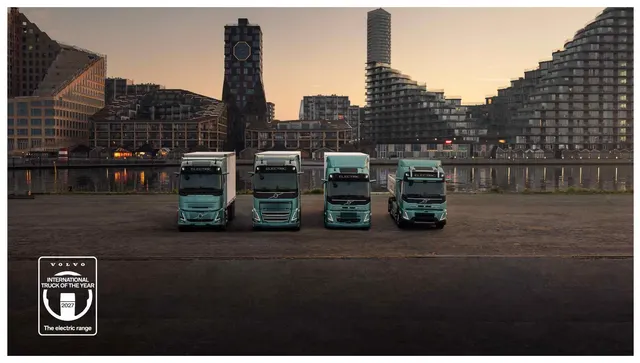
Volvo gas-powered trucks on the rise, enabling CO2 reductions of up to 100%
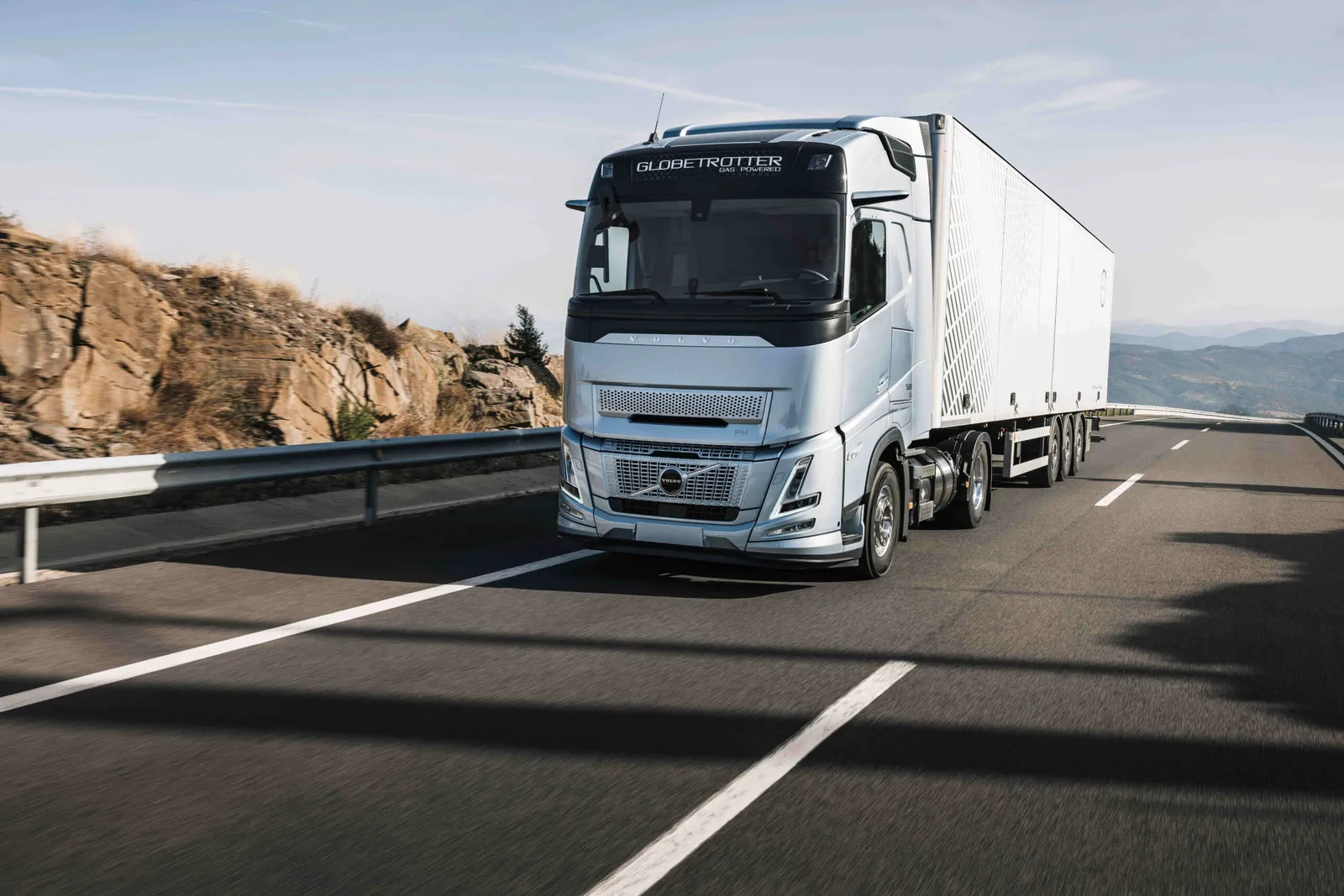
Demand for Volvo gas-powered trucks is growing, with sales up by more than 25% in 2024. Gas-powered trucks are an increasingly popular solution for transport companies looking to reduce their carbon footprint, with CO₂ emissions cut by up to 100% when renewable fuels are used.
Global customer demand for Volvo gas-powered trucks is growing, and Volvo Trucks has sold more than 8 000 units worldwide. In 2024, sales increased by 25%, with Sweden, Norway, the Netherlands, Spain and the United Kingdom among the leading markets. Volvo gas engines are available on the Volvo FM, FH and FH Aero models, which can switch seamlessly between biogas, a non-fossil gas produced from organic waste, and conventional liquefied natural gas (LNG).
Volvo gas-powered trucks can travel up to 1 000 kilometres, making them suitable for long-haul transport, regional distribution and construction work. They offer a credible alternative to other low-emission vehicles as companies seek solutions to become more sustainable.
“Many customers are replacing their diesel trucks with gas-powered trucks to cut their CO₂ emissions immediately,” says Jan Hjelmgren, Head of Product Management at Volvo Trucks. He adds: “Volvo gas-powered trucks enable transport companies to combine a lower total cost of ownership with a smaller carbon footprint, while maintaining productivity.”
Several countries already have an extensive network of gas filling stations, with growing access to biogas. Global biogas production increased by 21% in 2024*. This means that CO₂ reductions of up to 100% are becoming attainable for a large number of users. Biogas is a cost-effective alternative to diesel in markets where tax incentives and government subsidies are available for renewable and low-emission fuels. In addition, conventional LNG cuts CO₂ emissions by up to 20% (well-to-wheel) compared with diesel trucks.
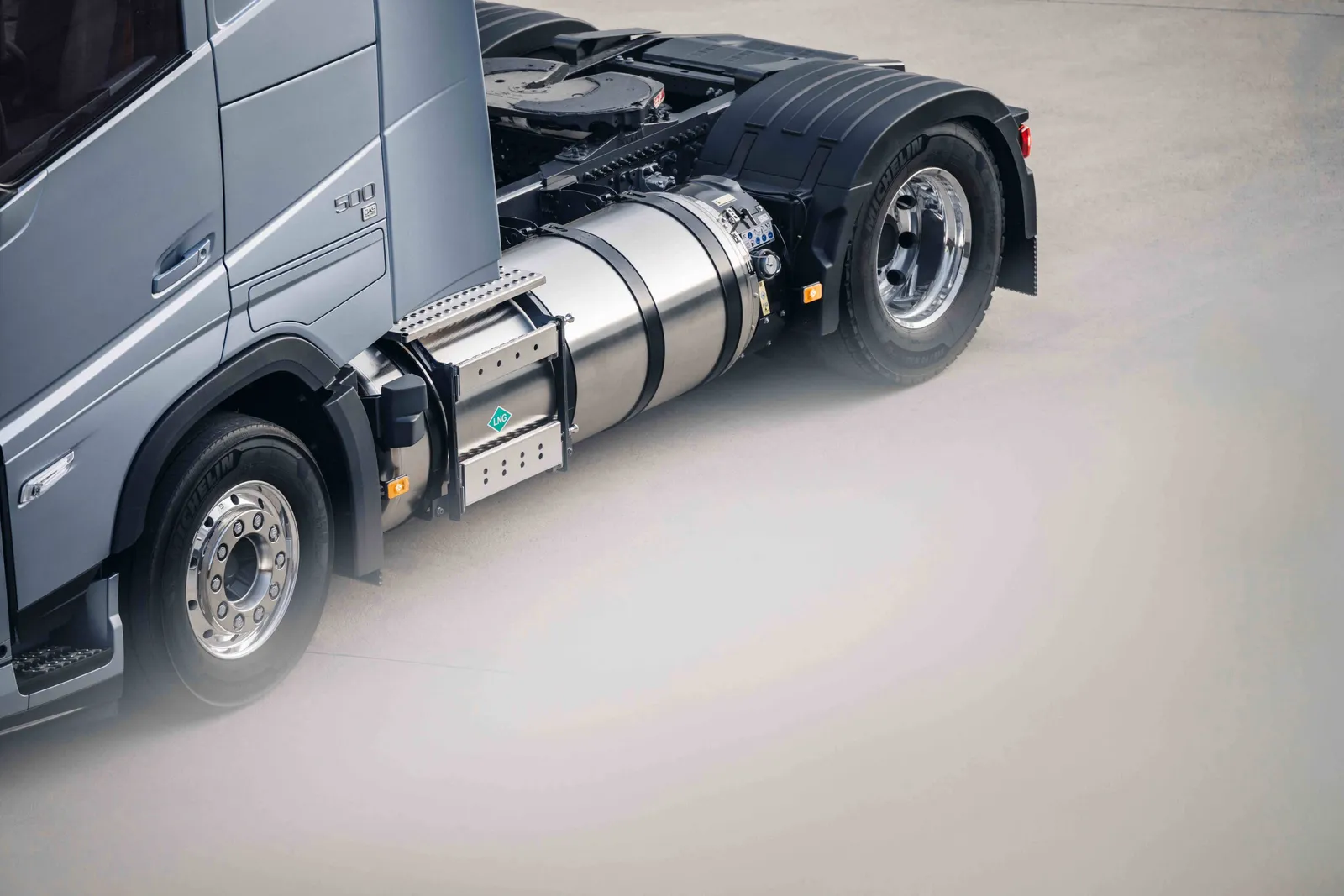
Significant savings in CO₂ and operating costs, with no compromises
Volvo offers exceptional gas engine technology based on its best-selling D13 diesel engine, delivering performance comparable to that of a conventional diesel truck while reducing CO₂ emissions.
“Our gas engines use advanced technology that clearly outperforms the competition in terms of power, torque, engine response and energy efficiency. Drivers particularly appreciate the low noise levels, power, handling and driving comfort,” says Jan Hjelmgren. “We believe gas-powered trucks have significant potential on the road to zero-emission transport.”
CO₂ reductions with gas-powered trucks: facts
- Switching from diesel to LNG: CO₂ reduction of up to 20% (tank-to-wheel)
- Switching from diesel to biogas/bio-LNG: CO₂ reduction of up to 100% (well-to-wheel)
- Bio-LNG is produced from household and agricultural waste, and wastewater.
- Bio-LNG offers the same performance, storage and refuelling as conventional LNG.
Volvo gas-powered trucks: facts
- Models available: Volvo FM, FH and FH Aero in 4×2, 6×2 and 6×4 configurations, certified for loads of up to 60 tonnes
- Volvo G13 LNG engine, based on the Euro 6 D13 diesel engine, with three power ratings: 420 hp / 2100 Nm, 460 hp / 2300 Nm and 500 hp / 2500 Nm
- Capacity of the largest fuel tank: 225 kg of gas, providing a range of 1 000 km. Bio-LNG offers the same performance, storage and refuelling as conventional LNG.
- Uses Cespira’s HPDI (High Pressure Direct Injection) technology: cespira.com
- Uses a small quantity of diesel for ignition; with HVO, CO₂ reductions of up to 100%
- Biogas is a key step in Volvo Trucks’ powertrain strategy to achieve carbon neutrality by 2040.
- Three-pronged strategy: battery electrification, fuel cells and combustion engines using renewable fuels.
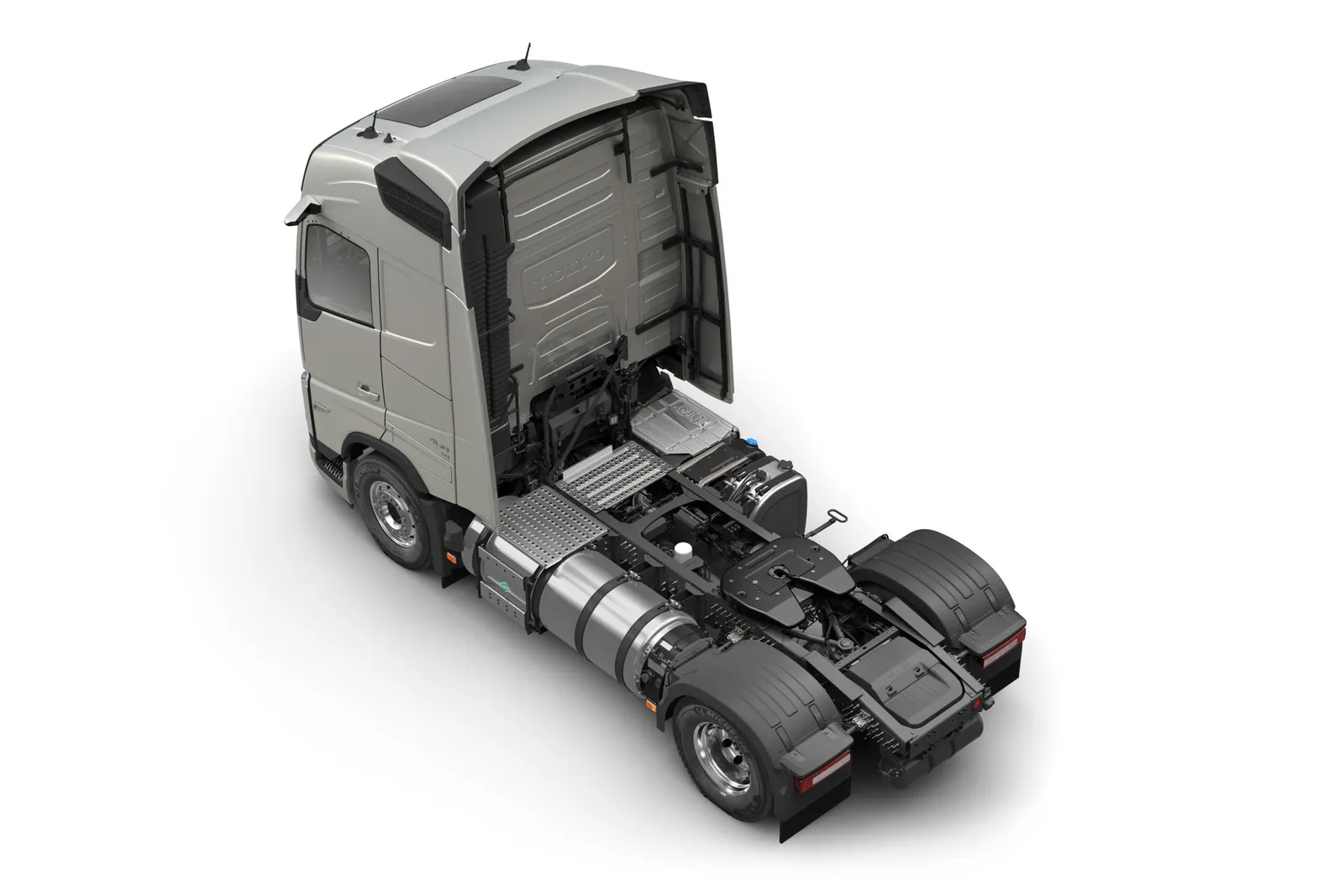
*According to a report by the European Biogas Association
Question about this story? Ask your question
Keep following this
Get an email when a new story is published. No account needed.
- ThemeLow-carbon transport and mobility
- SubjectEquipment and machinery