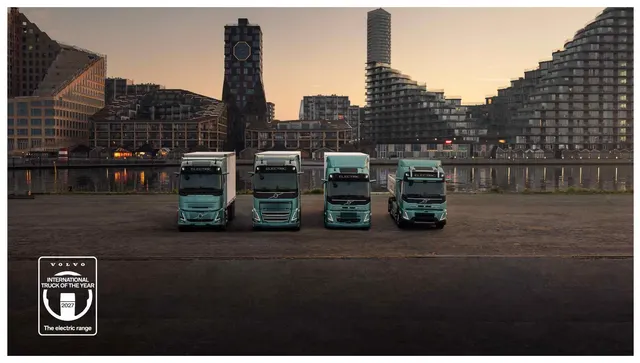
Volvo FH with I-Save wins on fuel economy in several tests
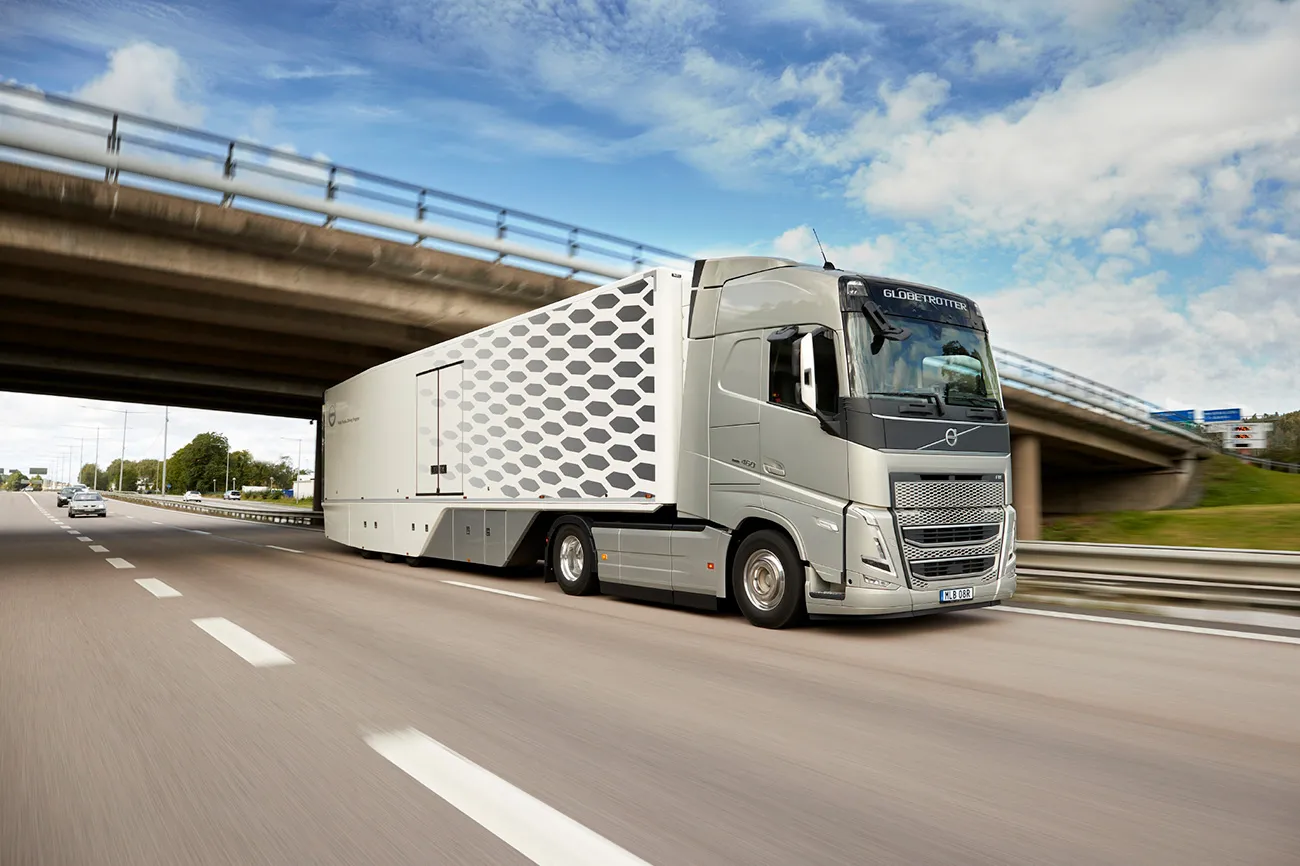
In several independent tests by German trucking magazines, the Volvo FH with I-Save came out on top for fuel economy when diesel and AdBlue consumption were combined, even though the truck tested did not feature Volvo’s latest fuel-efficiency updates.
Fuel costs are now more than ever a key concern for hauliers. Not only has the price of diesel soared recently, but many transport companies are also struggling with AdBlue prices, which have more than doubled.
“When investing in a new truck, it is more important than ever to take a close look at the truck’s total energy consumption,” says Peter Franzén, Product Manager Engines at Volvo Trucks.
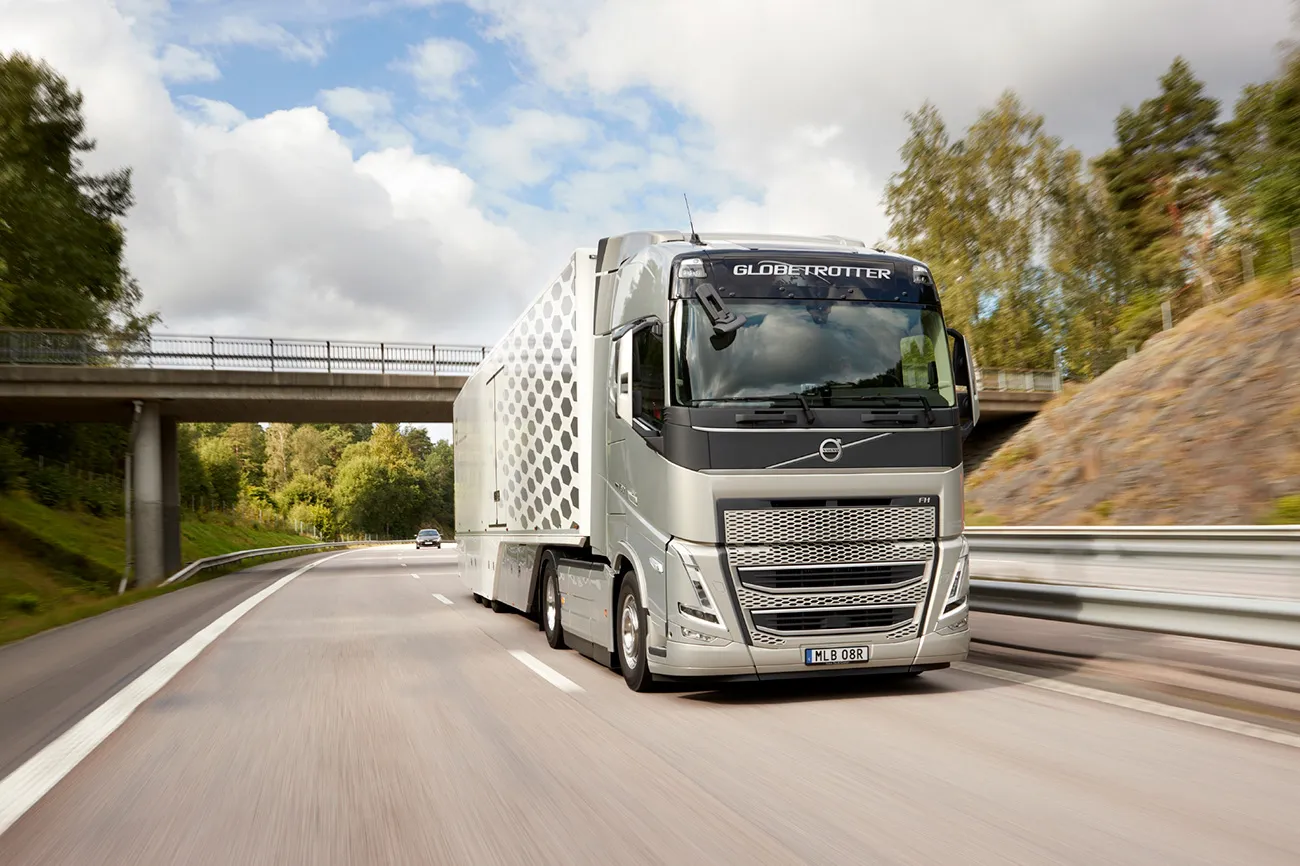
Wins on fuel economy in several tests
Independent German magazines “Trucker ” and “Transport ” recently tested the Volvo FH 500 with I-Save against trucks from other leading European competitors. The Volvo came out on top in both tests for fuel consumption, based on the combined consumption of diesel and AdBlue. Despite its low consumption, the Volvo truck also maintained a very high average speed in the truck test, and in the Transport magazine test it even beat the competition on speed.
“Our engineers have managed to combine high speed with very low fuel consumption, which is quite an achievement. You often have to choose one or the other, but we have proved that economy and performance can go hand in hand,” says Peter Franzén. “What is even more impressive is that we came out on top for fuel economy in both tests, even though the truck tested did not feature our latest fuel-efficiency updates, which will cut fuel consumption by a few more percentage points!”
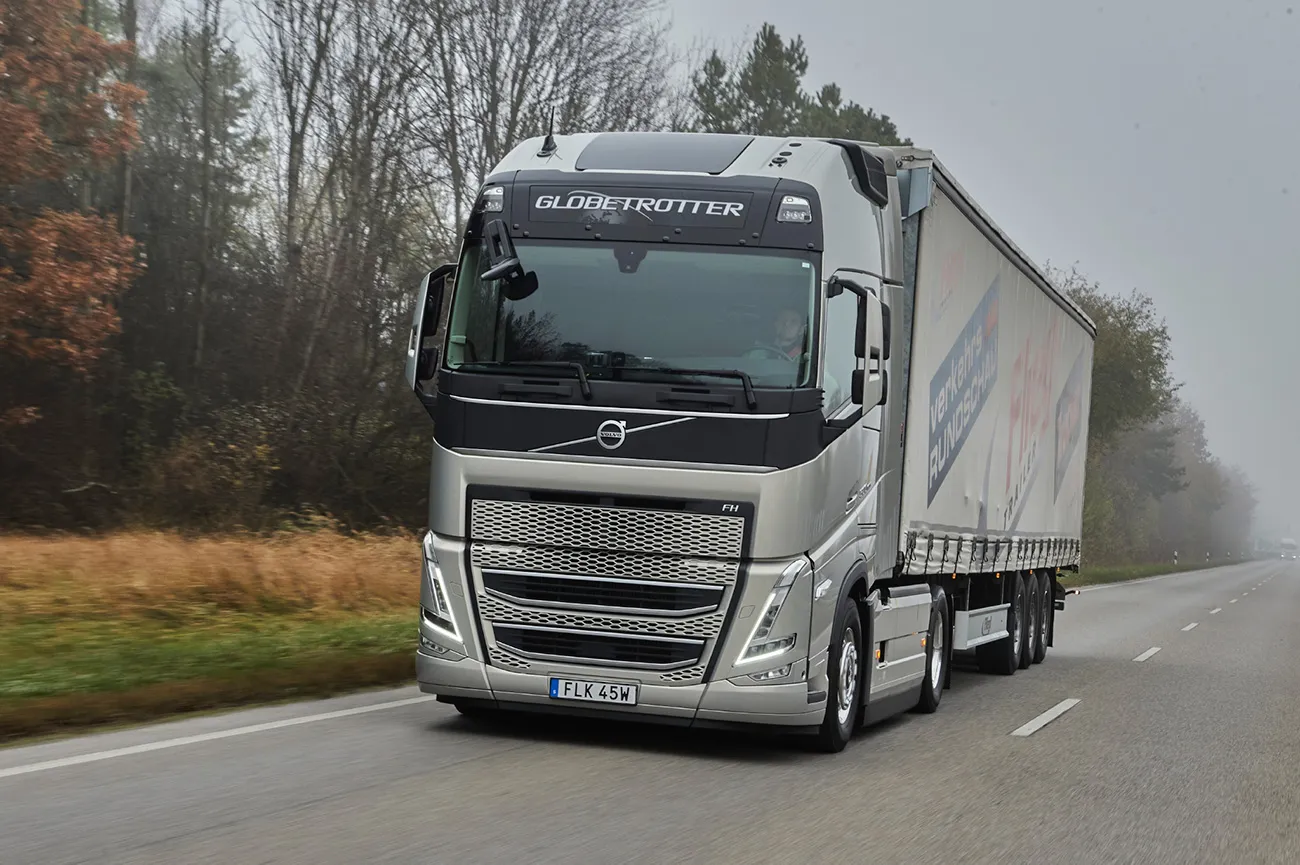
New improvements cut total fuel costs by up to 13%
The Volvo FH tested had the I-Save specification, a variant that combines various powertrain and software features to maximise fuel savings. At the heart of the I-Save concept is Volvo’s turbo compound engine, which makes it possible to drive at low engine speeds and high speeds for longer periods. With the improvements introduced recently, I-Save can deliver cumulative fuel savings of 13% compared with consumption levels when it was launched in 2019.
“To improve energy efficiency, we are taking our Volvo FH with I-Save even further to ensure the engine is fully optimised. Given the historically high energy prices
we are seeing at present, the timing could not be better,” concludes Peter Franzén.
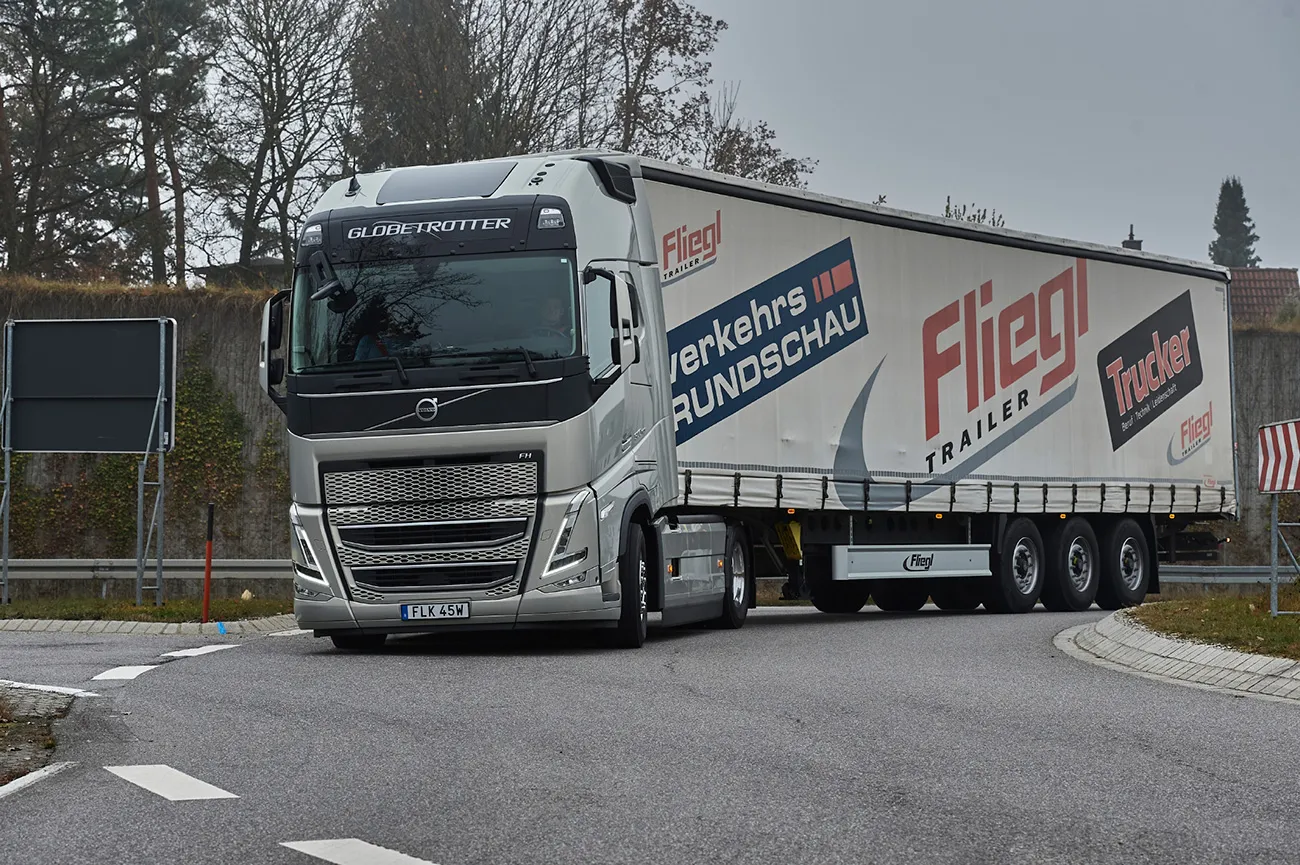
Details of the latest fuel-saving updates
The engine combustion process has been further improved by tailoring the injectors, compression and camshaft specifically to the new, refined pistons with their unique wavy design. Overall weight and internal friction have also been reduced. The high-performance turbocharger and oil pump have been improved, and patented enhancements have even been made to the oil, fuel and air filters to ensure better performance.
The updated engine works with the intelligent, automated I-Shift gearbox, which is now 30% faster. Its quicker response further improves fuel economy, handling and driving smoothness.
I-Torque is new intelligent torque software that improves energy efficiency by analysing topographical data for the planned route using the I-See function, and adapting the driving to the actual route. I-See uses information about the planned route to make the best possible use of the truck’s kinetic energy when driving over hilly terrain. The new I-Torque software optimises both gear selection and engine torque. The function examines the planned route and assesses the topography and vehicle weight to determine exactly how much torque the engine needs, and when, to ensure the highest possible energy efficiency.
When driving long distances, the truck’s aerodynamics play an important role in fuel economy. Several changes have therefore been made to improve airflow, including narrower gaps at the front of the cab and a longer door extension.
Together, these improvements deliver the greatest fuel savings and lowest total costs ever achieved by Volvo Trucks. It will be interesting to see how Volvo manages to improve on the result in future trade-press tests.
Question about this story? Ask your question
Keep following this
Get an email when a new story is published. No account needed.
- ThemeLow-carbon transport and mobility
- SubjectEquipment and machinery