Powerful and fuel-efficient: discover Volvo’s future hydrogen truck
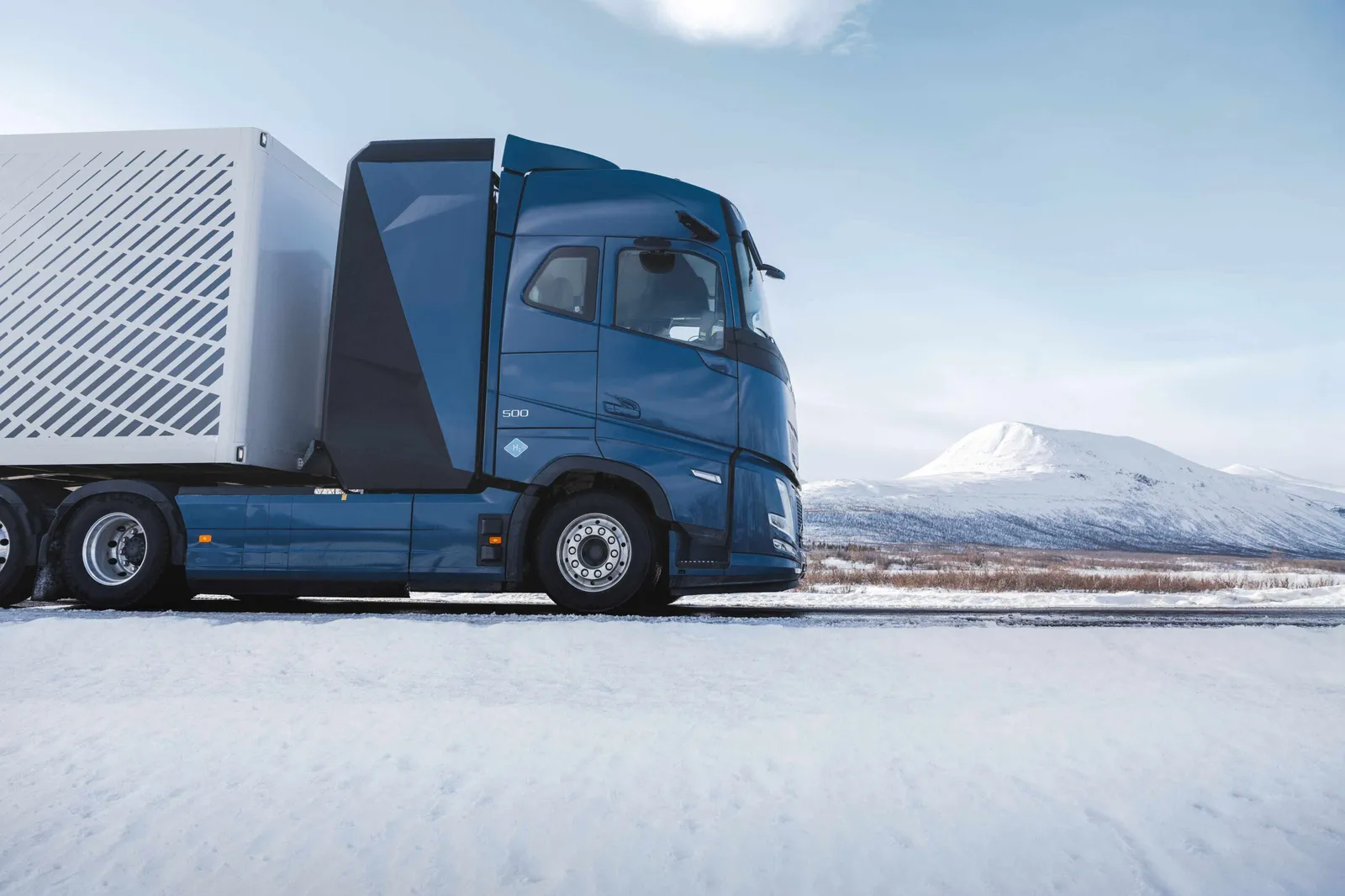
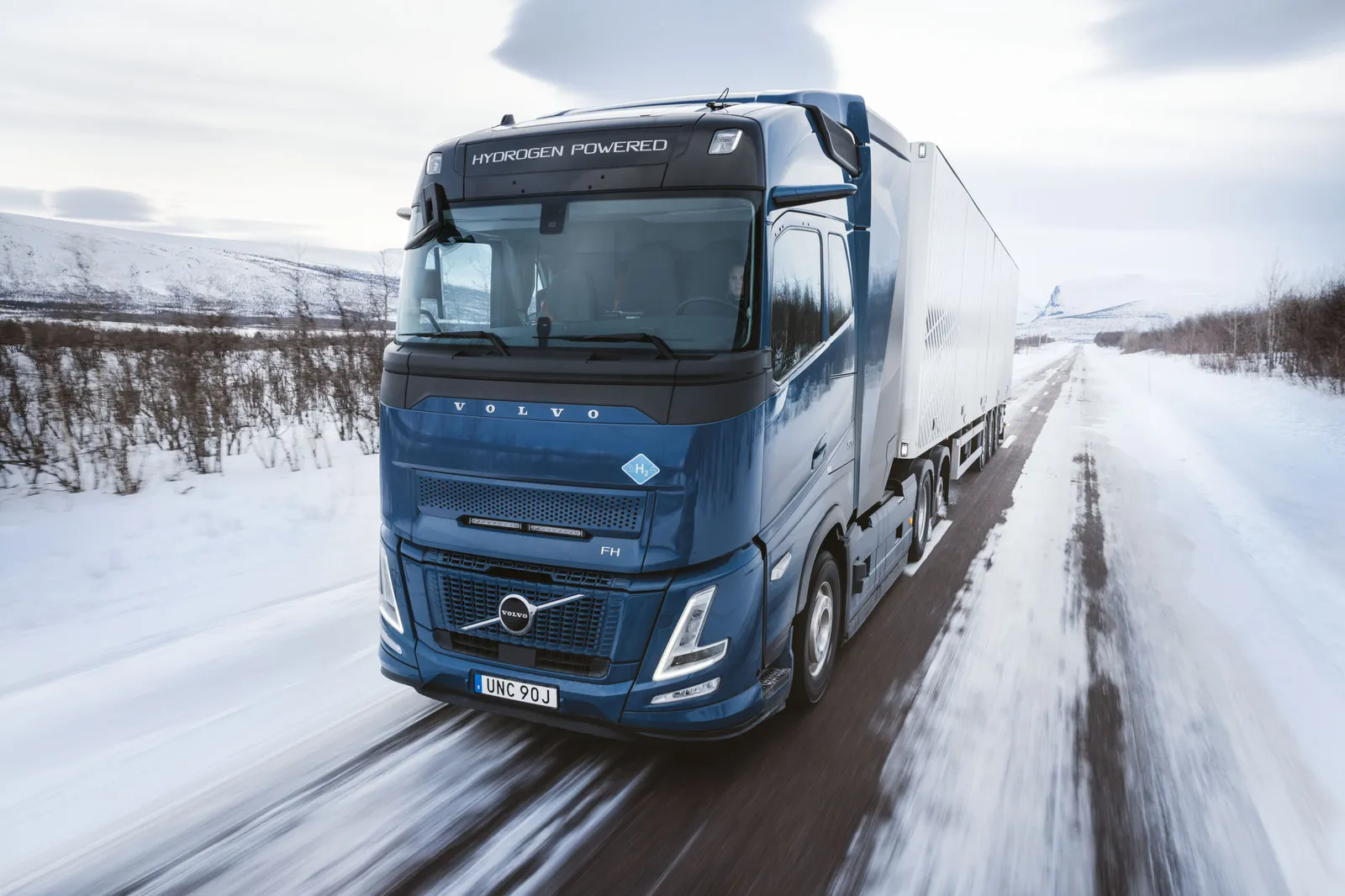
Volvo Trucks has begun road testing heavy-duty trucks equipped with hydrogen-powered combustion engines. Volvo’s hydrogen solution is at the forefront of the industry, with commercial launch planned before 2030.
Volvo is taking another step towards net-zero CO₂ transport by launching road tests of heavy-duty trucks equipped with hydrogen-powered combustion engines.
Volvo’s hydrogen trucks will deliver best-in-class performance, with greater energy efficiency, lower fuel consumption and increased engine power compared with conventional hydrogen combustion technologies.
This is made possible by HPDI (High Pressure Direct Injection) technology, which injects a small quantity of ignition fuel at high pressure to enable compression ignition before hydrogen is added. Volvo already uses this technology in its gas-powered trucks, with more than 10 000 units sold worldwide.
“Road testing is an important milestone for our hydrogen combustion engines. I am convinced they will be the best in the industry in terms of energy efficiency, power, torque and driveability. Customers will be able to use them just like diesel trucks. Our experience with HPDI technology in more than 10 000 gas-powered trucks is solid proof of its performance,” says Jan Hjelmgren, Head of Product Management at Volvo Trucks.
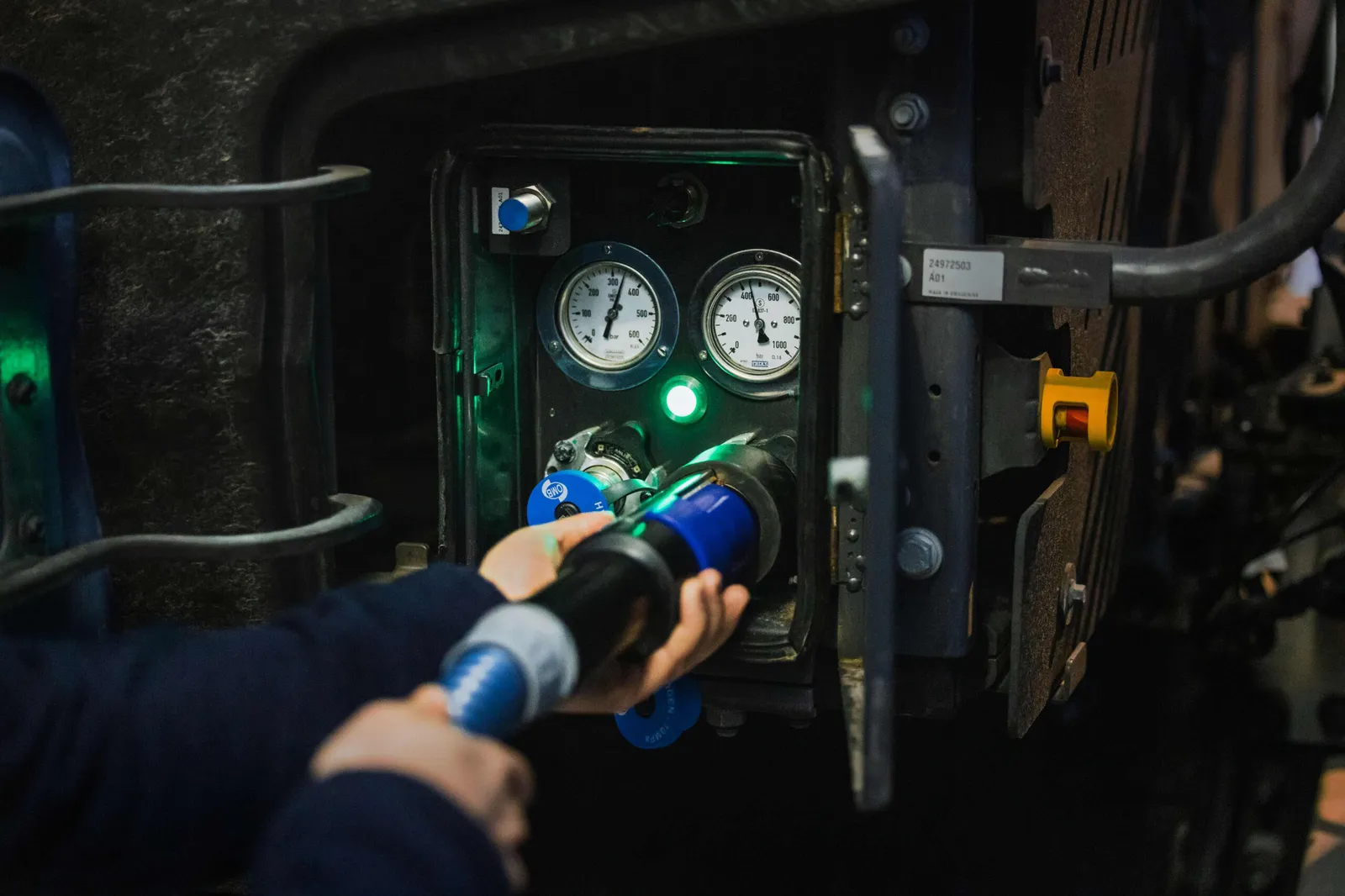
Hydrogen combustion engine trucks will be particularly well suited to long-haul transport and regions where charging infrastructure is limited or charging times for battery-electric trucks are too long.
Volvo trucks powered by green hydrogen have the potential to achieve net-zero CO₂ emissions from well to wheel when renewable HVO is used as the ignition fuel. They are classified as “zero-emission vehicles” (ZEVs) under European CO₂ standards.
Volvo’s advanced hydrogen engine technology is derived from its diesel powertrain, delivering similar performance to diesel while significantly reducing CO₂ emissions.
Hydrogen trucks will complement Volvo’s offering, which also includes battery-electric trucks, fuel cell electric trucks and trucks powered by renewable fuels such as biogas and HVO (hydrotreated vegetable oil).
“We see great potential for hydrogen combustion trucks, which will play a role in the transition to emission-free transport. Several technologies will be needed to decarbonise. As a global truck manufacturer, we offer different solutions and help our customers choose the best option based on their transport mission, available infrastructure and the price of green energy,” says Jan Hjelmgren.
Facts about Volvo trucks with hydrogen combustion engines:
- Volvo trucks will use Cespira’s HPDI (High Pressure Direct Injection) technology (www.cespira.com)
- Their range will exceed the daily driving distance of many customers
- Thanks to their low CO₂ emissions, they are classified as “zero-emission vehicles” under European standards
- Hydrogen can also power fuel cell electric trucks, which emit only water vapour
- Volvo plans to launch fuel cell trucks in small volumes before 2030
- Volvo’s strategy is based on three pillars: battery electric, fuel cell electric and combustion engines using renewable fuels.
Question about this story? Ask your question
Keep following this
Get an email when a new story is published. No account needed.
- ThemeLow-carbon transport and mobility
- SubjectEquipment and machinery