Discover Volvo’s new electric truck: 600 km range and ultra-fast charging
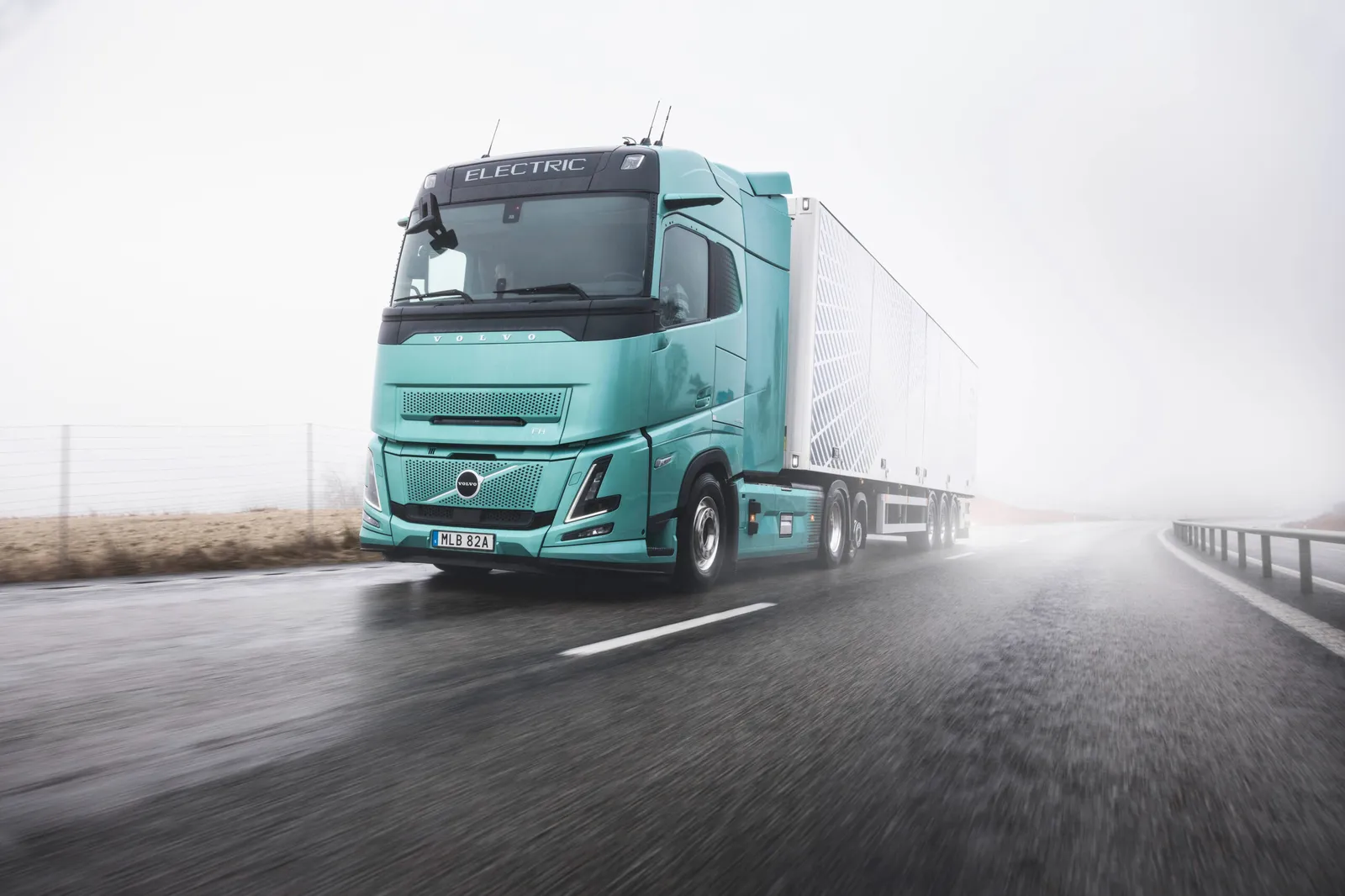
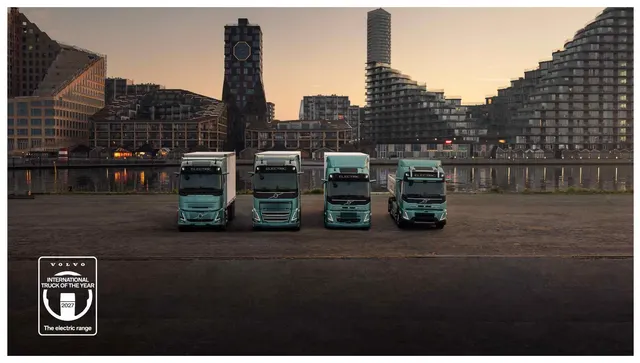
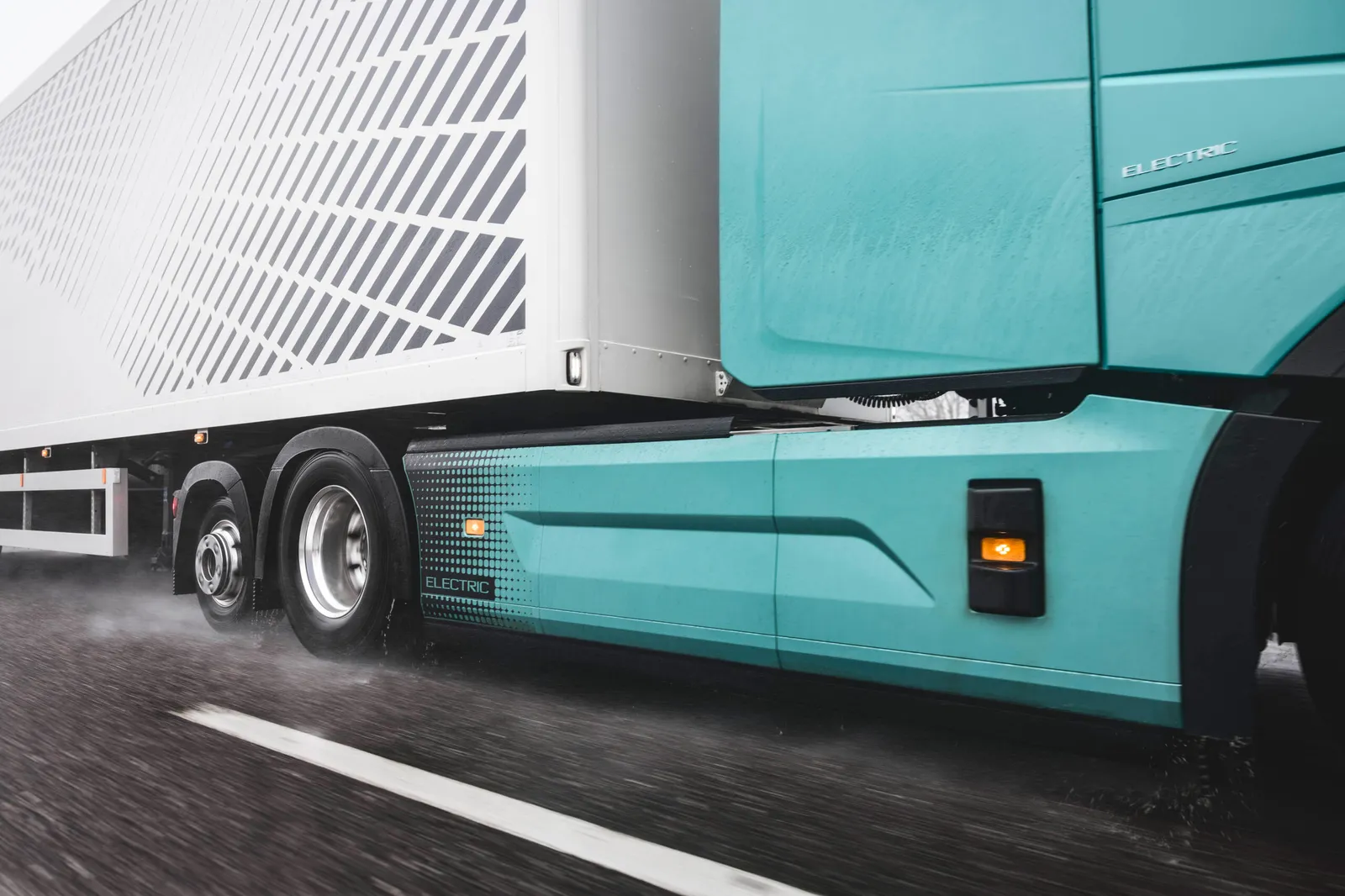
Volvo’s new long-haul electric truck offers a range of up to 600 kilometres and its batteries can be recharged in 40 minutes. For the very first time, Volvo unveils its new electric heavy-duty flagship, which could revolutionise long-haul road transport.
Volvo Trucks will officially launch and start accepting orders for its new long-haul electric truck, the Volvo FH Aero Electric with e-axle, in the second quarter of 2026. However, images and further details are being revealed now, and customers can sign a letter of intent to buy the new truck.
The new FH Aero Electric has been designed for long-haul transport, a segment that accounts for a large share of road transport CO2 emissions and has so far been difficult to electrify. The new truck will offer fast-charging capability and a range of up to 600 km in 100% electric mode.
“This is a real breakthrough in zero-emission transport. Transport companies can now cover very long distances with electric trucks without compromising productivity. Ultra-fast charging and high payload capacity make it a highly competitive solution,” says Roger Alm, President of Volvo Trucks.
“Electric trucks operating on long-haul routes will make a significant contribution to reducing CO2 emissions in our sector, because this is where the greatest savings per truck can be achieved. This is excellent news for transport companies and society.”
Ultra-fast charging in 40 minutes
The batteries in the new long-range Volvo FH Aero Electric will charge faster thanks to its compatibility with the new MCS (Megawatt Charging System) standard. Charging the battery pack from 20% to 80% will take around 40 minutes, a duration that fits within the statutory break for truck drivers in the EU, thereby ensuring optimum productivity. With this fast-charging capability, long-haul electric transport can be completed in a single day.
High payload capacity
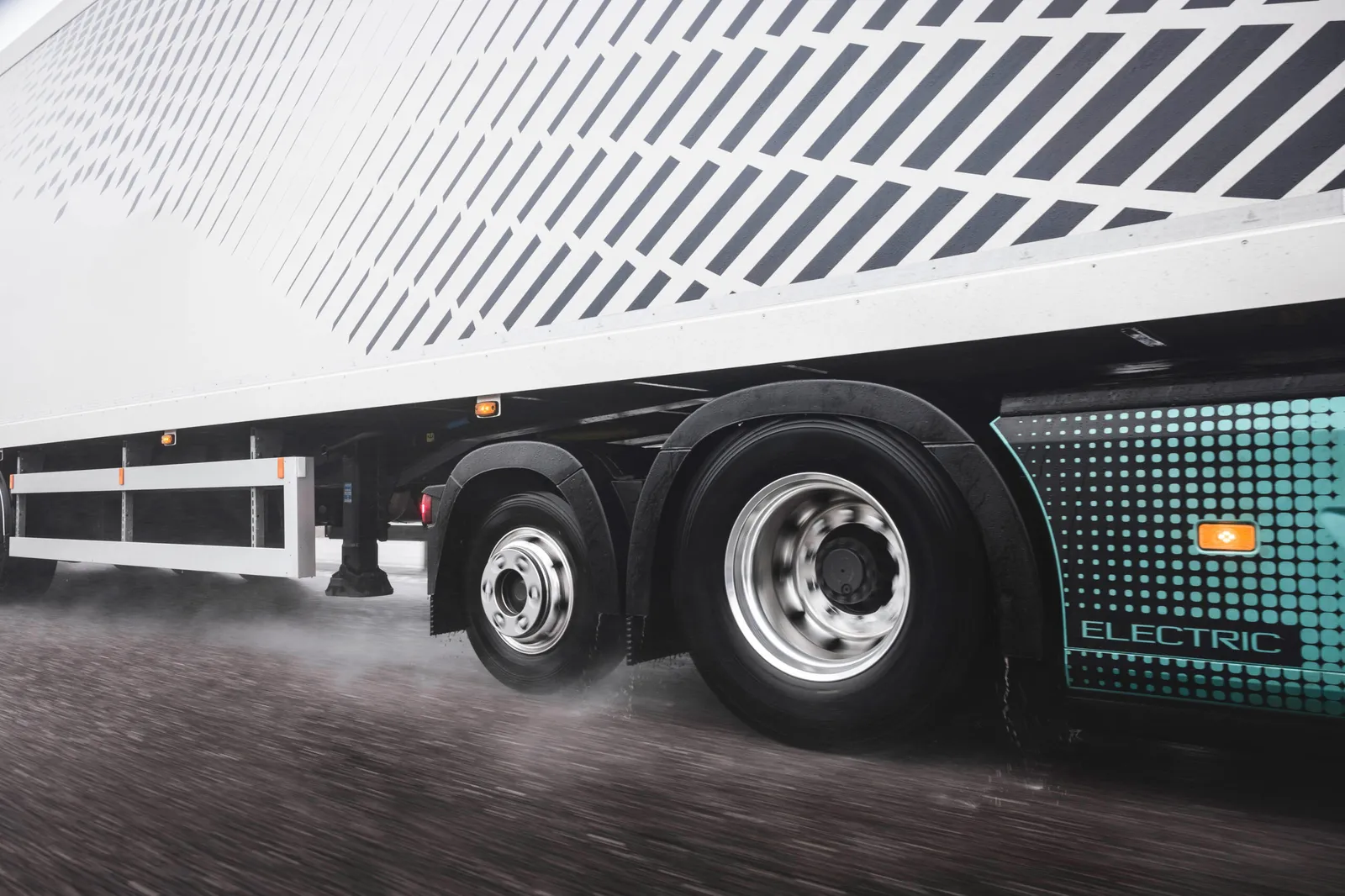
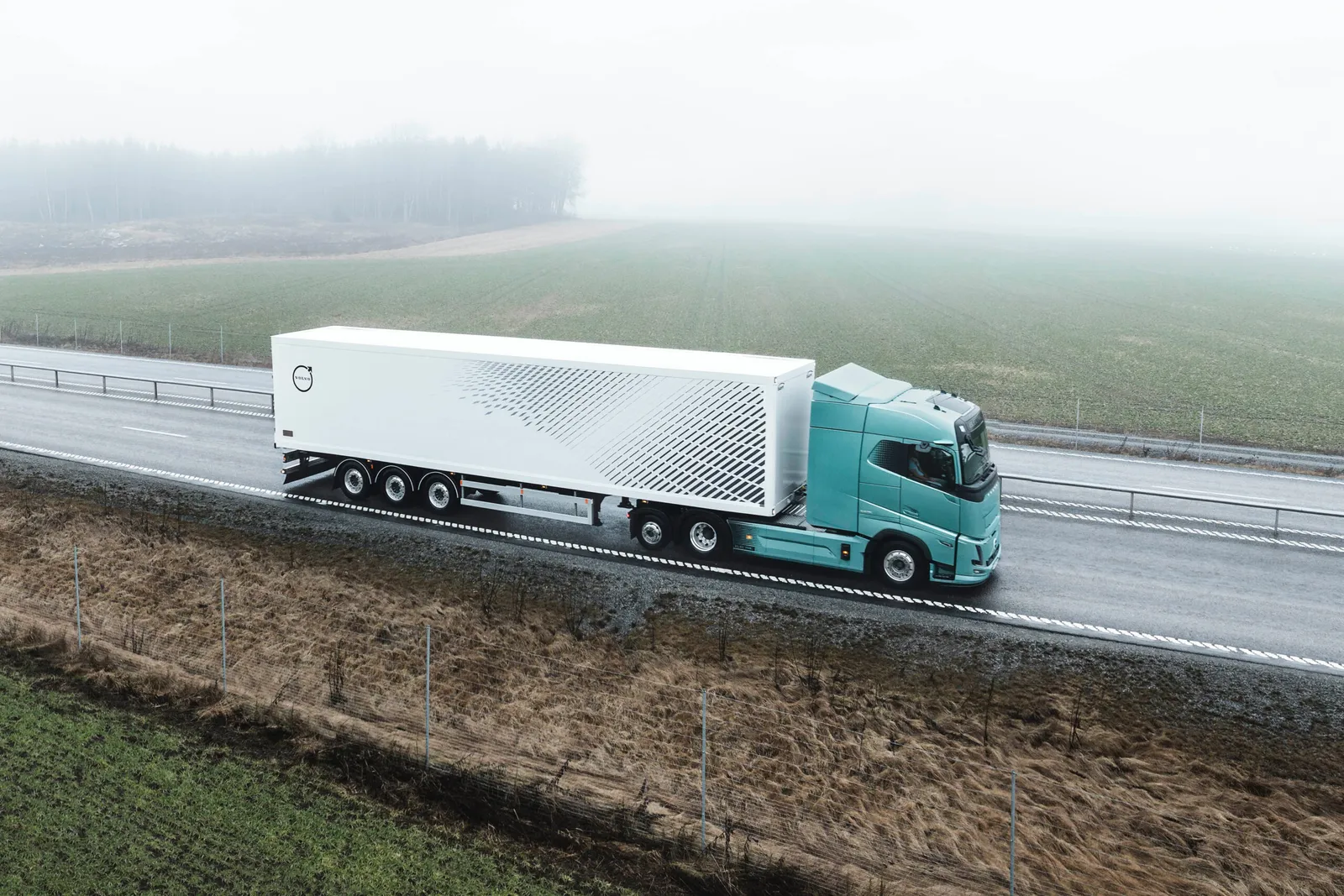
The new electric truck can reach a gross vehicle weight of 48 tonnes and offers a payload capacity close to that of a conventional diesel truck. This payload capacity is made possible by an additional tag axle (6×2 axle configuration), which allows more batteries to be carried and offers weight-distribution benefits, taking account of the extra weight of the batteries combined with that of heavy trailers.
The new Volvo truck’s extended range is made possible by its new transmission technology, called the e-axle, which frees up space for significantly greater battery capacity. The FH Aero Electric can carry 8 batteries, with an installed capacity of 780 kWh.
Comprehensive offering and extensive experience
The new truck, which will also be available with a standard cab, completes Volvo Trucks’ extensive range of electric trucks and related services. These services include assessing which routes can be electrified, enabling trucks to charge efficiently on the road and at depots, and providing detailed monitoring of electric fleet performance.
“We have the most comprehensive electric transport offering in the sector and more than five years’ experience supporting thousands of customers, large and small, in their transition to electric. Volvo Trucks is the ideal partner for companies looking to start decarbonising,” says Roger Alm.
Global leader in electric trucks
Volvo Trucks is a global leader in medium- and heavy-duty electric trucks, with eight battery-electric models in its portfolio. Its broad product range makes it possible to electrify urban and regional distribution, construction, waste management and now long-haul transport too. Volvo began series production in 2019 and has already delivered more than 5,000 electric trucks in 50 countries.
Strategy for zero emissions
Volvo Trucks is committed to the transition to fossil-free transport as it works towards its goal of carbon neutrality by 2040, pursuing a three-pronged technology strategy: battery-electric trucks, hydrogen trucks (fuel cell) and internal combustion engines running on renewable fuels such as green hydrogen, biogas or HVO (hydrotreated vegetable oil).
Question about this story? Ask your question
Keep following this
Get an email when a new story is published. No account needed.
- ThemeLow-carbon transport and mobility
- SubjectEquipment and machinery