Energy transition 2.0: urban heat networks highly recommended!
Texte Philippe Selke Photos bureau greisch
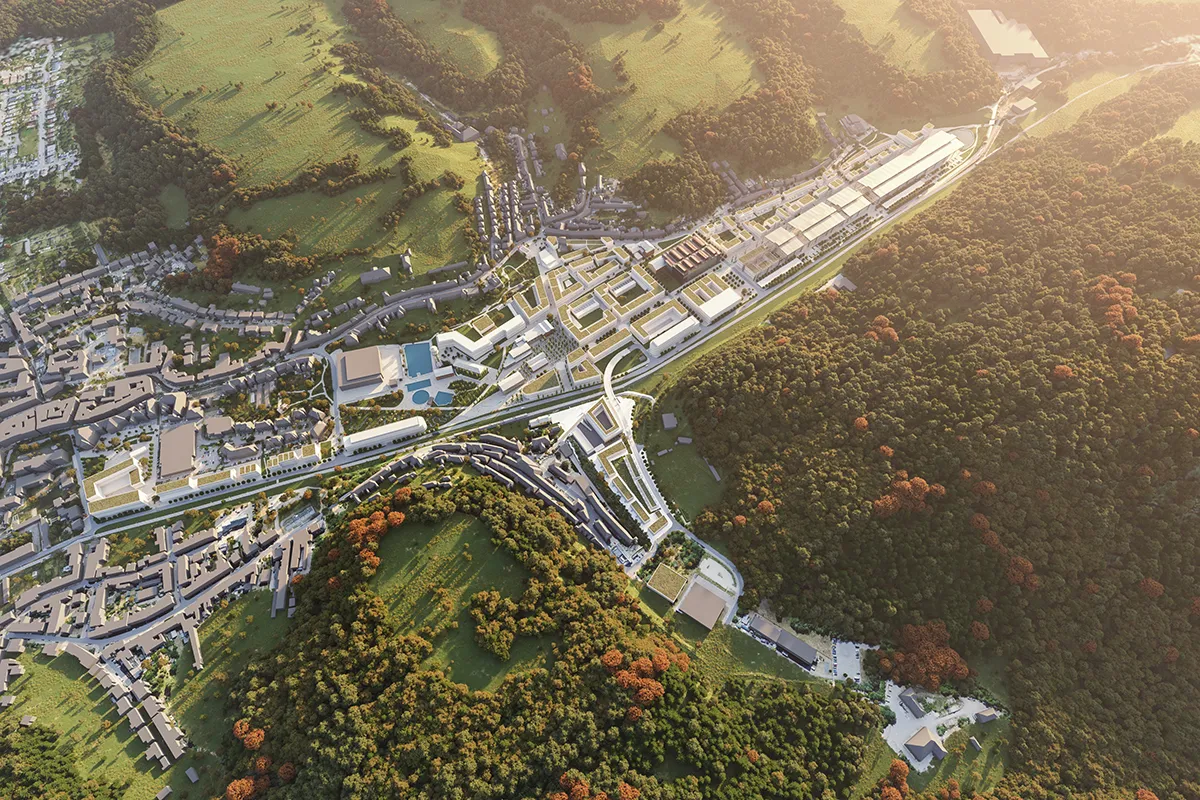
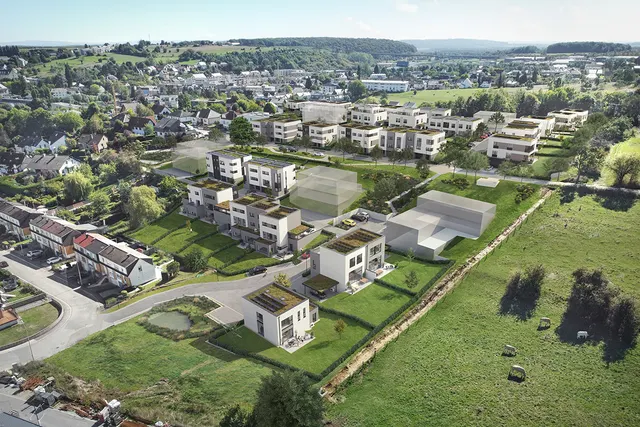
Often incorporated into brownfield redevelopment projects, district heating networks are common practice in the Grand Duchy. At Dudelange and Wiltz, 1,600 and 1,100 public housing units respectively are set to be built, each on around 30 hectares. greisch is contributing to the energy aspects of both projects, with solutions based on district heating networks that both integrate renewable energy sources, but are technically very different. Jean-François Maissin, project manager at greisch, explains how their designs differ to suit the specific characteristics of each site.
“A district heating network does not directly generate savings, given the losses along the pipework. To achieve a certain level of efficiency, many aspects need to be optimised, and that is what we are working on. We are currently designing next-generation urban networks for the Fonds du Logement, at Dudelange and Wiltz,” explains Jean-François Maissin, a qualified engineer and the team’s urban networks specialist.
By centralising heat production, district heating networks make it easier to integrate renewable energy sources. Jean-François Maissin explains: “There is no point in building a district heating network today if its main source of heat is fossil fuel. The key is to integrate renewable energy on a large scale. Hundreds of small units can be replaced with a handful of centralised, industrial-grade installations that deliver better efficiency and are easier to operate and maintain. This also frees up valuable floor space in each home. The result is a robust, more sustainable system that is relatively inexpensive in the long term…”
“NeiSchmelz” in Dudelange: low-temperature system and smart grid
This mixed-use residential and commercial project is due to get under way in 2027 on a former steelworks site. Under a framework agreement, the Fonds du Logement commissions greisch to carry out technical assignments on an à la carte basis.
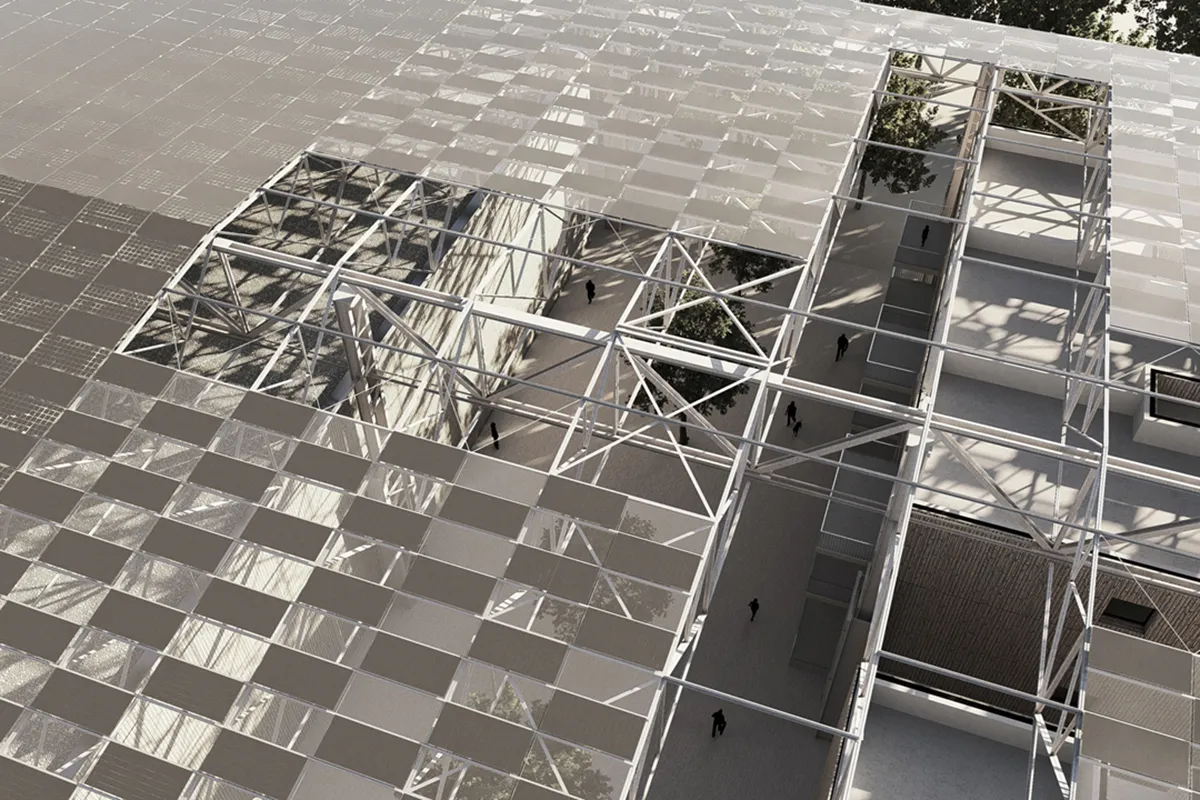
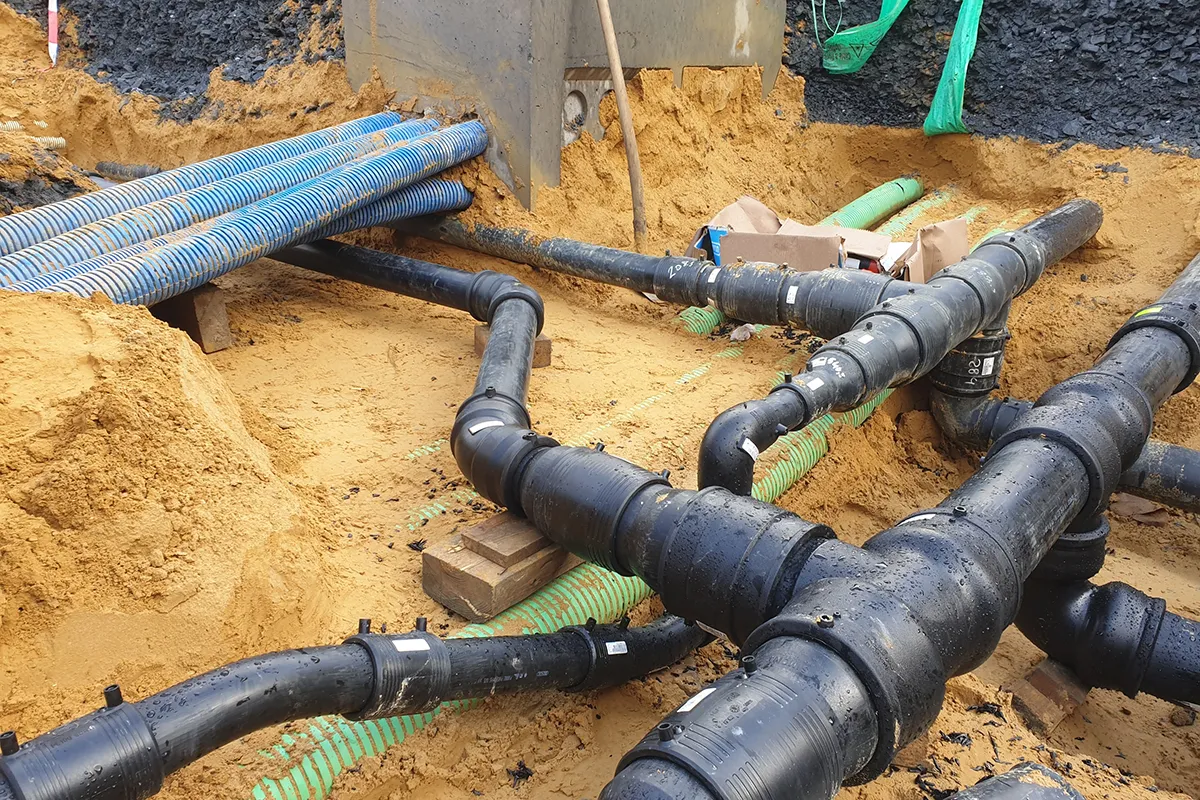
Serving mainly new, highly insulated buildings, the Dudelange district heating network will operate with low-temperature water (55°C) flowing through a pipe network designed to minimise losses (less than 4%). Jean-François Maissin explains: “The network’s main advantage is that it has been designed on the same principle as an electricity smart grid, enabling heat produced at different points across the site to be shared. Heat recovery is planned from wastewater (riothermy), surface water, spring water, mine water, air and the ground… Pressure-independent balancing and control valves, already widely used in buildings, are being deployed here across an entire neighbourhood. A huge former rolling mill, preserved as industrial heritage, will be covered with photovoltaic modules, with a total capacity of close to 5 MWp, intended to meet all the energy needs for heat production.”
“Wunne mat der Wooltz” in Wiltz: hybrid panels and ice storage tanks
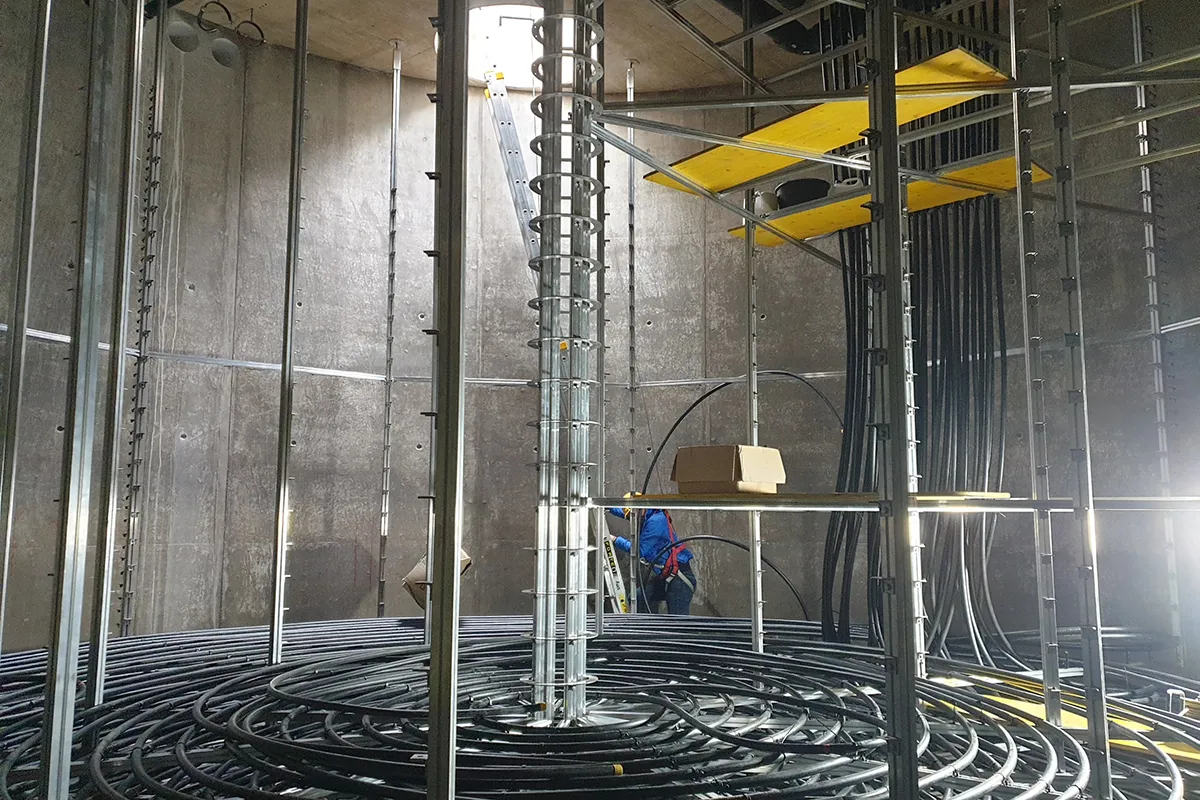
The Fonds du Logement has also appointed greisch to carry out the full scope of work on the energy project at Wiltz. The scheme is based on a radically different technical concept for producing hot water: ice storage tanks fitted with heat-exchange coils that store and release energy in solid and liquid form. These are connected via uninsulated pipes to centralised water-to-water heat pumps in each building, which are also covered with hybrid panels. The system extracts heat either from the air via the panels or from the ice storage tank. An alternative to geothermal energy, this solution can be used to heat and cool buildings if required. Here too, the concept is being applied innovatively on a very large scale.
A holistic approach and a vision for the future
Compared with Belgium, the work is made easier here by the fact that greisch has a single point of contact, the Fonds du Logement, which manages everything from A to Z, from infrastructure development to construction. Jean-François Maissin concludes: “The Fonds du Logement expects us to identify a business model that promotes a degree of energy independence from supply sources that may be under pressure. This fits well with our ambition to take a broader view than simply sizing a network. By understanding what can be implemented in the various buildings and the local context, we can assess all possible sources of production and recommend the most suitable options in light of the technical and economic constraints. Our studies are never more relevant than when we have complete oversight, from production through to heat supply.”
Question about this story? Ask your question
Keep following this
Get an email when a new story is published. No account needed.
- SubjectLuxembourg