Off-site construction in Wallonia: structuring a sector to build more, faster, better and more sustainably
Texte Admon Wajnblum Photos Chimsco, Prefabois et Stabilame
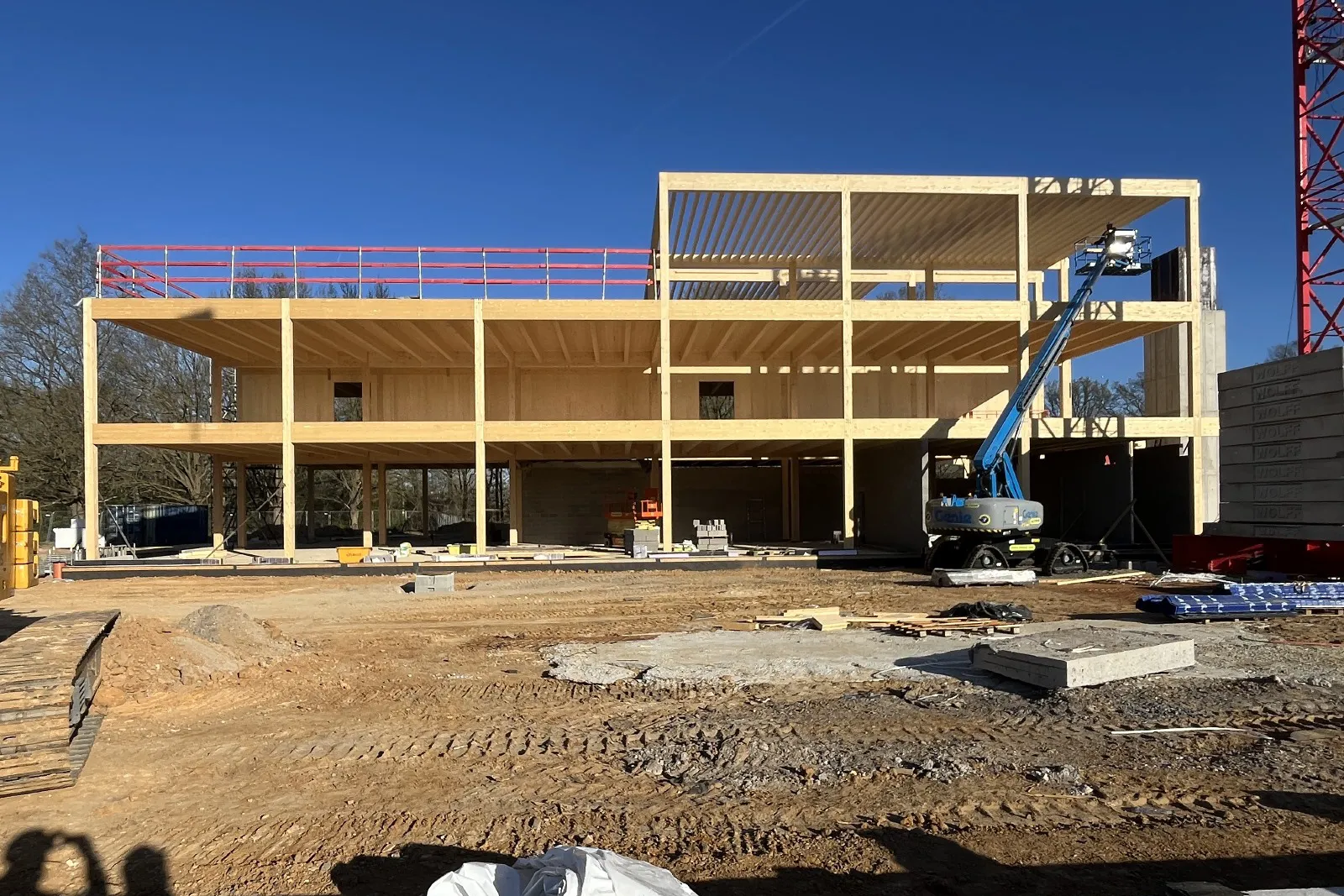
Against a backdrop of shortages of affordable housing, the climate emergency and pressure on human and material resources, off-site construction is emerging as a strategic response to the challenges facing the sector. But beyond being a construction method, it is a genuine opportunity to build an industrial sector in Wallonia. And in this drive, the timber sector has a decisive role to play, as demonstrated by initiatives led by Ligne Bois*, an organisation that informs, promotes and supports the Walloon timber sector.
A necessary step change
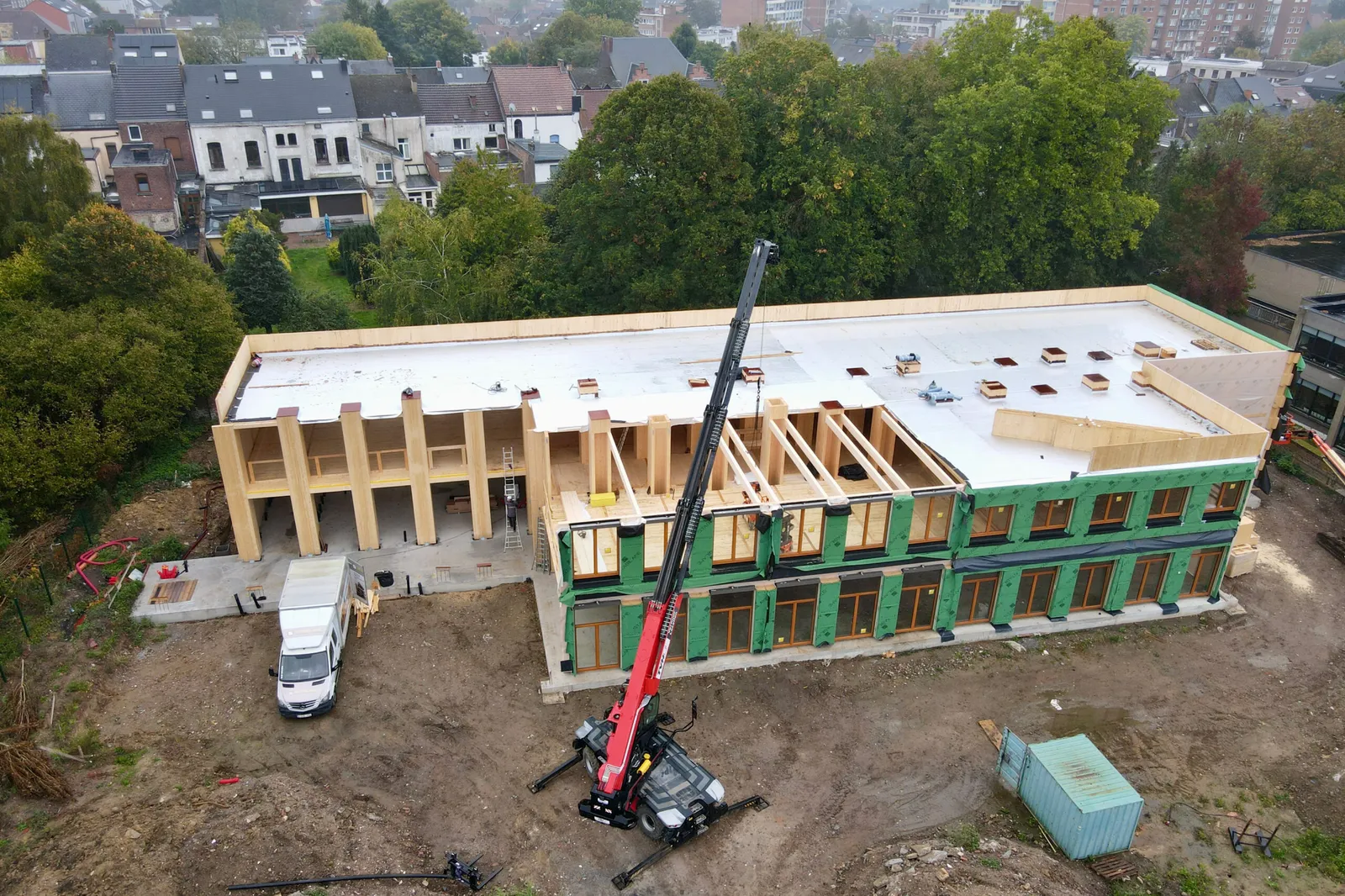
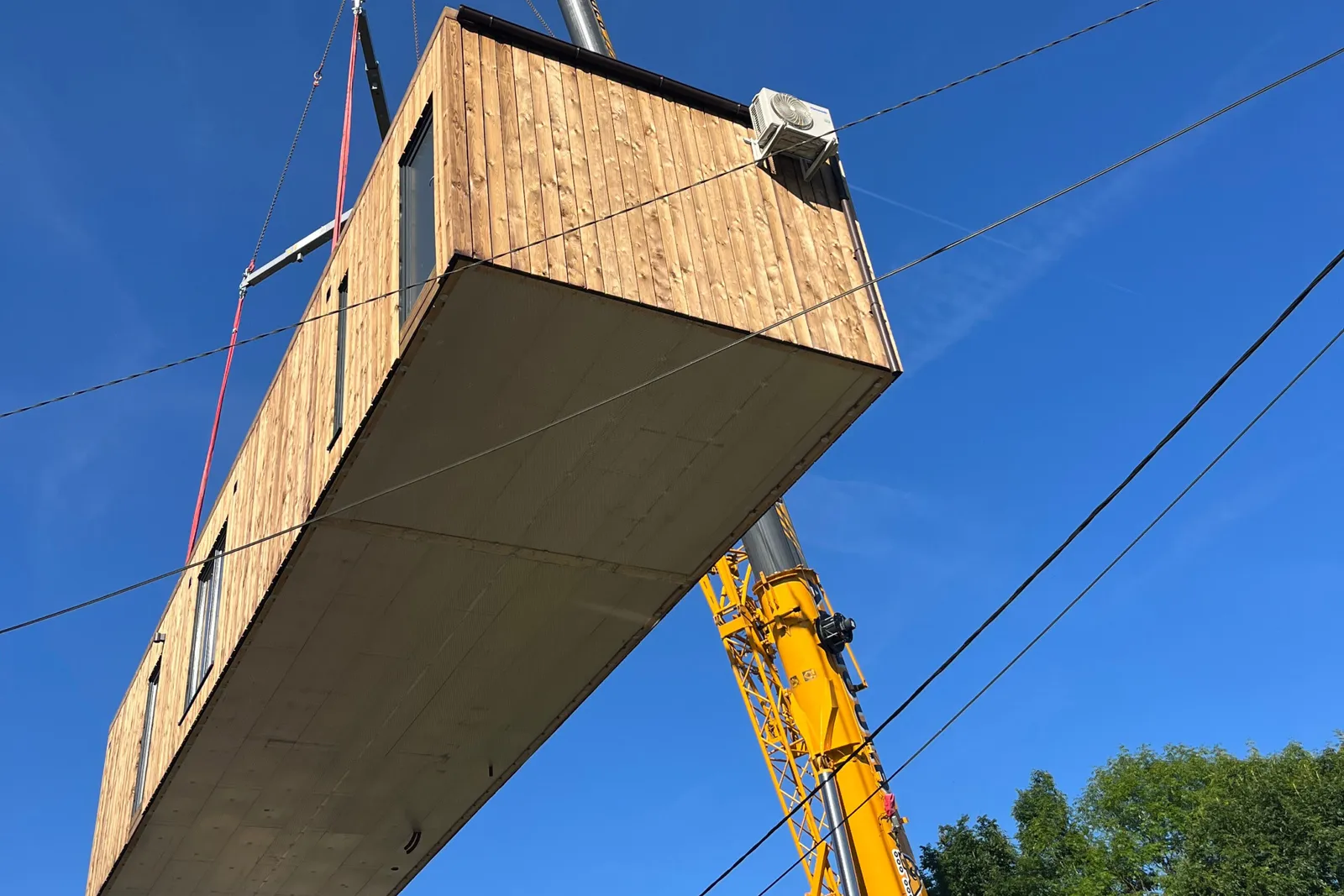
Off-site construction involves manufacturing 2D components (panels, walls, floors) or 3D components (volumetric modules) in a factory, before assembling them on site. This approach can reduce construction times, provide greater cost certainty, improve build quality and minimise disruption on site.
The challenge for Wallonia today is to make off-site construction part of a properly structured sector. This means meeting local needs for housing, public facilities and infrastructure while keeping public costs under control, and creating value in the region by supporting the industrialisation of construction, innovation and local employment.
Building this sector requires a shared vision, closer cooperation between stakeholders and a leading role for public procurement. Public procurement can steer contracts towards whole-life performance criteria covering energy, circularity, the use of bio-based materials, disassembly and durability, rather than focusing solely on immediate cost.
Supporting the growth of off-site timber construction
Aware of these challenges, Ligne Bois is adapting and strengthening its work accordingly. The conference being held as part of Bois & Habitat on 27 March reflects this commitment to structuring the sector around off-site construction, bringing together perspectives from manufacturers, architects, public-sector clients and policymakers. « A study tour to the Netherlands, planned for October 2026, where off-site construction is developing rapidly, will also give a delegation of timber-sector professionals the chance to observe models in which timber industrialisation, public procurement and architectural quality go hand in hand », says Aurore Leblanc, director of Ligne Bois. These are just some of the many initiatives aimed at strengthening the sector’s competitiveness and industrial capacity through shared industrial facilities, long-term contracting and the early involvement of designers.
Aurore Leblanc: « The aim is not to pit timber against other materials, but to position the timber sector as a central partner in a changing construction ecosystem, in dialogue with other sectors that are also organising around industrialisation. »
Timber, naturally suited to off-site construction
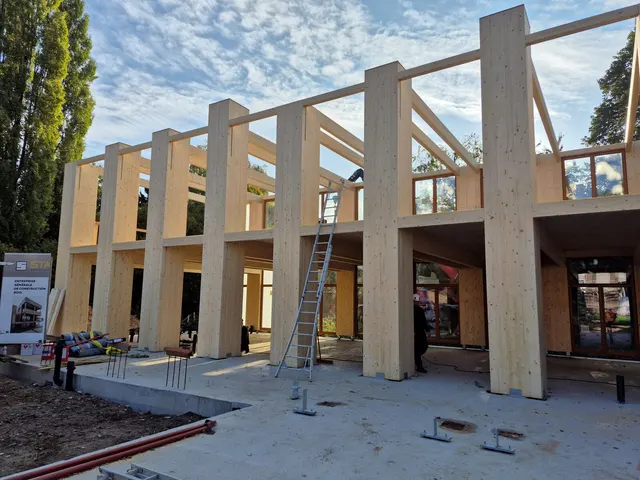
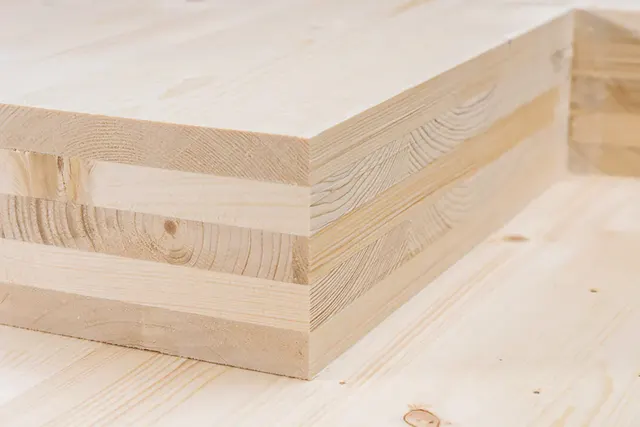
A pioneer in prefabrication, timber construction is particularly well suited to off-site methods. Frames, CLT panels, insulated cassettes and complete modules are manufactured with great precision in a factory before being assembled quickly on site. Its light weight, ease of processing and structural performance make timber particularly suitable for industrialised construction.
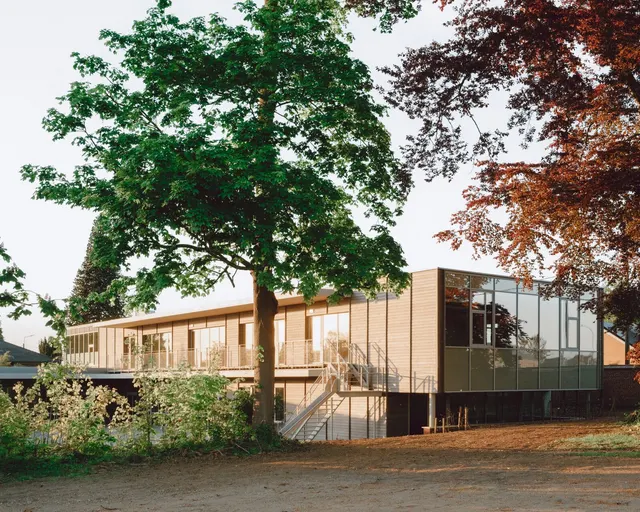
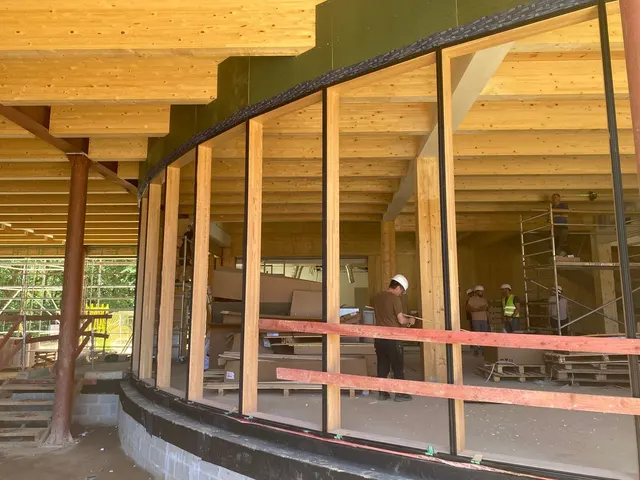
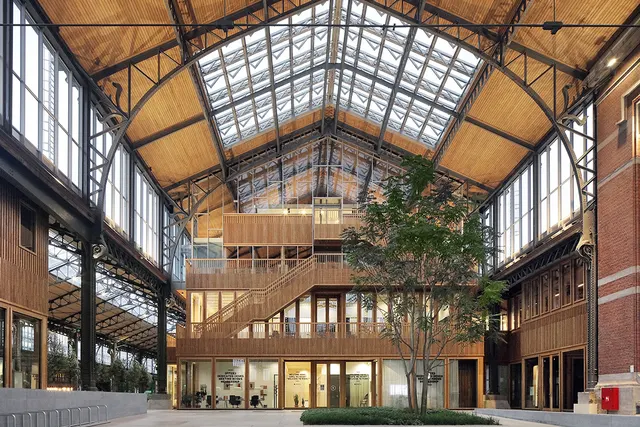
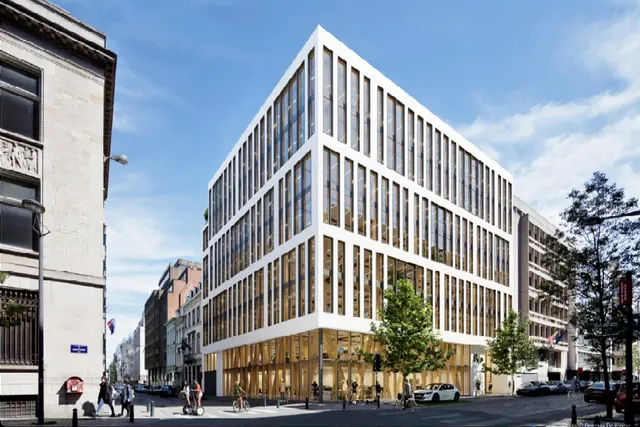
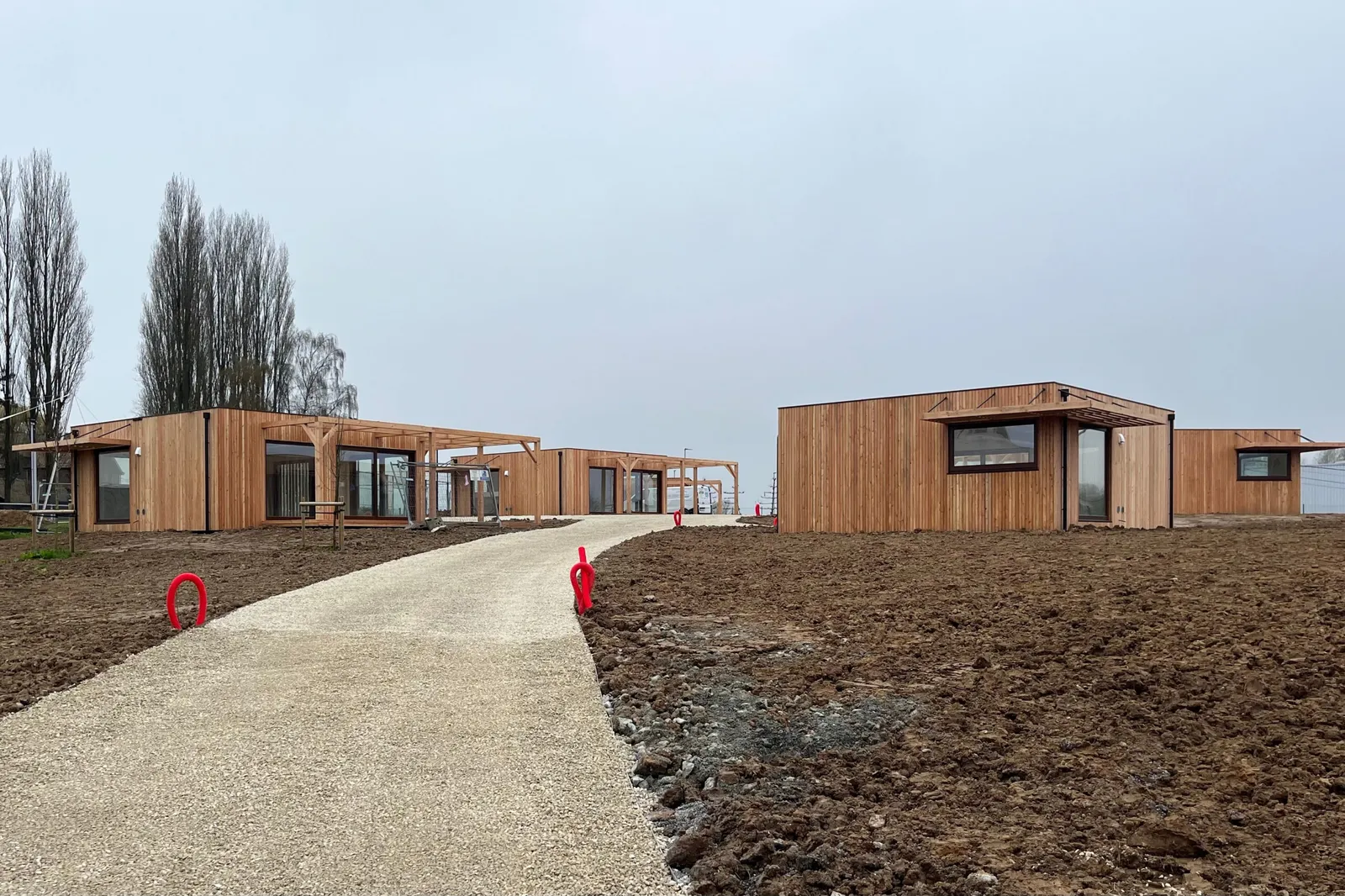
In Wallonia and abroad, numerous examples of residential and commercial projects based on 2D or 3D timber modules manufactured in a factory show that industrialisation, architectural quality and user comfort can be combined, even at large scale.
Beyond construction efficiency, timber also meets climate and environmental priorities. As a renewable material that stores CO2 over the long term and is compatible with the principles of circularity and disassembly, it helps anticipate regulatory changes and carbon-neutrality targets.
Removing barriers and building momentum
However, further progress depends on removing several barriers: regulatory frameworks that are sometimes ill-suited, a project culture still strongly focused on traditional on-site construction, a fragmented value chain, and cash-flow constraints linked to industrial pre-financing, …
In the medium term, off-site construction, particularly off-site timber construction, will clearly be a major driver of delivering buildings that are more sustainable, quicker to build and better suited to social needs, provided there is a clear, coordinated strategic vision.
*Ligne Bois is an organisation representing the Walloon timber sector. Its primary mission is to promote the use of timber in construction and renovation. It is also a professional association with nearly 150 members, all specialising in timber construction: manufacturers, architectural practices, engineering consultancies, builders, manufacturers of bio-based materials, …

Een zakelijke vraag aan Ligne Bois? Get in touch
Companies in this story
Keep following this
Get an email when a new story is published. No account needed.
- ThemeNew ways of building
- SubjectTimber construction
- CompanyLigne Bois