State-of-the-art railway switches and crossings to modernise the Brussels–French border high-speed line (LGV1)
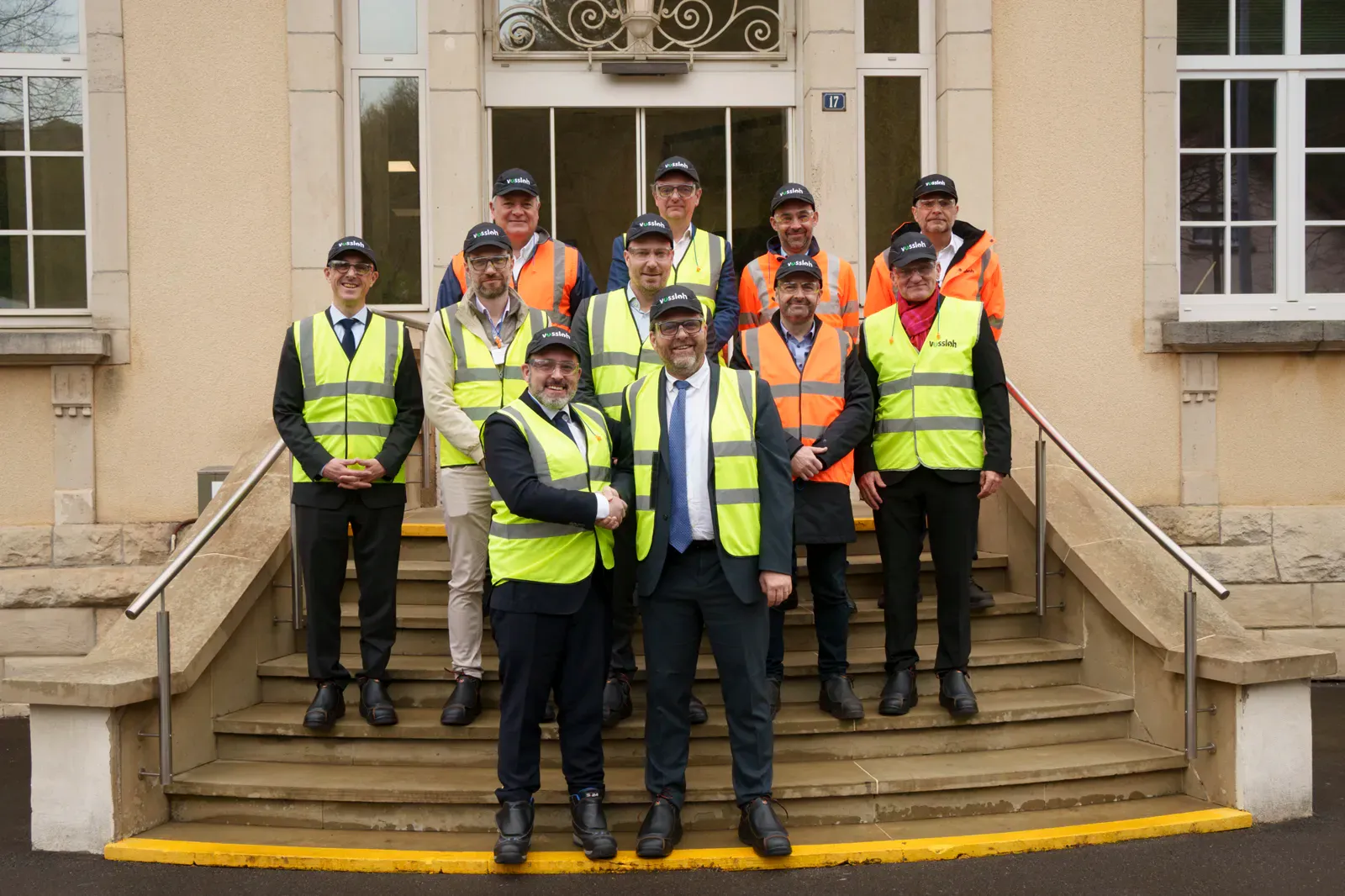
Infrabel signs €17 million contract with Vossloh
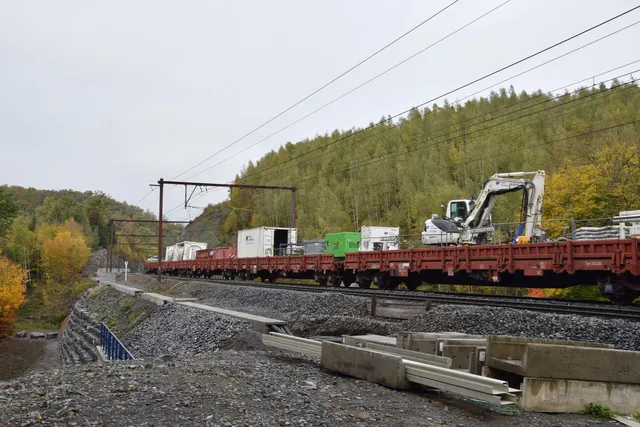
Rumelange (Grand Duchy of Luxembourg), 13 April 2026: The contract covers the supply of railway switches and crossings for eight years, as well as their maintenance for twenty years. These high-tech components are essential to the performance of high-speed lines. They will replace existing components on LGV1, the “Brussels–French border” line, as part of the major line renewal project launched in 2024, which will continue until 2035.
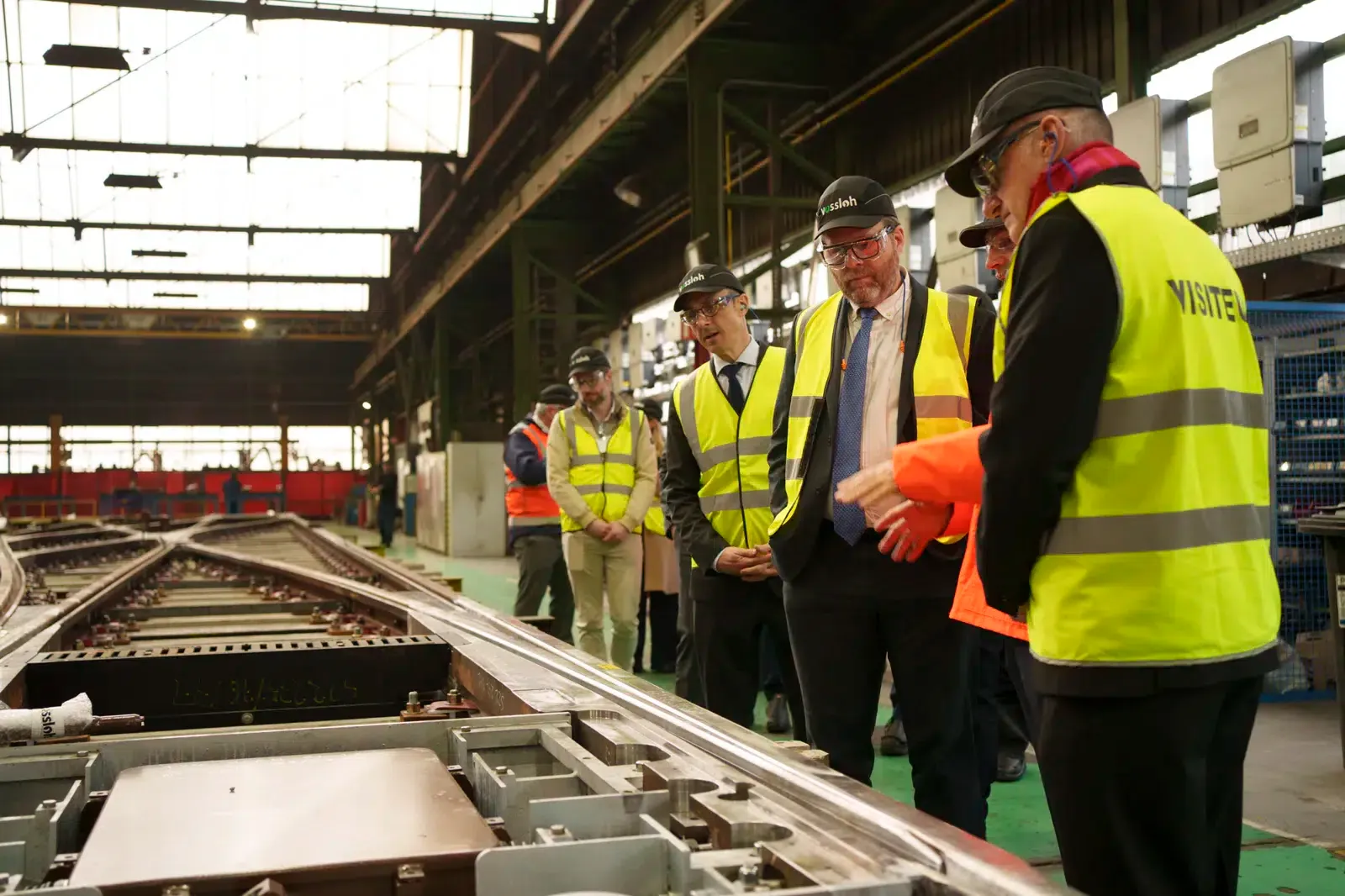
The railway switches and crossings on the high-speed line between the south of Brussels and Esplechin will reach the end of their technical life in the coming years and will need to be replaced progressively. Infrabel has launched a procurement process to renew these components in stages. These highly technical elements are subject to considerable stresses, including wear and impact. Following the statutory procedure, the contract was awarded to the Vossloh Group, a major rail infrastructure player specialising in the design and manufacture of high-performance switch systems.
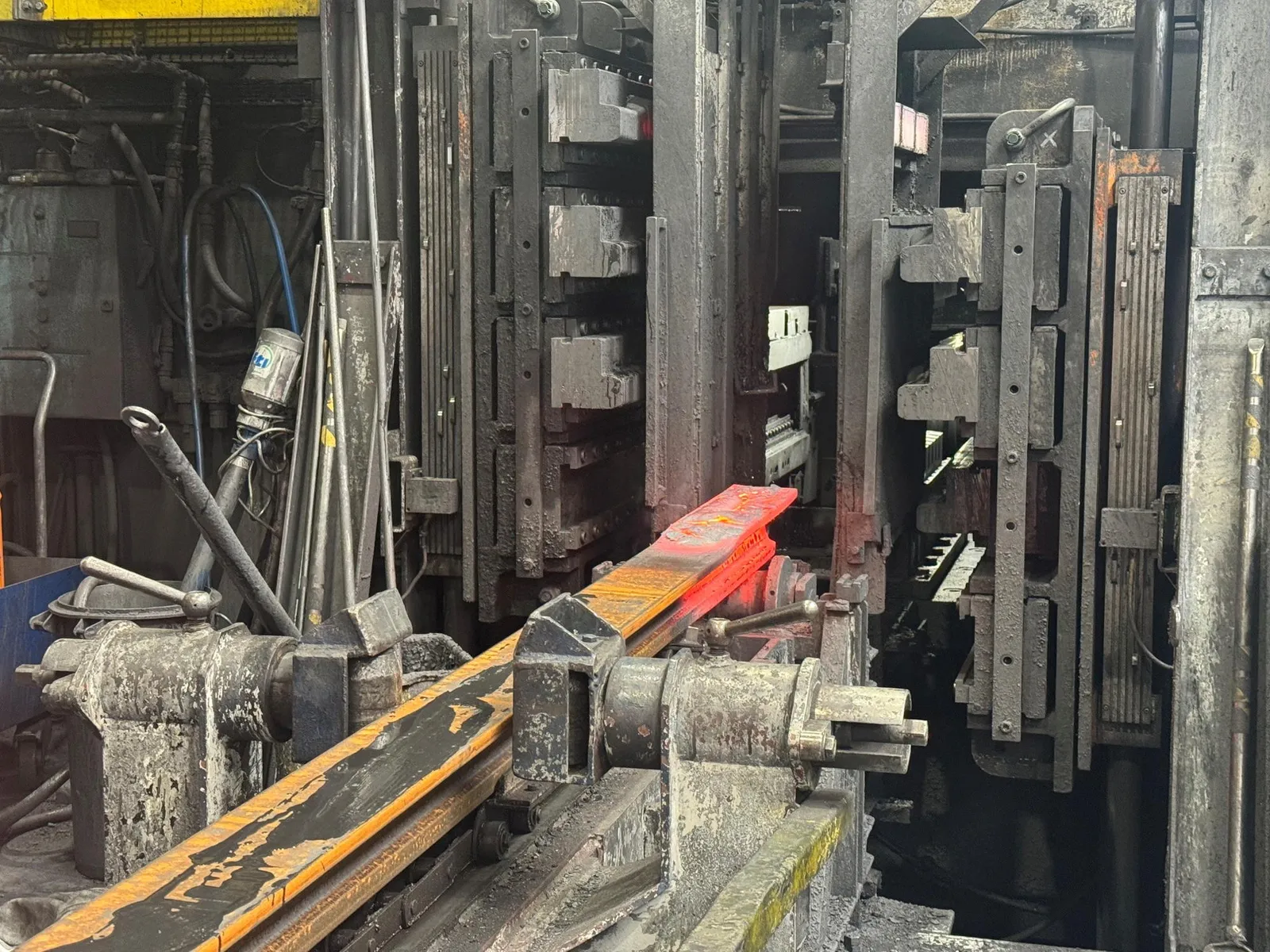
Specifically designed for high-speed lines, these switches and crossings incorporate advanced technology. Some can be up to 40 metres long and feature innovations such as monitoring systems that enable predictive maintenance. Their manufacture involves seven Vossloh sites across Europe, one in Luxembourg and six in France, as part of a cross-border industrial collaboration. As many of the components as possible will be transported directly by rail from the factories to the LGV renewal site.
A strategic project running until 2035
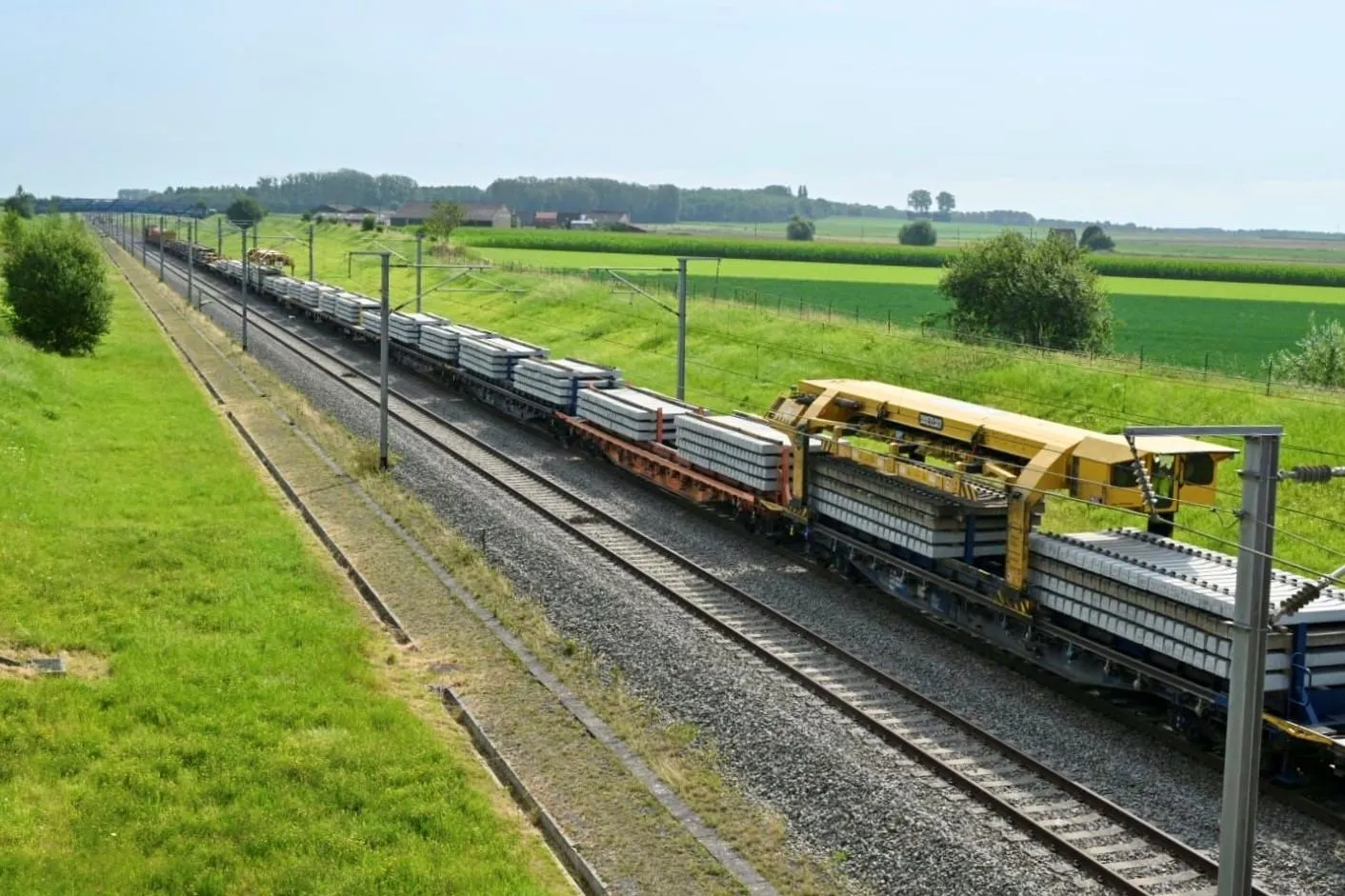
The LGV1 “Brussels–French border” line began its refurbishment in 2024 and is due to be fully renewed by 2035. This major €310 million project involves replacing several components that have reached the end of their service life: rails, concrete sleepers, ballast, switches and crossings, and more. Opened in 1997, this is the oldest line on Belgium’s high-speed rail network. Around a hundred trains use it every day at 300 km/h to connect Belgium and France, with some continuing on to Great Britain, the Netherlands or Germany. The works involve night-time working and planned closures to rail traffic each summer, averaging around fifteen days a year.
…and works on LGV2, the “Leuven–Liège” line
This line, which opened in 2002, is also due to undergo a renewal programme over the coming years. A 24 km section of sleepers was replaced in summer 2025 between Hoegaarden and Pousset. 80 trains run on this route every day at speeds of 200 to 300 km/h, depending on whether they are national or international services. 30% of the trains, the international services, continue via the Liège–German border high-speed line. It is therefore essential to keep this heavily used infrastructure, which is of major importance to rail’s competitiveness in Europe, performing at an optimal level. The works are scheduled for 2025-2026 and 2028-2031.
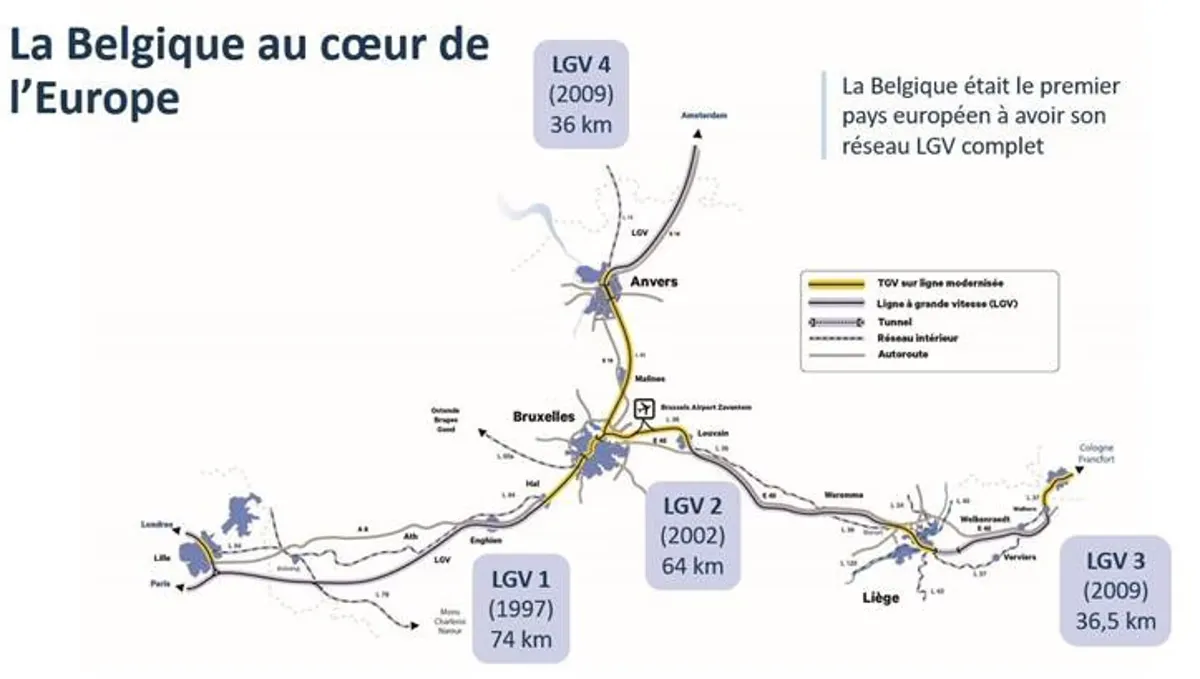
Belgium’s high-speed rail network
- LGV 1, “Halle–French border”, officially opened in 1997 (74 km route), connects Brussels to Paris in 1 h 26 and London in 2 h 01;
- LGV 2, “Leuven–Liège”, officially opened in 2002 (64 km route), and LGV3, “Liège–German border”, officially opened in 2009 (36.5 km route), connect Brussels and Cologne in 1 h 50;
- LGV 4, “Antwerp–Dutch border”, officially opened in 2009 (36 km route), connects Brussels to Amsterdam in 1h52.
Benoit Gilson, CEO of Infrabel “The contract with Vossloh marks a key step in modernising and safeguarding Belgium’s and Europe’s high-speed rail network for the future. With an investment of €17 million, Infrabel is taking proactive steps to renew critical infrastructure reaching the end of its service life. The new switches and crossings we will install incorporate cutting-edge technologies, particularly for predictive maintenance, which will improve the safety and reliability of operations on the Brussels–Paris line. This partnership is part of a long-term vision and demonstrates strong European industrial cooperation. We are preparing the future of high-speed rail by providing a high-performing, safe network for decades to come.”
Oliver Schuster, CEO of Vossloh AG : “We are proud to be a partner in this collaboration on the European high-speed rail network. On lines such as the Brussels–France route, the strictest safety and component quality standards apply. Infrabel’s choice of Vossloh as its supplier of high-tech switches and crossings is a tremendous recognition of our expertise. We are also delighted to have been entrusted with maintaining these components for twenty years. As a solutions provider within this partnership, we are helping to strengthen rail for the long term as the most environmentally friendly mode of transport.”
Question about this story? Ask your question
Keep following this
Get an email when a new story is published. No account needed.
- SubjectInfrastructure