Macro- and microfibres for durable, fire-resistant reinforced concrete infrastructure
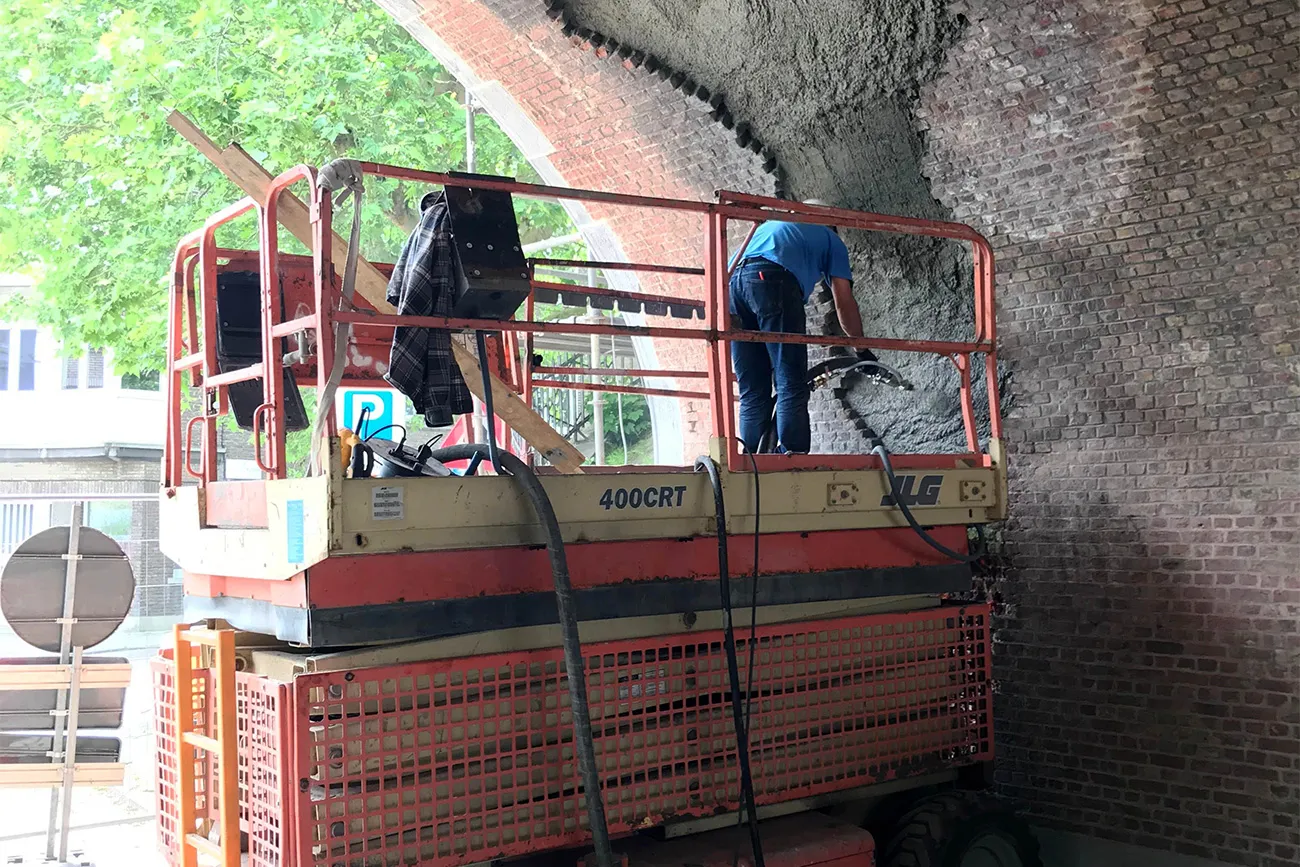
With Durus® Easy Shot macrofibres and Ignis® microfibres, Adfil offers two leading products for concrete reinforcement and passive fire protection, respectively. Used in concrete infrastructure around the world, both products are also proving their value in Belgium. “Durus® Easy Shot is the highest-performing fibre for shotcrete on the market, while just a small quantity of Ignis is enough to achieve exceptional fire resistance,” explains Jeroen Smet, Technical Sales Director at Adfil, a company based in East Flanders that develops and manufactures high-performance fibres for reinforcing ready-mixed concrete, shotcrete and precast elements.
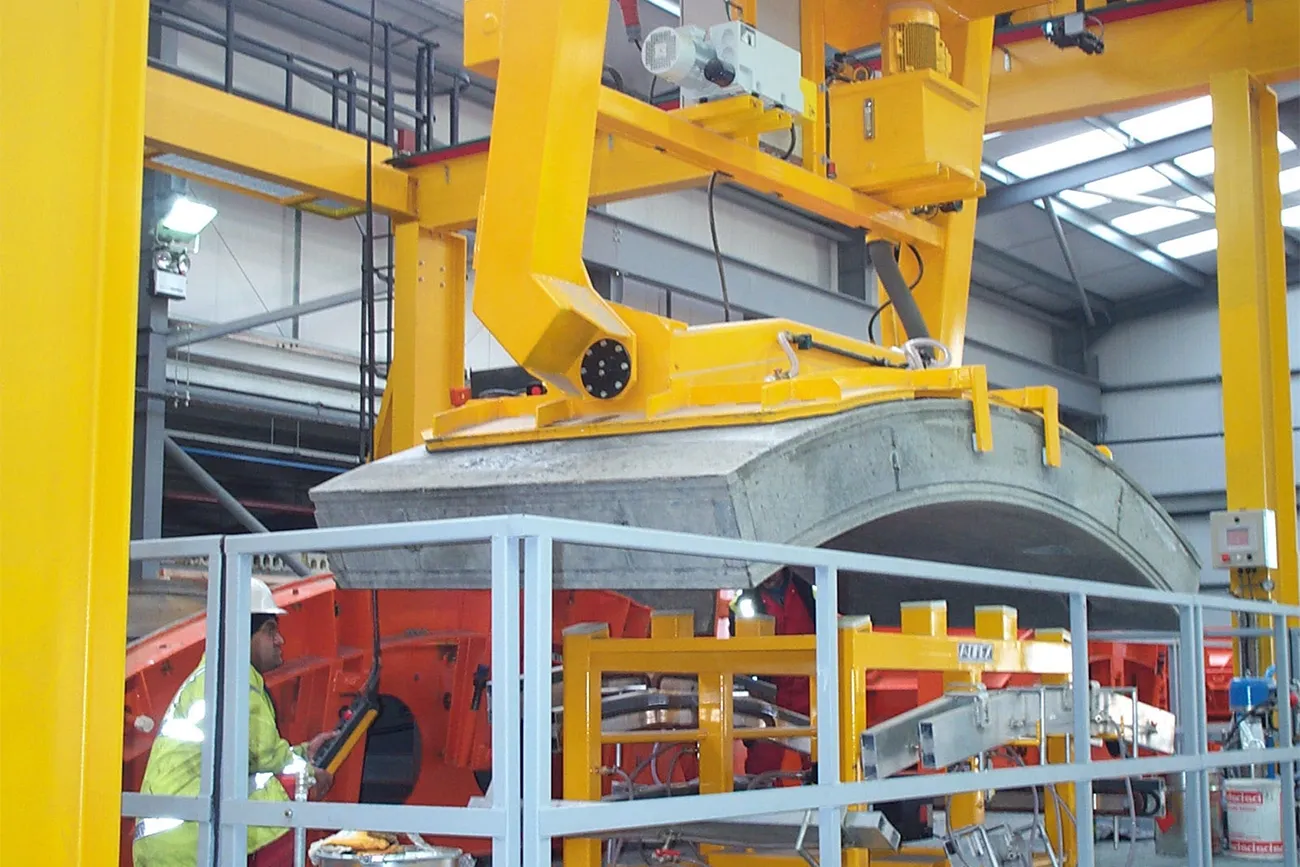
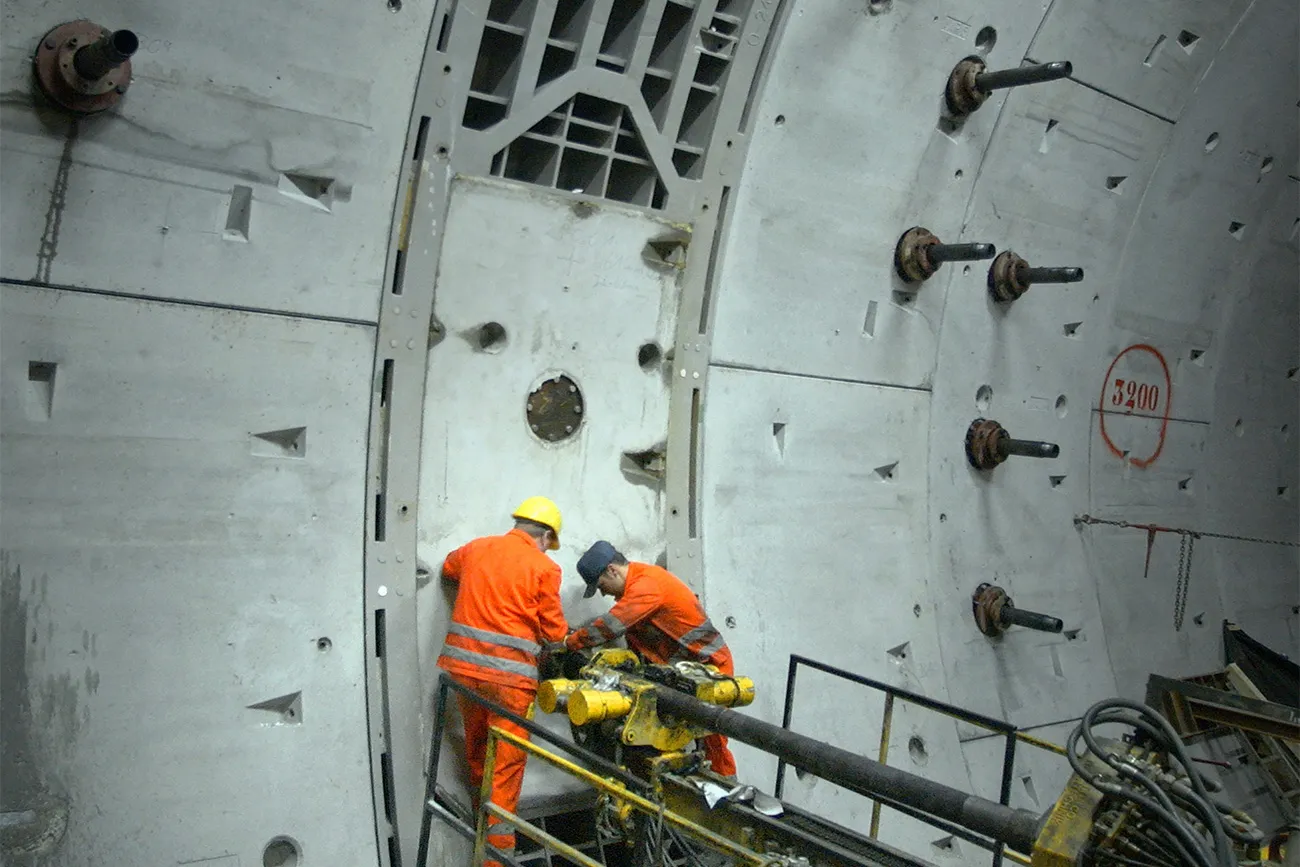
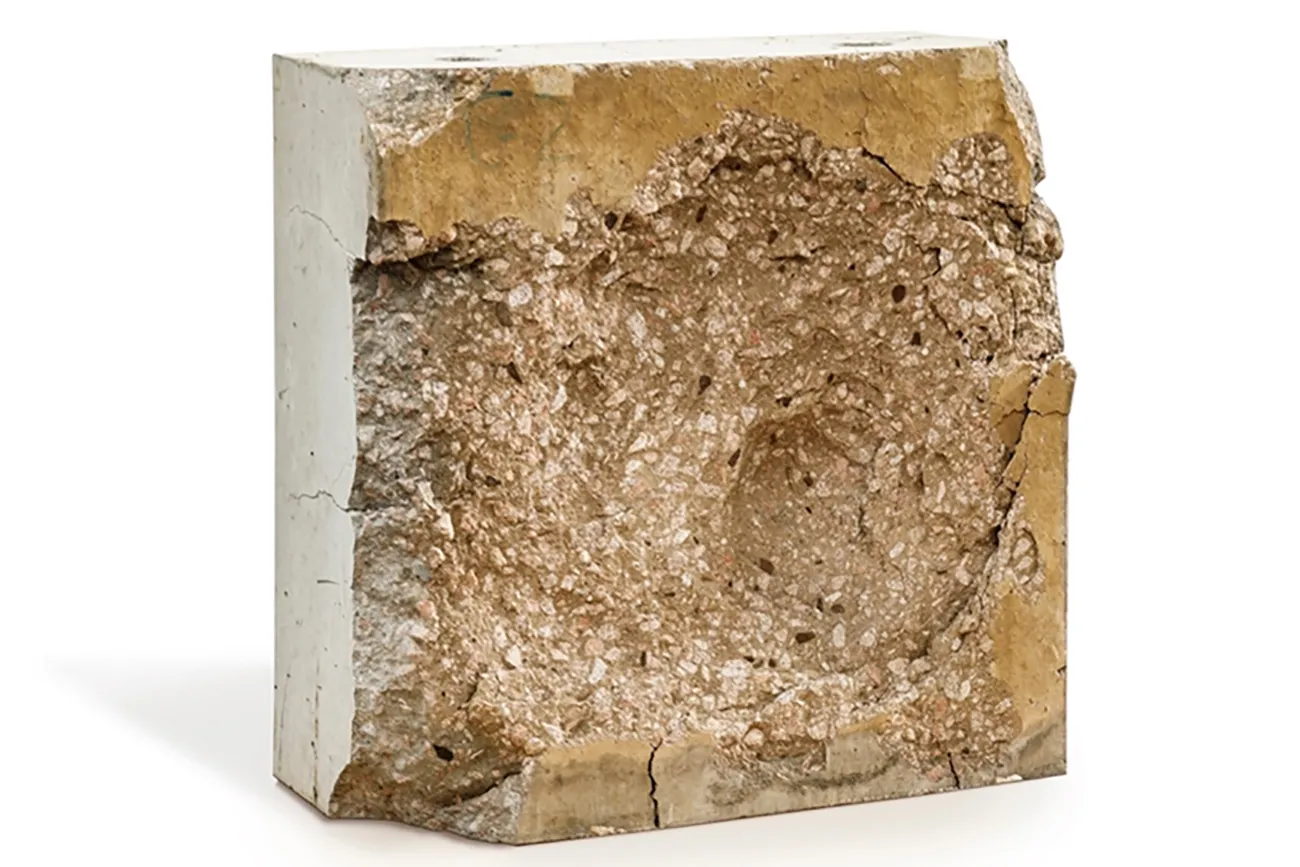
Concrete remains the most widely used construction material in tunnels worldwide. Following several tunnel fires in Europe, and in view of the increased terrorist threat, the performance of concrete structures, both above and below ground, has received considerably more attention in recent years. Passive fire protection, which preserves structural integrity, is therefore crucial to everyone’s safety. Jeroen Smet: “Our Ignis® microfibres ensure the fire resistance of concrete, ruling out the risk of explosion when it is exposed to extremely high temperatures. When the concrete in a tunnel, for example, is exposed to very high temperatures, the water it contains expands very quickly. If this expansion exceeds the tensile strength of the concrete, the result is explosive conditions, which are extremely dangerous, particularly for firefighters.”
Efficiency and cost savings
Adding extremely fine Ignis® microfibres to concrete therefore helps preserve the concrete structure, even in the event of a fire. Wim Ronsse, Technical Sales Manager at Adfil: “A network of fine channels forms inside the concrete, allowing steam to escape and limiting the expansion of the concrete. This can be achieved with just 1 to 2 kg of microfibres per cubic metre of concrete. It is therefore a particularly efficient and cost-effective system. What is more, the fibres are added to precast concrete elements during production. This solution is therefore quicker and less expensive than, for example, fire-resistant panels, which are only installed afterwards. When it comes to ensuring fire resistance, Ignis® microfibres cost far less than any other solution.”
Structural reinforcement
Durus® Easy Shot macrofibre, meanwhile, has proved its worth in reinforcing concrete structures. It is used as structural reinforcement in tunnels, on bridges (including railway bridges) and on embankments … In shotcrete, this polypropylene fibre has demonstrated high energy absorption at low fibre dosages. Jeroen Smet: “Durus® Easy Shot is the highest-performing fibre for shotcrete on the market. Using macrofibres in shotcrete makes steel reinforcement unnecessary. The result? Significant savings in both materials and time, as well as greater durability, which is no small benefit given the heavy environmental impact of steel production. Another advantage is that much of the transport is eliminated.”
Used around the world
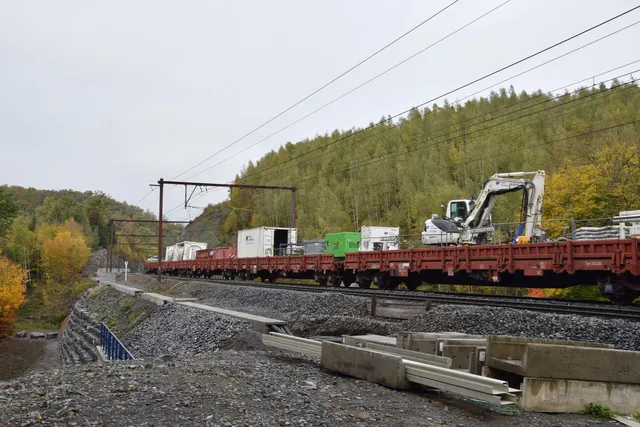
At a dosage of just 4 kg/m³, the fibre outperformed its alternatives for energy absorption in terms of cost per joule. It also ensures safer use and handling than reinforcing bars. The longer Durus® Easy Shot fibre also outperforms steel-fibre-reinforced shotcrete. Wim Ronsse: “The fibres are used all over the world. They were recently used in the Brenner Tunnel in Italy. Durus® Easy Shot fibres have also been added to the concrete in many other tunnels, including in Austria. The fibres are particularly useful in both new construction and renovation. In Ghent, for example, several old brick bridges are still crossed by trains every day. This causes movement between the bricks and creates a risk of bricks falling. To repair the bridges, fibre-reinforced concrete is sprayed on to the required thickness. Once this thickness has been reached, the concrete is levelled and finished with bricks again, to create a uniform whole.”
Question about this story? Ask your question
Keep following this
Get an email when a new story is published. No account needed.
- ThemeBuilding and site safety and security
- SubjectInfrastructure