Fires serve as stark reminders of the importance of fire safety
Texte Tim Janssens Photos Wikimedia Commons, Pexels
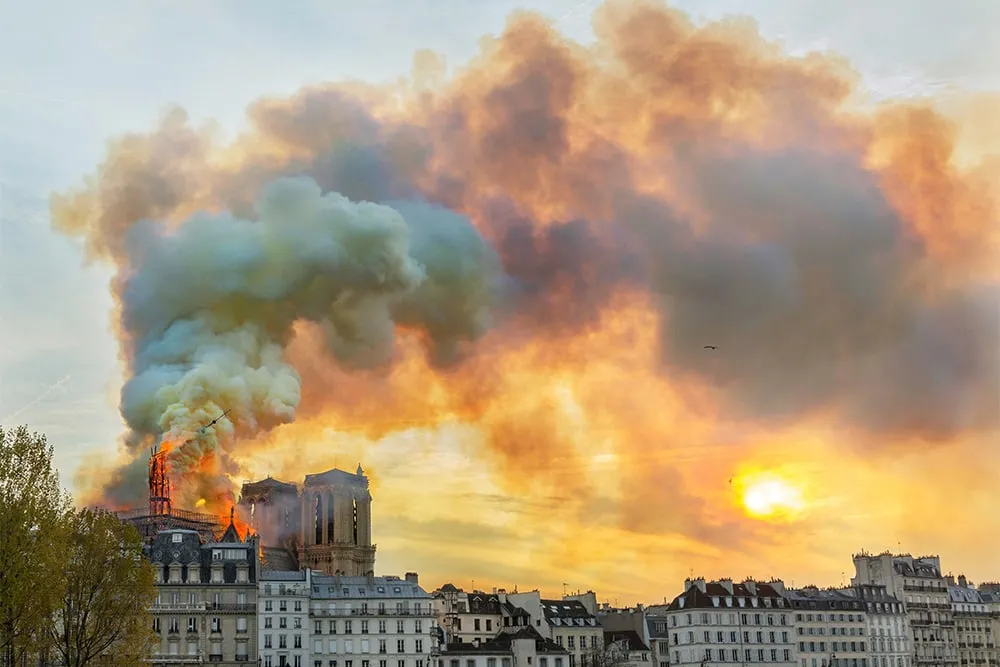
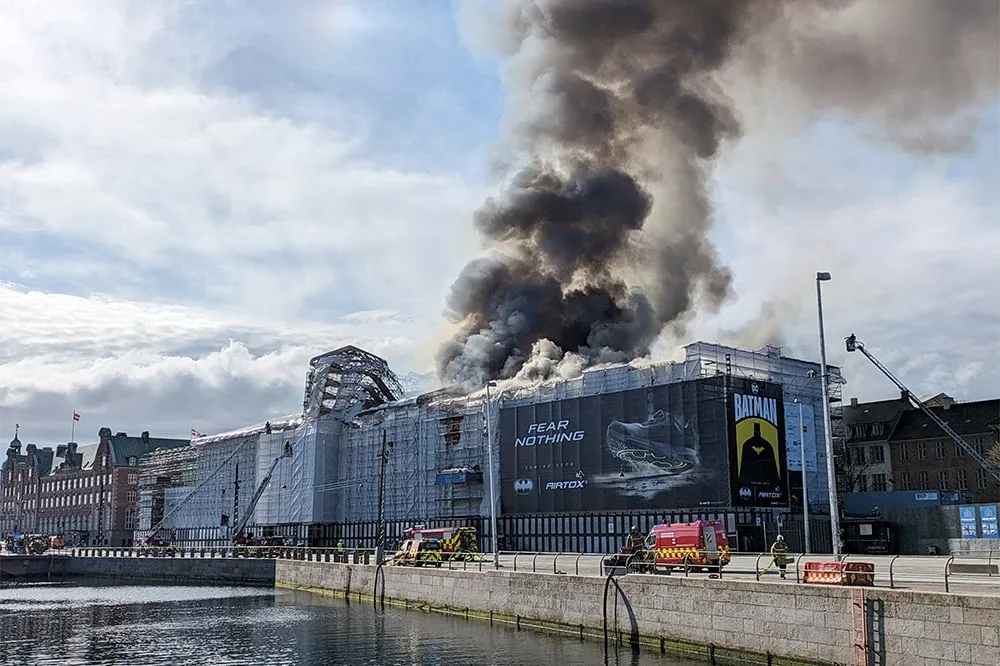
“Four hundred years of history have gone up in smoke.” The fire that ravaged the historic Copenhagen Stock Exchange building, in the Danish capital, on 16 April was comparable to the blaze that destroyed Notre-Dame de Paris five years earlier, almost to the day. For some, it may have seemed like a distant event, but things have also gone wrong closer to home. More recently, for example, the former Centre de la Monnaie in Brussels and SKY Tower Two in Ostend have gone up in flames. The incidents were quickly brought under control, but they clearly show that fire safety remains a crucial priority and that vigilance is always essential, everywhere, in both new builds and renovation projects…
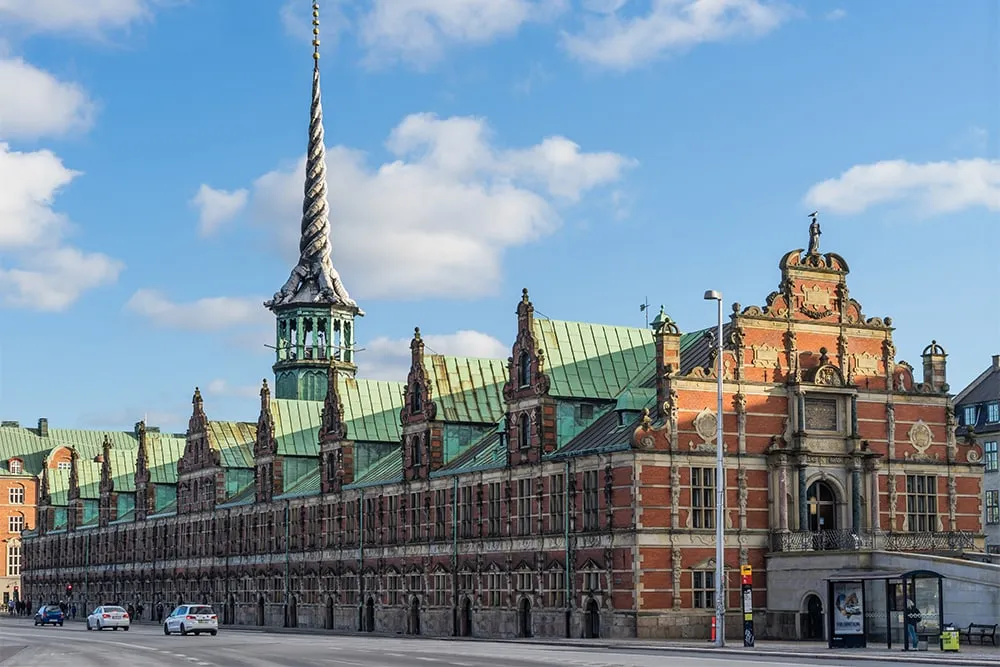
Disaster, catastrophe, tragedy… Words failed to describe the Copenhagen fire. “This is our Notre-Dame,” said passers-by fatalistically as they watched half of Copenhagen Stock Exchange, one of the Danish capital’s oldest buildings, engulfed in flames. Much of the roof, the iconic Dragon Spire and the famous Great Hall did not survive, just as Notre-Dame lost most of its centuries-old roof structure and central spire. Another striking similarity: both buildings were undergoing renovation/restoration at that fateful moment…
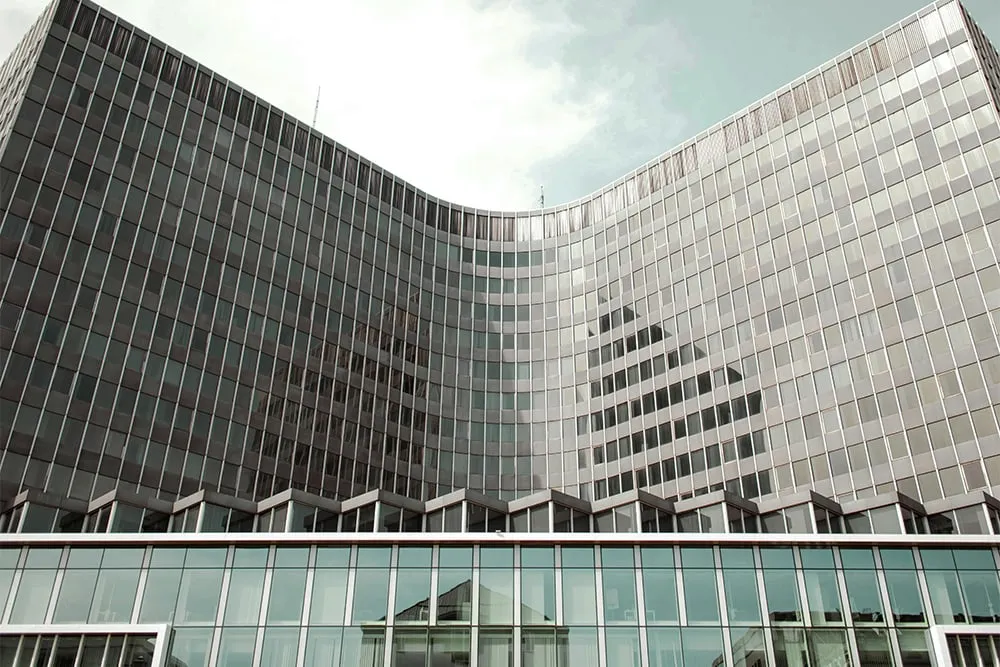
Fire in Brussels
Was it a coincidence that the former Stock Exchange building was surrounded by plastic protective sheeting and metal scaffolding when the fire broke out? Or was there more to it? In a televised interview, a Danish fire expert had already pointed to the heightened risk of fire during renovation work. Unfortunately, the same situation was seen in Brussels. On 30 April, two weeks after the Copenhagen fire, a blaze broke out on the roof of the former Centre de la Monnaie, which will become the OXY multifunctional building from 2027, designed by Norwegian architectural practice Snøhetta and Binst Architects. The plume of black smoke, visible from a long way off, caused concern in the Belgian capital. Fortunately, the fire brigade arrived quickly and brought the fire under control with relative ease. The fire is believed to have started in an old ventilation unit.
Dry structures and old insulation materials
The Brussels fire revived the long-standing debate about fire safety during renovation work. Dirk Van Kerckhove, director of Embuild Connect, was asked by Radio 1 to comment. “Renovation work often takes place in old buildings. These often have very dry structures. Think, for example, of dry wood and wood dust that have built up over decades, or even centuries, at the base of a roof structure. The risk of a fire starting is high as soon as an open flame comes close. The fire can then spread very quickly.” According to Mr Van Kerckhove, bird nests can also cause a serious fire in the worst-case scenario, as can old insulation materials. “If it catches fire, droplets can form and fall while burning. This can also start a fire that is not immediately visible, for example inside a cavity wall. This allows the fire to spread through the building at an incredible speed and makes it very difficult to extinguish.”
Preventing the spread of fire
The dangers posed by old insulation materials were demonstrated on 11 March in Valencia. A major fire broke out in a terraced apartment block, killing several people. “The façade insulation turned the building into a chimney. That is why the fire spread so quickly,” fire expert Juan Antonio de Diego told the Spanish newspaper El Mundo. Comparisons were immediately drawn with the devastating fire at Grenfell Tower in London in 2017, which killed no fewer than 72 people. This is yet another stark warning for firefighters and the construction sector. Fortunately, stricter guidelines have been in force in our country since July 2022.
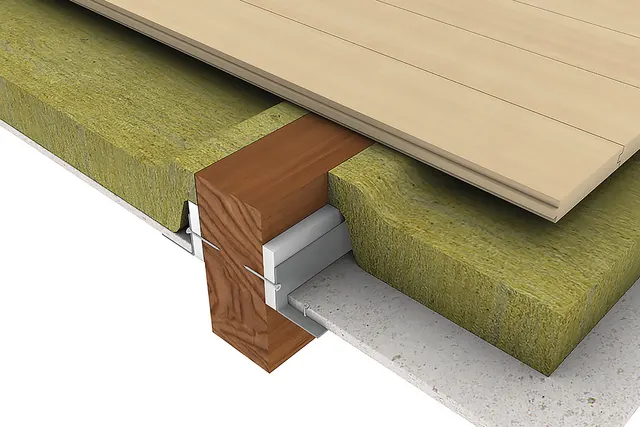
“Today, we see insulation materials that are much less flammable or completely non-combustible being used more often. They are used, for example, to compartmentalise façades and prevent fire from spreading,” Dirk Van Kerckhove points out.
Precautions for roofing work
Nevertheless, caution is needed, not only during renovation work but also on new-build projects. We saw this on 30 April in Ostend, where the ninth floor of SKY Tower Two, a luxury residential tower under construction, suddenly caught fire. Once again, the blaze was quickly brought under control and nobody was injured, but the fact that the roof of one of the terraces caught fire is food for thought. “There is always a risk when you use an open flame on a roof,” says Dirk Van Kerckhove. “Roofers know they need to be very careful, for their own safety too, and are trained to respond quickly if necessary. Anyone using an open flame on a roof must always have a fire extinguisher with them. The materials themselves have also evolved, and are increasingly self-adhesive. This reduces the need to work with an open flame, although it is sometimes still necessary, for example to dry the substrate and ensure the vapour barrier adheres properly.”
Question about this story? Ask your question
Keep following this
Get an email when a new story is published. No account needed.
- ThemeBuilding and site safety and security
- SubjectFire safety