Effective fire protection for underground car parks
Texte Tim Janssens | Photos Promat
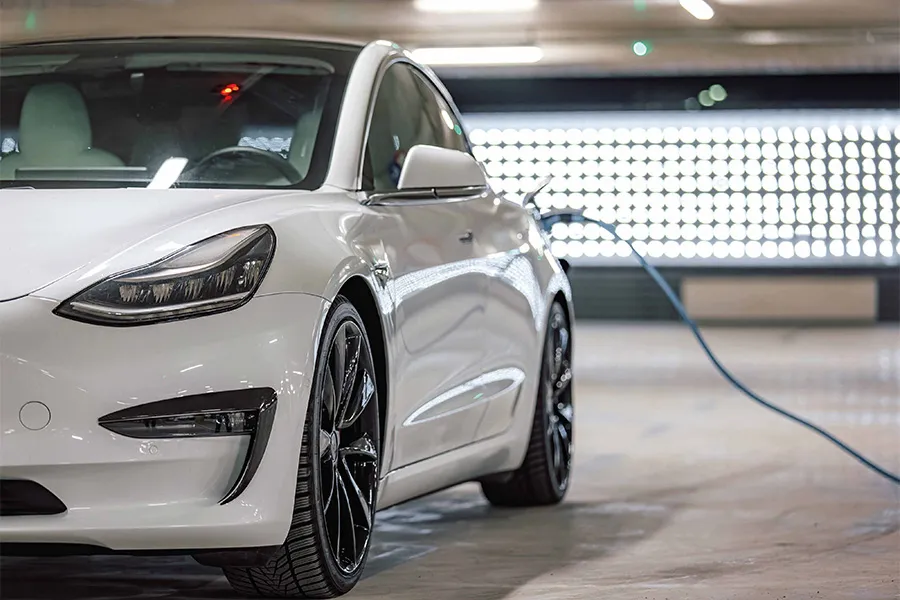
Fire safety in underground car parks is a topical issue. The gradual electrification of Belgium’s vehicle fleet is leading to higher fire loads and increased risks. It is not yet entirely clear how legislation will respond, but one thing is certain: additional measures are needed to provide even better protection for concrete and steel structures. With PROMATECT®-H and PROMATECT®-T boards, Promat already has effective solutions to ensure the required fire resistance in new and existing buildings.
An electric car catching fire in an underground car park is a worst-case scenario that must be avoided at all costs. Several previous incidents have shown that this can lead to an exceptionally long and intense fire, with all the consequences that entails. Fortunately, should it happen, active and passive fire protection can still provide a solution. Belgian fire safety legislation has already anticipated this development in recent years. “Belgian fire safety legislation is based on a Royal Decree originally dating from 1994, which has been amended several times over the years. The latest amendment has been in force since 1st July 2022,” explains Sven Eeckhout, Senior Promat Expert.
The need for structural fire protection
Annexes 2, 3 and 4 of this Royal Decree are particularly relevant to fire protection in underground car parks, as they focus on fire resistance and the integrity of the stability of structural elements. “For low-rise and medium-rise buildings, structural fire resistance has been increased to R120, and for high-rise buildings to R240. This obviously has an impact on the construction and protection methods required. For now, the Royal Decree applies only to new buildings, but it is also often used as a guide when strengthening concrete and steel structures against potential fire during renovation work,” explains Sven Eeckhout.
However, there are not yet any specific regulations for underground car parks where electric vehicles are parked. This is a surprising gap, given that the increasingly widespread use of combustible plastic materials and the gradual electrification of Belgium’s vehicle fleet, combined with cities and municipalities’ desire to keep cars off the streets as far as possible, have significantly increased fire loads and risks. A robust legislative framework is therefore urgently needed. “That is why a code of good practice has already been drawn up as a first step, and legislation is being drafted behind the scenes,” explains Hendrik Sinnaeve, technical sales adviser at Promat. “In any case, additional protective measures will be needed, and Promat can play an important role in this. We have long been active in structural fire protection, and our many years of experience show that our solutions make a major contribution to fire safety in buildings.”
Extremely fire-resistant
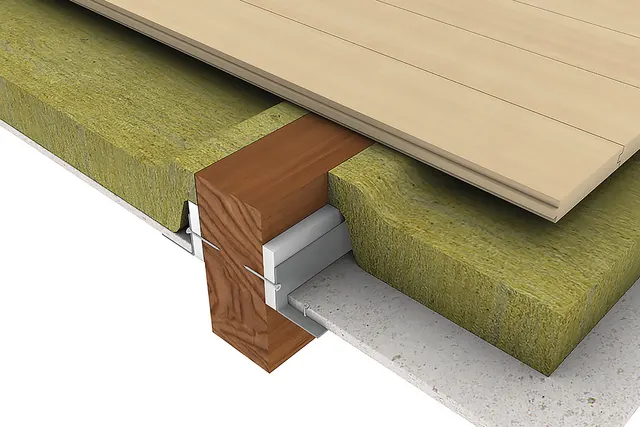
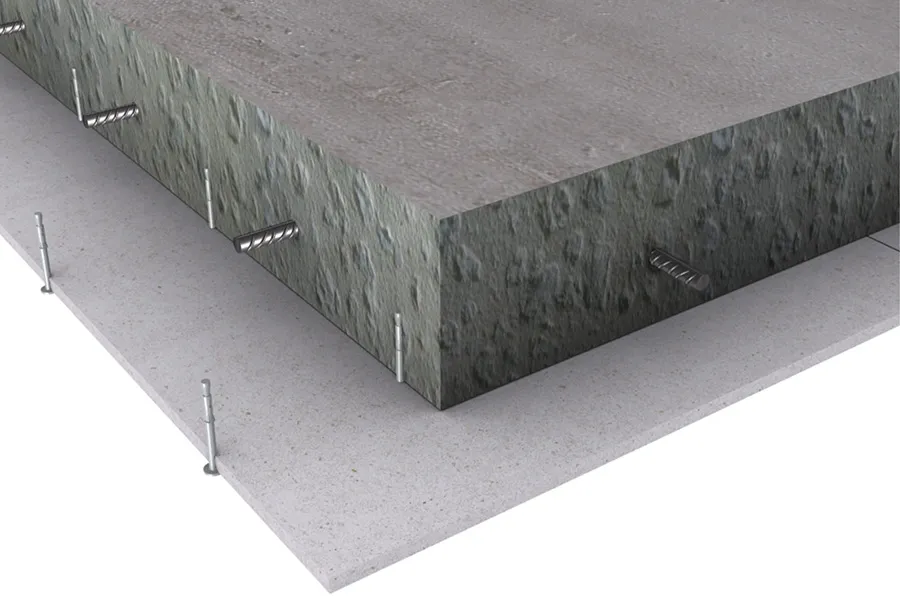
Promat’s solutions range from fire-protective spray mortars and intumescent coatings to board materials, with PROMATECT®-H and PROMATECT®-T boards at their heart. “PROMATECT®-H is where Promat began. It is a system that combines the principle of a fibre-cement board with our proven calcium silicate technology. The result is a highly fire-stable board that provides fire resistance for up to 240 minutes,” explains Hendrik Sinnaeve. “PROMATECT®-T is, so to speak, an evolution of the PROMATECT®-H board, particularly for lining and providing additional protection to tunnels, where the fire load can be even more extreme. PROMATECT®-T provides fire resistance for up to 360 minutes and can withstand temperatures of up to 1200°C, which can certainly prove useful in underground car parks used by electric cars.”
Another advantage of PROMATECT® boards is that they are easy to install and suitable for all kinds of applications: steel and concrete columns and beams, fire-resistant walls, service shafts and ceilings, reinforced floor elements … “They not only protect concrete structural elements and their steel reinforcement, but also help compartmentalise buildings by preventing fire from spreading to the building above. This is a major added benefit, particularly in older buildings, which were often not built to current standards. Our calcium silicate boards therefore reduce the risk of structural damage to buildings, which can have a significant long-term impact. They also give firefighters more time to carry out firefighting operations and evacuations. After a fire, the boards can be easily removed and replaced without the need for other major structural work. It is simple, yet highly effective!”
Have a business enquiry for Promat? Get in touch
Companies in this story
Keep following this
Get an email when a new story is published. No account needed.
- ThemeBuilding and site safety and security
- SubjectFire safety
- CompanyPromat