











Zinc roofing: the go-to solution for every construction or renovation project
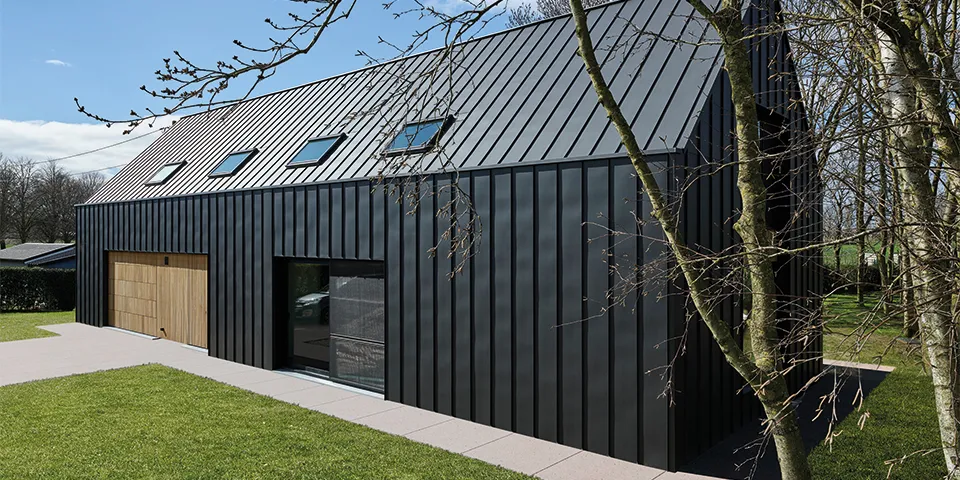
As a roofing material, zinc offers many advantages, from durability to flexibility. But not every roof structure is suitable for this type of covering. Modern lifestyles call for dry construction solutions. We spoke to Sammy Baron, technical manager at VM Building Solutions in Deinze, about the dos and don’ts of zinc roofing.
Although zinc has become increasingly common in urban areas in recent years, it is by no means a new material for roofing and façades. The first known use of zinc as a roofing material, for example, was at Saint Bartholomew’s Church in Liège in 1811. Not long afterwards, VMZINC was founded as a pioneering Belgian company which, over the years, has produced and supplied zinc for numerous public and private construction projects, well beyond Belgium’s borders.
Today, VMZINC operates as part of VM Building Solutions. The company is now Europe’s leading manufacturer and supplier of zinc applications for the construction sector, with operations in North America, Australia and several Asian countries as well.
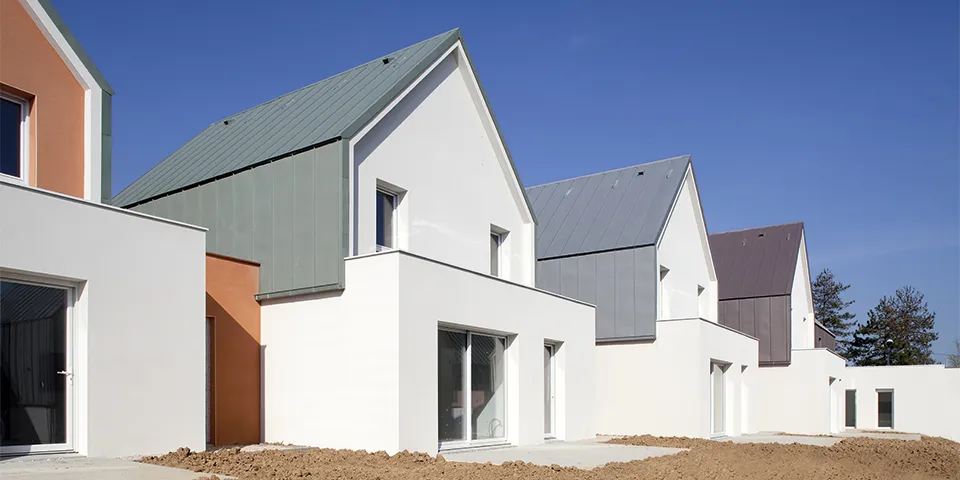
The zinc revolution
Zinc has become popular with the general public in recent years. How do you explain this?
Sammy Baron: “The rise of zinc reflects two broader trends in the construction sector: the growing popularity of natural and sustainable products. Given that zinc combines both these qualities, it is easy to see why its success is growing. The ‘back to nature’ mindset among customers has also been reinforced by the coronavirus crisis.”
The 4 main advantages of zinc roofing
No. 1 Flexibility: Zinc is ideally suited to both modern and traditional architectural styles, and is available in a wide range of shapes and colours.
No. 2 Lifespan: Its natural patina minimises the impact of weather conditions on zinc, and the material is very easy to maintain.
No. 3 Sustainability: Zinc is a 100% recyclable natural material, helping you contribute to a more sustainable world.
No. 4 Aesthetics: Zinc allows for unique combinations of shapes and colours, turning any project into an eye-catching result.
The roof structure is key
Is zinc suitable for every type of roof?
Sammy Baron: “The short answer is yes. Zinc roofing can be installed on both ventilated and unventilated roofs. In theory, the only requirement is a pitch of 3 degrees. But that does not mean all roof types are equally suitable for zinc. The roof structure in particular plays a decisive role. Compact roofs, for example, can present certain problems.”
“With a so-called warm roof structure, correct installation of the vapour control layer is the key to success.”
What should you consider when designing a compact roof structure?
Sammy Baron: “In a compact roof, the thermal insulation is located beneath the roof deck, between the joists. An air barrier beneath the supporting structure must then ensure airtightness. This is where the challenge lies. Correctly installing a vapour control layer in a compact roof is complex and labour-intensive. The layer has to be punctured several times with nails, the connections to the walls require precision, and services such as air ducts and cables can also compromise airtightness. What is more, installation is often carried out by non-professionals, especially during renovations, increasing the risk of compromising quality.”
What can happen if there is a problem with the vapour control layer?
Sammy Baron: “Uncontrolled vapour movement into the roof structure. This in turn causes condensation between the different layers. Possible consequences include reduced insulation performance, moisture in the structure and deterioration of the zinc’s protective layer. Our long experience with warm roofs has shown us that this protective layer can withstand normal levels of condensation, but is less resistant to excessive amounts caused by a faulty vapour control layer.”
“In most of the cases of damage we have seen, the vapour control layer had not been installed correctly.”
Alternatives
Are there any solutions to prevent damage to a compact roof?
Sammy Baron: “The thickness of the coating is obviously essential. VMZINC, for example, uses a patented protective coating at least 60 microns thick. This gives us the thickest coating on the market. We recommend that this standard, a 60-micron-thick protective layer on the underside, be adopted as a general standard across the sector. However, as mentioned earlier, the problem is not zinc roofing, but the risk of moisture and condensation in buildings caused by permeable vapour control layers. In other words, we agree with the WTCB’s observations that compact roofs are less suited to modern needs. The good news is that warm roofs also offer an optimal solution.”
“VMZINC recommends a minimum thickness of 60 microns for the protective coating on the underside of the zinc.”
Which type of warm roof should you choose, and why?
Sammy Baron: “A warm roof with a properly installed vapour control layer over a continuous supporting surface is a better option. It is easy to install from above, and the risk of errors and air leaks is lower. This is particularly important now that insulation and airtightness standards are becoming stricter. Modern lifestyles also involve greater moisture production. In short, if you opt for a warm roof, a vapour control layer installed over a continuous supporting surface is the best choice.”
What are the benefits of working on a continuous roof deck?
Sammy Baron: “A roof deck of this type is continuous and flat, making the work physically easier. The vapour control layer can be installed quickly and easily. Joints and connections to the walls are straightforward to make. This results in optimal airtightness and vapour tightness.”
Building a network focused on quality
What role does VM Building Solutions intend to play in this context?
Sammy Baron: “We want to be more than the market leader. Our ambition is to be the best partner for roofing and façade professionals. To achieve this, we share our knowledge and experience with the market, for example through practical training for installers and clear communications for architects. Zinc really is a high-performance material for roofs and façades. It would be a shame to miss out on its many benefits because of technical challenges that can be overcome. In other words, our aim is to work with construction professionals and help them wherever we can. We have been around for almost 200 years, but we are still pioneers at heart.”
Would you like to stand out as a construction professional?
Become an expert in zinc roofing. Choose one of our tailored training courses and take the quality of your construction or renovation projects to the next level.
VM Building Solutions
Expertise: construction solutions using EPDM membranes and zinc for roofing and façade professionals
Size: 7 production sites and 950 employees in 22 countries
More information? www.vmbuildingsolutions.be
Question about this story? Ask your question
Keep following this
Get an email when a new story is published. No account needed.
- ThemeRenovating existing buildings
- SubjectNews







