











“World champion in corrosion prevention”
Texte InfoZinc Benelux
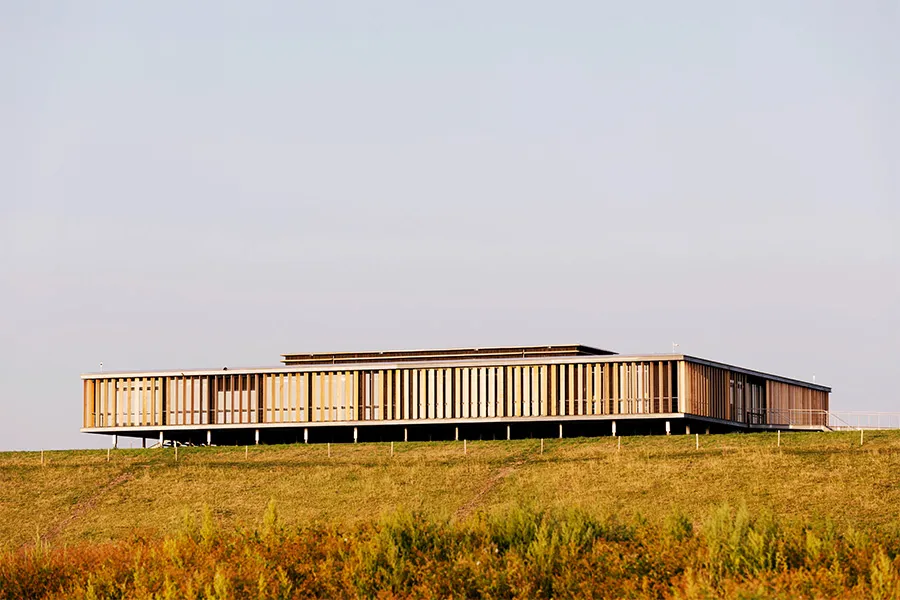
Hot-dip galvanising is a unique process that has been around for more than 150 years. According to Hans Boender of InfoZinc Benelux, no other method comes close to this most comprehensive and durable method of preventing steel corrosion. “Hot-dip galvanising is the world champion of corrosion prevention and guarantees a service life of several decades without maintenance. This centuries-old method also demonstrates its added value in the circular economy.”
As a trade association, InfoZinc Benelux represents the interests of hot-dip galvanisers in the Benelux. “We have been promoting hot-dip galvanising for more than 70 years,” says Hans Boender. “The method of protecting steel was discovered in a laboratory by the Frenchman Malouin as early as 1742, but it was not widely used until 100 years later, during the Industrial Revolution. At the time, small galvanised objects such as buckets and troughs were used every day on farms. Today, these objects are made of (recycled) plastic, while it is the steel beams in large barns that are galvanised, to stay with the agricultural sector. And it is above all in this kind of environment that a long, maintenance-free service life demonstrates its added value.”
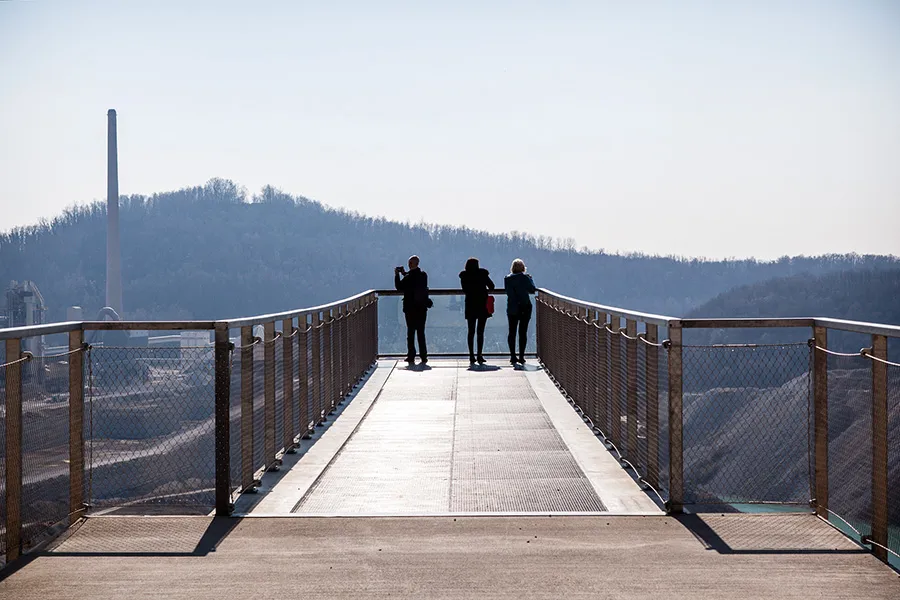
A major asset for the circular economy
Over the years, hot-dip galvanising has become increasingly well known and widely accepted. “A great deal has already been done to improve safety and optimise energy consumption and the composition of zinc, with the aim of producing carbon-neutral products,” explains Hans Boender. “An important objective for the association is to take joint action and move forward as an industry. Hot-dip galvanising is helping us move towards 100% circular steel. If dismantling a structure and rebuilding it elsewhere is no longer an option, the galvanised steel can be stripped of its zinc coating at the end of its life and melted down. The zinc is then recovered, leaving both raw materials intact, with no loss of properties, and 100% recycled. This is a major asset for the circular economy.”
What you see is what you get
Hot-dip galvanising is a highly reliable preservation method, sums up Hans Boender. “Once applied, it doesn’t ‘come off’. Even after decades. In short, ‘what you see is what you get’. To highlight the many benefits of hot-dip galvanising, including in the circular economy, InfoZinc Benelux regularly organises information sessions, webinars and discussion lunches for architects, steel fabricators, clients and other interested parties. “We also provide inspection and testing services as an independent party, and increasingly act as a helpdesk. We also advise and assist non-members with questions about hot-dip galvanising.”
Een zakelijke vraag aan InfoZinc Benelux? Get in touch
Companies in this story
Keep following this
Get an email when a new story is published. No account needed.
- SubjectNews
- CompanyInfoZinc Benelux







