











Working on waterways today to prepare for tomorrow’s mobility
With a history spanning almost a century, Tractebel now operates in around 70 countries, providing high-level engineering consultancy for infrastructure and energy. The Ports & Waterways division has recently been particularly busy with several major projects at all of Belgium’s seaports, as well as at lock sites in Wallonia and Flanders. This has stimulated the thinking and work of the division’s civil engineering and electromechanical departments.
The two departments often work together whenever Tractebel is awarded a project involving ports or waterways. “At locks, for example, there is a very strong interaction between the gates and the civil engineering structure that has to support them,” explains Damien Delmoitié, Project Manager in the Civil Engineering Department. And there have been some major lock projects in recent years.
Upgrading to larger vessels at Ampsin
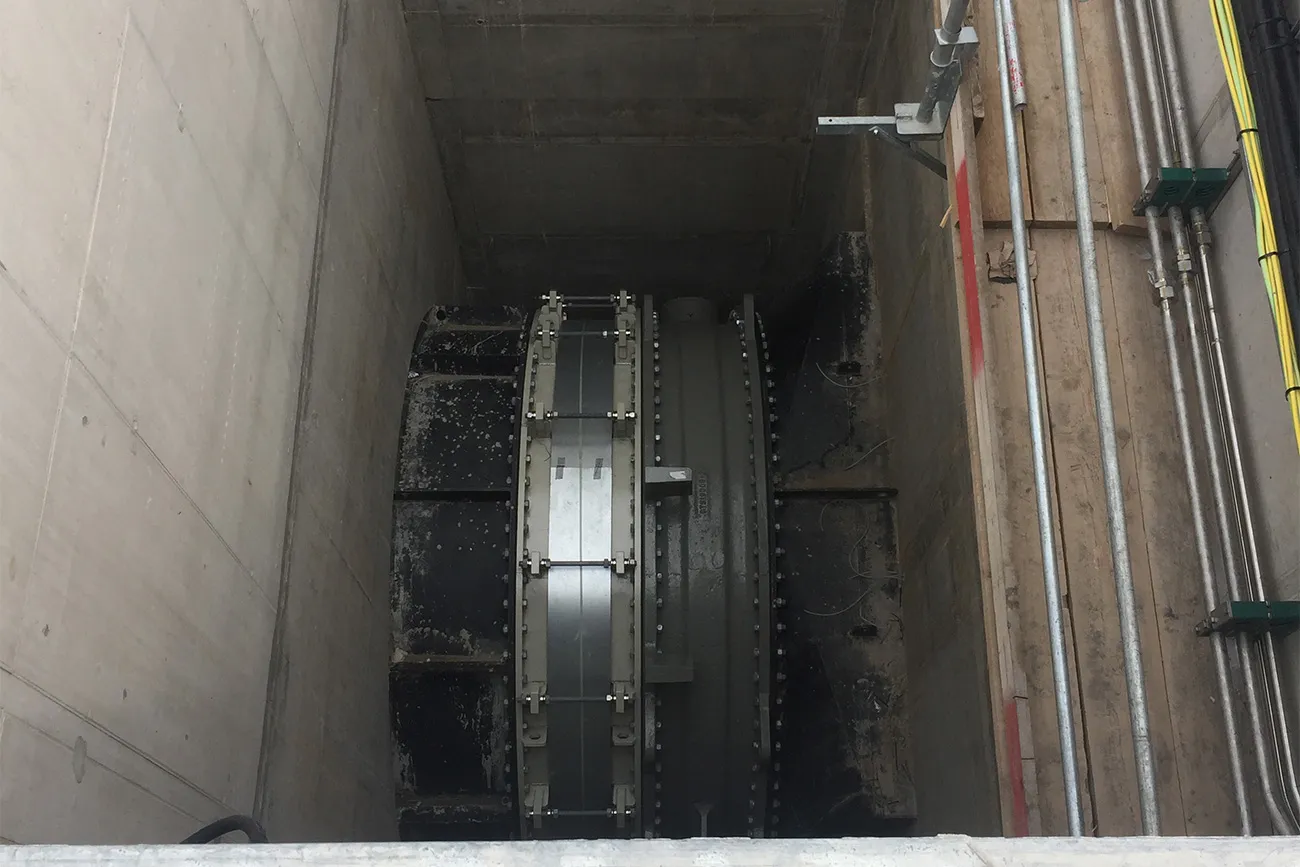
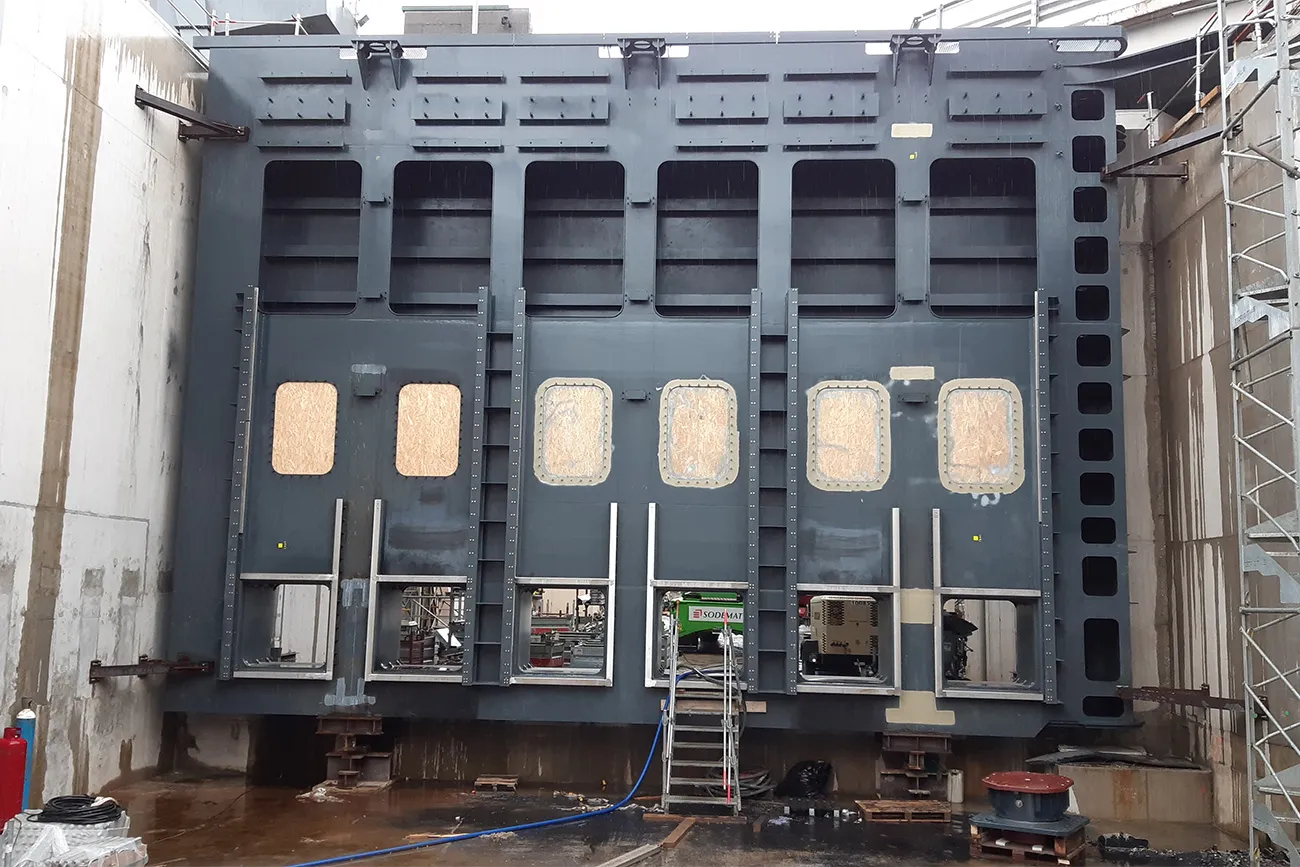
The first project is on the Meuse, in the Huy area, and involves upgrading the Ampsin-Neuville lock site to accommodate larger vessels. In 2023, the two existing locks, measuring 136 m x 16 m and 55 m x 7.5 m, will be replaced by two larger locks measuring 225 m x 25 m and 225 m x 12.5 m. “Larger, modernised locks bring us more in line with the changing requirements of inland waterway transport in Belgium and Europe,” says Patrick Mahy, Project Director in the Equipment Department. “At Ampsin, working as part of a consortium with engineering consultancy Greisch, we are responsible for the electrical systems and everything related to high- and low-voltage systems, from the transformer substation to site supervision at the lock. We are also handling part of the civil engineering, including the design of the steel structures and hinges for the lock gates, as well as the filling and emptying valves and all their operating mechanisms.” One particular challenge is carrying out the work on a site that remains in operation, while keeping the old lock open.
The 4 Locks project
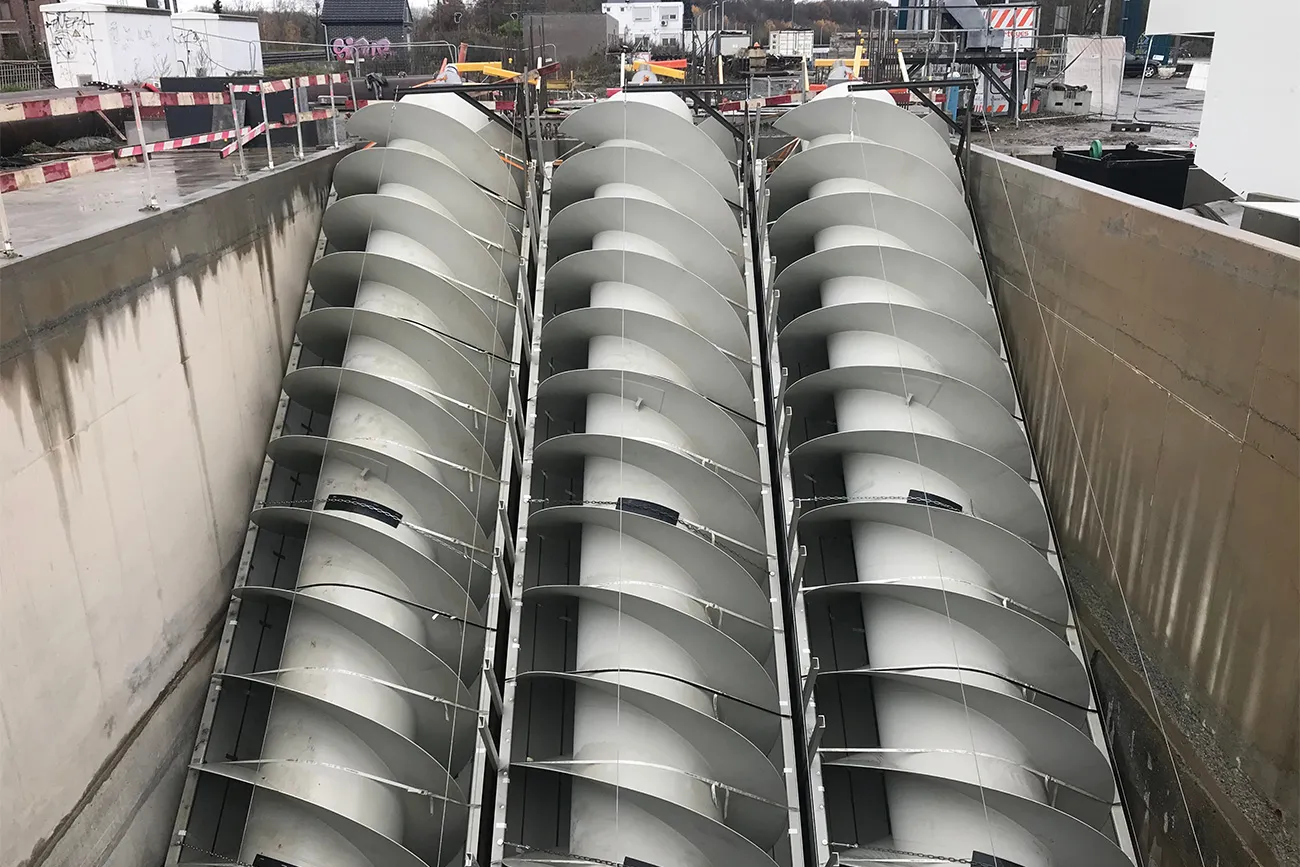
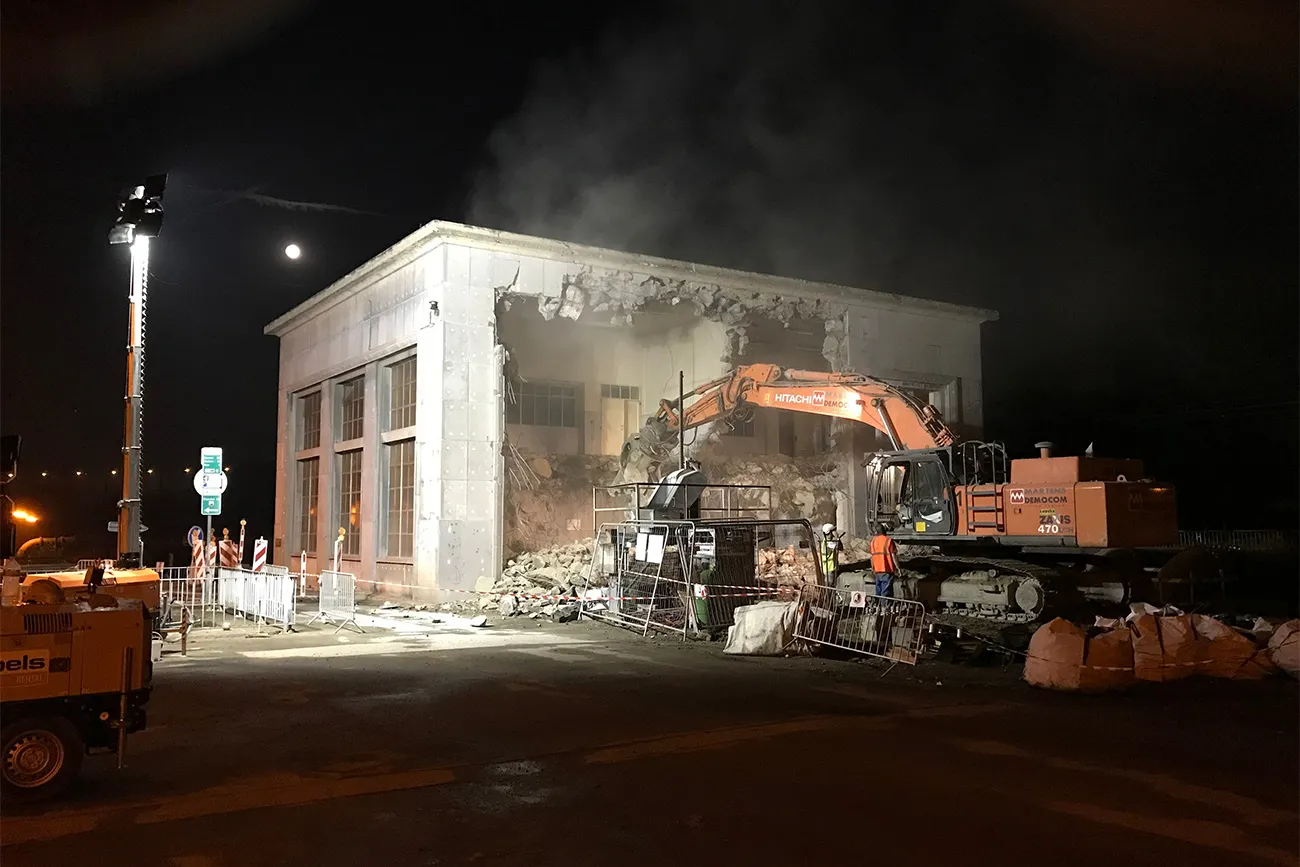
The ‘4 Locks project’ covers work on the Charleroi-Brussels Canal (at Viesville, Marchienne-au-Pont and Gosselies) and the Canal du Centre (at Obourg). At Obourg, the work involved electromechanical project and preliminary design studies to renovate the existing lock and build a new one alongside it. At the CCB site, the study concerns the construction of a new lock alongside the existing locks, which have just been renovated. These new studies follow the extensive renovation of the existing sites on the Charleroi-Brussels Canal. “We were solely responsible for designing the renovation of three lock sites, covering both civil engineering and electromechanical work,” says Patrick Mahy. “We had to convert the old pumping stations, which dated back to the canals’ construction in the late 1950s and early 1960s and used old axial-flow pumps. The stations were adapted to install Archimedes screws. We also replaced all the existing gantries and designed new operating mechanisms for the gates and filling and emptying valves at all three sites.” This required the Tractebel team to plan the work in phases over a very short period, just a few weekends, to avoid disrupting navigation. That was not the only challenge: a solution had to be found to keep pumping water and maintain navigation levels after the pumping stations were removed. A temporary pumping system with a capacity of 9,000 m³/h was therefore designed specifically for the project, monitored and controlled, then removed once the new Archimedes screw pumps were commissioned.
The benefits of working together
Both engineers stress the advantage Tractebel gains from having experienced teams in-house who work together on different projects. “There is a very strong interdependence between soil mechanics and structural engineering, whether the structures are made of concrete, steel or a combination of the two,” explains Damien Delmoitié. “Having both areas of expertise in-house allows us to balance the requirements of each discipline. At Tractebel, we also have access to specialist expertise in areas such as excavated soil management and groundwater drawdown studies, and sometimes even broader projects involving the integration of mobility studies, for example.”
Question about this story? Ask your question
Keep following this
Get an email when a new story is published. No account needed.
- SubjectNews







