











Why traditional epoxy coatings cannot be used as protective coatings in wastewater treatment plants
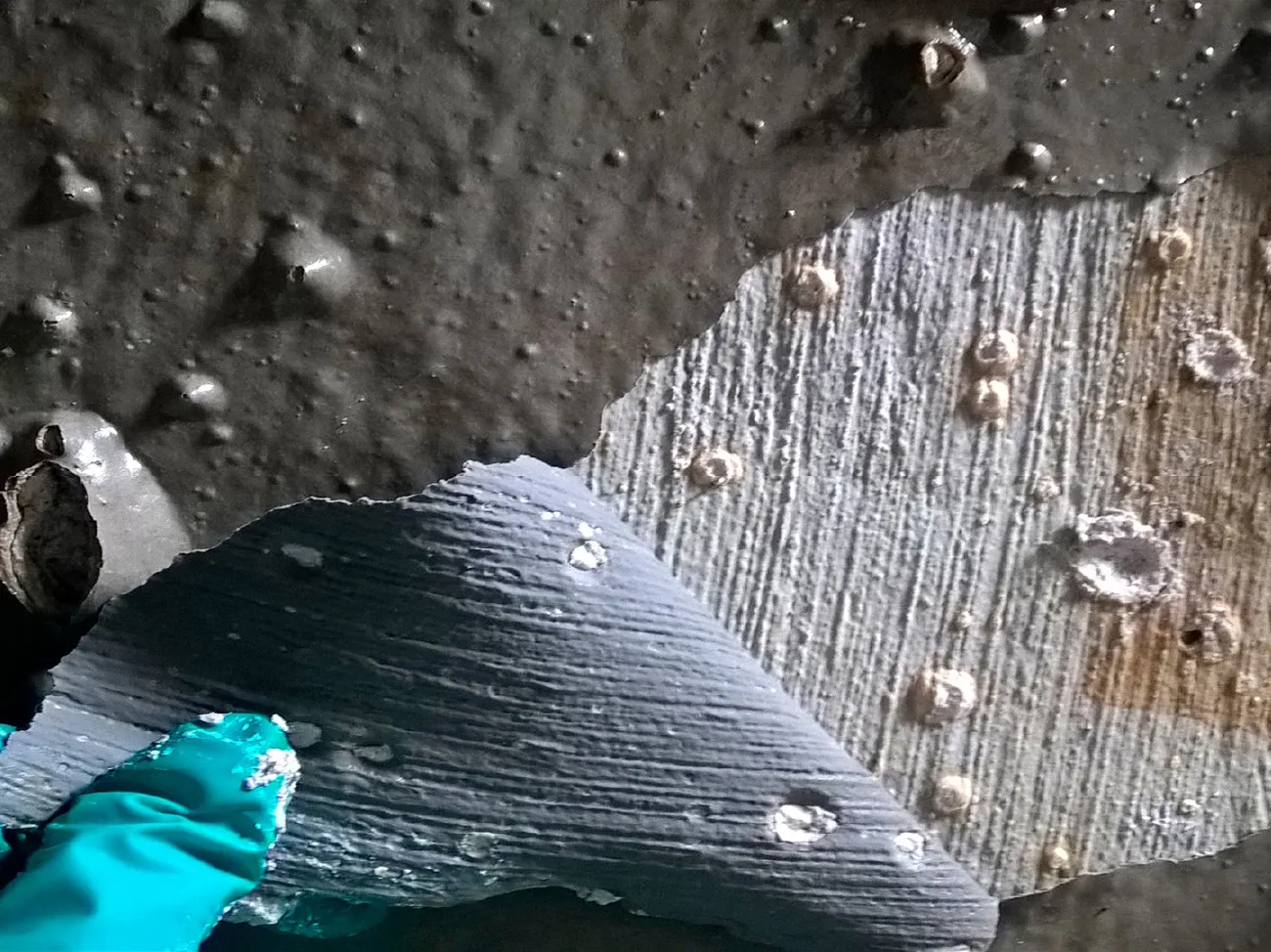
It is generally accepted that domestic wastewater does not attack concrete when in direct contact with it. However, untreated urban or industrial effluent can attack concrete if it contains aggressive chemicals (sulphates …) or has a low pH (< 7). However, in the upper part of enclosed wastewater and sewer networks, above the waterline, materials often attack the underside of concrete covers or roofs.
If the void above the wastewater in a tank, sewer or manhole is poorly ventilated, anaerobic conditions can develop. Bacteria then produce hydrogen sulphide gas in the wastewater. It accumulates in the void, mixes with any traces of moisture (condensation …) on surfaces above the wastewater and eventually produces sulphuric acid. This acid has a low pH and therefore attacks the concrete.
Significant damage is therefore often found on the underside of the crowns of concrete pipes and storage tanks, and on the inner surfaces of the upper sections of precast concrete manholes in poorly ventilated, enclosed sewer networks.
Changes in the environment due to wastewater composition
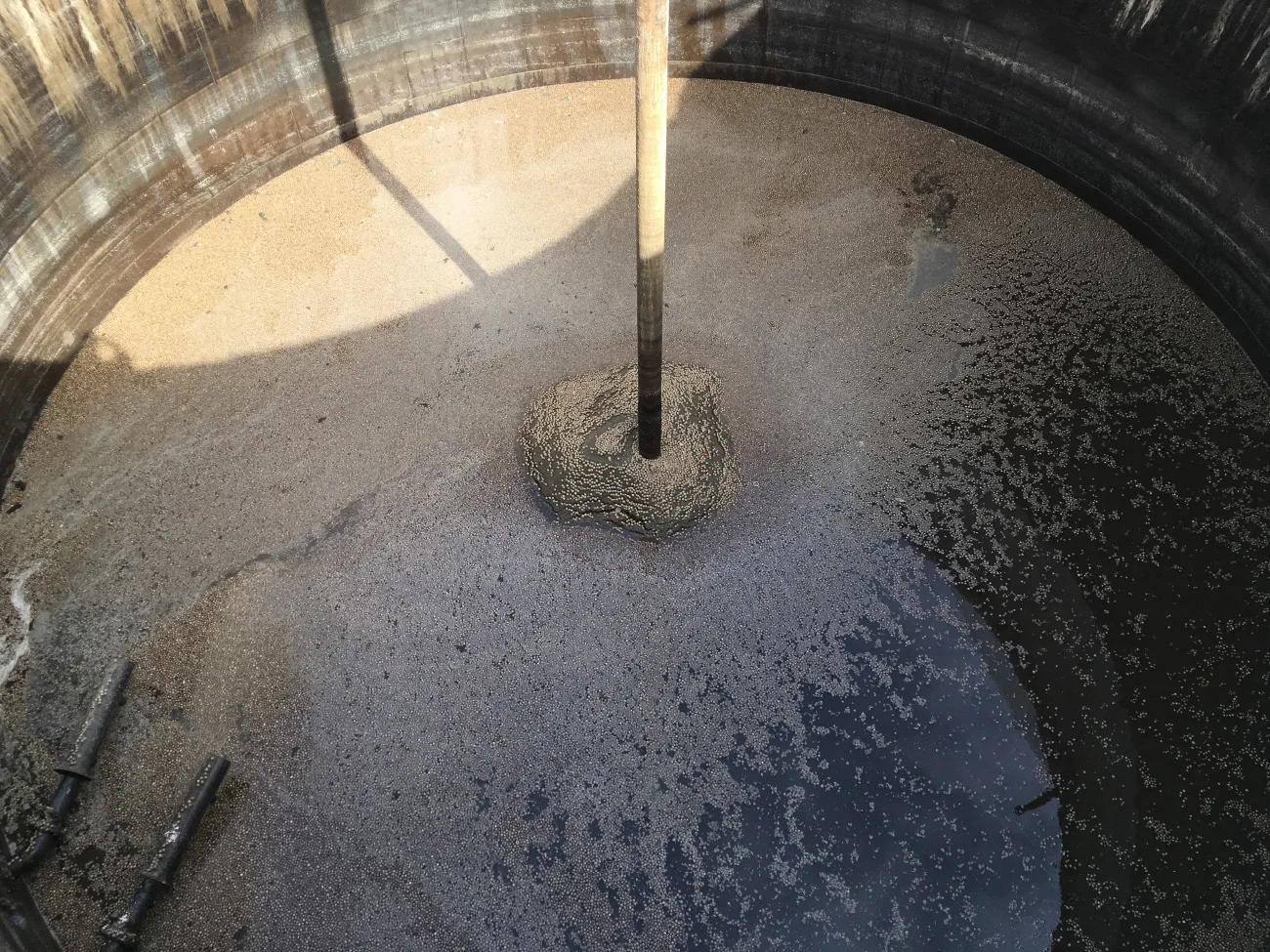
Before 1980, hydrogen sulphide concentrations in urban wastewater were generally around 10 parts per million. This was due to the volume of water used to flush toilets and the presence of heavy metals, which reduce the amount of sulphide in the water.
Since then, regulations and certain programmes to reduce household water consumption and increase the reuse of rainwater and household water appear to have reduced the presence of heavy metals in wastewater. “
But they have also increased concentrations of gaseous H2S tenfold, from 10 ppm to 100 ppm, or even 300 ppm in some cases. Wastewater has therefore also become more corrosive due to its composition, leading to higher concentrations of biogenic sulphuric acid, prolonged and long-term exposure of surfaces to acids (as sulphuric acid forms more regularly), higher levels of H2S and other gas permeation through coatings, and greater colonisation by sulphur-oxidising bacteria (SOB), resulting in thicker deposits.
Traditional solutions using coal-tar epoxy coatings
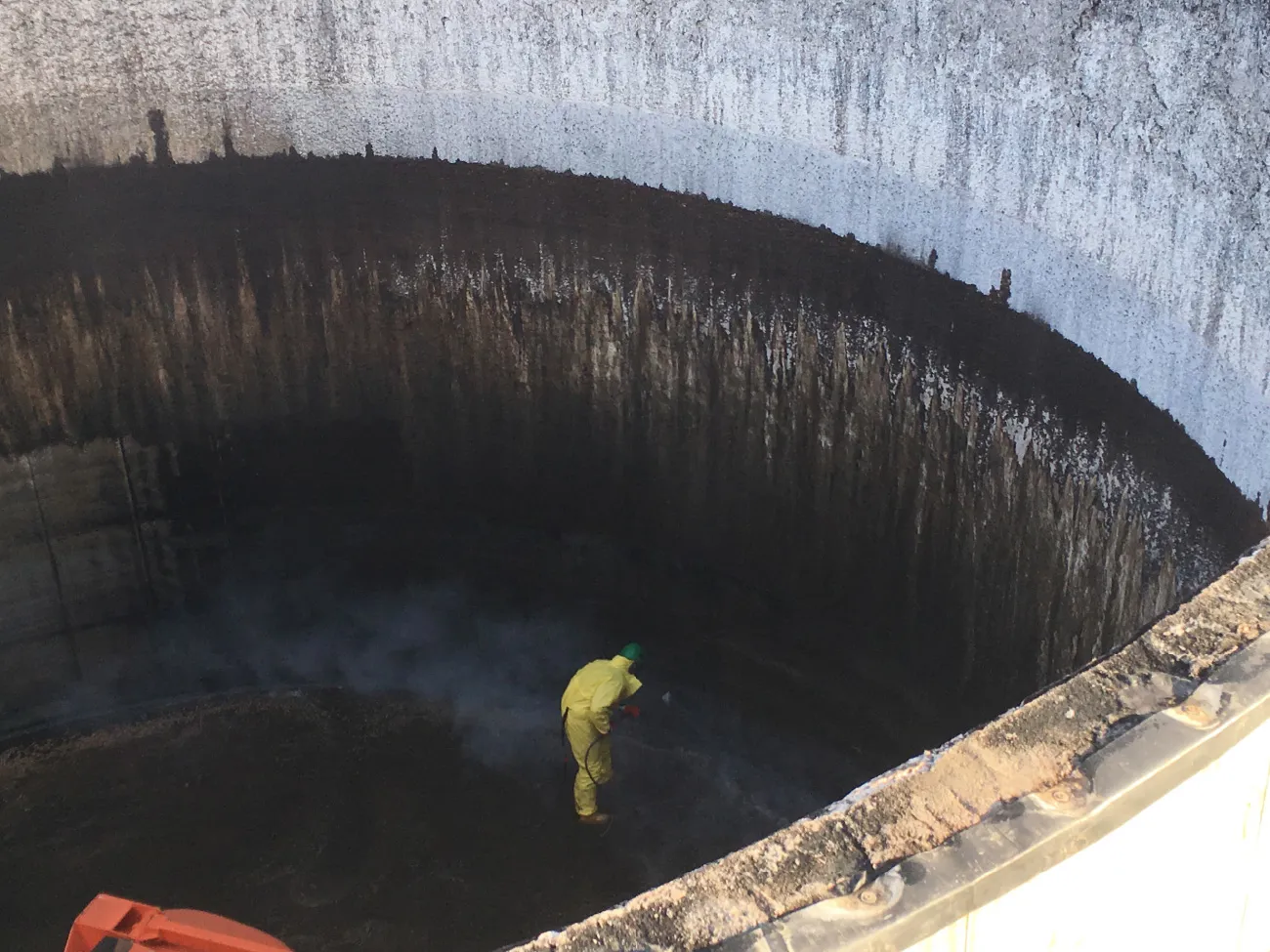
Coal-tar epoxy has been used in wastewater treatment applications for a long time because it offers good performance and effective protection for several years.
These epoxy resins are economical and relatively easy to apply. They resist low concentrations of sulphuric acid for a time, but deteriorate as the concentration increases. They adhere to dry concrete, but have very limited capacity to bridge active cracks. When applied, these coatings require concrete surfaces with a residual moisture content of < 4%. Normally, at least 7 days are needed at temperatures above 10 ºC for the coating to cure fully and be immersed. The total coating thickness generally does not exceed 0.5 mm, as it is difficult to achieve a thicker application. All this reduces the safety factor of these products. The durability of the applied film, intended to protect concrete and steel surfaces from acid attack, is therefore at risk.
Performance and application criteria for coatings or membranes in current conditions
Given today’s more aggressive conditions, specifications for coatings or membranes used in sewer pipes and wastewater treatment plants should include the following properties:
- improved long-term resistance to sulphuric acid
- lower permeability, including low water vapour permeability and low water absorption
- resistance to bacterial action
- optimum adhesion to the substrate
- good crack-bridging capacity
- high mechanical strength (wear and impact resistance).
Membrane quality is also very important because the membrane acts as a barrier and must deliver long-term performance. Coating specifications must therefore take into account not only the performance criteria listed above, but also application criteria to prevent initial defects in the membrane:
- tolerance of moisture during application and curing, particularly in refurbishment projects
- ease of achieving pinhole-free coats
- full curing time and overcoating intervals
- ability to apply the product to soffits or vertical surfaces without sagging
- adhesion to metal substrates
- simple procedures for applying the coating in confined spaces
Conclusion: traditional systems are no longer sufficient
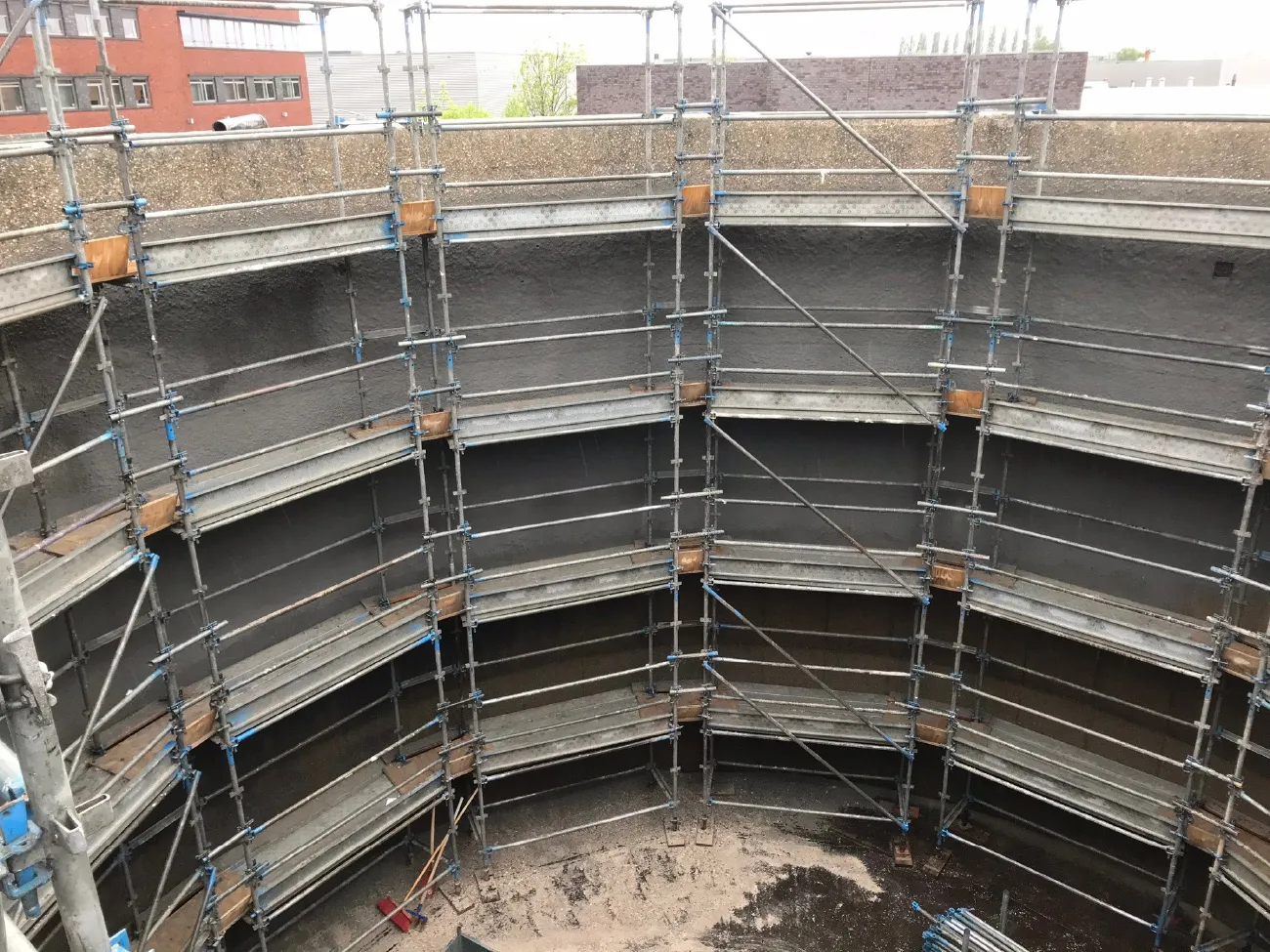
Changes in wastewater composition mean that traditional waterproofing and protection systems are no longer sufficient in the long term.
Coal-tar epoxy coatings are inexpensive, easy to apply and require only a small quantity of material. They have poor adhesion to damp concrete, cure very slowly at low temperatures and have very limited durability due to the more aggressive composition of wastewater. Traditional tests of a coating’s resistance to sulphuric acid do not reflect the complexity of the chemical and biological processes that occur in wastewater environments. Bacterial resistance must also be taken into account when assessing durability. Finally, the coatings selected must offer not only chemical and biological resistance, but also suitable application properties, such as application to damp substrates and in thick layers. Most importantly, selected coatings must have excellent crack-bridging capacity to prevent substrate cracks from damaging the coating.
Question about this story? Ask your question
Keep following this
Get an email when a new story is published. No account needed.
- SubjectNews







