











Tips for durable waterproofing with liquid-applied membranes
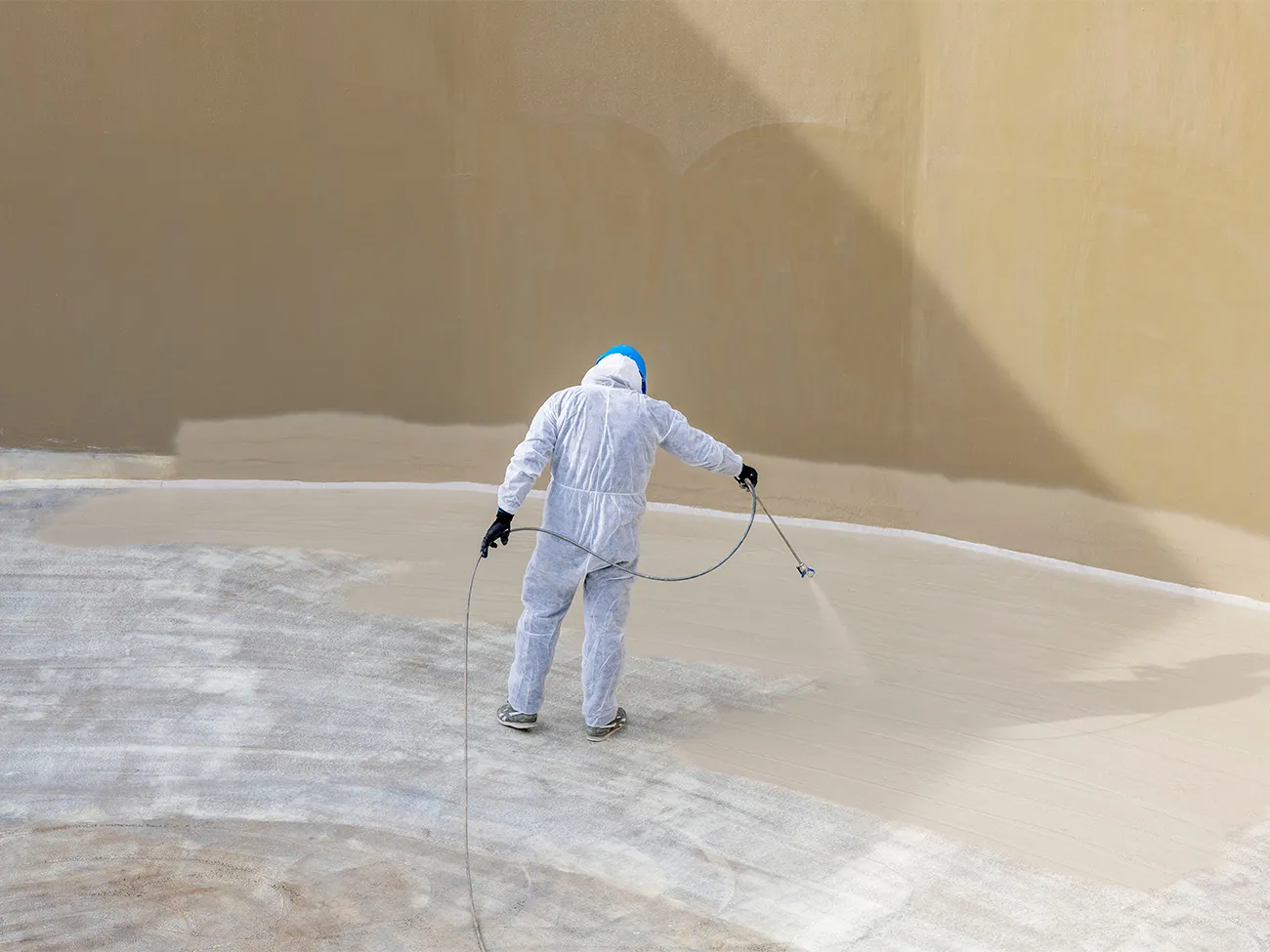
The versatility of liquid-applied membranes means they can be used to waterproof all types of structures, from roofs and basements to car parks, and from industrial facilities to infrastructure such as bridges, dams and water treatment plants.
Liquid-applied membranes form a homogeneous, fully bonded waterproofing layer, eliminating the welded seams and joints that are typically the weak points of any waterproofing system.
But the full benefits of liquid-applied technology can only be realised when it is installed professionally. Here are some key tips from waterproofing experts to maximise performance, minimise costs and ensure customer satisfaction.
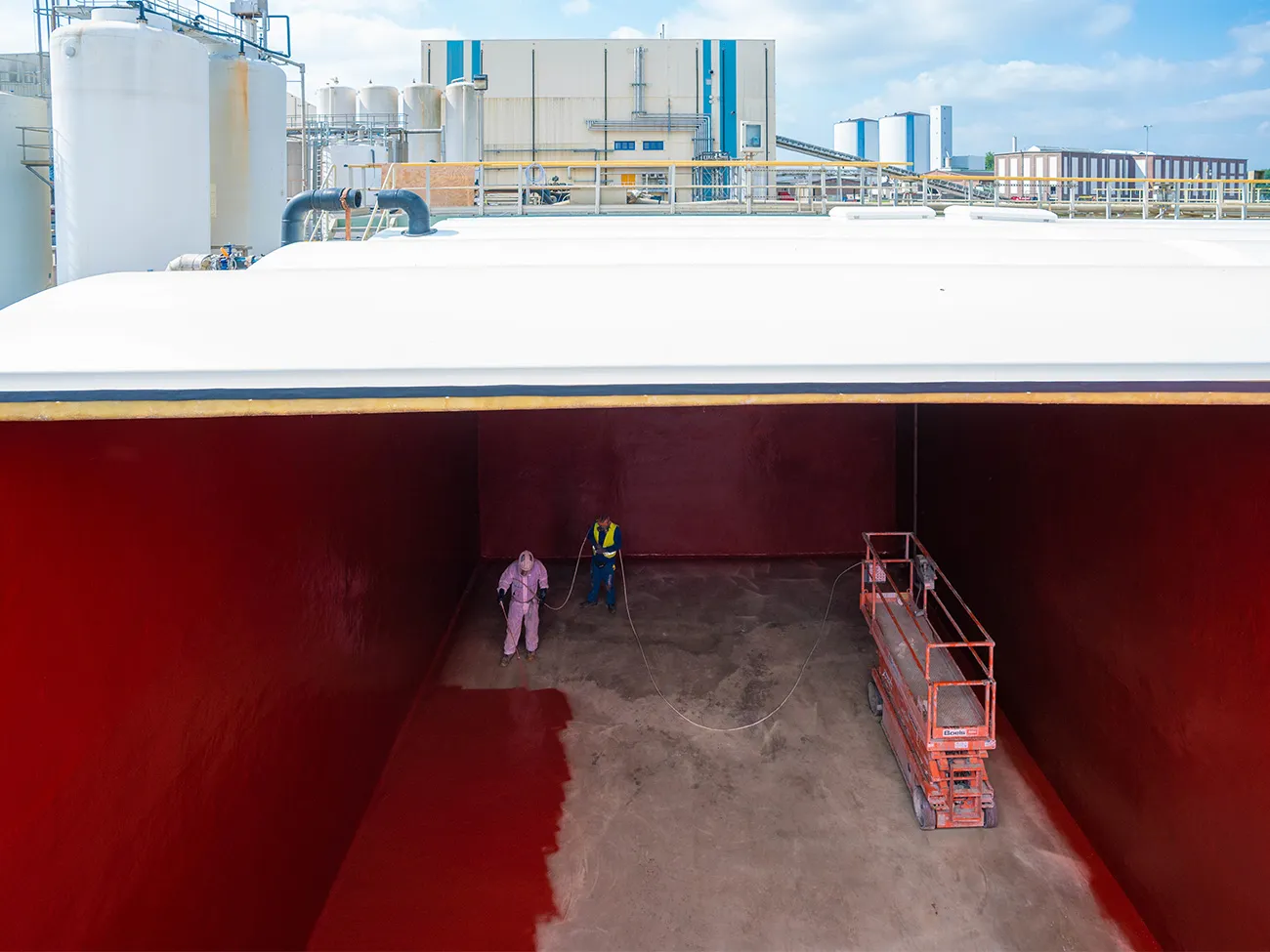
Prepare the substrate properly
Liquid-applied membranes require full adhesion to the substrates on which they are applied. This means taking the utmost care when preparing the substrate that will receive the waterproofing system, cleaning it and removing anything that could compromise adhesion or, worse still, create “false” adhesion.
Inadequate surface preparation can cause the applied product to debond, leading to deterioration, facility downtime, the need for additional repairs and, consequently, extra costs.
Always use a primer
As well as improving adhesion, primers also serve other important purposes. They reduce the risk of air bubbles forming in the membrane from the substrate; provide a uniform surface for subsequent membrane applications; remove any remaining dust from the concrete substrate; and play a decisive role in reducing the risk of debonding and blistering when residual moisture is present in the concrete.
Choose crack-bridging membranes
Liquid-applied membranes are fully bonded to the substrate. This means that any movement in the substrate will affect the membrane. A rigid waterproofing system will reflect any crack that opens in the substrate, whereas an elastic, crack-bridging membrane will remain continuous even if unexpected cracks appear.
Apply the specified thickness
Always follow the manufacturer’s recommendation for the thickness of membrane to be applied. Elastic membranes accommodate unexpected cracks by deforming and stretching, which reduces their thickness. Insufficient thickness can therefore compromise the membrane’s continuity. In addition, on an uneven substrate such as concrete, a membrane that is too thin may not cover all the substrate’s irregularities. Finally, a protective membrane acts as a barrier against water, aggressive chemicals and gases.
Pay attention to the details
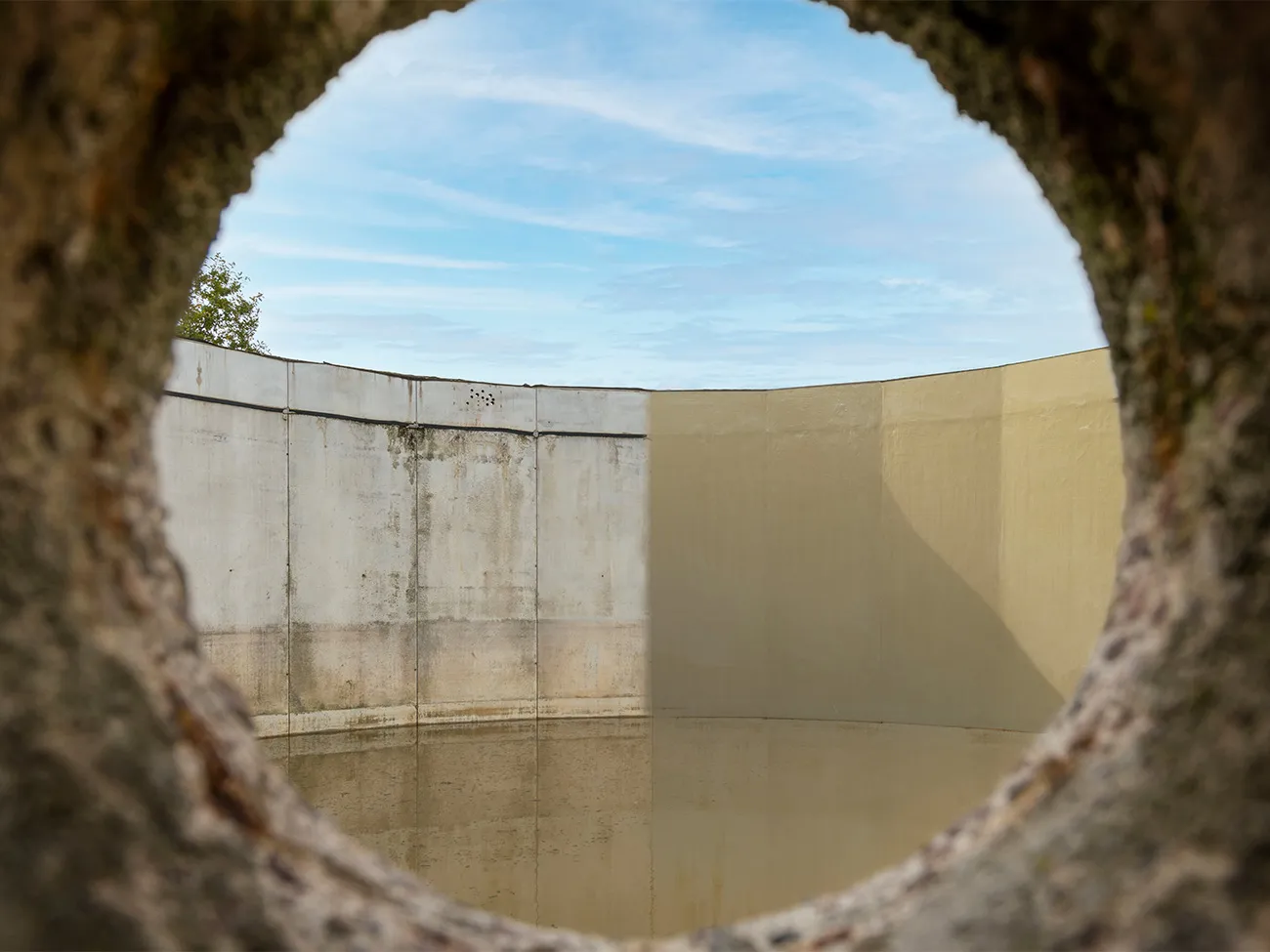
Joints, cracks, fixings, connections and many other details are where the risk of waterproofing failure is greatest. Although liquid-applied membranes make detailing easier than prefabricated sheets, these points still require particular care.
Anchor bases, mechanical fixings, surface-mounted installations and so on may have different configurations, but they can all be completely covered by a continuous layer of the liquid-applied waterproofing system.
Roof outlets are relatively straightforward to treat: simply spray on the liquid-applied membrane, extending it at least 40 cm around the outlet perimeter.
Finally, sharp external corners and internal corners (wall-to-floor or wall-to-wall) should be smoothed and rounded to prevent stress concentrations if the different elements move.
Treat all movement joints correctly
Concrete structures need joints for a variety of reasons. Small movements in the concrete that cause cracks can be accommodated by elastic or crack-bridging membranes. However, structural movements can vary: depending on daily and seasonal changes in temperature or sunlight, or on functional or structural changes in the different elements of a concrete structure, crack-bridging membranes may not be sufficient. Movement joints must then be treated with an appropriate seal, using sealants or elastic tapes.
In this case, a proper connection must be made between the waterproofing membrane and the joint sealing system on one side, so that the latter retains its capacity for movement and water cannot penetrate the connection between the joint and the waterproofing membrane. “
Consider the additional benefits of waterproofing membranes
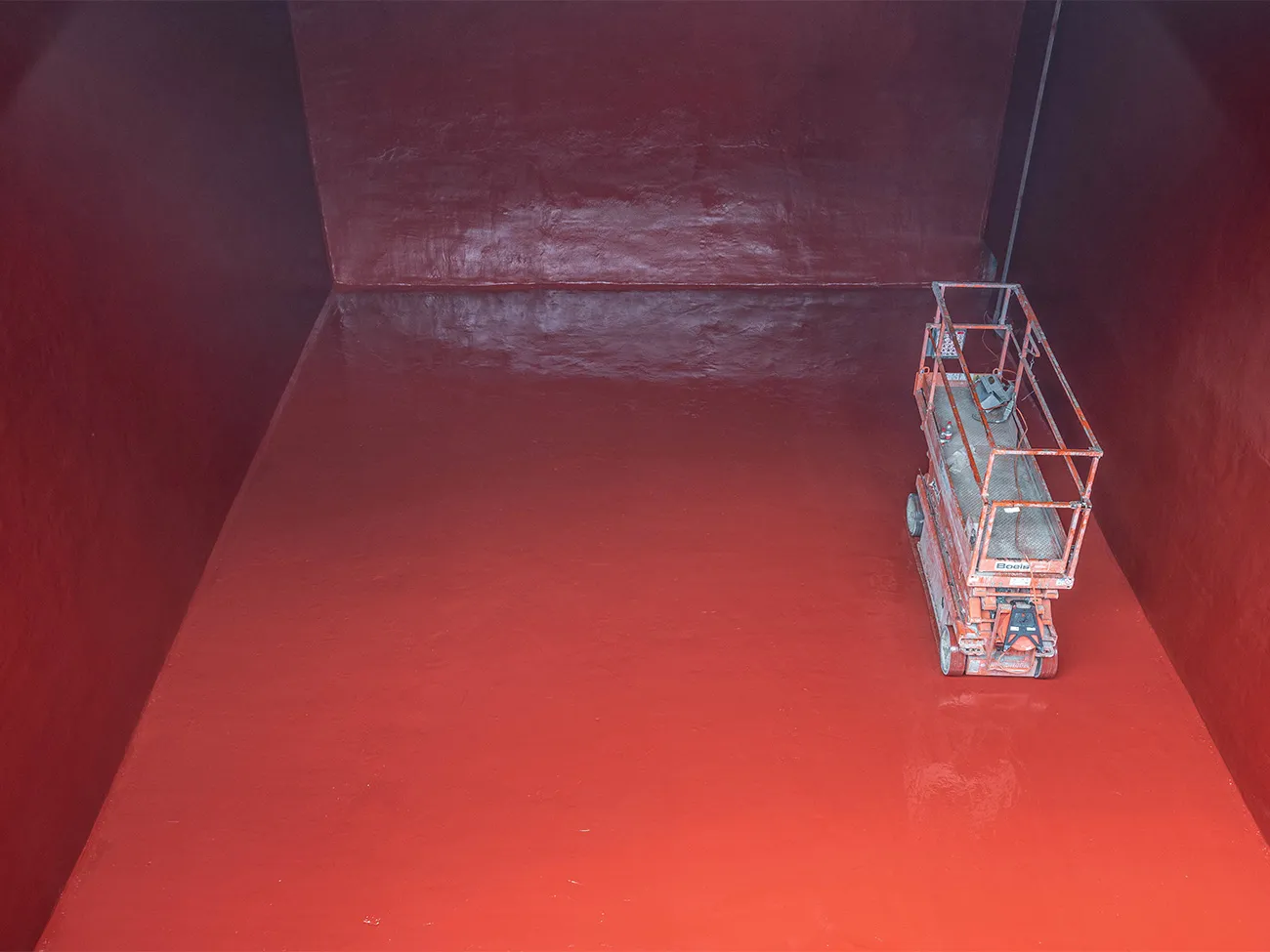
The primary function of a waterproofing membrane is to act as a barrier against liquid water, preventing it from passing from one side of the structure to the other. Provided all the points above have been carefully addressed, any membrane will perform this function. No membrane is less than 100% waterproof.
Depending on the application, however, waterproofing membranes may also meet specific additional requirements. You can find out more, among other things, by visiting the “Expert insights” section of the Construction blog by Masters Builders Solutions (in English): https://blog.master-builders-solutions.com/en/tag/expert-insights
Last but not least, waterproofing membranes also contribute to sustainability by reducing the environmental impact and financial costs of structures. They reduce concrete deterioration, which can lead to costly repairs and refurbishment or, worse still, demolition and reconstruction of the structure.
A business question for Master Builders Solutions Belgium nv? Get in touch
Companies in this story
Keep following this
Get an email when a new story is published. No account needed.
- ThemeTransforming infrastructure and territories
- SubjectNews
- CompanyMaster Builders Solutions Belgium nv







