











The future of the site surveyor
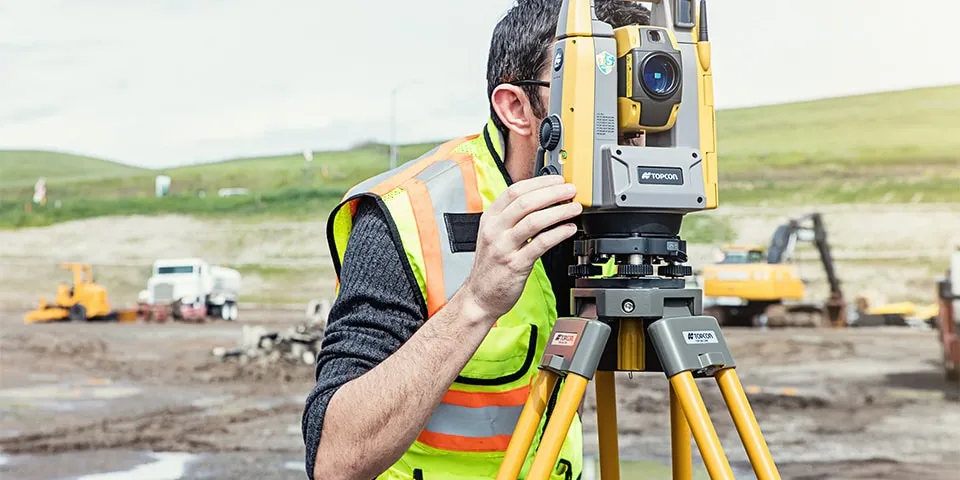
Although it is one of the largest industries in the world, the construction sector lags significantly behind in adopting new technologies and digital processes. However, it is starting to catch up, and a host of exciting innovations are now entering the market. How will these changes affect the needs of the modern site surveyor? In this article, Stefan Naumann, Senior Business Development Manager at Topcon Positioning Europe, explains how the sector is evolving and what surveyors need to do to stay ahead.
Surveyors around the world are at a crossroads. The entire construction and infrastructure sector faces enormous supply and demand challenges. While technology offers a clear solution, widespread adoption is far from straightforward. We have a set of tools that previous generations could only have dreamed of, and of course the surveyor’s role is evolving alongside this digitalisation.
Yet many professionals are still reluctant to adopt new technologies, preferring the traditional methods they have relied on for years. Unfortunately for them, it is now a matter of “life or death”: surveyors must keep up with trends and adopt new processes. Otherwise, they will almost certainly be left behind.
A change of mindset
Old habits may die hard, but the time has come for surveyors to abandon the outdated processes they learnt during their studies and rethink their approach to projects as we enter this exciting new era. They need to find out what is available on the market today and be open to it if they are to secure their future.
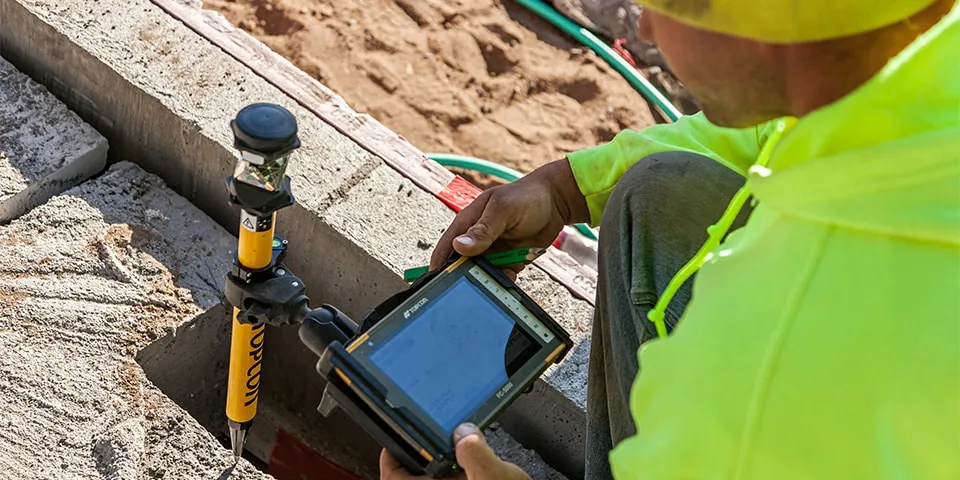
Naturally, it is understandable that some surveyors feel overwhelmed by new technologies and all the buzzwords that come with them: augmented reality, virtual reality, Smart Cities, BIM, big data processing, 4D, 5D and even 6D. The list goes on. But in reality, these developments can significantly improve project accuracy and speed, and therefore deliver tangible commercial results.
As we all know, geological surprises are a major cause of project delays and budget overruns. Discrepancies between site conditions and initial survey estimates can require costly last-minute changes to a project’s scope and design. Technology can solve this problem.
To meet their clients’ changing needs and grow their businesses, surveyors must adapt to new ways of working and change their business models. But this is not solely the surveyor’s responsibility: technology providers also need to work together to develop effective solutions and promote their applications across the sector. This is how we can make collective progress and meet the demands of the future.
From surveyor to data specialist
In recent years, job titles for what we traditionally called a surveyor have begun to reflect a shift towards data processing. Surveying engineers have become spatial data managers, and surveyors are now geodata managers. This clearly demonstrates that much of the value of the role lies in data.
This has always been the case: surveyors have always relied on coordinate systems and georeferencing, and on knowing what data is needed to achieve the right results. But technological advances are enabling us to go even further. Surveyors are learning how to harness huge datasets, using SaaS and cloud-based solutions to their advantage to unlock new opportunities and access new areas they have not yet explored. The market offers a wide range of tools to help surveyors make informed decisions. For example, a broad range of hardware technologies associated with drones (UAVs) and big data collection in general are well suited to integration with inspection solutions.
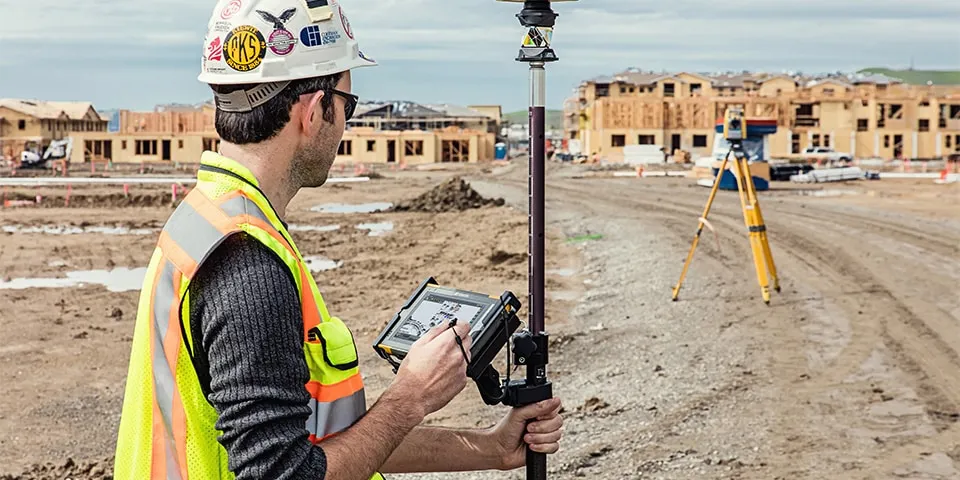
It is important to note that while you do not necessarily need a surveying qualification to use a laser scanner or a drone, surveying expertise is invaluable when it comes to enriching datasets and making the most of this technology. What will set a surveyor apart from other professionals is their willingness and ability to use these new tools productively.
Looking ahead
Our sector is growing rapidly. But with its current practices, it carries significant safety risks and simply cannot keep up with the workload placed upon it. That is why we are constantly looking for safer and faster ways to carry out the same tasks.
Using drones and big data technologies to carry out traditional surveying tasks is becoming commonplace. In the not-too-distant future, cloud-based data storage and workflow technologies will become standard for every professional.
Then, in the near future, augmented reality solutions will come into their own: they will all help bring us closer to a “continuous representation of reality” and a level of efficiency comparable to that of other manufacturing sectors.
The inspection sector is on course to reach a turnover of 15 billion dollars by 2025, and those who will get a slice of the pie are the ones who start adopting new technologies and incorporating business intelligence into their processes today.
It is time to move forward!
Question about this story? Ask your question
Companies in this story

Keep following this
Get an email when a new story is published. No account needed.
- SubjectNews
- CompanyTopcon







