











The advantages of pultruded FRP structures
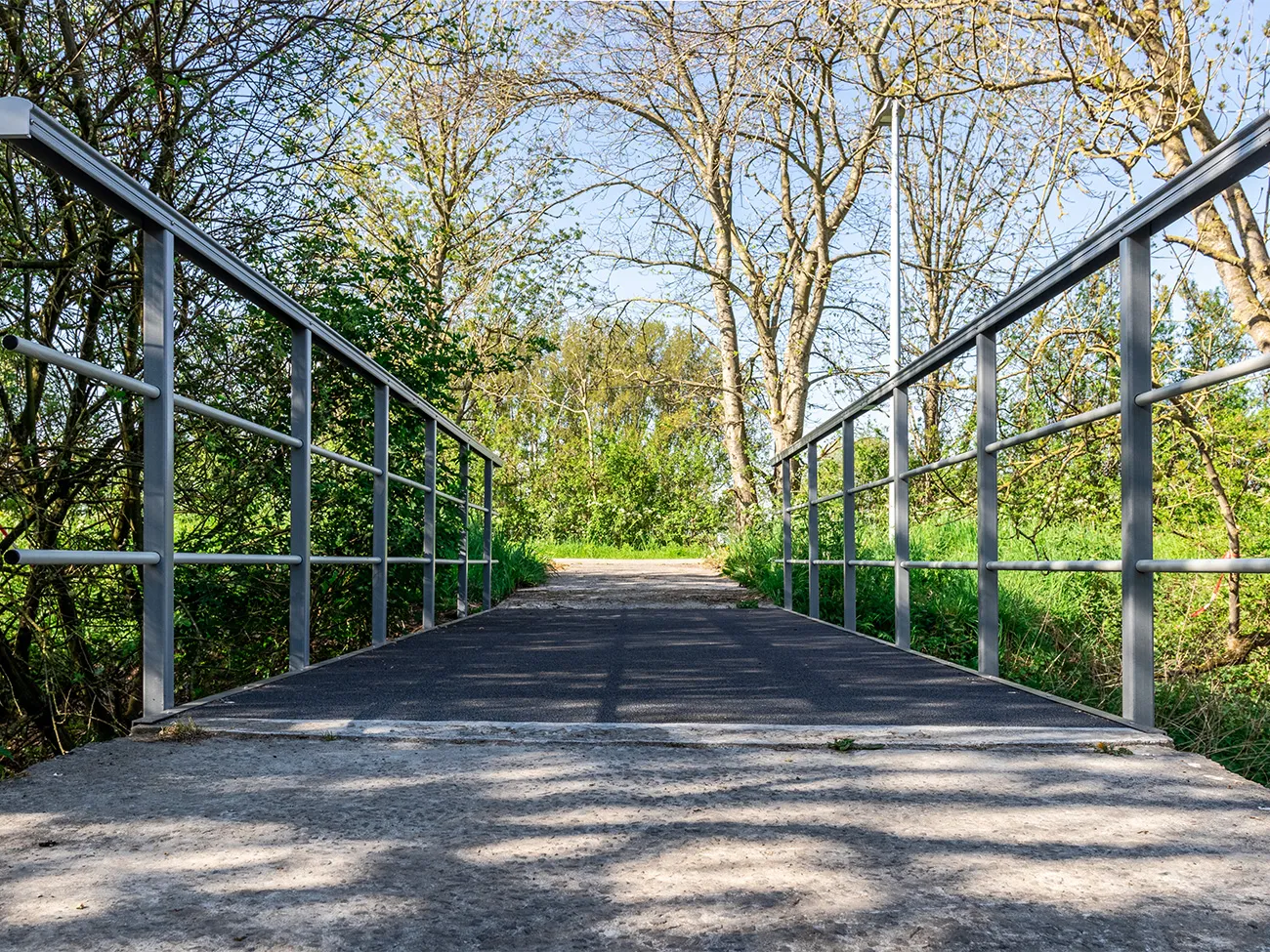
We have previously discussed in these columns the vacuum infusion technique used to create a one-piece fibre-reinforced polymer (FRP) structure, such as a bridge. There is, however, another technique, called pultrusion, which makes building an FRP footbridge even faster and less costly. It is a well-established technique abroad, and CGK Group has just used it for the first time in Wallonia.
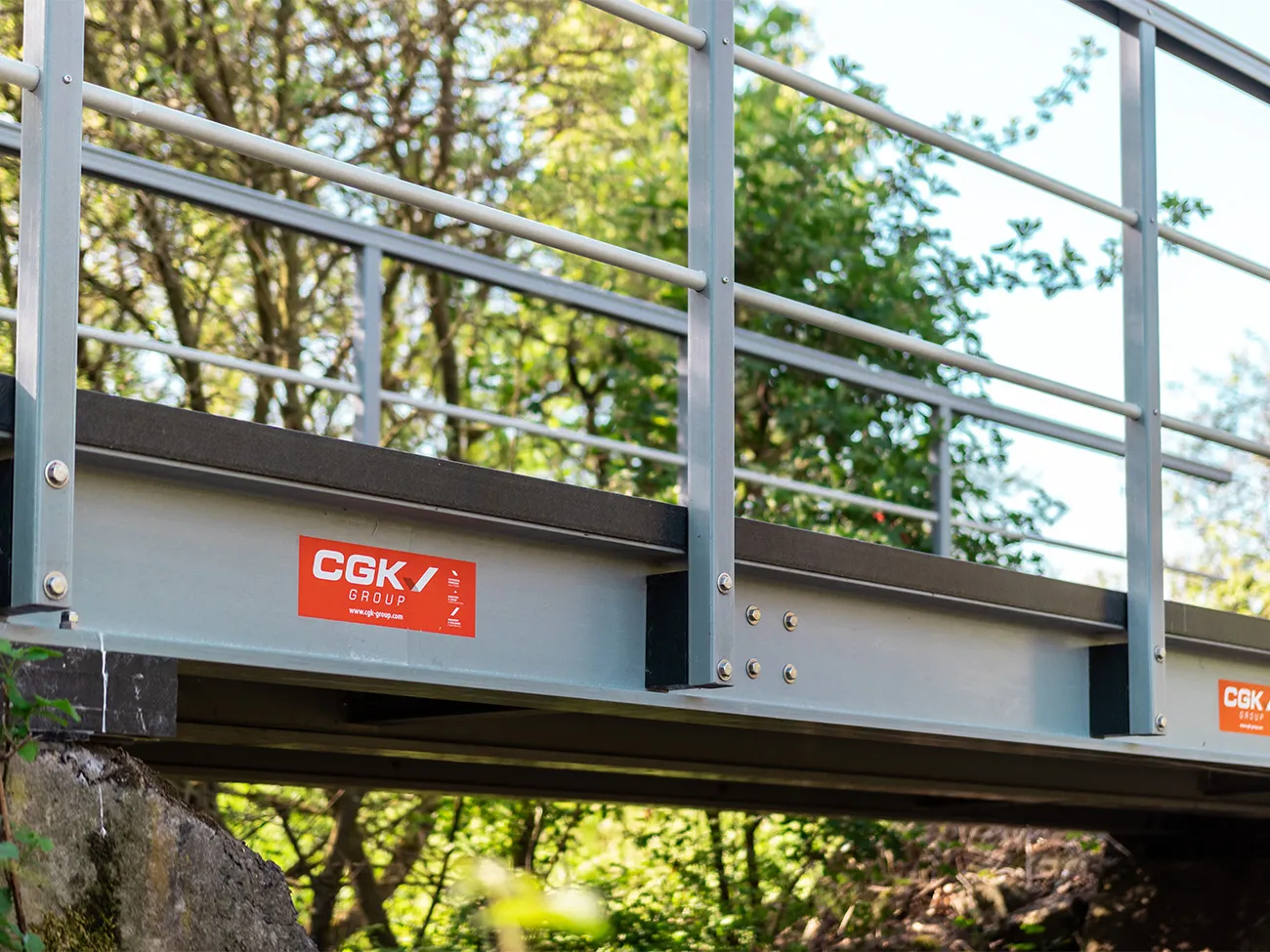
The advantages of FRP over other materials such as steel are well known: exceptional lightness, with FRP offering the highest strength-to-weight ratio of any material, and virtually no maintenance. It is also resistant to corrosion, chemicals and UV radiation, and offers electrical and thermal insulation. FRP also has a lower environmental footprint than steel or aluminium.
Pultruded FRP profiles and decking boards
Using pultruded FRP profiles to build a small bridge brings further benefits: very short construction times thanks to the use of off-the-shelf components, even lower weight, and the option of assembling the structure on site where semi-trailers and mobile cranes cannot gain access.
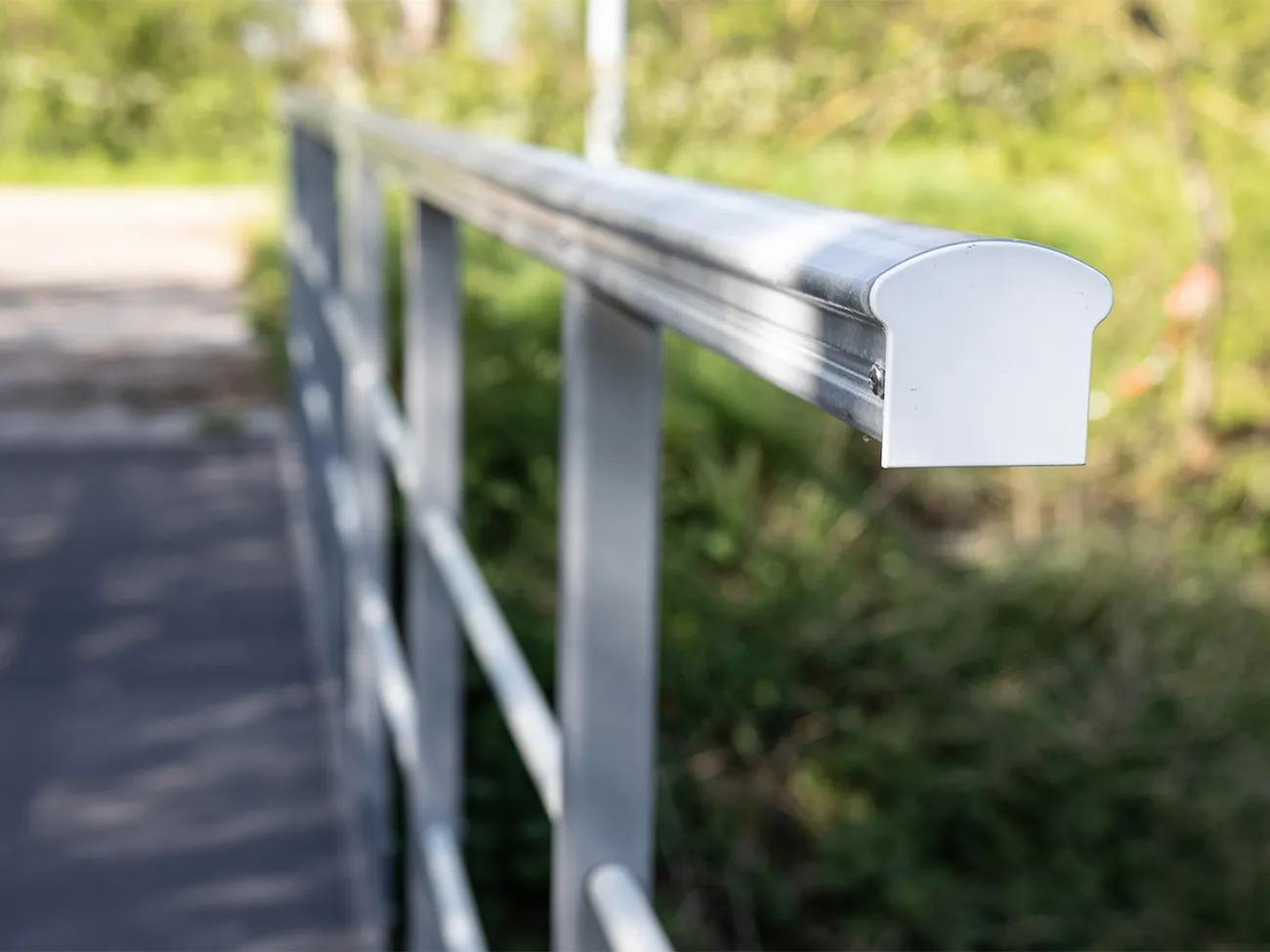
Made from resin and longitudinally aligned fibres, pultruded profiles and boards provide the required strength (Eurocodes) for footbridges or cycle bridges around ten metres long. The FRP components are mechanically connected using stainless steel bolts, nuts and plates. This makes repairs straightforward if needed: simply unbolt and replace the defective component. The guardrails are also made from pultruded FRP profiles. It should be noted, however, that structures built in this way are conventional, flat designs, unlike those made using vacuum infusion, which allows curved shapes. The maximum permissible load of a pultruded structure is limited to the weight of a large car.
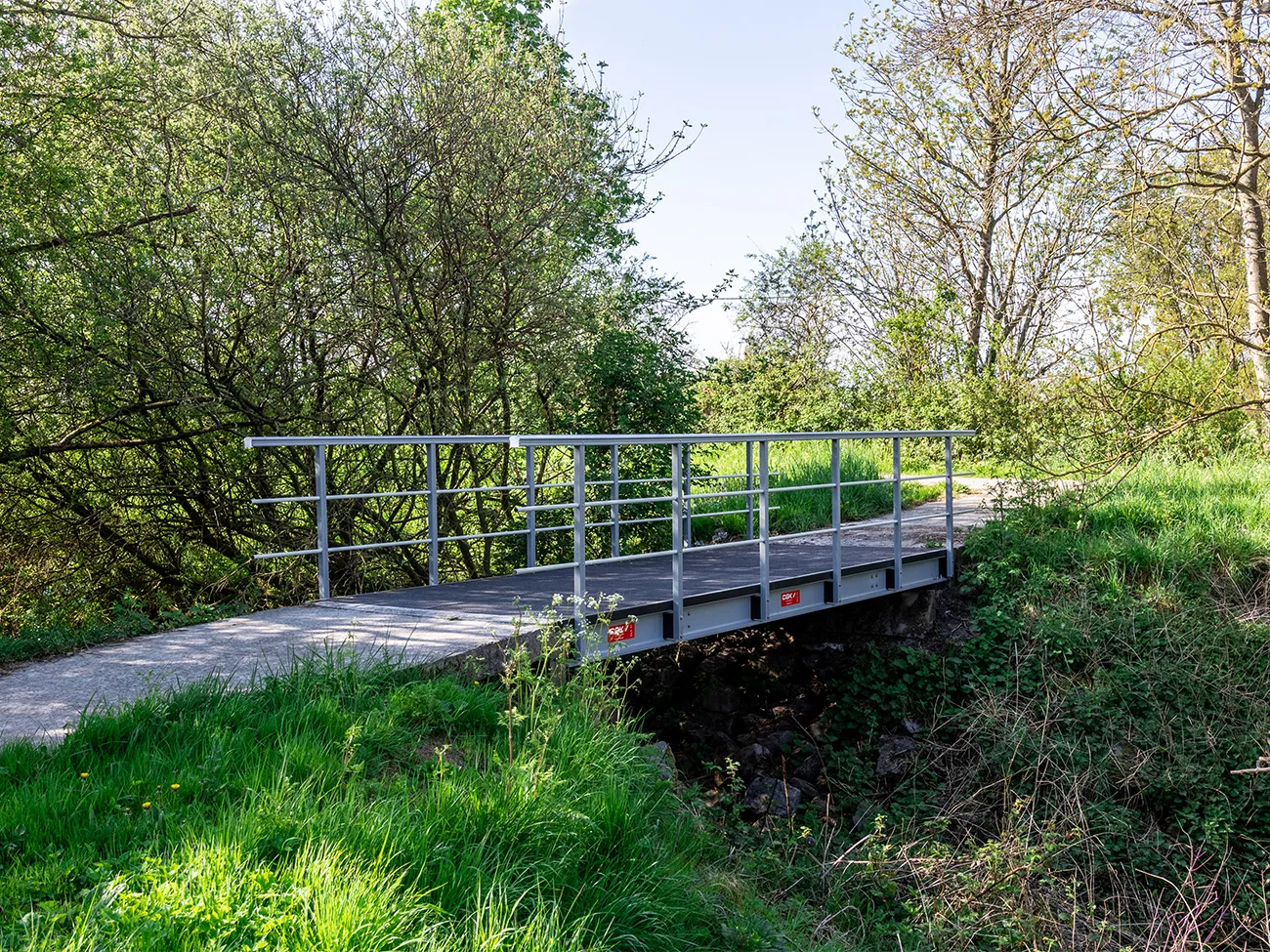
A first for Wallonia
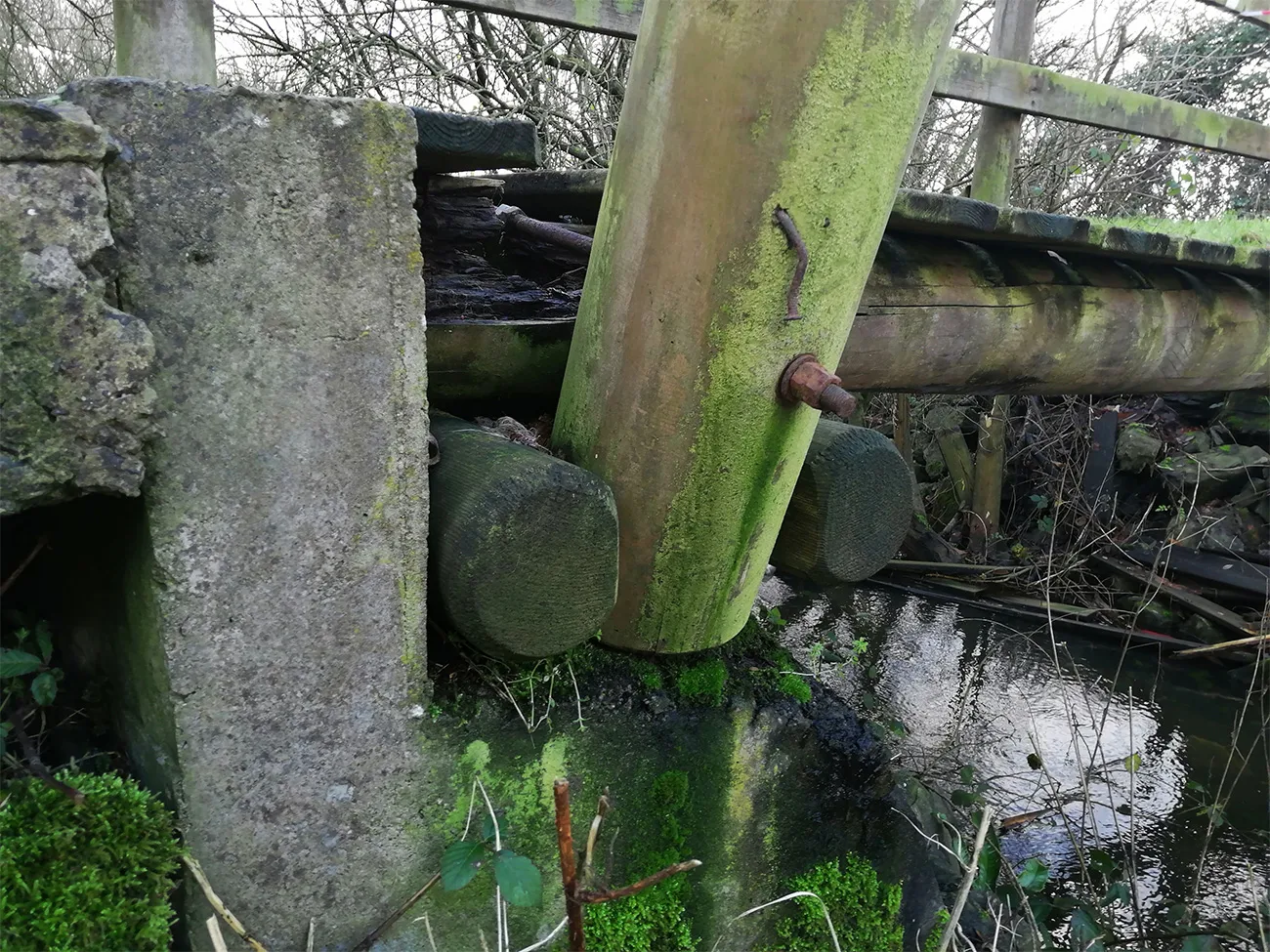
Hughes Wygaerts, Business Unit Manager, CGK Maritime & Infra construction: “These bridges have been around for a long time in the Netherlands, Germany and Switzerland, and are built to last 100 years. In Switzerland, some were dismantled for inspection after 25 years, revealing no wear or deflection.” Comines-Warneton had the honour of hosting the first pultruded FRP footbridge, 6 metres long, built for the SPW. In this case, it replaced a structure made entirely of wood that had reached the end of its service life. The existing abutments were retained without reinforcement, thanks to the low weight of the new FRP structure.
There is significant potential for CGK, as there are many such wooden bridges in our country. When wet, a wooden deck can be particularly slippery. It is worth noting that the technique can also be used, for example, to replace only the deck of an existing structure. The client can choose the finish of the deck’s wearing surface, from fine to coarse, depending on the intended use. The standard colour of FRP, which is coloured throughout, is grey, but other colours are possible depending
on the volume.
Question about this story? Ask your question
Keep following this
Get an email when a new story is published. No account needed.
- ThemeTransforming infrastructure and territories
- SubjectNews







