











“Solar shading should be the first line of defence against overheating in buildings.”
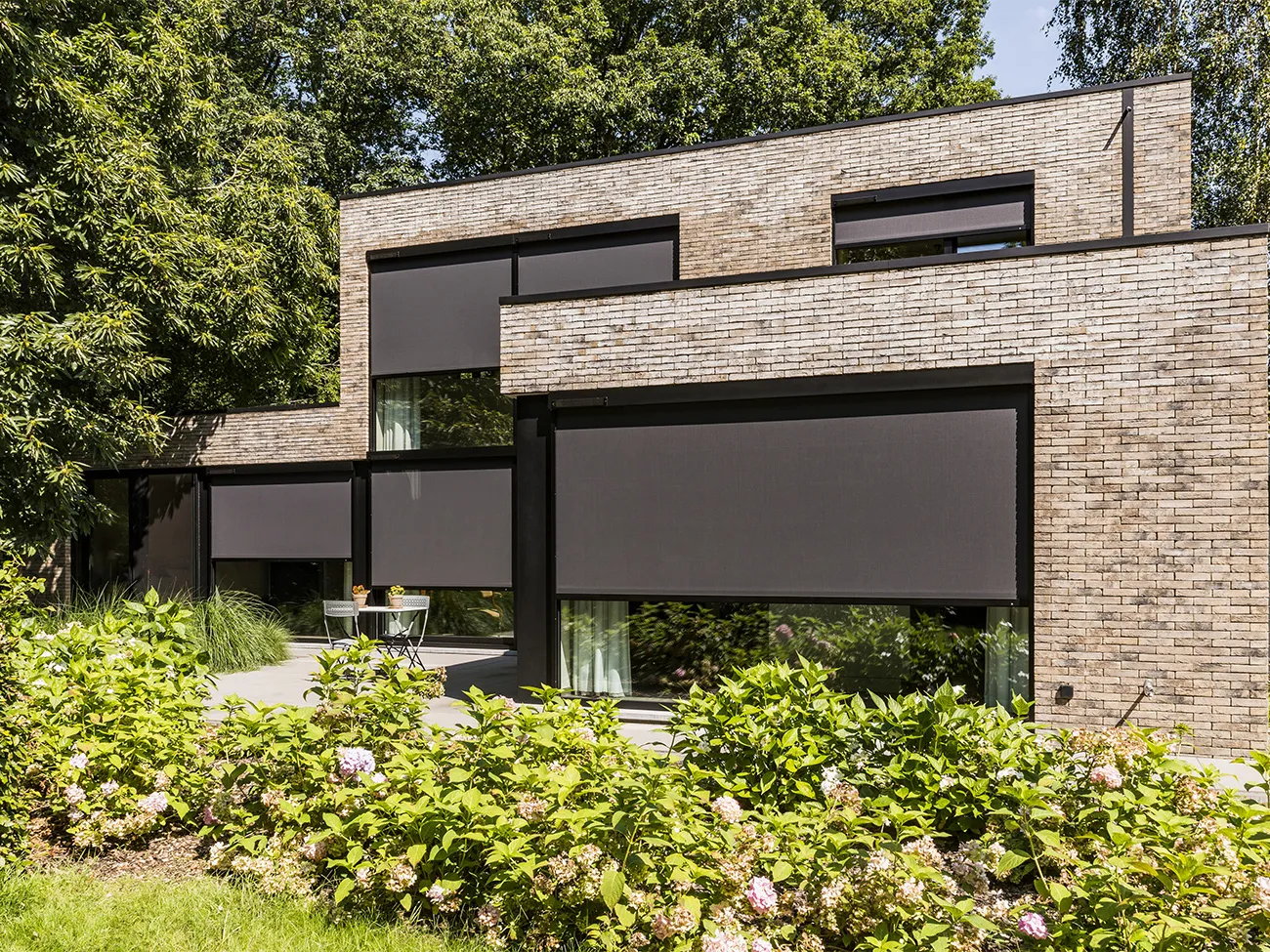
That is the view of ES-SO, the organisation representing the European solar shading industry. It bases its position on the findings of a scientific study by Guidehouse, the first to compare the impact of solar shading with the use of air conditioning in buildings.
Using solar shading could cut energy consumption for cooling buildings in Europe by up to 60% by 2050. It could prevent 100 million tonnes of CO2 emissions and save €285 billion.
In 2018, a report by the International Energy Agency (IEA), entitled “The Future of Cooling”, warned policymakers that air-conditioning systems were the fastest-growing energy-consuming equipment in buildings in Europe and around the world. According to the IEA, air conditioning is becoming one of the main drivers of global electricity demand.
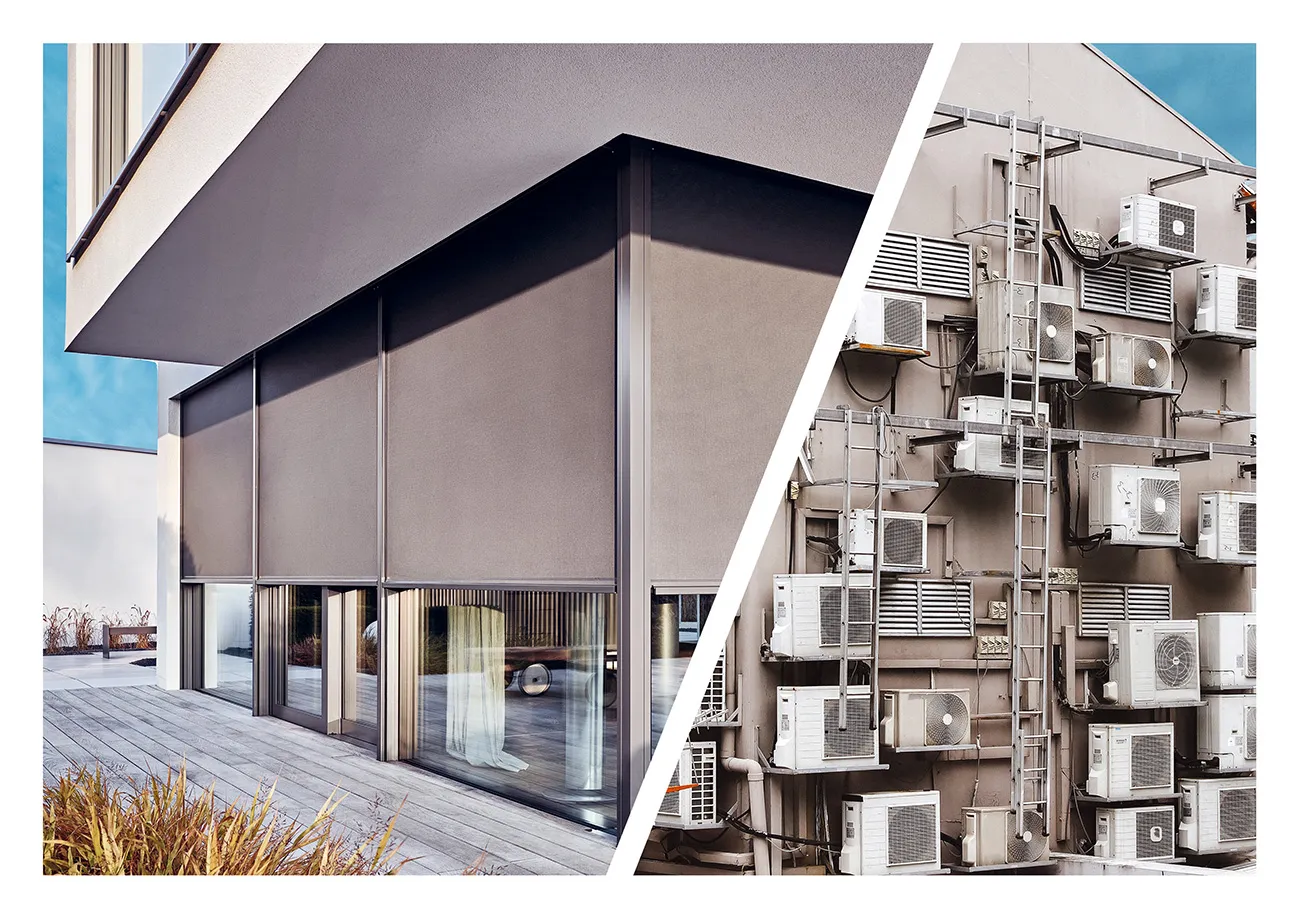
Solar shading vs air conditioning
Climate change brings higher temperatures and longer, more intense heatwaves. The number of buildings requiring air conditioning is expected to rise by 60%. In its study, Guidehouse, which advises public- and private-sector clients worldwide, analysed the impact of solar shading compared with the use of air conditioning in buildings.
The simulations and various scenarios are fairly clear: if solar shading is used as the first measure before active cooling (the preferred scenario), we should be able to halt the growth in the number of buildings requiring air conditioning by 2050.
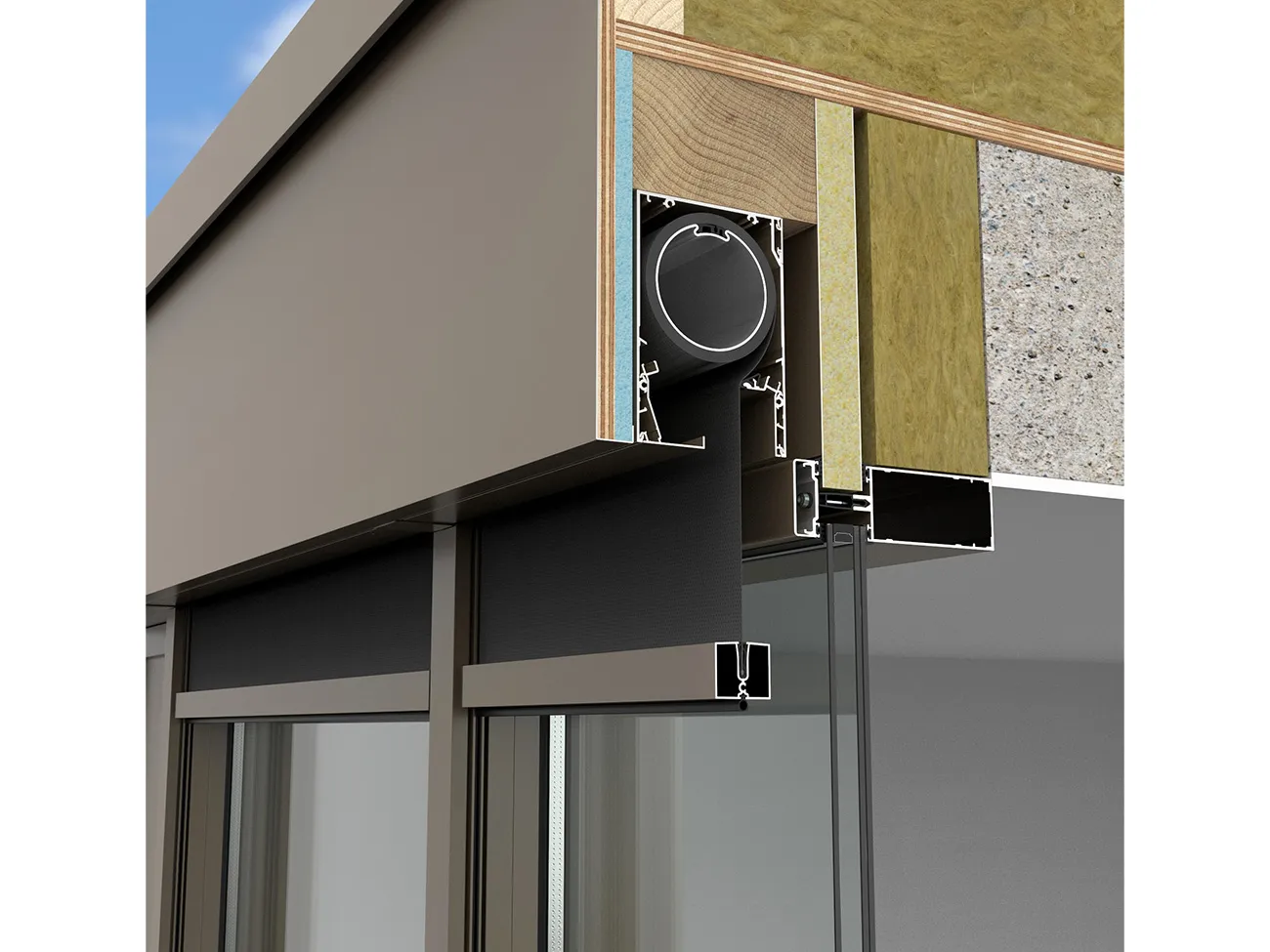
Tackling overheating in buildings
ES-SO is convinced that automated solar shading is the best defence against climate change and could form part of a structural solution. Based on the findings of the Guidehouse study, ES-SO is urging EU policymakers to make solar shading mandatory under the EPBD as the first solution in the fight against overheating, before active cooling such as air conditioning is used.
ES-SO is also calling for solar shading to be included in Article 2, point 3 of the EPBD as a technical building system, alongside cooling and heating systems. It is also calling for automated solar shading to be fully recognised as a mandatory building automation and control system under Article 8 of the EPBD. The control system enables automated solar shading devices to operate optimally and ensures that demand for space cooling and heating is reduced.
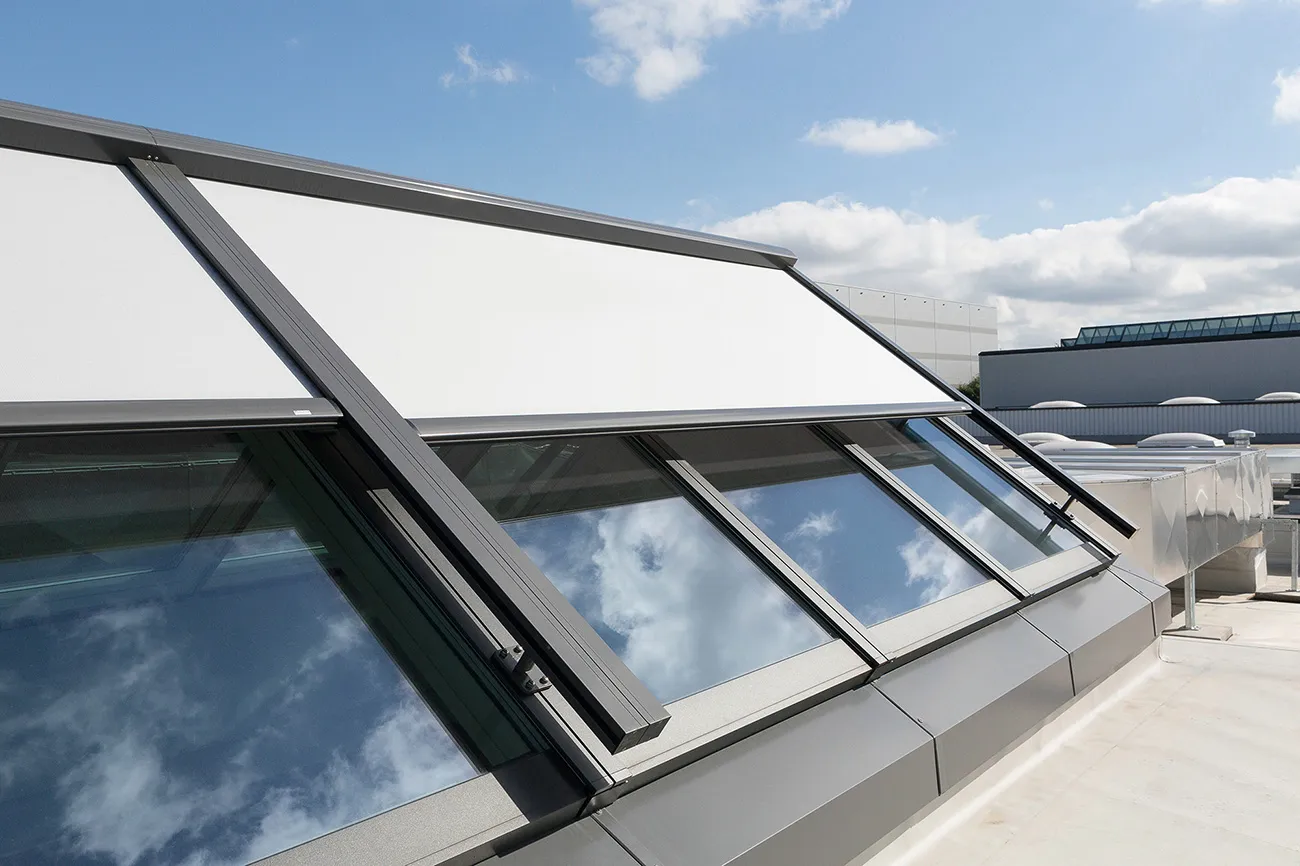
The positive impact of solar shading
The Guidehouse study shows that automated solar shading has a clear positive impact, not only on the planet but also on society and people.
Shady Attia, Professor of Sustainable Architecture and Building Technology at the University of Liège, says solar shading could make a significant contribution to the European Green Deal. “Today, fewer than 50% of buildings are fitted with solar shading, and much of it is not automated. The findings of the Guidehouse study confirm my belief that solar shading is a far better solution than air conditioning for our planet, and that we urgently need to consider using automated solar shading to make buildings more climate-resilient and energy-efficient.”
Question about this story? Ask your question
Keep following this
Get an email when a new story is published. No account needed.
- ThemeFaçades and building comfort
- SubjectNews







