











Simple, effective and maintenance-free
Texte Luc Ophals | Photos O2D Environnement
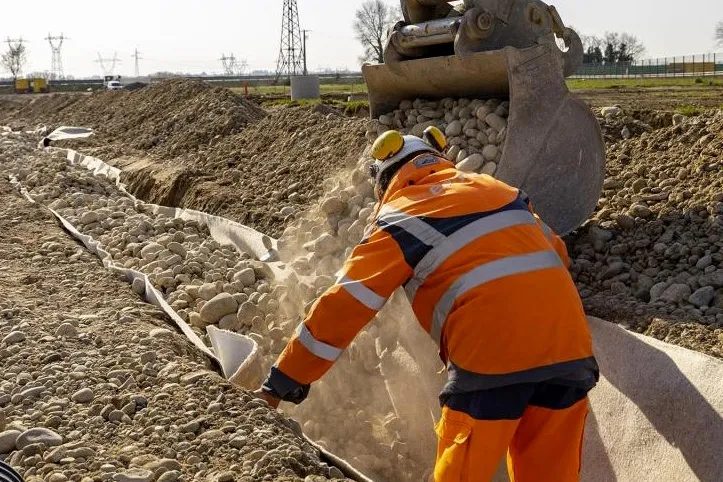
Sustainably treating polluted stormwater runoff
For more than fifteen years, O2D Environnement has been developing permeable ground systems for sustainable car parks, access roads and outdoor living areas, in response to the challenges of eco-construction and stormwater management. But beyond managing stormwater, which is intrinsically clean, the specialist asked what happens to the quality of infiltrated runoff, given the potential risk of hydrocarbon contamination. Its answer? The AMTER technical geotextile.
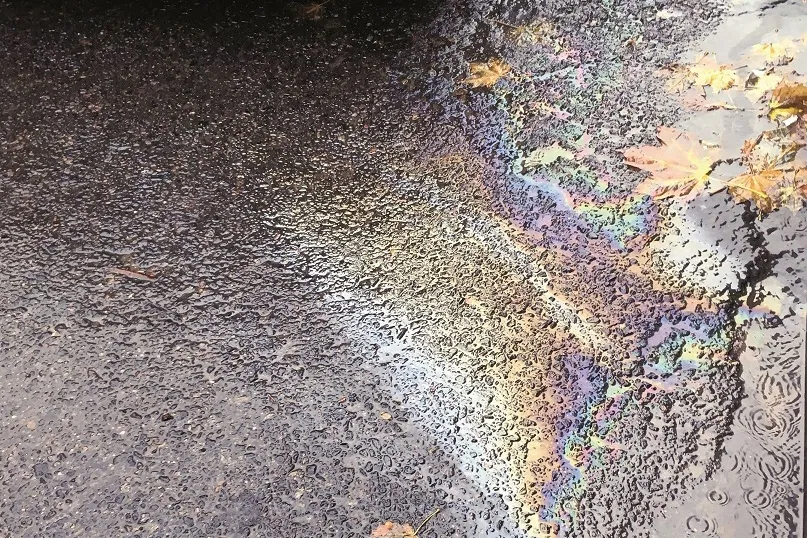
To understand the thinking behind the development of the AMTER pollutant-removing geotextile, it is worth briefly outlining the context on site. Road traffic, transport infrastructure and industrial activities can lead to oil leaks and hydrocarbon deposits on impermeable surfaces. When rain falls on polluted surfaces, runoff washes these harmful substances away with it. The greater the distance travelled, the greater the pollution risk posed by this runoff.
What is at stake?
The main challenge stems from the continuing prevalence of impermeable surfaces in our cities. Infiltration of rainwater where it falls, without runoff, through permeable surfaces is considered “clean” infiltration of water with low levels of contamination. The same cannot be said of runoff from impermeable surfaces. Hydrocarbon deposits from vehicle traffic in car parks are estimated at around 10 g/m2/year. Runoff therefore carries a potentially greater hydrocarbon load. The quality of infiltrated water is, of course, vital to protecting the environment, soils and groundwater.
To treat and decontaminate this runoff before it returns to the natural environment, in other words to groundwater, hydrocarbons must be captured and broken down. “That is the purpose of the AMTER pollutant-removing geotextile: it captures and traps hydrocarbons during infiltration, and ensures their long-term biodegradation without any need for maintenance,” explains Jessica Lépinasse, Marketing and Communications Manager at O2D Environnement.
How the pollutant-removing geotextile works
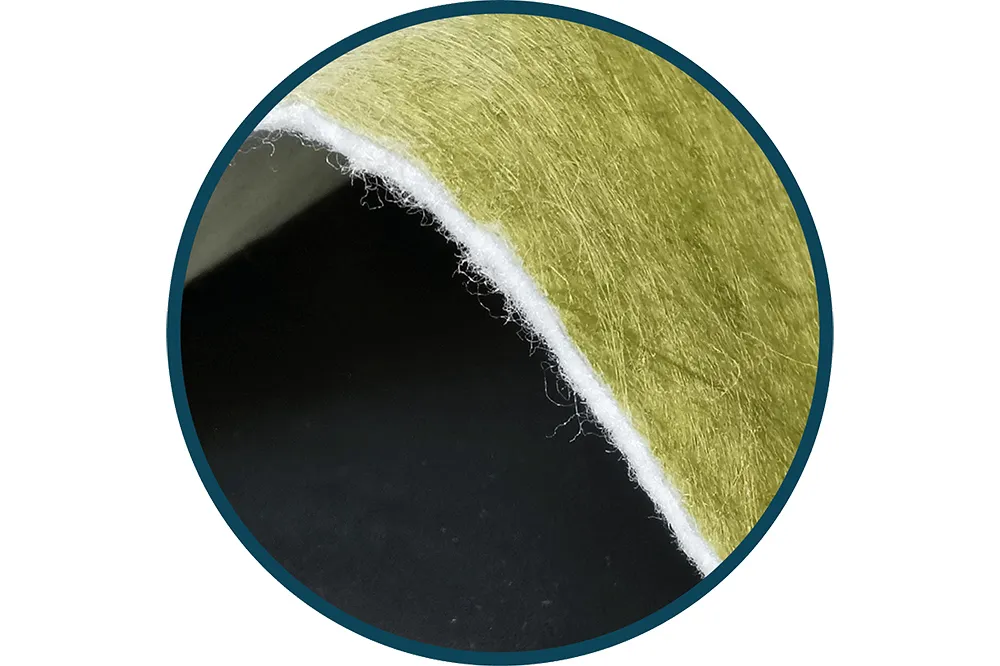
AMTER geotextile consists of two layers that naturally retain and biodegrade hydrocarbons. The green layer captures and traps hydrocarbons within its fibrous structure. It provides a substrate for the activation and natural development of a microbial biofilm that biodegrades pollutants over time. The lower white layer provides added protection in the event of accidental pollution, offering an additional capture surface followed by gradual biodegradation. The AMTER+ variant also has a third, beige layer, which enhances overall performance by supplying natural elements that promote the development of the microbial biofilm. “This variant is recommended for sites at greater risk of pollution, such as busy roads, industrial sites and logistics platforms, or sites near sensitive receiving environments,” says Jessica Lépinasse.
Key product data: Water permeability: more than 10 mm/s; hydrocarbon retention rate: 99.3% to 99.5%; biodegradation: >100 g/m2/year; durability: around 100 years.
Practical applications
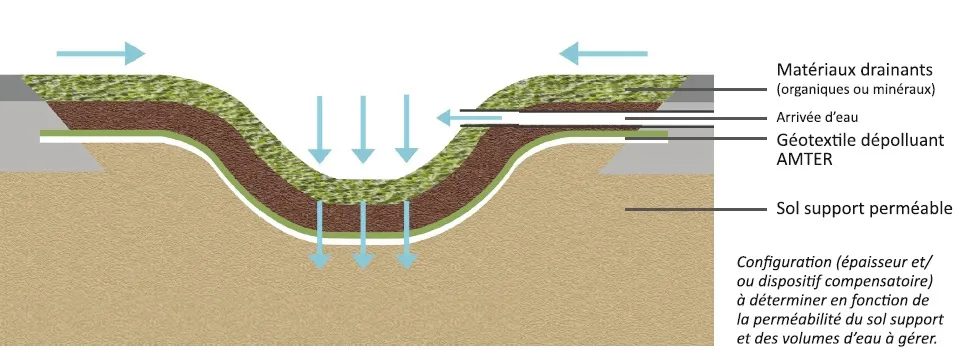
AMTER pollutant-removing geotextile captures and biodegrades hydrocarbons generated by vehicle traffic on diffuse infiltration systems. It is particularly recommended for use in mineral permeable surfacing and ground systems installed in permeable car parks and roads. These are diffuse infiltration solutions. Its pollutant-removal performance also enables runoff from impermeable roads to be treated within the infiltration structure of permeable car parks, without the need for additional pipework. This treatment solution can also be used in retention and concentrated infiltration systems, including swales, infiltration trenches, infiltration wells and infiltration basins, whether above or below ground. These systems receive potentially polluted runoff and slow it down before infiltration.
Unlike other established pollutant-removal systems, such as oil separators, AMTER geotextile requires no regular maintenance, which is normally essential to prevent saturation caused by a lack of servicing. It is also easy to install, as it is laid during construction of the infiltration systems.
Question about this story? Ask your question
Keep following this
Get an email when a new story is published. No account needed.
- SubjectNews







