











Renovation work or building a house? 6 tips for choosing the right tradespeople
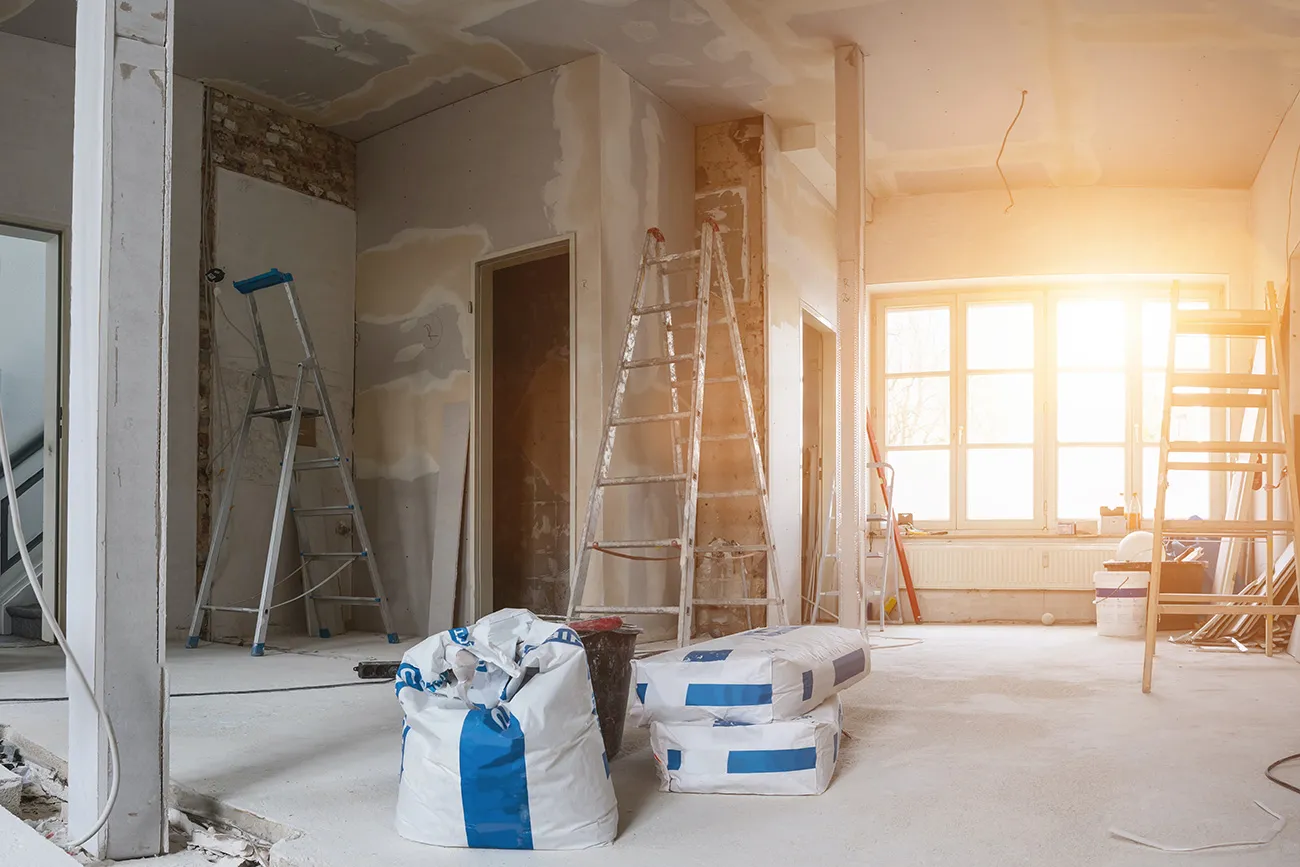
The rise in the number of renovation projects, the growing range of contractors and technologies, rising prices and increasingly frequent shortages can make coordinating the work more difficult. This can also lead to lengthy waiting times for the various trades, delays on site and, unfortunately, sometimes an inability to honour commitments.
It is not unusual to hear stories in the media about bankruptcies, halted construction projects and homeowners left out of pocket.
Gauthier Courtin, sales director at Abihome and a window and door specialist who supports numerous renovation projects in the Brussels region, deplores the situation: “We often deal with homeowners who put their complete trust in general contractors, follow the progress of the work only superficially, or at least through the eyes of laypeople, and are then surprised by the scale of the problems if something goes wrong, often left at a loss as to what to do.”
To avoid this kind of situation, Gauthier Courtin recommends adopting 6 good practices from the very start of the renovation process, to choose the right tradespeople and minimise the risk of unpleasant surprises.
1. Choose specialised, independent tradespeople and make sure they work well together
Although it may be tempting to reduce the mental load of a building project by hiring a general contractor and their subcontractors to coordinate everything, this is a bad idea. Courtin explains: “It is simply a case of not putting all your eggs in one basket. Homeowners who entrust every aspect of a project to one person put themselves in a difficult position: if that person is unreliable, the whole project can fall apart. Using several carefully selected, independent tradespeople, even if it takes a little more time and effort, helps limit losses if problems arise, makes it easier to replace a company that lets you down and avoids the entire project grinding to a halt.” Of course, it is essential to ensure that the various professionals you hire work well together and coordinate the different phases of the work.
2. Test the customer service
The way a company deals with its customers can say a great deal about its values and professionalism. This is reflected, of course, in the representatives’ attitude at the initial meeting to prepare a quote and in the rapport you establish, but there is more to it than that. Courtin recommends: “Don’t hesitate to put the customer service and the company’s availability to the test, and see how attentive they are to your requests before signing a contract. For example, ask additional questions by phone and email, and judge whether it is easy to get hold of them, whether they respond quickly, whether they have a dedicated office team and whether they provide information accurately and efficiently. The more available and attentive they are, the less likely you are to have to chase them if a problem arises.” Along the same lines, the more relevant advice a company gives you, the more likely it is to be genuinely committed to carrying out the work.
3. Check the accounts at the Crossroads Bank for Enterprises
“To avoid bankruptcy or insolvency, it is important to check that the companies you are considering are financially sound and on a path of sustainable economic growth. To do this, simply consult the CBE website, which publishes the annual accounts of all Belgian companies. You should favour companies that have been in business for a long time, rather than checking only the previous year’s accounts. I recommend looking back at least 5 years and choosing only companies that show consistent financial strength,” explains Courtin.
4. Ask for references from previous projects
It is important to see the work of the company you are considering as concretely as possible. “Before accepting a quote, ask to see several projects similar to the one you have in mind. If possible, don’t hesitate to visit the site or call the company’s former clients and ask them directly what they thought of the service provided. At Abihome, we publish details every week of the projects due to be installed, so prospective clients can visit discreetly
5. Work with manufacturers wherever possible
Wherever possible, working directly with a company that installs products and materials it manufactures itself has many advantages. “Tradespeople involved in manufacturing the products they install have broader knowledge and expertise, and greater control over both quality and traceability. Window and door frames, doors and windows, floor coverings, furniture and many other products are sometimes manufactured, installed and guaranteed by the same company. There are fewer contacts, and fewer risks too.”
6. Give preference to local businesses
“Along the same lines, choosing Belgian businesses makes traceability processes and due diligence checks easier, ensures simpler and more effective legal recourse if problems arise, and improves communication between clients and the company. It also helps reduce the carbon footprint of your building projects if the materials are manufactured in Belgium, as long-distance transport is avoided.”
Vigilance and rigour are therefore essential when choosing the tradespeople who will work on a renovation project. Of course, this requires a little more effort, but it is certainly worthwhile, as it helps avoid situations that can sometimes have serious consequences.
For more information about window and door renovation projects, visit www.abihome.be
Question about this story? Ask your question
Keep following this
Get an email when a new story is published. No account needed.
- ThemeRenovating existing buildings
- SubjectNews







