











Pure: the hand-moulded variant for the circular ClickBrick dry-stacking system
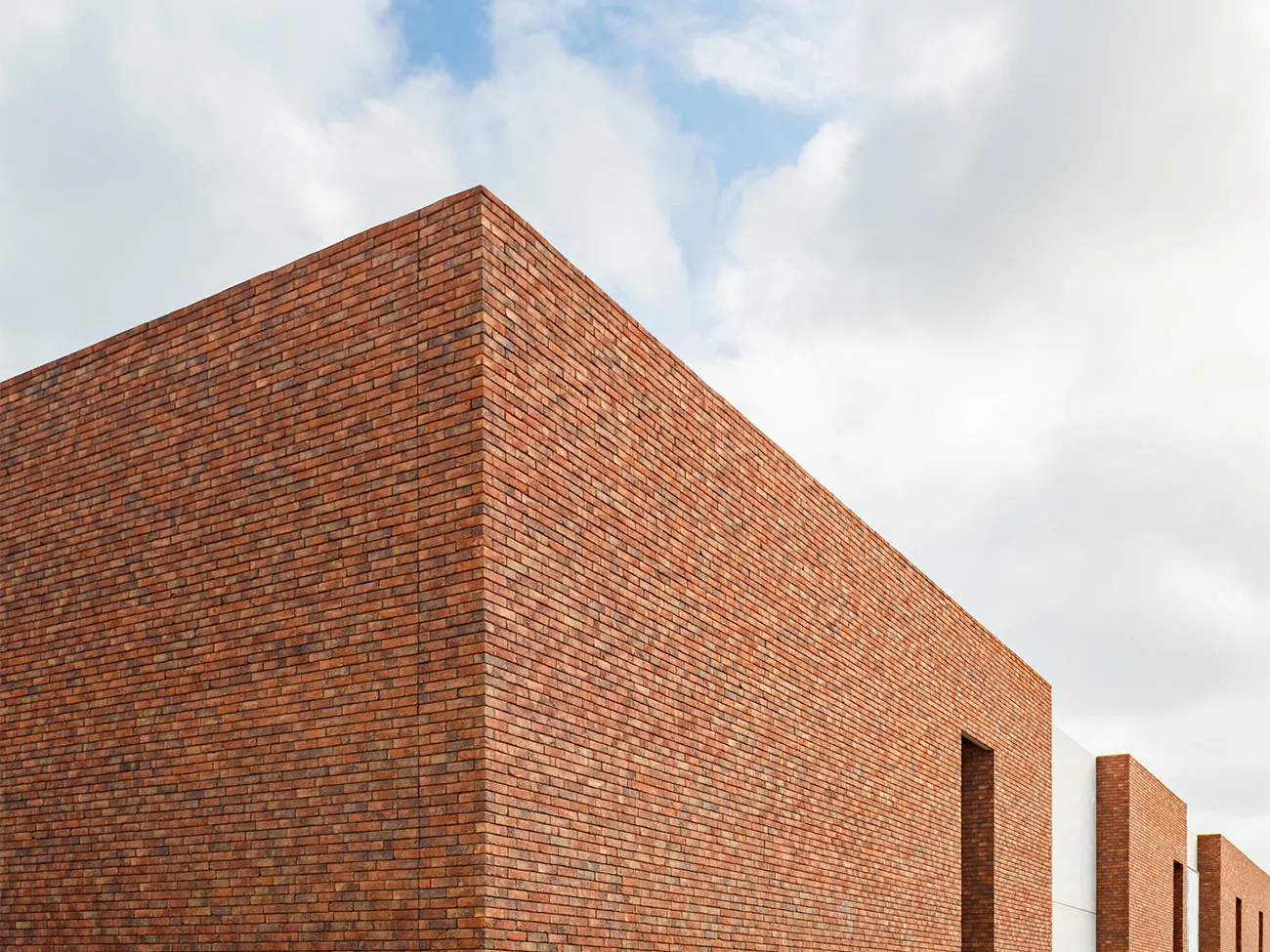
With the launch of ClickBrick, Wienerberger has taken the circularity of its clay facing bricks to a new level. The manufacturer of building materials and solutions is now adding an aesthetic dimension: with ClickBrick Pure, it is introducing a hand-moulded variant of the existing extruded ClickBrick Cube brick. This new variant features the distinctive texture and character typical of hand-moulded facing bricks.
The launch of ClickBrick Pure is a logical step in the development of the ClickBrick dry-stacking system. The market itself was calling for a hand-moulded variant that would come closer to the more traditional look of conventional masonry. This will make the system accessible to a wider range of applications.
Apart from its appearance, the new hand-moulded variant is no different from ClickBrick Cube. “The hand-moulded facing bricks for the dry-stacking system are also ground and feature grooves. The facing bricks are joined together via these grooves using stainless steel clips.”
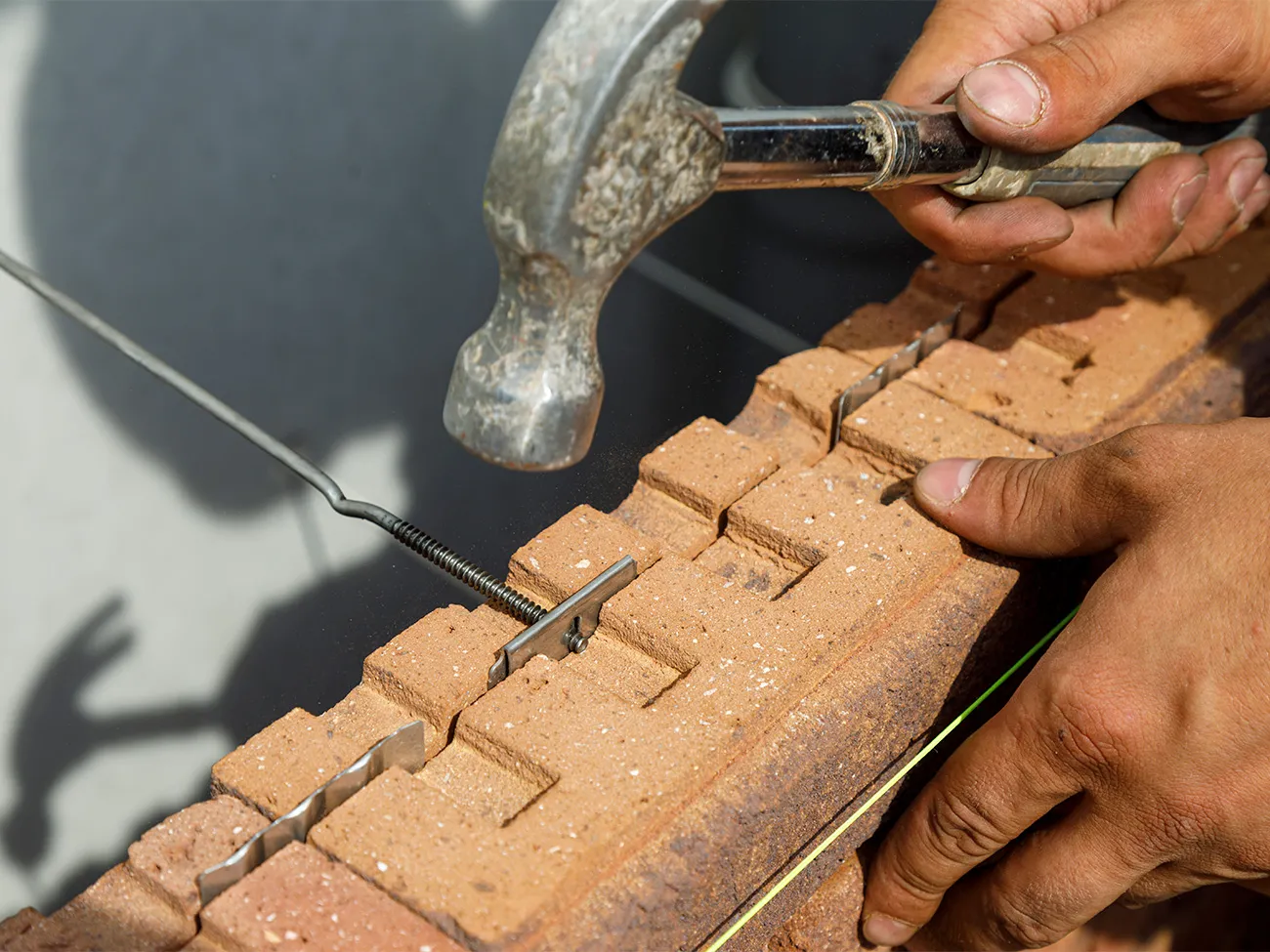
Support from preparation through to the building site
Designing with ClickBrick Pure is very similar to the traditional design process. The hand-moulded variant of the ClickBrick dry-stacking system measures 210 mm in length and 62.5 mm in height after calibration, is suitable for random bond and is available in seven colours. False joints make it possible to create façades with the familiar appearance of traditional brickwork.
For the contractor, ClickBrick makes a world of difference. While it may take some getting used to working without mortar or adhesive at first, the system offers higher productivity than traditional masonry. It also allows work to continue in cold or very hot weather, when working with adhesive or mortar would not be possible. In addition, it generates no waste on site and there is no need to clean equipment.
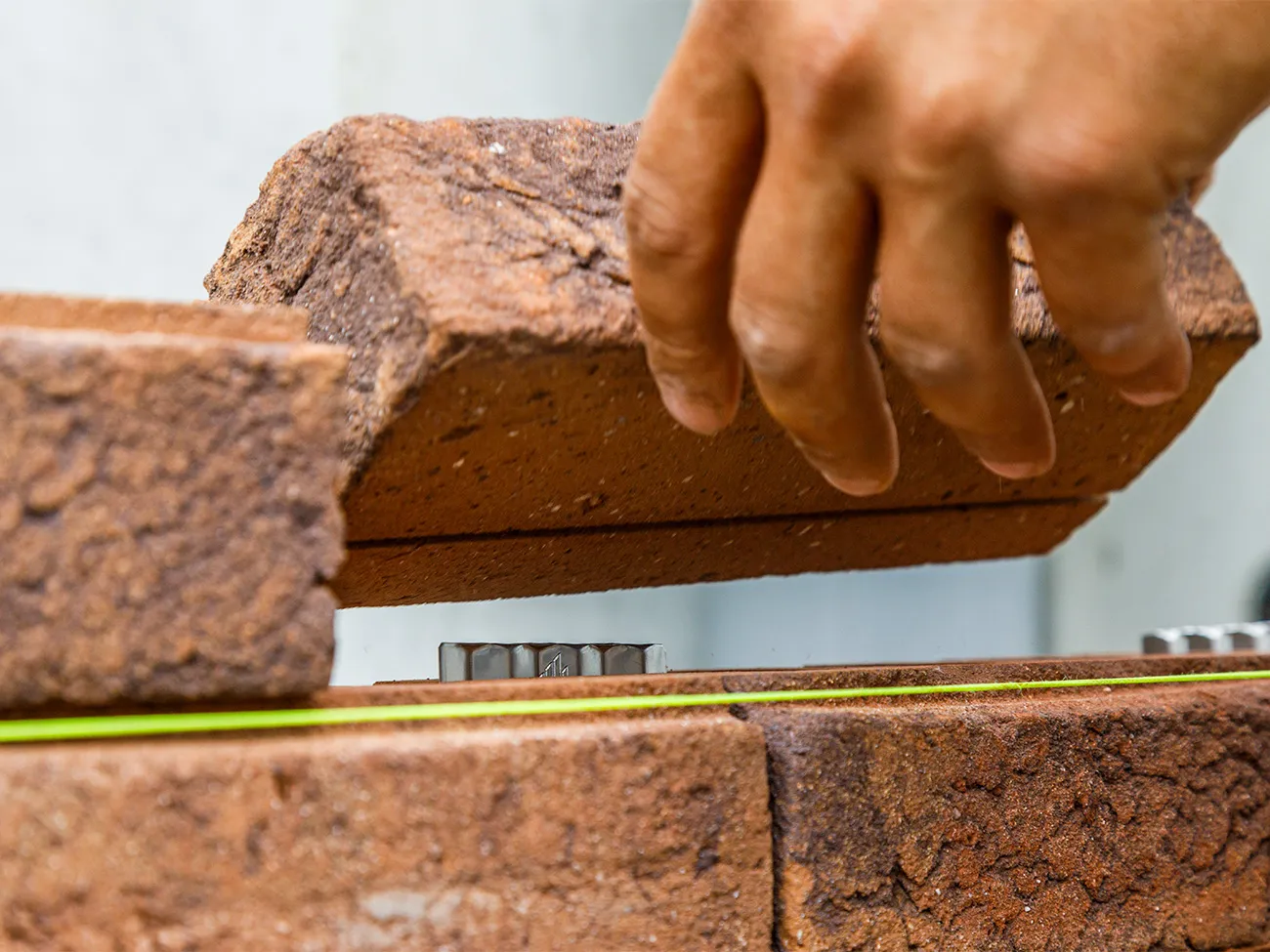
Wienerberger also supports the contractor from the project preparation stage. We calculate the type and number of bricks required to avoid significant surpluses. We also draw up laying plans and advise on expansion joints. The pallets are then prepared at our factories. On site, the contractor simply takes the bricks from the pallet and stacks them according to the plan. There is no need to mix them. If necessary, Wienerberger can also support the contractor when starting work on a new site.
A positive experience
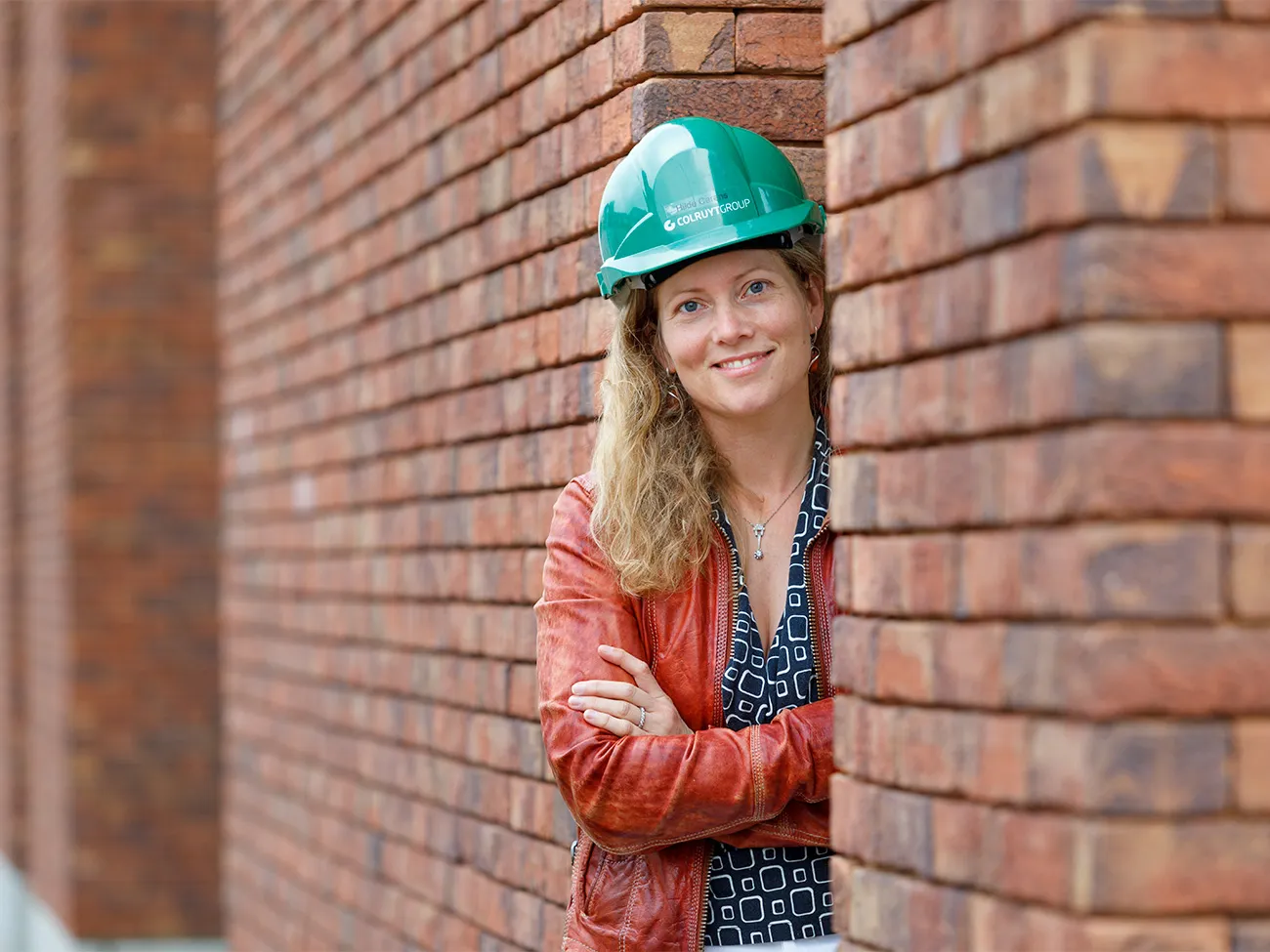
The first project completed in Belgium using ClickBrick Pure was for Colruyt Group. Architect Hilde Carens, who is responsible for the ‘Sustainable Building Materials’ project at Colruyt Group Technics, used the Menton variant for a new supermarket in Zoersel. “ClickBrick Pure blends beautifully with the traditional masonry of the urban landscape. What is more, this brick can be laid in random bond, making façade design easier.” The first reactions at Colruyt Group have been positive: “This dry-stacking system allows us to work regardless of the weather, without having to prepare mortar or wait for it to set sufficiently.”
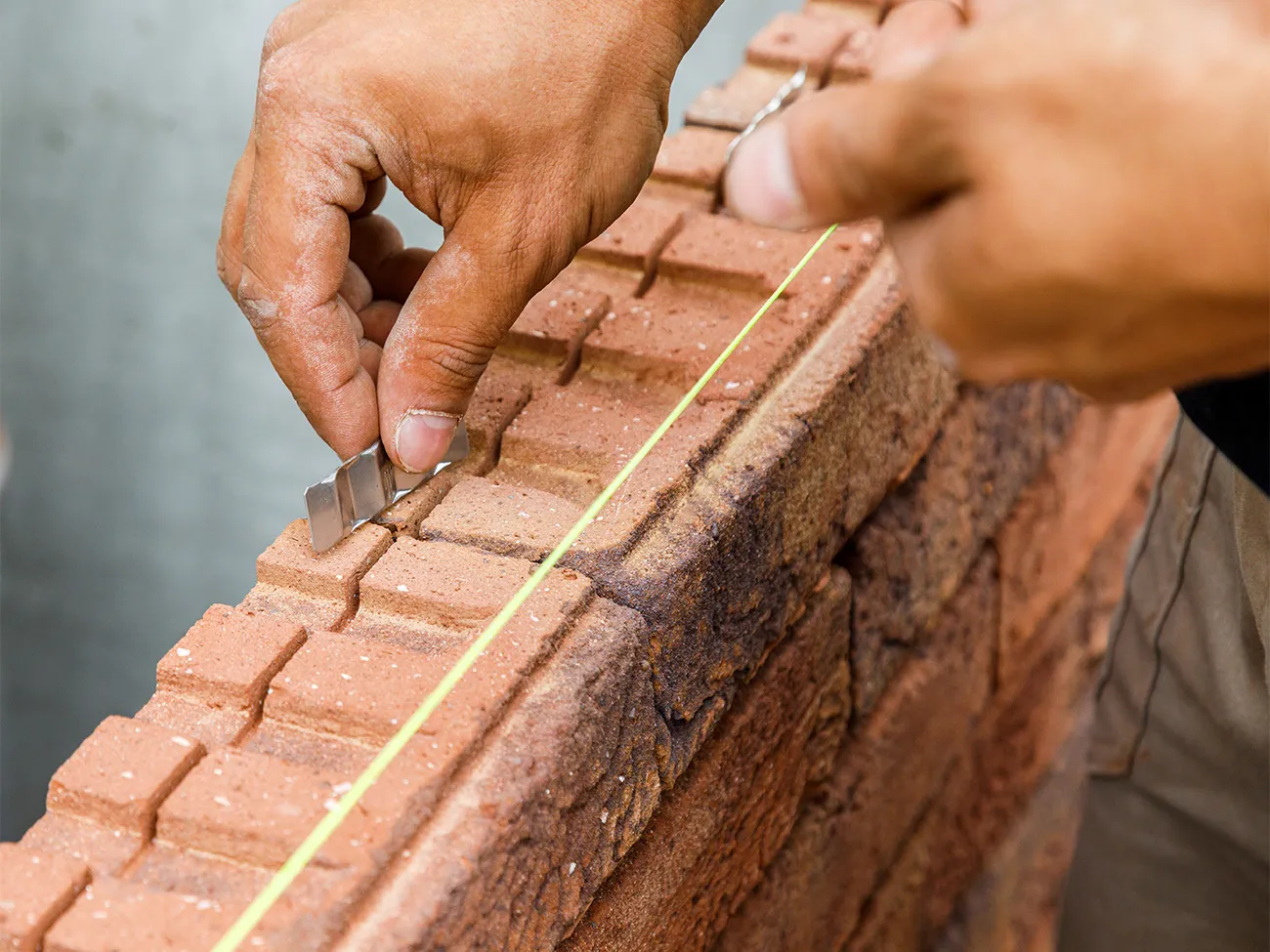
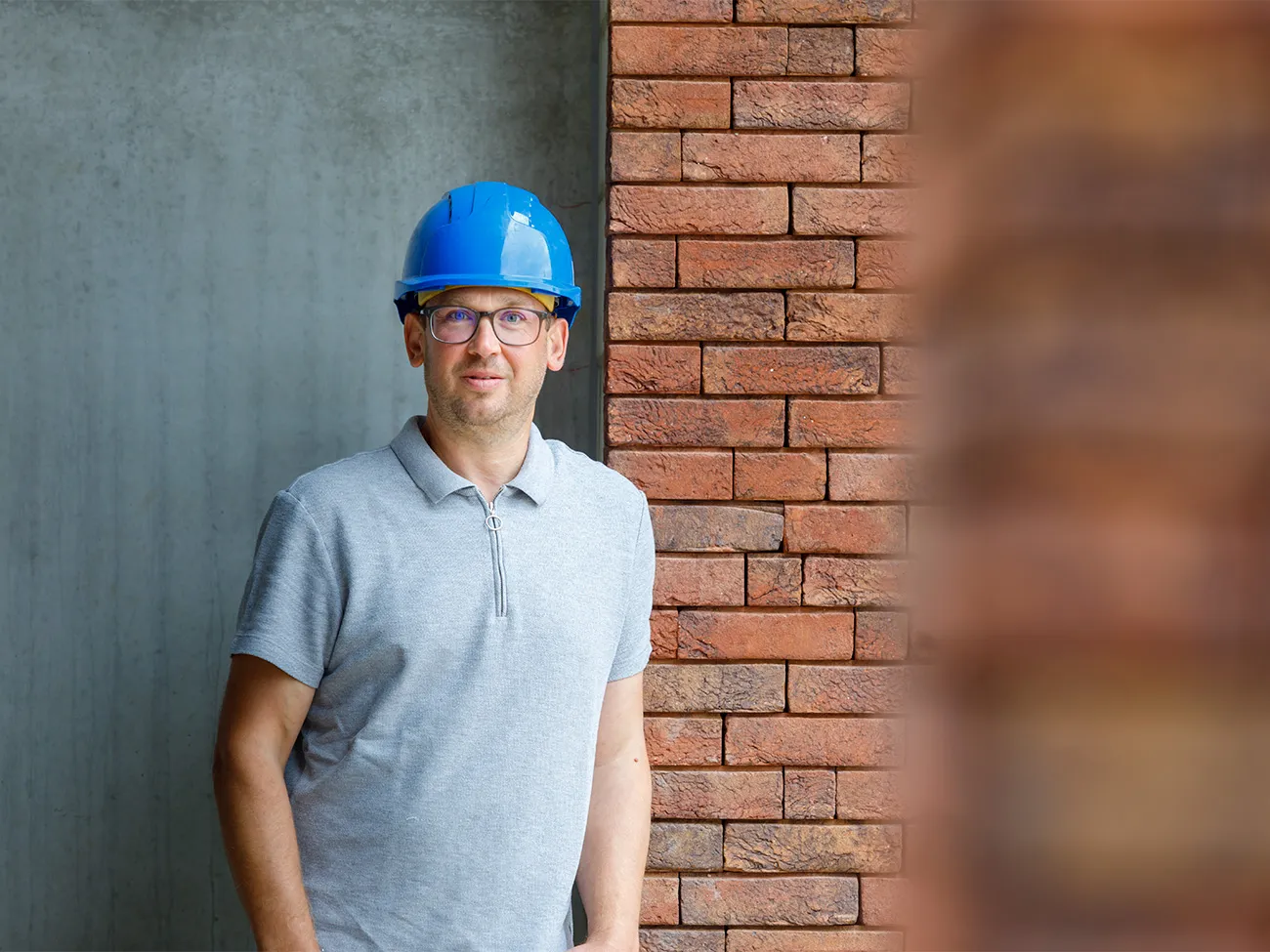
Construction company Jehoul was commissioned by Colruyt Group to build the new supermarket in Zoersel. This gave project manager Andy Deckers the opportunity to be the first in Belgium to use ClickBrick Pure. He deployed several teams to complete the work in three weeks, in August, during the hottest period of the year. “Wienerberger gave us good support, from preparation through to the start of work on site. We then took our time to apply the dry-stacking system carefully. We are very satisfied with the result and with the system. Its biggest advantage is that it allows us to work in the best possible conditions: regardless of the weather and without generating waste on site.”
Two more pilot projects using ClickBrick Pure are due to start this year: a single-family home with an integrated assisted-living unit in Ghent, and a new university building for KU Leuven.
Question about this story? Ask your question
Keep following this
Get an email when a new story is published. No account needed.
- ThemeBuilding with less carbon
- SubjectNews







