











Overcoming the challenges of vertical construction
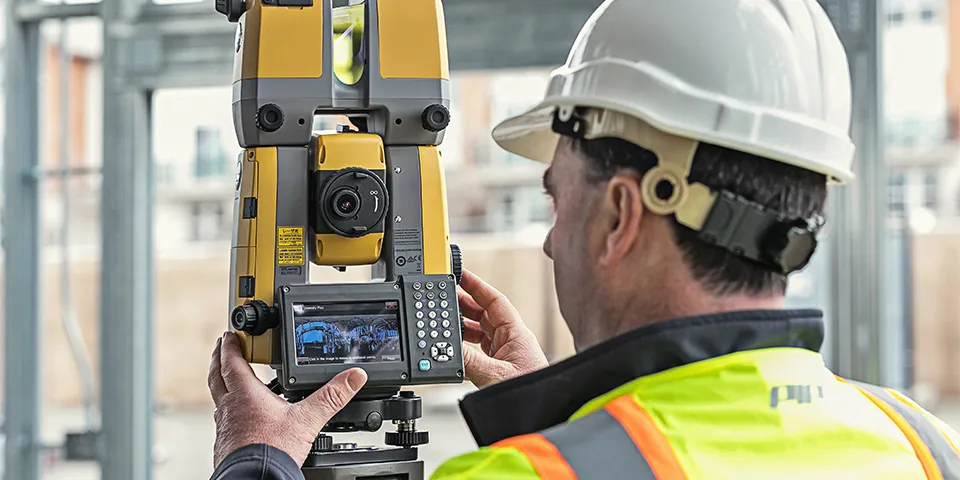
By 20501, 70% of the world’s population will live in urban areas. Pressure on buildings and infrastructure is mounting, and construction firms are looking for solutions. But the sector is slow to modernise, and vertical projects remain slow and difficult. New digital processes are essential to overcome their complexity. They already exist and are delivering benefits to forward-thinking contractors. Chris Emery, senior manager, vertical construction at Topcon Positioning, examines this technology, which reduces clashes and errors while improving productivity and outcomes.
Time is money
Vertical construction demands a considerable investment of time in design and planning to ensure the structure’s stability and safety. Technology for regular verification is essential to ensure the work is carried out as specified, take account of unforeseen circumstances and allow immediate adjustments.
This technology is available, but many companies have to outsource it, at a cost that prevents them from collecting data frequently. Without constant validation and verification of every element on site, any deviation that goes undetected and is not addressed will lead to waste, delays and additional costs.
With 5 to 12% of budgets spent on rework3, there is considerable scope for improvement. This is where a new solution for vertical projects comes in, combining a high-quality scanner with a complete robotic total station. This fast, easy-to-use system feeds data into powerful software that generates real-time reports on elements outside tolerance. Topcon’s GTL-1000, MAGNET and ClearEdge Verity software enable verification at every stage and compile a digital record of the completed building.
Responsible use of resources
Reducing rework through regular validation can immediately cut material waste and reduce the resources needed for remedial work, thereby conserving resources.
Given the significant impact of rework on budgets and schedules, reallocating the funds could improve the site and infrastructure, particularly the quality of materials, helping to reduce future maintenance costs.
By managing errors and allowing workers to focus on their core tasks, deadlines and working hours can be respected, site safety remains a priority, and the team is happier and more productive. The project also gains flexibility and room to accommodate late design changes.
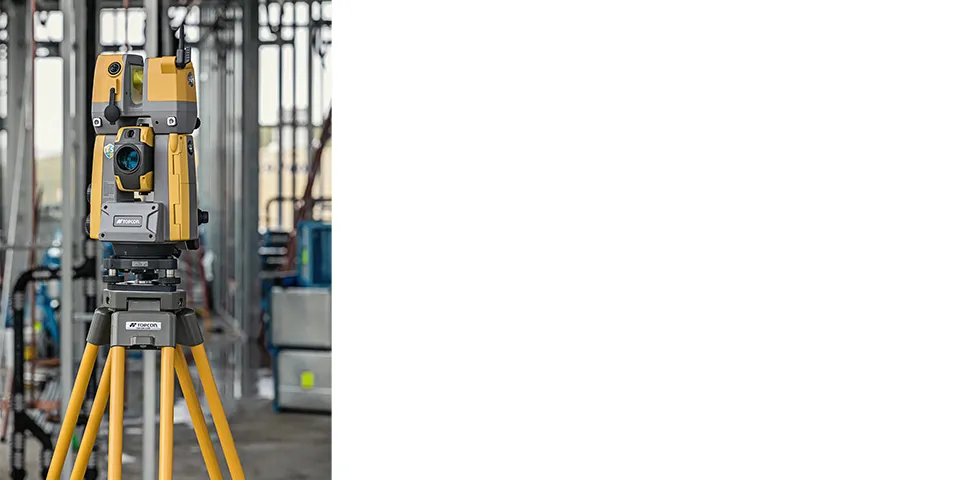
Technology for regular verification is essential to ensure the work is carried out as specified in terms of the structure’s stability and safety.
Multi-party collaboration
For some, sharing intellectual property is too risky, and disclosing proprietary data means financial losses. However, according to PlanGrid, “52% of rework worldwide is caused by poor data and communication”4. Reluctance to share data therefore leads to financial losses.
As for emissions associated with rework, imagine the impact better project management could have on global carbon targets. This is already possible with fully connected software: designs, updates and digital data can be shared in real time regardless of location, ensuring that machines and teams work from consistent data. Topcon’s MAGNET suite is one example.
After construction….
….maintenance! In densely populated areas, the proximity of other buildings would make any failure catastrophic. All the data collected is shared with the building’s managers, who oversee its maintenance throughout its life cycle, and provides a complete digital record for any future planning.
Technology that can improve vertical construction certainly exists, but its adoption is held back by resistance to risk and to change, which is seen as unnecessary in our sector. Company culture therefore remains a major obstacle, second only to financial considerations.
At the intersection of infrastructure and technology, Topcon works with the sector to deliver tangible results. As more companies lead the way by seizing the opportunities offered by technology, I hope to see greater support for it across the sector.
Sources:
1. Unicef
2. Tallest Buildings in Europe
3. A Rework Reduction Model for Construction by Peter E D Love, Zahir Irani and David Edwards
4. PlanGrid, Construction Disconnected
Question about this story? Ask your question
Companies in this story

Keep following this
Get an email when a new story is published. No account needed.
- SubjectNews
- CompanyTopcon







