











On the way to truly sustainable construction?
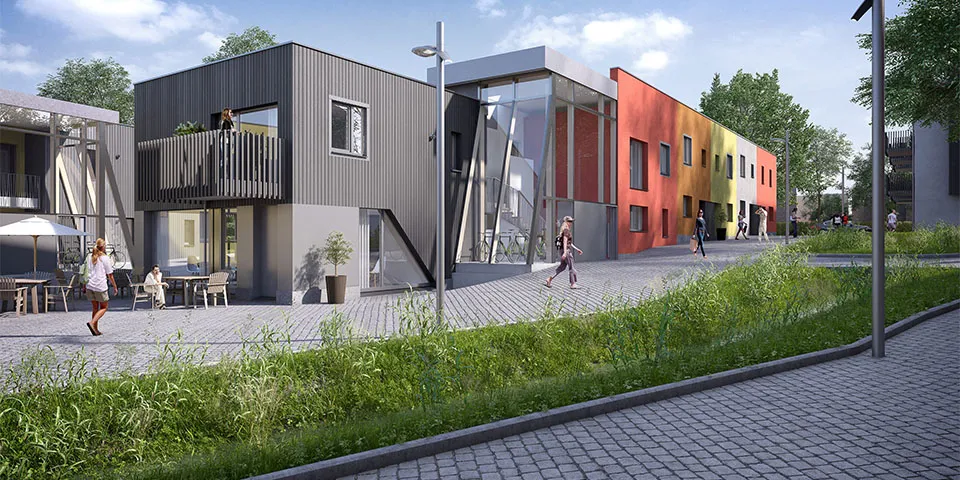
In 2007, the Belgian Building Research Institute (CSTC) published an article on sustainable construction and its ecological, economic and social dimensions. 13 years later, its vision remains relevant and is shared by many people in the construction industry.
Today, the sustainability of a product, a construction or renovation project, or a technique is one of the features, and sometimes the only one, highlighted by manufacturers, project leaders and developers. In many cases, this is simply greenwashing, as companies hope to give themselves a fashionable green makeover. For the CSTC, sustainable construction, the challenge of the future, means creating buildings that balance three dimensions: ecological, social and economic. To be considered sustainable, the CSTC says, “buildings must not only be energy-efficient or built using recycled materials, but must also have a healthy and comfortable indoor climate, and be safe and accessible.” Construction and maintenance costs, as well as the costs associated with the life cycle of building elements and the building itself, also play a significant role.
An example of a tool: TOTEM
Sustainable construction may seem straightforward to put into practice, but there are real barriers and obstacles, including fears that it will require additional investment and a lack of reliable benchmarks. However, one has been available since 2018. The country’s three Regions worked together to develop the TOTEM digital interface (Tool to Optimise the Total Environmental impact of Materials). Its aim is to help the Belgian construction industry assess and reduce the environmental impact of buildings, and to encourage architects, developers and clients to come up with projects that meet the necessary environmental requirements.
TOTEM can be used to calculate and communicate the environmental performance of building elements and buildings in a consistent, impartial way, tailored to the specific characteristics of the Belgian construction industry.
What about Wallonia?
Since 2011, two multi-year plans under the Alliance Emploi-Environnement have followed one another. The first aimed to guide the entire construction industry towards more sustainable construction and renovation. The second, covering 2016-2019, was part of the Plan Marshall 4.0, whose aim was to reduce energy bills and climate impact by supporting Walloon construction companies, creating jobs in the sector and improving residents’ comfort. What next? In the recent 2019-2024 Regional Policy Declaration, the term ‘sustainable construction’ appears only once, in the chapter on energy savings and building insulation, and it offers little that is new compared with the two previous plans. However, new requirements for sustainable materials have appeared in the Cahier des Charges Type-Bâtiments 2022.
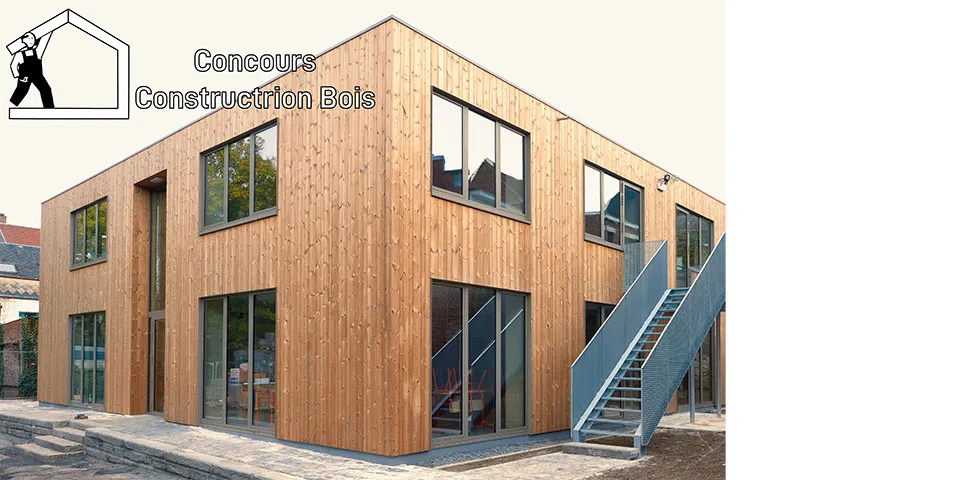
Collège Notre-Dame de Bon Secours (Binche) was a pioneer in school buildings, constructing 3 buildings with timber, straw and earth structures. An eco-citizen and sustainable approach
(photo Collège Notre-Dame de Bon Secours).
Circular construction, the next level of sustainability
Circular construction is, in a sense, the ‘next level of sustainability’ and continues to meet the three dimensions highlighted by the CSTC. Building circularly means using sustainable materials and techniques, while also planning for building flexibility and the disassembly of elements. These must also last a long time and withstand wear and damage caused by transport and reuse. Circular construction is beginning to attract interest in Brussels and Flanders, but is developing slowly in Wallonia. Progress is being made, and tools and training are becoming available. But sustainable and circular construction are still in their infancy.
Question about this story? Ask your question
Keep following this
Get an email when a new story is published. No account needed.
- SubjectNews







