











Nature-based solutions offer both opportunities and challenges
Texte & photos ORI
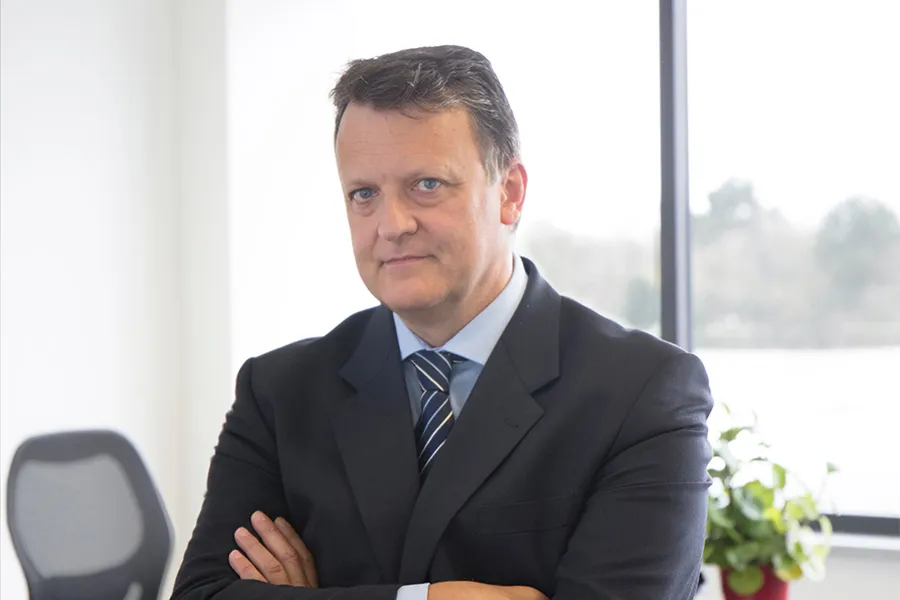
Jan Parys, President of ORI and CEO of Antea Group Belgium, recently took part in World Water Week to discuss nature-based solutions and how they can make cities more resilient. We took the opportunity to ask him a few questions about the subject.
Demand for nature-based solutions is growing. What is driving this increased interest?
“Cities and municipalities face a host of interconnected problems and growing pressure on the liveability of the environment. Nature-based solutions are characterised by their ability to help achieve several objectives at once. For example, they can improve water management, flood protection and groundwater recharge, while also improving air quality and providing recreational opportunities, as well as benefiting mental health.”
Despite growing interest, it seems to be difficult to get practical applications off the ground. Why is that?
“That is because these solutions generally involve several policy areas in their planning, design and implementation. As a result, they are usually more complex to implement than the conventional grey infrastructure that public authorities and project managers are used to. A new, systems-based approach is needed, one that links policy areas and cuts across them. In many cases, the right framework and incentives are lacking. Policymakers and citizens are also still too unfamiliar with the available solutions, and often continue to think only in terms of grey infrastructure. Nature is more dynamic than grey infrastructure. A project can be built quickly, but a tree simply needs time to grow. To measure the effects, we need to think long term. That also requires a long-term policy vision.”
How can the transition to nature-based solutions be accelerated?
“Good examples and smart combinations of green and grey infrastructure are the best publicity. The projects where we have started working with green infrastructure in collaboration with local authorities and residents have been well received, partly thanks to a thorough participation process. This, in turn, generates fresh enthusiasm for continuing along this path. Enabling policies are also an important factor. In Flanders, for example, the ‘Blue Deal’ has driven the large-scale restoration and creation of wetlands, and therefore the uptake of nature-based solutions, to tackle drought and flooding.”
Question about this story? Ask your question
Keep following this
Get an email when a new story is published. No account needed.
- SubjectNews







