











Natural, local and healthy materials, from structural work to finishing
Texte Philippe Selke Photos Bâtir l’avenir
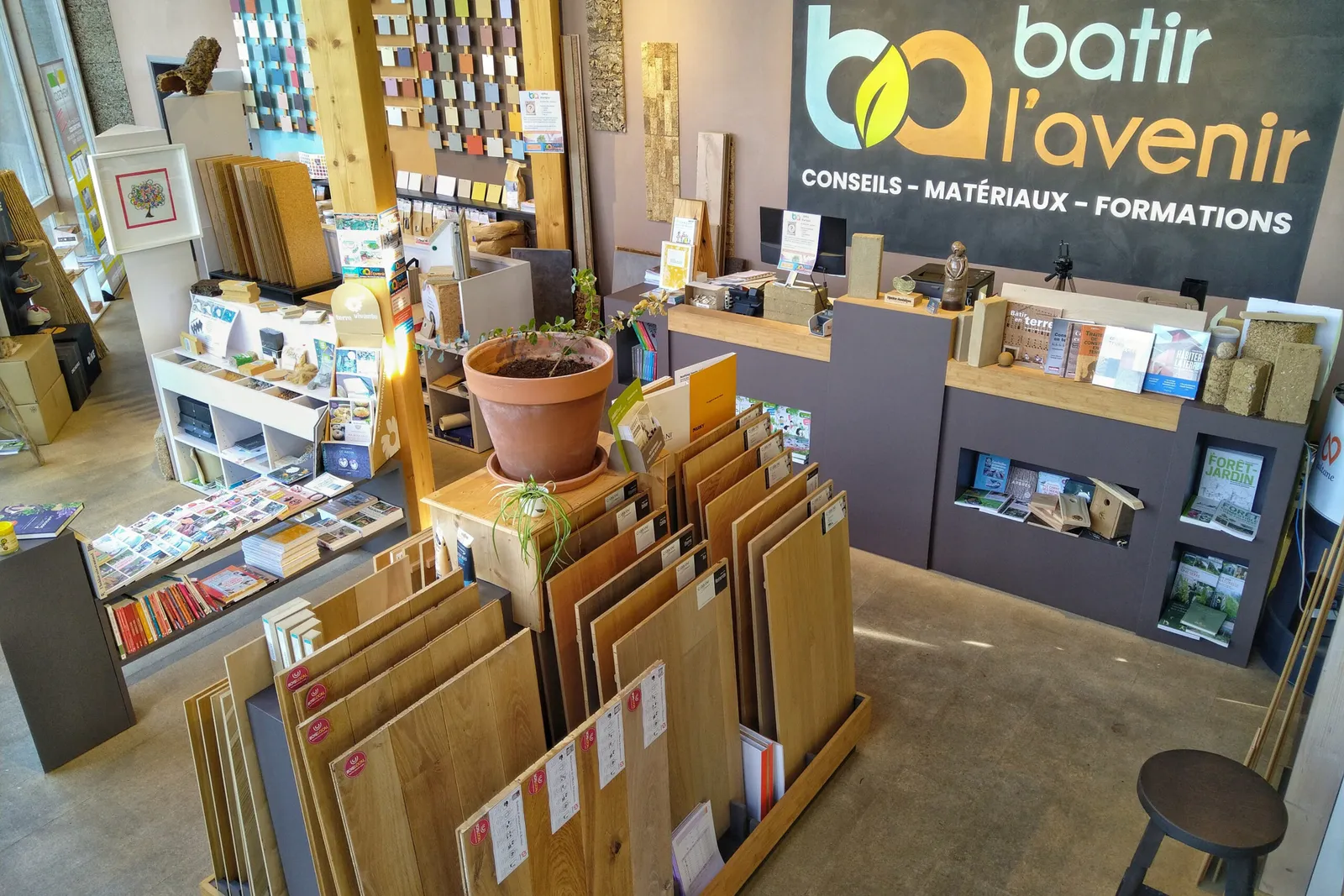
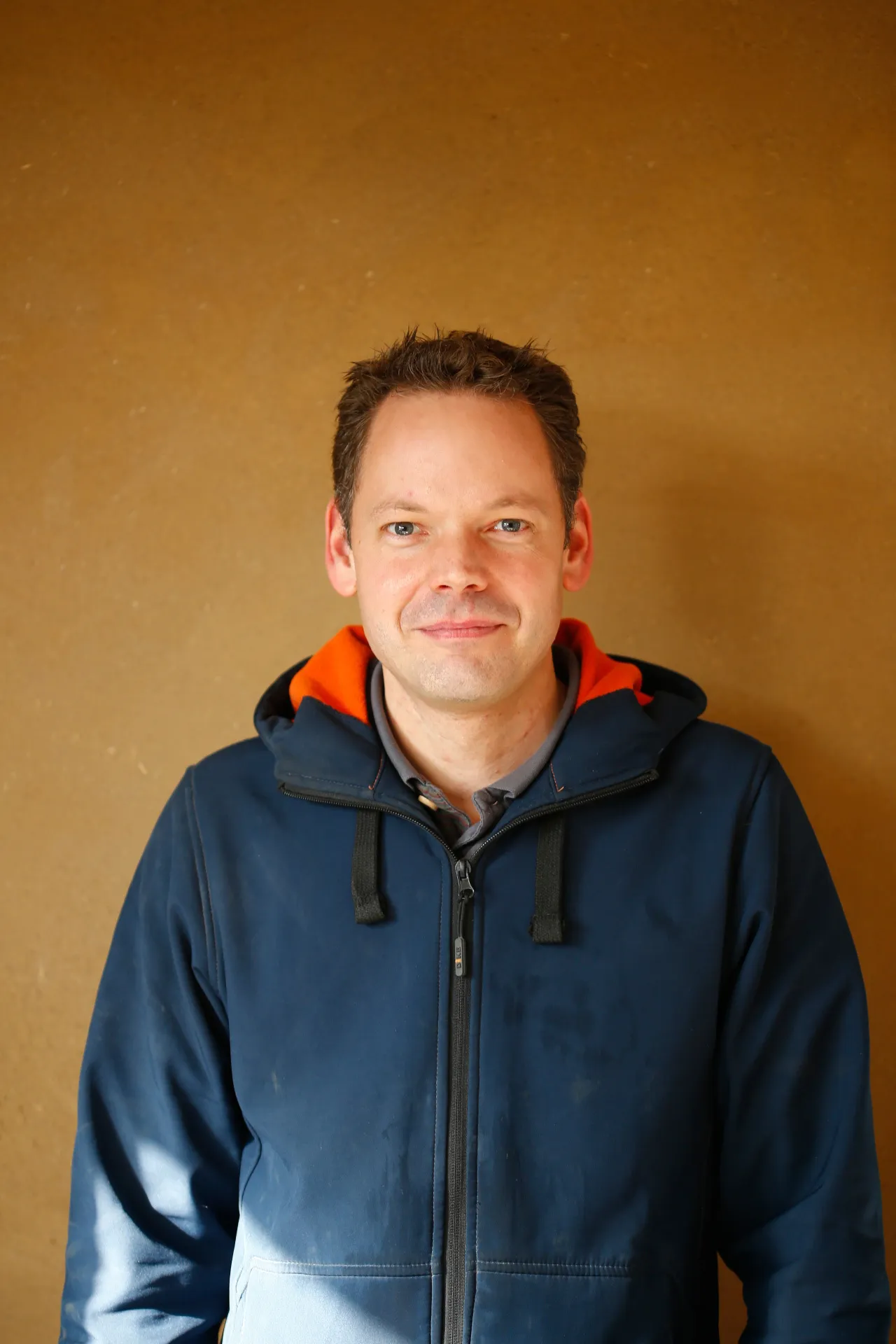
By championing the use of bio-based and geo-based materials in both new construction and renovation, Jean-François Pirotte aims to show professionals that natural solutions can meet the needs of a wide range of building projects. Through Bâtir l’Avenir (Waimes), he works with architects, design offices and contractors alike, supporting them from material selection through to on-site project supervision.
Trained as a plasterer, dryliner, façade installer and screed layer, Jean-François Pirotte has worked in the construction sector for more than 27 years. His career has taken him from the family business to building materials distribution, including a role as a product demonstrator for a manufacturer. This hands-on experience now underpins his approach.
Prioritising locally available resources
“There are plenty of local raw materials that can be processed. There’s no longer any need to import them from far away,” he says. This approach is reflected in the production of Douglas fir cladding (Bardages d’ici) and clay plasters (Enduits d’ici), as well as in the selection of materials sourced from nearby areas.
The company supplies wood fibre produced in the Vosges, cellulose, expanded or recycled cork, and lime-based products sourced notably from Germany. It also offers a few more conventional materials needed to provide solutions ranging from structural work to finishing.
From insulation to moisture management
For designers, however, choosing a material cannot be reduced to its origin. Its physical properties must suit its intended use. Jean-François Pirotte points in particular to the thermal lag provided by wood fibre, which can help limit the risk of summer overheating when the building envelope is correctly designed.
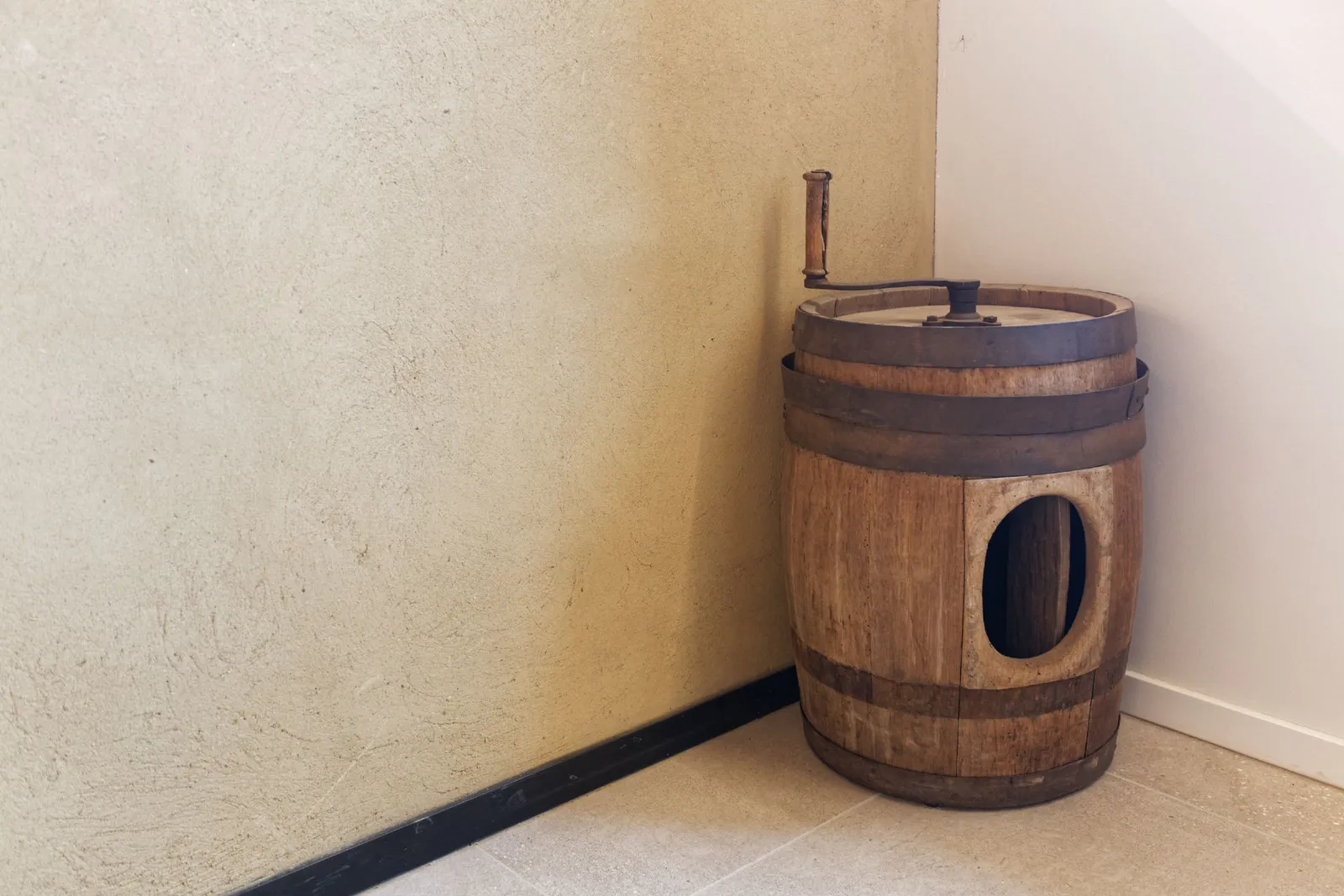
This focus on building physics is particularly important in renovation. “If we want a building to keep going for hundreds of years, as it already has, we need to preserve its ability to breathe,” he stresses. Lime plasters and binders, clay and vapour-permeable insulation therefore have a natural place in work on historic masonry, particularly to manage moisture and prevent certain pathologies associated with unsuitable wall build-ups.
Solutions tailored to every project
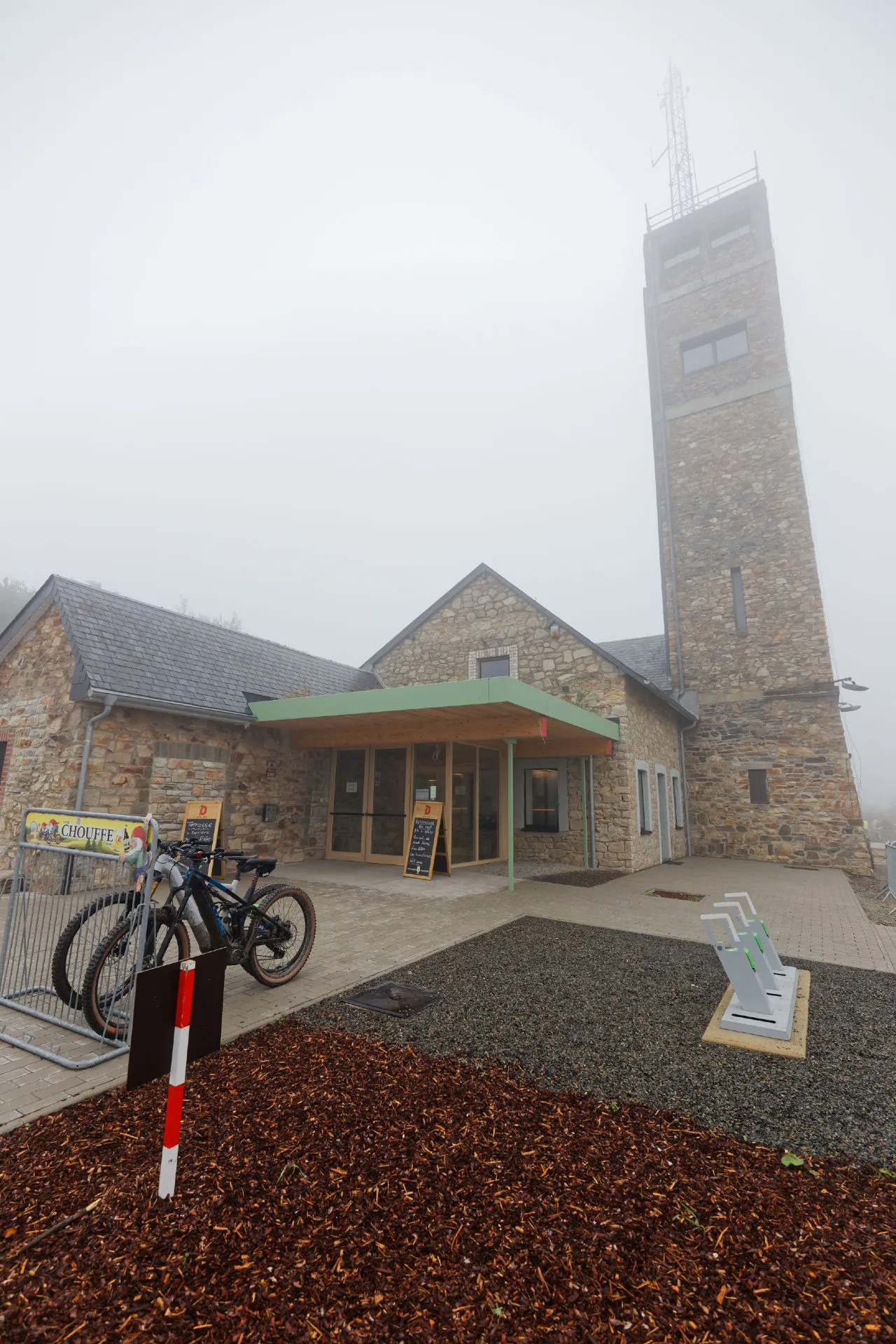
In-house production also makes it possible to meet specific requirements. At Signal de Botrange, for example, Bâtir l’Avenir developed a formulation at the architect’s request that incorporates materials derived from local quarry waste. “We can formulate bespoke plasters for specific projects, so we can tailor the solution,” explains Jean-François Pirotte.
Another solution, still little known in Belgium, is intended in particular for projects requiring insulation beneath a slab: cellular glass aggregate, made from recycled glass (Misapor). Lightweight, insulating and compactable, it can be installed beneath foundations or slabs and can also be used for certain lightweight fills.
Supporting designers and contractors
As well as supplying materials, the company also provides support. Jean-François Pirotte shares his expertise through in-store advice, site visits, project follow-up, and theoretical and practical training. The aim is to match each material with an installation method suited to the building’s characteristics.
“Our principle is to advise people so that the right material is used in the right place,” says Jean-François Pirotte. Site visits allow the existing building to be assessed with the contractor or architect and potential solutions to be identified. The training courses complement this approach, covering both material properties and how to use them.
This approach applies to both renovation and new-build projects. The company’s showroom was also designed to make the greatest possible use of natural materials and demonstrate their potential in practice. For Jean-François Pirotte, the main priority is to give professionals the technical information they need to incorporate these solutions appropriately into their projects.
Een zakelijke vraag aan Batir L’avenir SRL? Get in touch
Companies in this story
Keep following this
Get an email when a new story is published. No account needed.
- ThemeRenovating existing buildings
- SubjectNews
- CompanyBatir L’avenir SRL







