











More than ever, making your roof work is a must
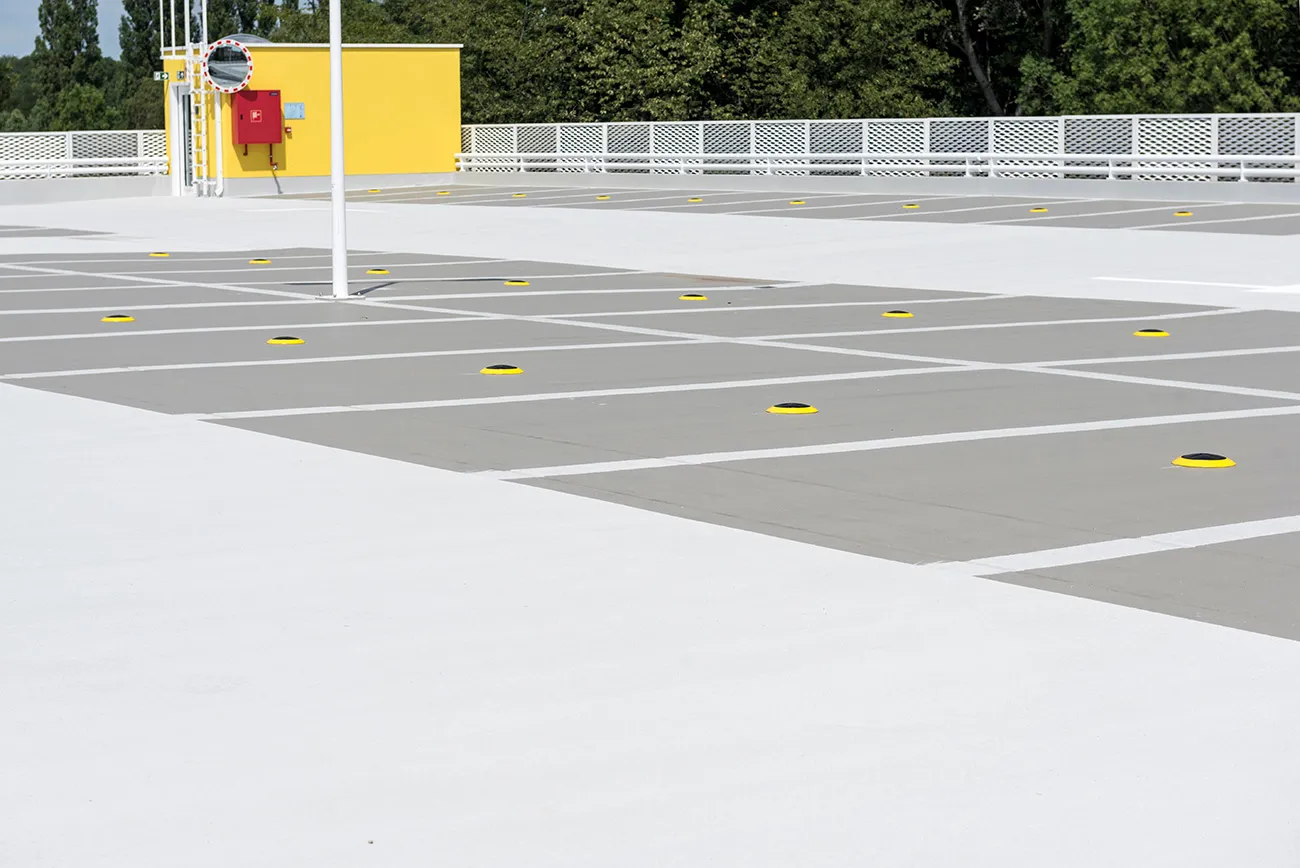
This is nothing new, of course, but soaring energy costs remind us how necessary and urgent it is: now is the time to make use of your roof! Leaving such a large area unproductive is no longer an option. A roof can make a significant contribution to a building’s energy performance, not only through state-of-the-art insulation but also by generating renewable energy.
This is nothing new, of course, but soaring energy costs remind us how necessary and urgent it is: now is the time to make use of your roof! Leaving such a large area unproductive is no longer an option. A roof can make a significant contribution to a building’s energy performance, not only through state-of-the-art insulation but also by generating renewable energy.
In the current climate, individuals and businesses are looking to generate their own energy. Flat roofs are particularly well suited to installing photovoltaic panels, wind turbines or solar thermal collectors, for example, even more so than pitched roofs. It is a smart way to make use of your roof space, cut your energy bills and benefit the environment. The European Commission has recently published a legislative package called “Fit for 55”, which aims to “make Europe the world’s first climate-neutral continent”. The package will have a considerable impact on the construction sector, notably through the revision of the Energy Efficiency Directive, which aims, among other things, to strengthen requirements for renovating public buildings, and the revision of the Renewable Energy Directive.
Photovoltaics take centre stage
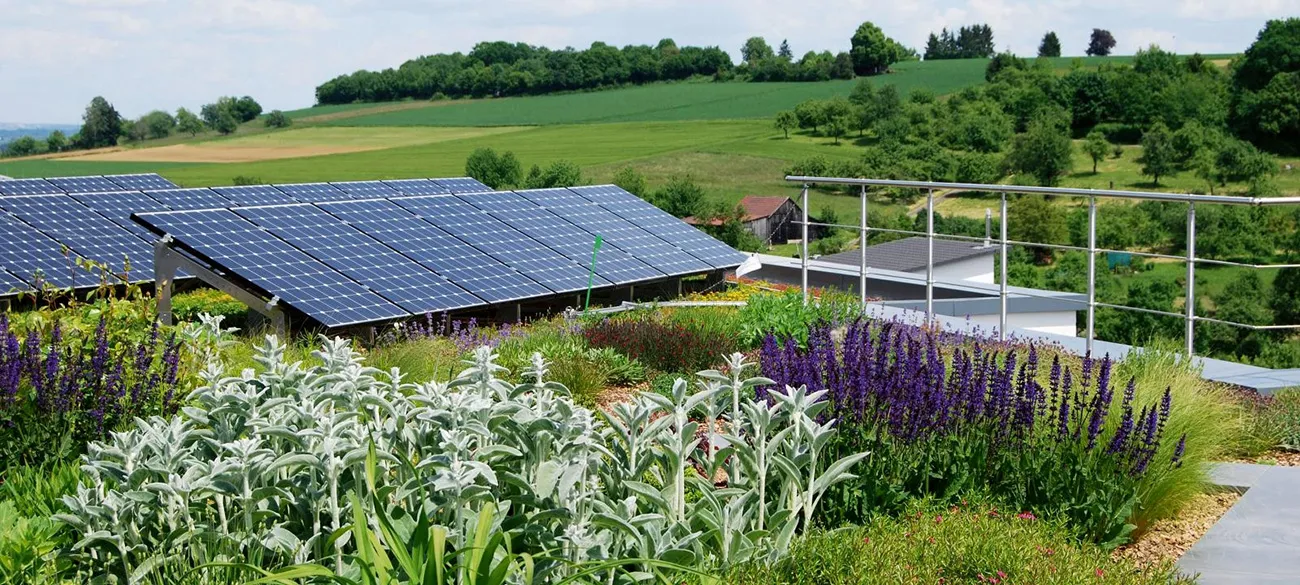
Although photovoltaic panels can be installed on any roof, flat roofs are the only ones that allow for the ideal orientation and tilt for optimal output: facing south at an angle of around 35°. Flat roofs are also practical and safe for installation and maintenance. Photovoltaic technology harnesses sunlight, not heat. It operates most efficiently at a temperature of around 25 °C. In summer, however, panel temperatures can quickly reach or even exceed 60 °C, reducing their efficiency by around 14%. A cooler roof will therefore help boost the output of an energy-generating roof. It is therefore a good idea to choose a white roofing material. These light-coloured membranes can deliver two benefits at once: they are not only beneficial for photovoltaic panel output, but also improve the roof’s thermal insulation performance thanks to their reflective properties.
There is no shortage of options
Making your roof work is not limited to photovoltaics. A roof can also be made “energy-generating” by installing solar thermal collectors or even wind turbines. There are many other ways to invest in your (flat) roof, too. For example, you could create a green roof, which benefits both thermal comfort, particularly during increasingly frequent heatwaves, and biodiversity. Or you could make the space accessible: as a roof terrace, sports facility or even an open-air car park. In some cases, adding an extra storey to your building could also be a good option. None of this can be improvised, of course, so it is important to call on the right professionals.
Question about this story? Ask your question
Keep following this
Get an email when a new story is published. No account needed.
- SubjectNews







