











Making rail the backbone of tomorrow’s mobility
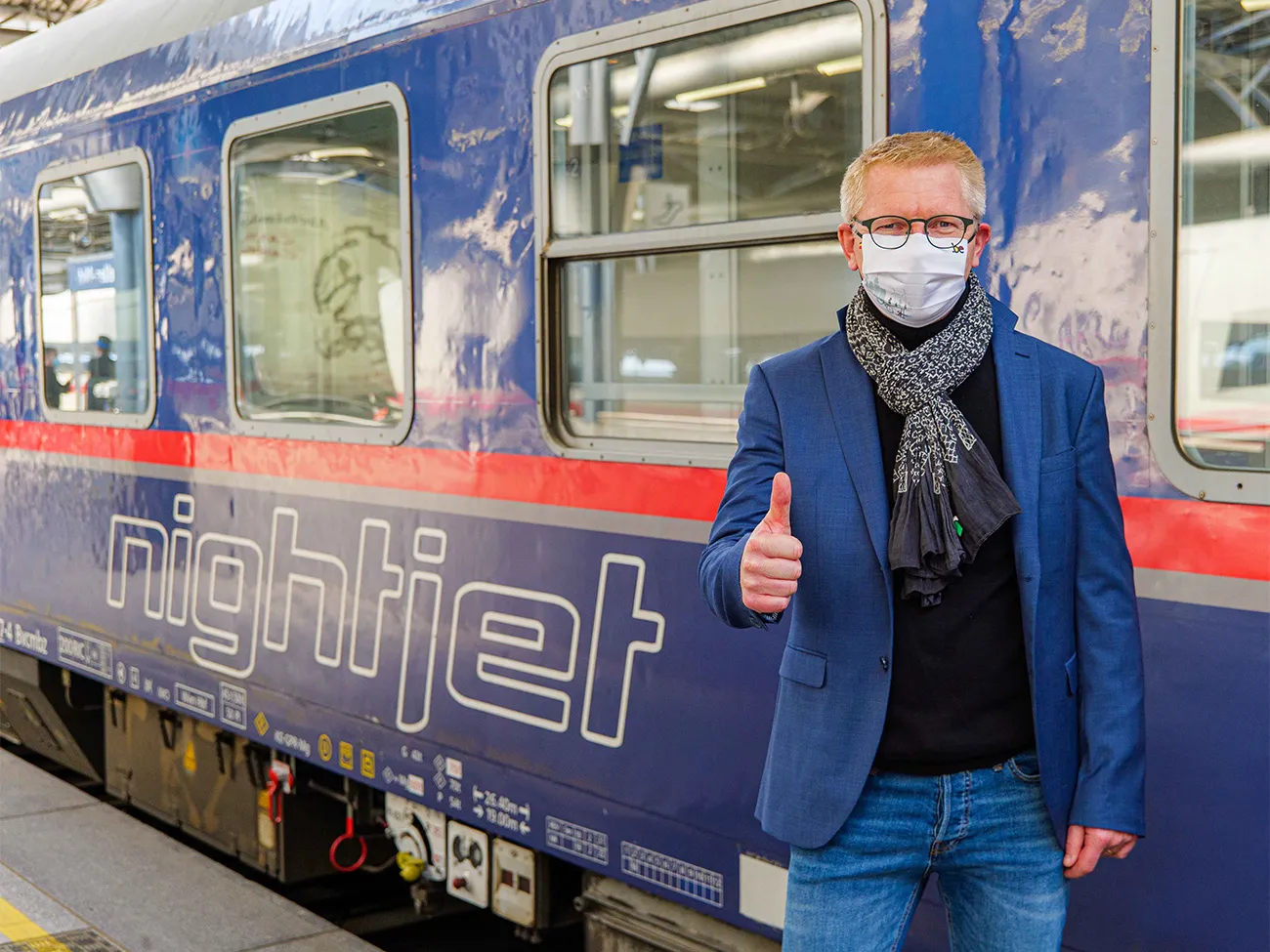
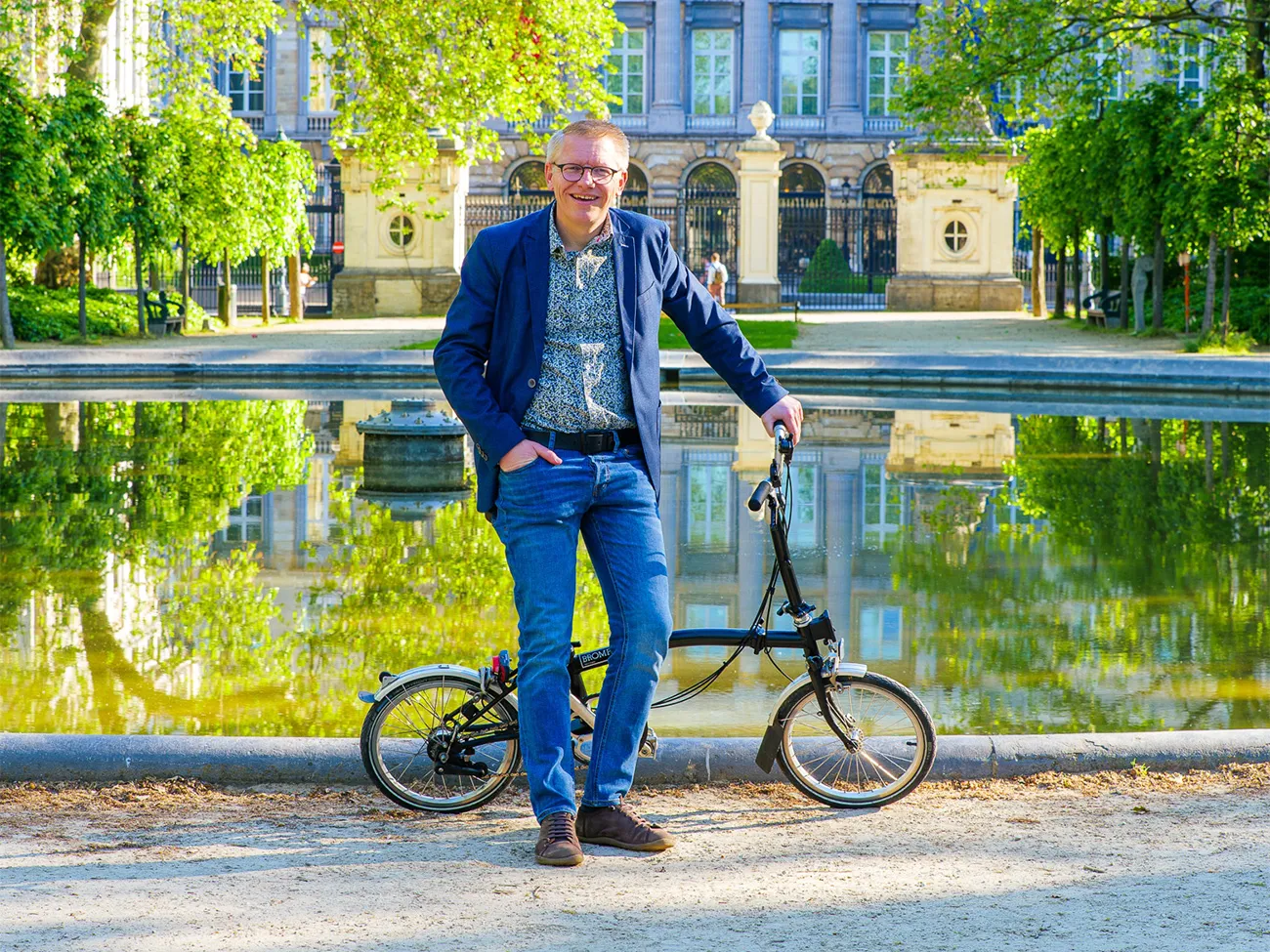
Georges Gilkinet is also an Ecolo Deputy Prime Minister in the federal government and serves as Minister for Mobility. His remit therefore includes all matters relating to rail in Belgium, and his interlocutors include SNCB and Infrabel. Construire la Wallonie spoke to him to take stock of the Boost Plan, which aims to step up investment in passenger transport and rail freight, as well as the bike-and-train strategy and the development of night trains. These all contribute to the same objective: “that Belgian rail should finally become the backbone of tomorrow’s mobility.”
What are the specific features of the Boost Plan for rail freight?
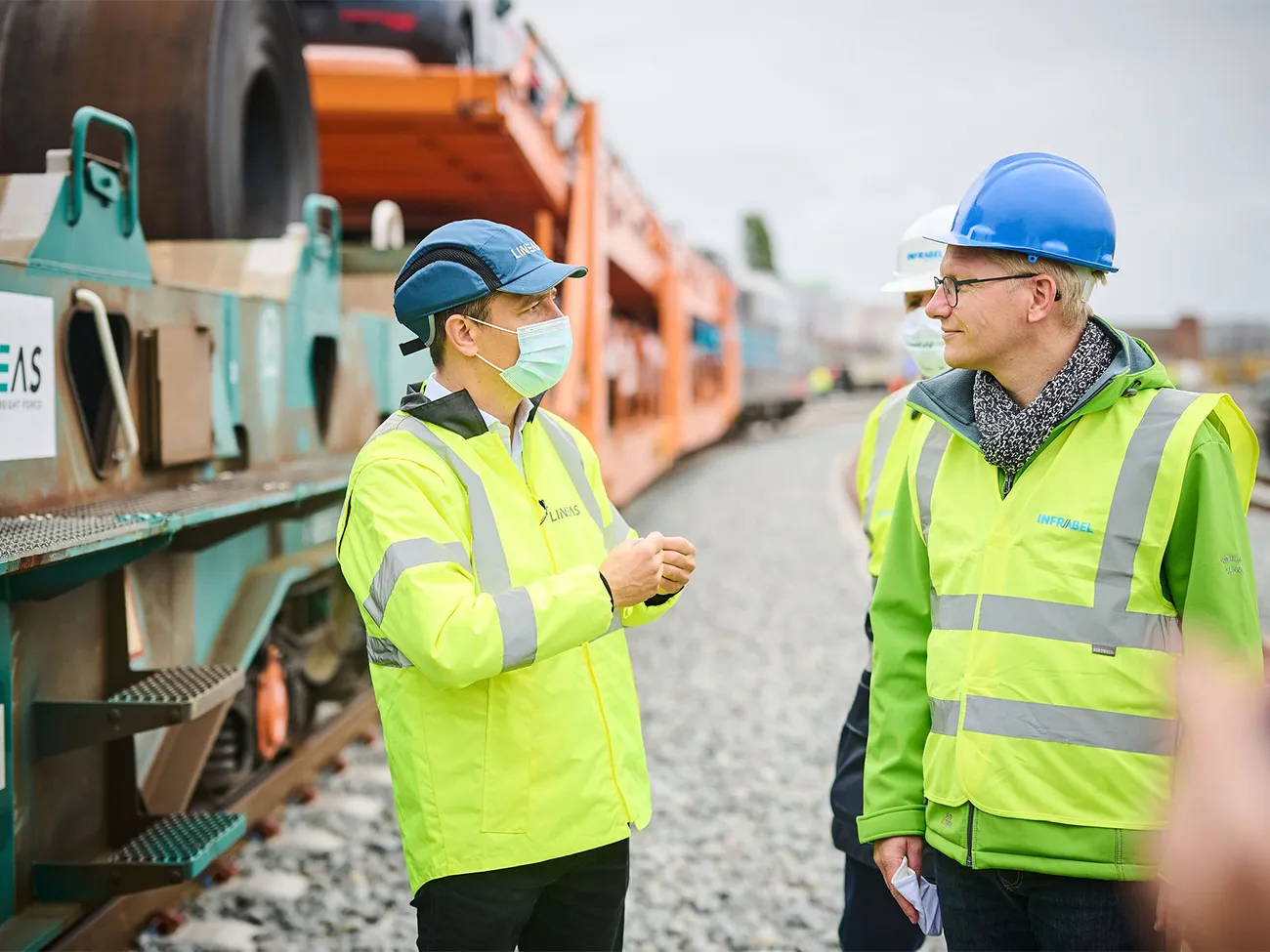
We want to double the volume of goods transported by rail by 2030. One freight train takes at least 50 lorries off the road, so this fits perfectly with the government’s climate objectives, its aim of reducing CO2 emissions and fine particulate matter that affect health, and its goal of improving road safety. Every euro invested in rail generates a three-euro return for the economy. But for it to work, investment has to be carefully targeted…
The Boost Plan was adopted in November 2020. Above all, the aim was to send a clear signal to the rail sector: after years of austerity and cost-cutting, we wanted to return to an investment-focused approach. Boost 1 provided an advance of €100 million against the 2021 budget, to get urgent projects that were awaiting funding off the ground. Then, as part of the funding made available through the European Recovery and Resilience Facility, €365 million will go to rail, for new stations, new car parks and accessibility, as well as infrastructure. Our approach is now to adapt rail infrastructure to needs and identify where we can make rapid productivity gains. That is also why we are preparing the next phase of the Boost Plan, including the upcoming European ‘Connecting Europe Facility’ call for projects.
And what impact does Boost have on passenger transport?
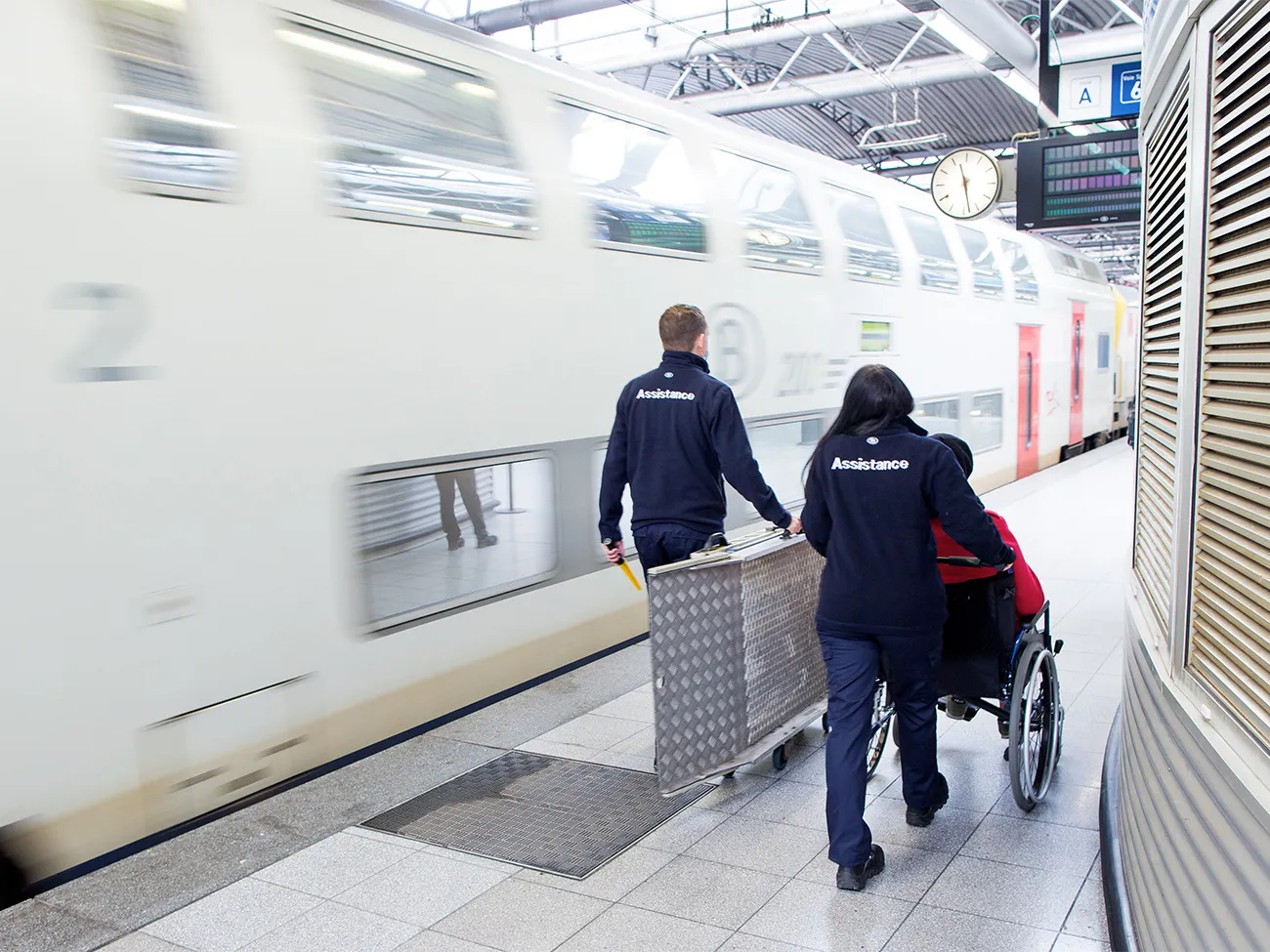
Whether for freight or passenger transport, the Boost Plan will strengthen the network where it is most vulnerable. For passengers, the focus will be on making stations accessible, with lifts, ramps, raising platforms to a standard height of 76 cm, and purchasing rolling stock that allows passengers to board trains without steps. It will also focus on making stations more intermodal by bringing them closer to bus services, as well as gradually increasing train frequency and service hours. The aim is to have at least one train every half-hour at every station, prioritising the busiest stations. We also want to run trains earlier and later than at present, particularly for workers with irregular or staggered hours. The government agreement provides for the adoption of a ‘Vision 2040’ for rail, setting targets for frequencies and services, among other things. We need to move from a vicious circle to a virtuous one, with investment acting as a lever to generate new revenue and attract new customers. We want rail to become the backbone of tomorrow’s mobility. “
Belgium is performing well in terms of mobility, with SNCB’s bike-and-train strategy now in place. What projects are planned in this area for the short, medium and long term?
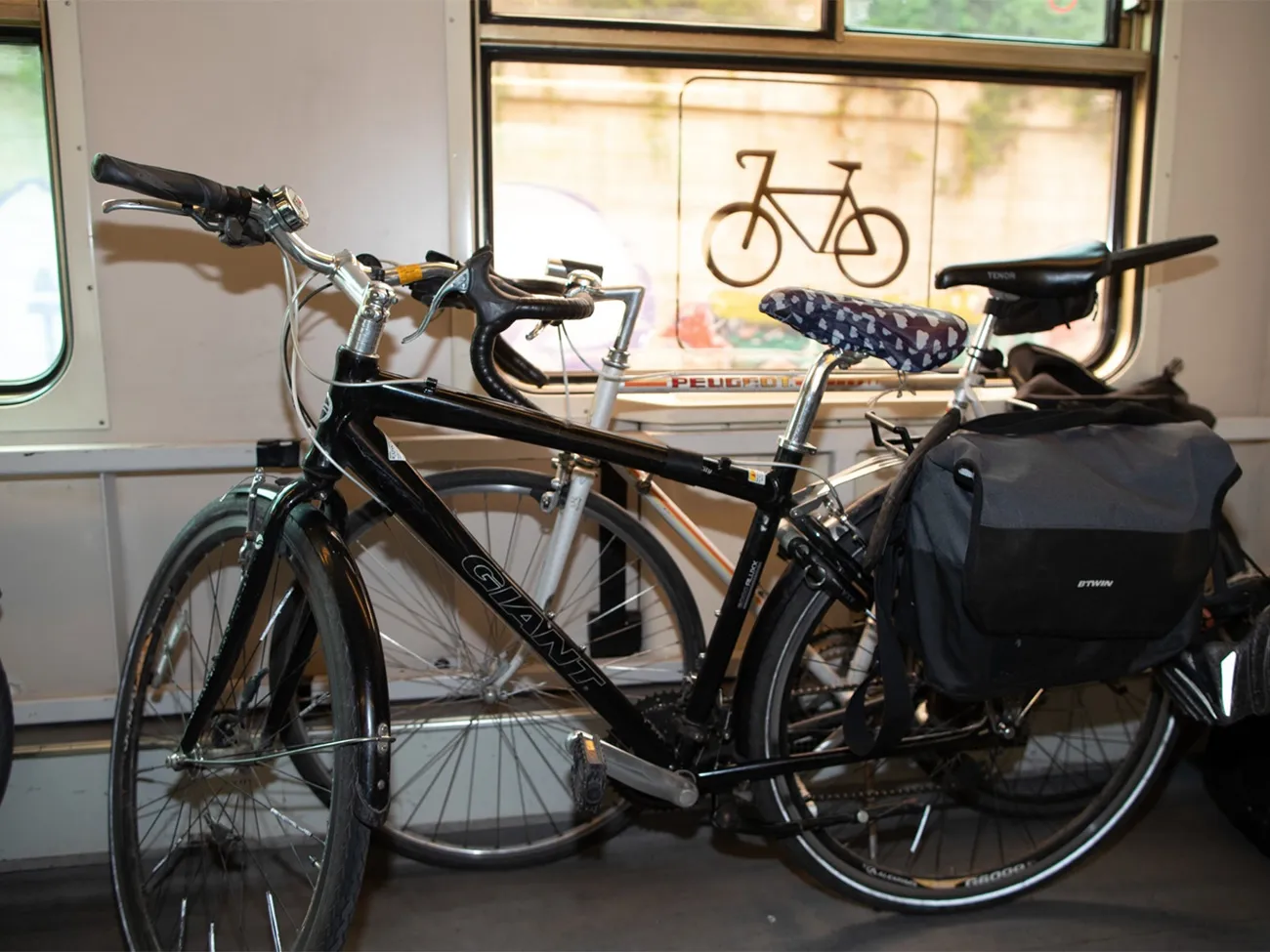
In practical terms, SNCB has increased the number of bike spaces available on trains, making these additional spaces easier to identify both on the carriages and on the platforms. This will soon be further enhanced by the purchase of new M7 double-decker trains, which have more bike spaces than the current trains. This will be backed up by the development of bike parking at stations and partnerships with various bike hire companies. I am delighted that SNCB was ranked the second most dynamic railway company in Europe, although I know there is still a long way to go. But we have developed a genuine strategy and a dedicated approach in this area.
The return of night trains to Belgium is excellent news for many reasons. What is your position, and SNCB’s, on developing this service? And how can Brussels become a genuine night-train hub?
Brussels occupies a central position in Europe and is a natural hub for night trains. It is naturally attracting international operators looking to relaunch night trains. Both public and private operators are coming to us, and we want to expand the night-train offer with ‘seasonal trains’, for skiing in Austria or Switzerland, for example, or for summer holidays in Italy. SNCB plays a genuine facilitation role by offering a range of services: providing locomotives suited to the Belgian network, cleaning night trains and booking tickets through the dedicated Hello Europe website, … The important role of the FPS Mobility should also be highlighted here. It is responsible for issuing permits and liaising with foreign railway companies to guide them as effectively as possible. But there are still too many obstacles for night-train operators, and I want to remove them one by one, including by raising the issue at European level.
Question about this story? Ask your question
Keep following this
Get an email when a new story is published. No account needed.
- ThemeTransforming infrastructure and territories
- SubjectNews







