











Interview with Didier Block
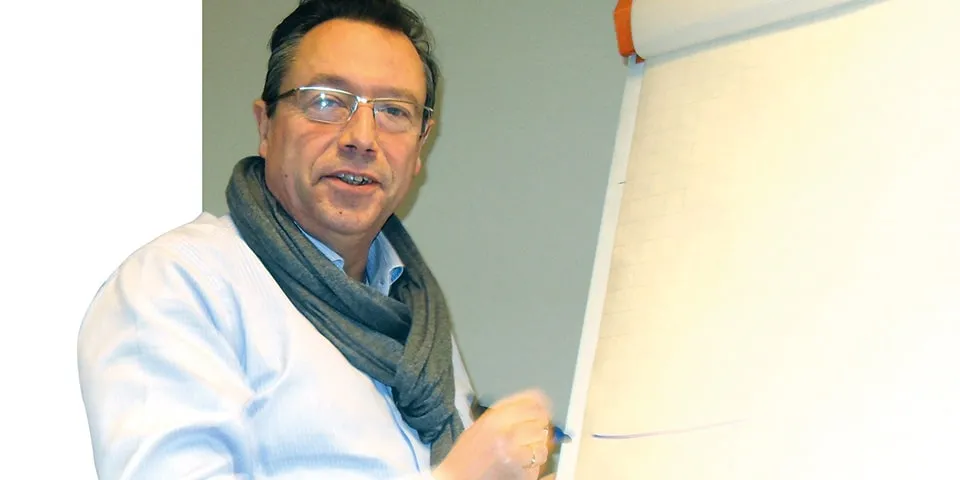
Secretary General of the Fédération Wallonne des Entrepreneurs de Travaux de Voirie
After many years of underinvestment in Belgium, and particularly in Wallonia, Maxime Prévot gave Wallonia a new investment plan in 2016 to modernise its road and waterway infrastructure over the following four years. The plan mobilised an unprecedented budget of €640 million (including €320 million in ordinary credits), with a further €320 million funded through the kilometre charge for heavy goods vehicles, which has been in force since 1 April 2016. To find out more, we spoke to Didier Block.
For Didier Block, this investment plan explains how the Walloon Government decided which works to fund with €640 million. At the request of the Walloon Minister for Public Works, Road Safety and Waterways, the SPW drew up a list of works to be carried out (3,873 projects), with estimated needs of more than €5 billion, reflecting the lack of investment in this area over the past thirty years or so. The SPW grouped these projects “into silos”, according to the problems they were intended to solve. The Minister then set his priorities by allocating the €640 million available among the different thematic silos. Ultimately, the SPW objectively selected the projects that met the
Minister’s priorities. In order of importance: safety and works in built-up areas (24%), surfacing (20%), lighting + ITS (17%), Routes de l’Emploi (13%), structures (10%) and noise (4%).
As a reminder, the €640 million is intended for the maintenance and rehabilitation of road surfaces and structures, road safety improvements and works at the entrances to built-up areas, Routes de l’Emploi, and so on.
The €640 million is allocated as follows:
• Motorways: €128 million
• Roads: €347.5 million
• Routes de l’Emploi: €89.5 million
• Waterways: €75 million.
Various stakeholders were involved in drawing up this Infrastructure Plan, including DG01 (Operational Directorate General for Roads and Buildings), DG02 (Operational Directorate General for Mobility and Waterways) and Sofico (Walloon Supplementary Infrastructure Financing Company). As a reminder, Sofico manages a road network of around 2,300 kilometres (nearly 900 kilometres of Walloon motorways and 1,400 kilometres of regional roads). It receives technical support in this work from the Operational Directorate General for Roads and Buildings of the Service Public de Wallonie.
Since 2010, Wallonia’s motorway network and strategic regional roads have been undergoing major renovation following years of underinvestment. By 2020, more than €2 billion will have been invested over 10 years to provide Walloon residents with high-quality roads. This increase in funding has been made possible in particular by the kilometre charge for heavy goods vehicles. This effort is set to continue, with the aim of moving as far as possible towards preventive maintenance of the network.
Question about this story? Ask your question
Keep following this
Get an email when a new story is published. No account needed.
- ThemeTransforming infrastructure and territories
- SubjectNews







