











Impact assessment confirms Metro 3 project
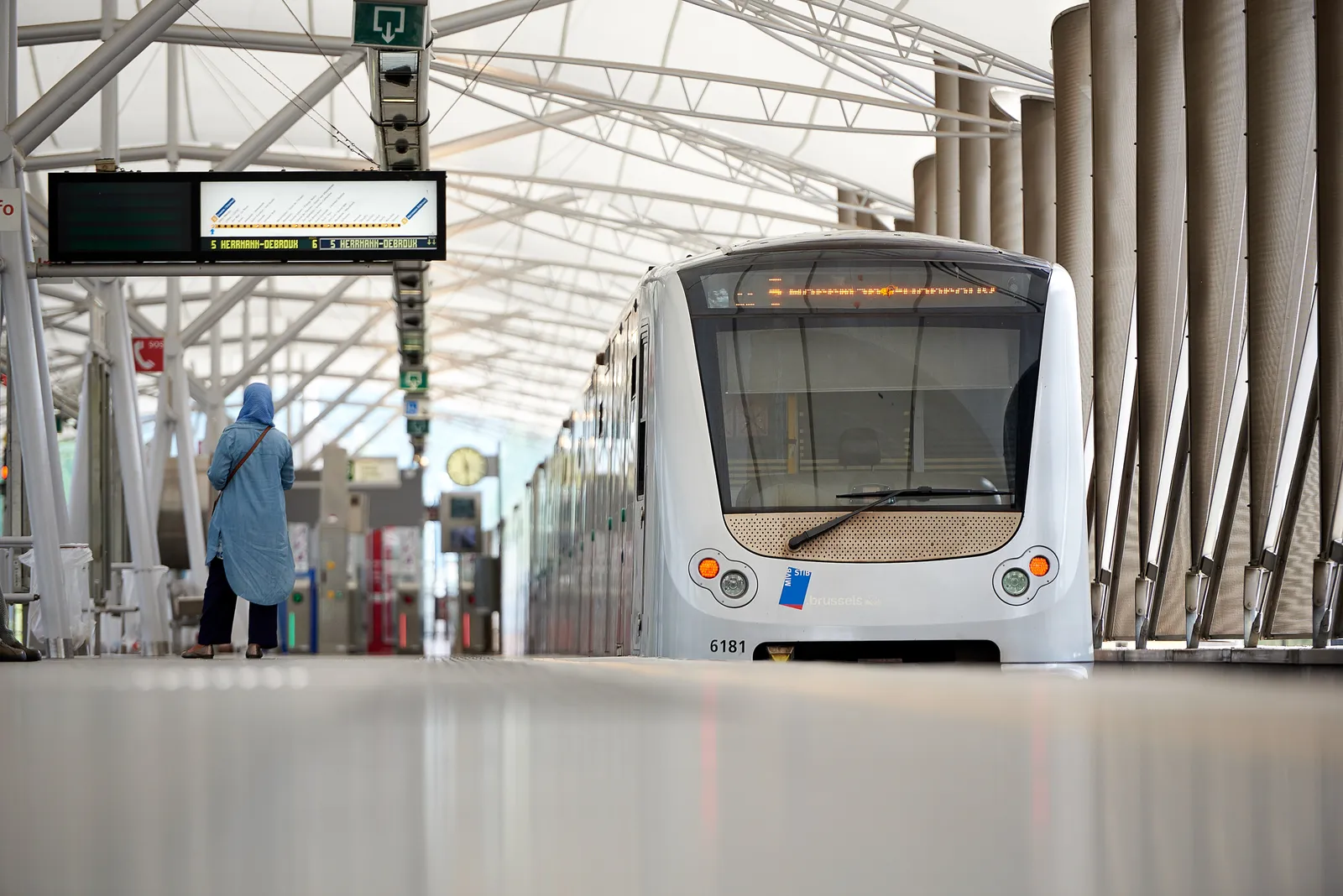
The conclusions of the environmental impact assessment are clear: Metro 3 is the most suitable mode of transport to meet mobility needs in the north of Brussels.
Carried out by an independent consultancy and overseen by a steering committee, the assessment not only reaffirms that the metro is the best solution, but also endorses the construction method, station locations and proposed route. Its conclusions will help optimise the plans submitted with the permit application for the project’s 2nd phase: construction of a 4.5 km tunnel, 7 new stations and a depot. Beliris, the public construction expert in Brussels, will submit plans in early 2022 in close consultation with STIB. The recommendations provide an opportunity to improve the project so that it meets citizens’ needs.
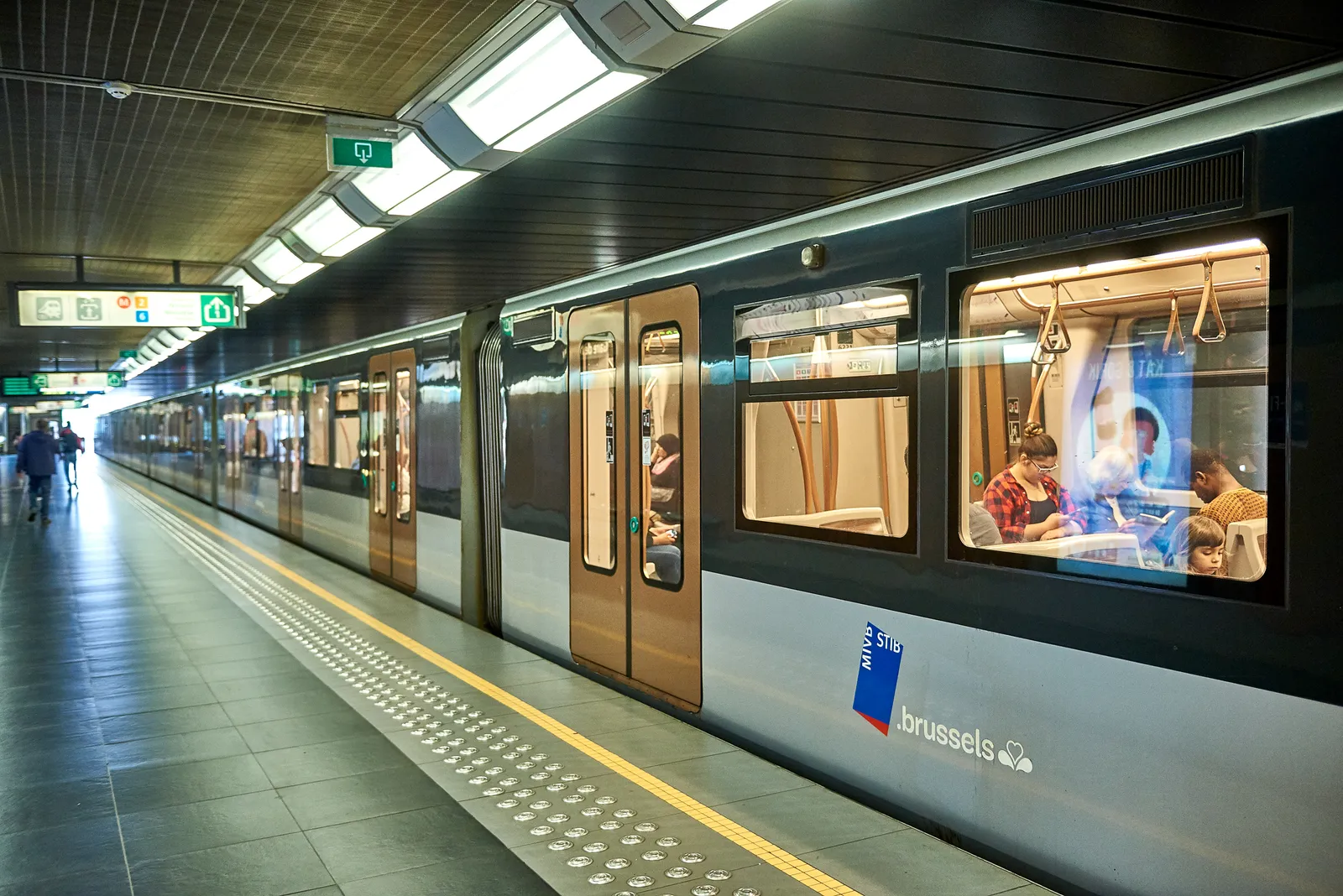
THE SECOND PHASE OF THE PROJECT IS MOVING AHEAD
The new Metro line 3, which will form a new 10.3-kilometre axis between Bordet in Evere and Albert in Forest, is being delivered in two phases. The 1st, already under way, involves converting the pre-metro into a metro between Albert and Gare du Nord, building Toots Thielemans station between Gare du Midi and Lemonnier, converting the existing stations and constructing a connecting tunnel beneath the tracks at Gare du Nord. The 2nd phase, involving excavation of a tunnel, construction of 7 stations and a depot for stabling and maintaining the metro trains, has reached a new milestone: more than 1,100 recommendations have been compiled in the impact assessment and have already undergone initial analysis. It is already clear that most will be implemented or have already been taken into account in the project. Other recommendations will be analysed in greater depth before the plans are resubmitted within the statutory 6-month period.
Following the project studies in 2013, approved by the federal and regional governments, the inclusion of the line in the Regional Land Use Plan (PRAS) in 2017 and the survey of Brussels residents in 2020, the impact assessment confirms for the 4th time that Metro 3 will meet the mobility needs of neighbourhoods in the north of Brussels.
METRO SELECTED AS THE BEST SOLUTION
A consortium of accredited independent consultancies (ARIES and TRACTEBEL) rigorously assessed the project and its alternatives. For example, it examined whether upgrading tram 55, either by increasing its capacity or providing a dedicated right of way, would make the metro project unnecessary. Neither option proved feasible. “By confirming that the tram, even on a dedicated right of way, cannot by itself meet growing mobility needs in the north of Brussels, the impact assessment highlights the need to build this metro line,” explains Brieuc de Meeûs, CEO of STIB. “However, this does not mean that the tram will have no place in future plans, which will all be focused on intermodality.”
The option of building the 4.5 km tunnel as twin bores (2 tubes), rather than the proposed single bore (1 tube), was also reassessed but not selected. This solution would not only have significantly increased the cost of the project, but would also have had a much greater impact on buildings above ground and on the environment.
ENVIRONMENT, INTERMODALITY AND ACCESS FOR PEOPLE WITH REDUCED MOBILITY
The impact assessment does not question the construction of any of the 7 stations, whose route and locations had already been reconfirmed in the PRAS impact report in 2017. The recommendations mainly concern environmental improvements, integration with other modes of transport and access for people with reduced mobility (PRM) at the 7 stations and the depot.
Over the coming months, Beliris, STIB and the Region will examine each recommendation in detail to improve the project. For example, the recommendations cover rainwater recovery and reducing the discharge of water into the sewer system. They also propose green roofs and photovoltaic panels. These measures will all be considered in the plans for stations with larger roof areas: Verboekhoven, Paix, Tilleul and Bordet, as well as the Haren depot. The assessment also recommends providing secure bicycle parking at certain stations, PRM toilets, 2 lifts per platform and particular attention to reducing the gap, meaning the horizontal and vertical distance between the edge of the metro platform and the train floor at the doorway.
PARTICIPATORY PROCESS FOR SURFACE-LEVEL DESIGN
The assessment also makes recommendations for designing public spaces around station entrances. These will not require a substantial change to the permit application, as the design of these spaces will be subject to a participatory process. “The public spaces will be designed in consultation with residents and businesses in the neighbourhoods,” says Cédric Bossut, Director of Beliris. “The process will be tailored to each station. Citizens will consider the design of the areas around the stations, including surfacing, street furniture, secure bicycle parking, mobility and intermodality, and planting. Given the project timescale, this process will begin after the stations’ civil engineering works, which will be in a few years’ time.”
MANAGING CONSTRUCTION IMPACTS
The impact assessment also makes recommendations on how the works should be carried out, such as removing as much excavated material and waste as possible sustainably, for example by waterway. These requirements for the removal of excavated soil are already included in the specifications defining the contractor’s scope of work.
Excavating a tunnel and building 7 stations will affect the lives of local residents. The assessment rightly calls for measures to limit this impact. As responsible clients, STIB and Beliris are committed to minimising disruption. The assessment confirms the issues we are focusing on in this regard. We have already commissioned a specialist consultancy to assess noise and vibration impacts.
Question about this story? Ask your question
Keep following this
Get an email when a new story is published. No account needed.
- ThemeTransforming infrastructure and territories
- SubjectNews







