











If we need yet another regulation, let it at least be based on a systemic approach
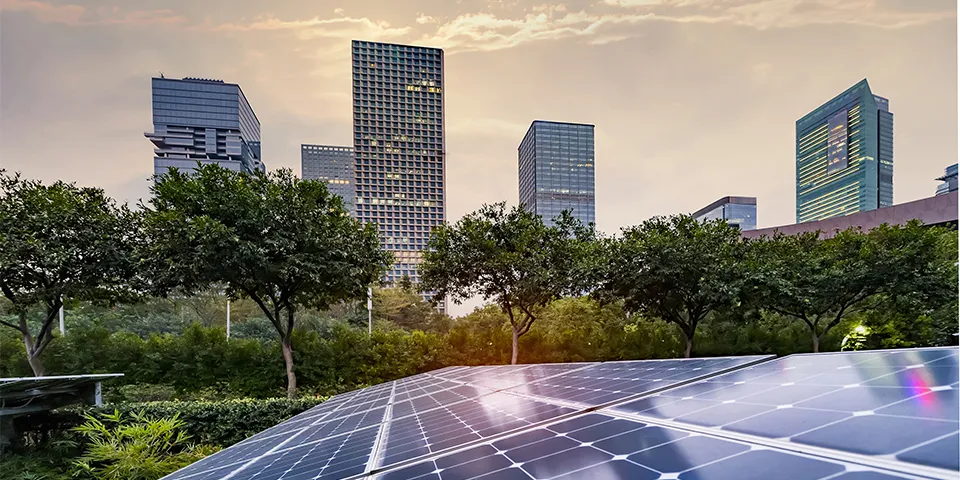
Techlink, the professional federation for technical installations contractors, is making an urgent call for a systemic approach to become the norm in the energy landscape. Indeed, such an approach should be the only one considered. By this, Techlink means a holistic approach to the energy transition and the regulations that go with it.
In this post-COVID era, a stable regulatory climate is more essential than ever to sustain the continued growth of renewable energy and meet the 2030-2050 targets.
Recent debates over DSO tariffs, provincial taxes on companies’ photovoltaic installations, differing RESCert requirements between regions and the chronic, glaring shortage of technically trained installers all illustrate an overly fragmented approach.
There is still considerable potential for large rooftop photovoltaic installations.
A stable network tariff structure, including for photovoltaics
In response to the VREG consultations on tariff methodology for small consumers, Techlink has repeatedly stressed that establishing a stable, long-term tariff structure for the distribution network must be a key priority. Every new tariff structure affects the willingness to invest in small photovoltaic installations, heat pumps, cogeneration, electric vehicles and/or decentralised, demand-side storage.
It is no secret that investors, and private individuals even more so than B2B businesses, lose interest when the framework is constantly changing. Persuading citizens to act in line with the 2030-2050 targets is already a major communications challenge in itself.
Techlink therefore continues to call on the VREG and the Flemish minister responsible for energy to create greater consistency and harmonisation in the framework for investing in decentralised energy production and demand management. In short, we are back to systemic thinking.
Provincial taxes on photovoltaic installations
This fragmented policy is an unnecessary obstacle where a straight path should lead to the goal. One problem that has persisted for several years is that each province can separately levy taxes on the usable areas of basements, attics and roofs. However, the provinces of Antwerp, Limburg and East Flanders interpret this tax as also applying to photovoltaic installations on business rooftops.
Needless to say, this runs counter to the messages from other public authorities promoting and supporting decentralised renewable energy production.
There is still considerable potential for large rooftop photovoltaic installations, as the 2019 figures alone show. To continue making the most of it, a clear, consistent signal is urgently needed, not a fragmented or even contradictory one, so that everyone can play their part in achieving the 2030-2050 ambitions.
In this post-COVID era, a stable regulatory climate is more essential than ever to sustain the continued growth of renewable energy.
Regional regulation and inconsistency
Installers working in Flanders, Wallonia and Brussels, and there are many, often struggle to keep up with regulatory frameworks that differ from one region to another. When the Flemish, Walloon, Brussels and federal legislators are not working towards the same goals, the challenge becomes even greater. The RESCert certification scheme is one example.
A worthy ambition, but not (sufficiently) well defined
The Flemish Minister for Mobility’s recent ambition to bring 30 000 charging points into service during the current legislative term is an exciting prospect for the sector. But here too, we are eagerly awaiting the broader vision for the future within which this target will fit. On behalf of the installation sector, Techlink is also calling for specific attention to the installer of the future: education and training must anticipate these new targets. In other words, we must ensure that as many businesses in the sector as possible are involved in energy transition projects so these ambitions can be realised.
Conclusion
Installers want a stable legislative framework that takes the wider ecosystem into account and can be applied in practice. Only on this basis can the (economic) opportunities created by the energy transition be fully realised.
Question about this story? Ask your question
Keep following this
Get an email when a new story is published. No account needed.
- SubjectNews







