











How Vandersanden is helping to create climate-resilient public spaces
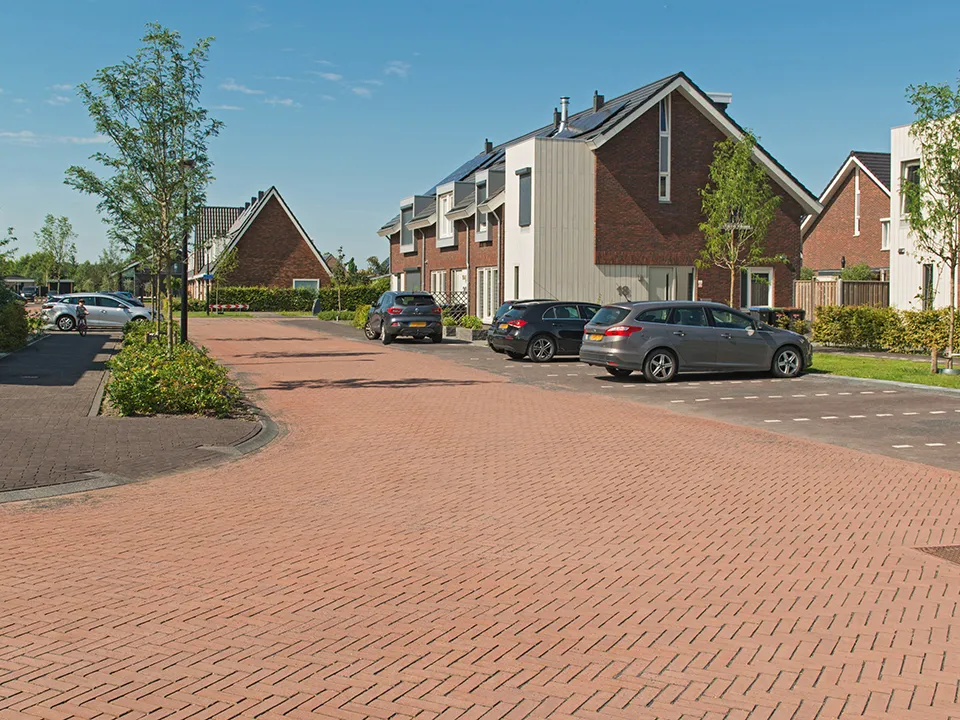
Adapting our public spaces to climate change is one of the major challenges facing the Belgian government and the construction sector. At the forefront in this field, Vandersanden is developing solutions to help tackle periods of drought and intense rainfall.
Our climate is changing. Across Europe and beyond, summers are getting hotter and episodes of heavy rain are becoming more frequent. The National Climate Commission estimates that climate change will generate an additional cost of €9.5 billion in Belgium by 2050, equivalent to 2 per cent of GDP, as a result of drought, flooding and extreme heat.
Heat and prolonged drought cause groundwater levels to fall and lead to water shortages, affecting the agricultural sector in particular. Conversely, periods of heavy rainfall increase the risk of excess water and flooding, especially in urban areas, which are often less resilient to climate change.
AThis paradox, our public spaces suffering from both a lack and an excess of water, presents the authorities with a major challenge: how can public spaces be designed so that we can not only drain rainwater away, but also retain it?
As a family business, we ask ourselves every day how we can help create an enjoyable living environment that anticipates current and future environmental challenges. In doing so, we think in generations, not years. That is why we are keen to help create high-quality, attractive, sustainable and climate-resilient public spaces, not only today, but also in 10, 50 and 100 years’ time.
Our commitment to climate-resilient solutions rests on the following three pillars:
- Tailored work to meet local needs: climate adaptation goes beyond simply combining products. Every urban neighbourhood and every village centre is different. Investing in sustainability means developing systemic solutions capable of addressing (hyper)local challenges. Factors to consider include underground waterways, soil type, differences in elevation that affect watercourses, road surfacing and urban development, groundwater levels, rainfall intensity and local annual precipitation.
- Simplicity and accessibility: adapting to climate change should not be difficult. At Vandersanden, we strive to offer solutions that work for contractors, so that they do not have to change the way they work, or need to make only minimal changes. We believe in clear, straightforward solutions offered at the lowest possible cost.
- Attractiveness and quality: Vandersanden believes that municipalities should not have to choose between attractiveness and sustainability when designing their public spaces. Climate-resilient solutions must meet the same quality standards and aesthetic criteria as conventional products.


In practice
What practical steps can we take to tackle water shortages and excess water?
In the past, the sole priority was to drain rainwater away as quickly as possible. That approach has had its day: today, we must try to retain water where it falls. Draining rainwater away quickly compromises the natural replenishment of groundwater. This is important during prolonged periods of heat and drought.
At Vandersanden, we are convinced that permeable paving offers a solution to increasingly severe droughts and rainfall events.
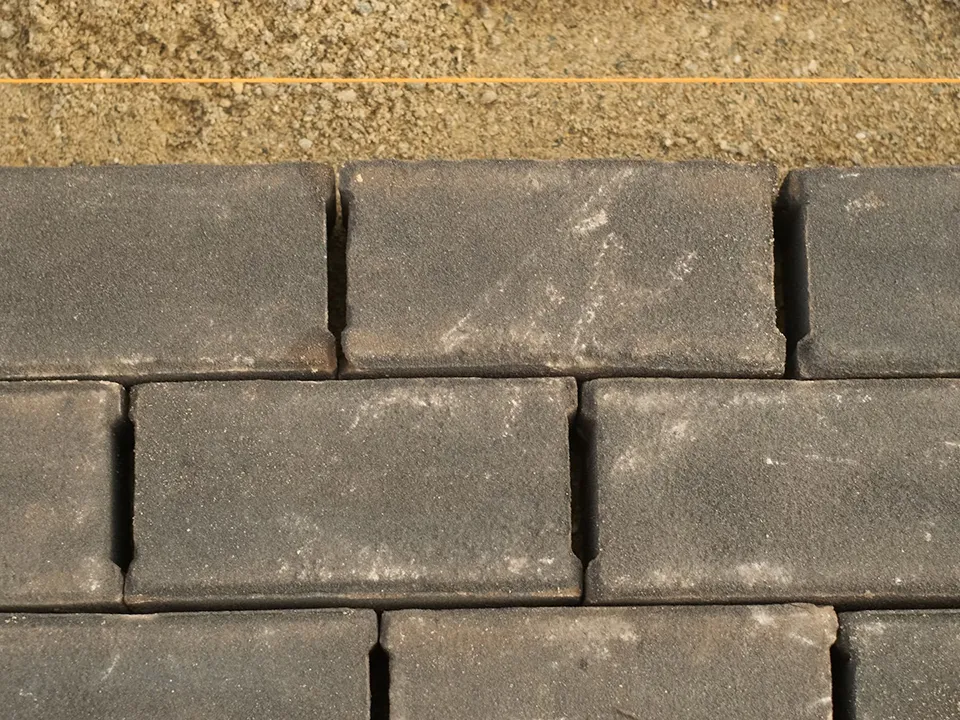
With permeable paving, rainwater infiltrates the ground where it falls. As it passes through the sub-base, the water either drains directly into the soil or is discharged at a controlled rate into a ‘wadi’ or surface water. By disconnecting rainwater in this way, we prevent overloading and surcharging in the sewer network. Moreover, wastewater treatment plants operate more effectively when wastewater is not diluted by rainwater. Permeable paving is also just as effective during prolonged drought: retaining water in the soil helps balance groundwater levels and limit the risk of groundwater drying out and becoming saline.
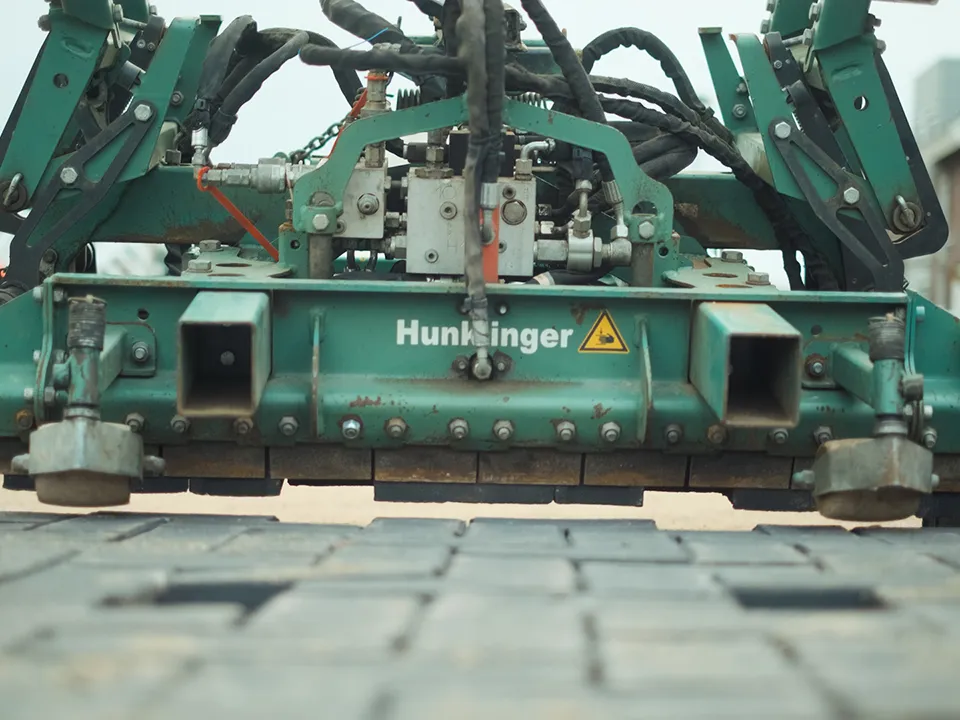
For all these reasons, Vandersanden has developed Drainflow® permeable clay pavers. These pavers offer the same quality as our traditional products, but with permeable properties. Their mechanical installation avoids costly and complex measures, such as building a separate rainwater sewer. Finally, this practical product is easy to integrate into the existing built environment.
In short, when laid on suitable ground, permeable clay paving is a simple, attractive and sustainable solution that protects our public spaces from the impacts of climate change.
What does the future hold?
At Vandersanden, we are proud to help make public spaces more liveable through our innovative solutions and tailored advice. In this way, we are helping to build beautiful, sustainable cities throughout Europe.
Adapting to climate change is already one of our top priorities. But we are also looking to the future. Although the current horizon is 2050, climate change will remain a major challenge beyond then, for centuries to come. That is why we are already working to develop carbon-neutral and even carbon-negative pavers. We are seeking to minimise the carbon footprint of our pavers, with a view to achieving a favourable life cycle assessment (LCA) and a good MKI score (Environmental Cost Indicator). In addition, our energy-efficient brick kiln in Tolkamer is already helping us reduce CO2 emissions from our production processes.
Finally, Vandersanden will continue to evolve as a company.
The climate is becoming increasingly complex. Recognising this, Vandersanden is evolving from a manufacturer of clay pavers and facing bricks into a true partner for public authorities seeking sustainable, climate-resilient solutions for their public spaces. By joining forces with our partners and municipalities, we are making progress together towards more sustainable public spaces, in Belgium and beyond.
Question about this story? Ask your question
Keep following this
Get an email when a new story is published. No account needed.
- ThemeTransforming infrastructure and territories
- SubjectNews







